Kathryn E. Goldfarb - Böcker
Visar alla böcker från författaren Kathryn E. Goldfarb. Handla med fri frakt och snabb leverans.
4 produkter
4 produkter
1 518 kr
Skickas inom 10-15 vardagar
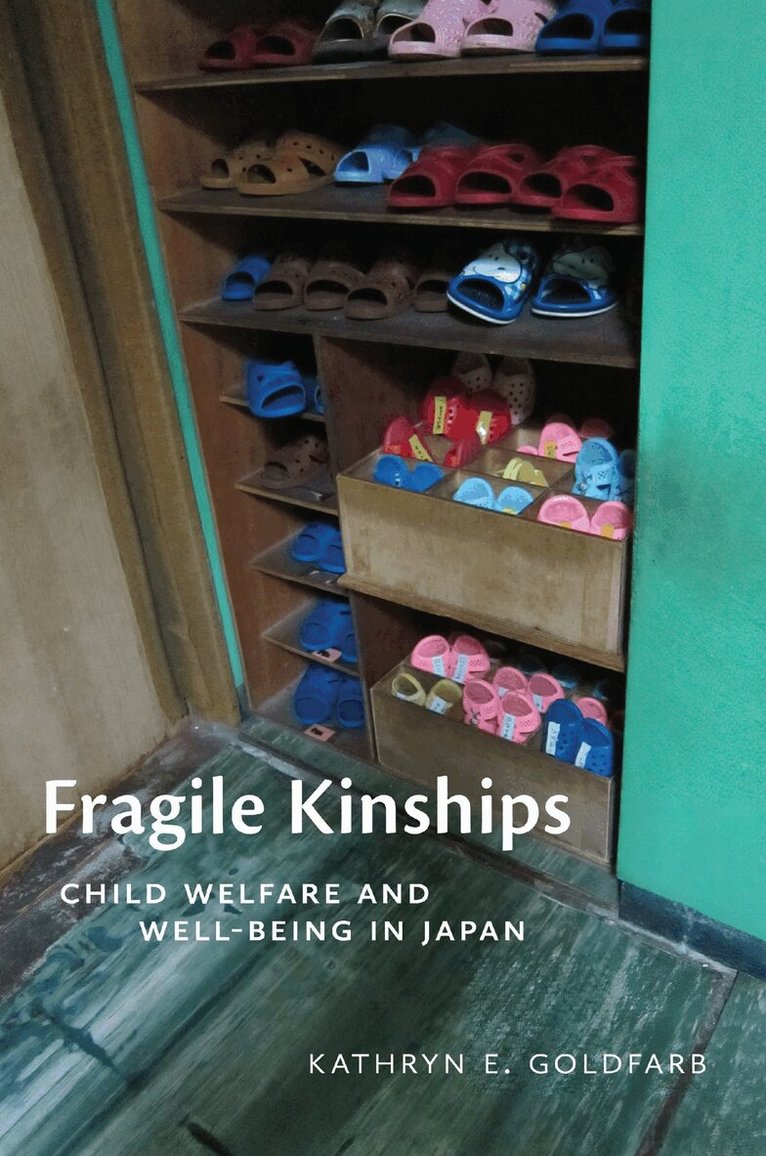
In Fragile Kinships, Kathryn E. Goldfarb shows how child welfare systems do not always generate well-being. This is true across the world, as it is in Japan. Policymakers, caregivers, and people with experience in state care endeavor to imagine—and implement—child welfare systems that are genuinely supportive. Yet despite these efforts, social welfare systems too often produce people who are alone. By centering relationality in theorizing social forms of care, Fragile Kinships offers key insights into embodied and socioemotional well-being. Goldfarb analyzes both the feelings and effects of lacking kin, and the transformative energy people invest in creating new forms of kinship and relatedness. Fragile Kinships demonstrates why welfare systems must support relational well-being. In her contributions to anthropological theories of kinship, embodiment, and the field of Japanese studies, Goldfarb also speaks to academics, practitioners, and policymakers in Japan and globally with ethnographically grounded perspectives suggesting ways that child welfare systems might truly achieve wellbeing.
354 kr
Skickas inom 10-15 vardagar
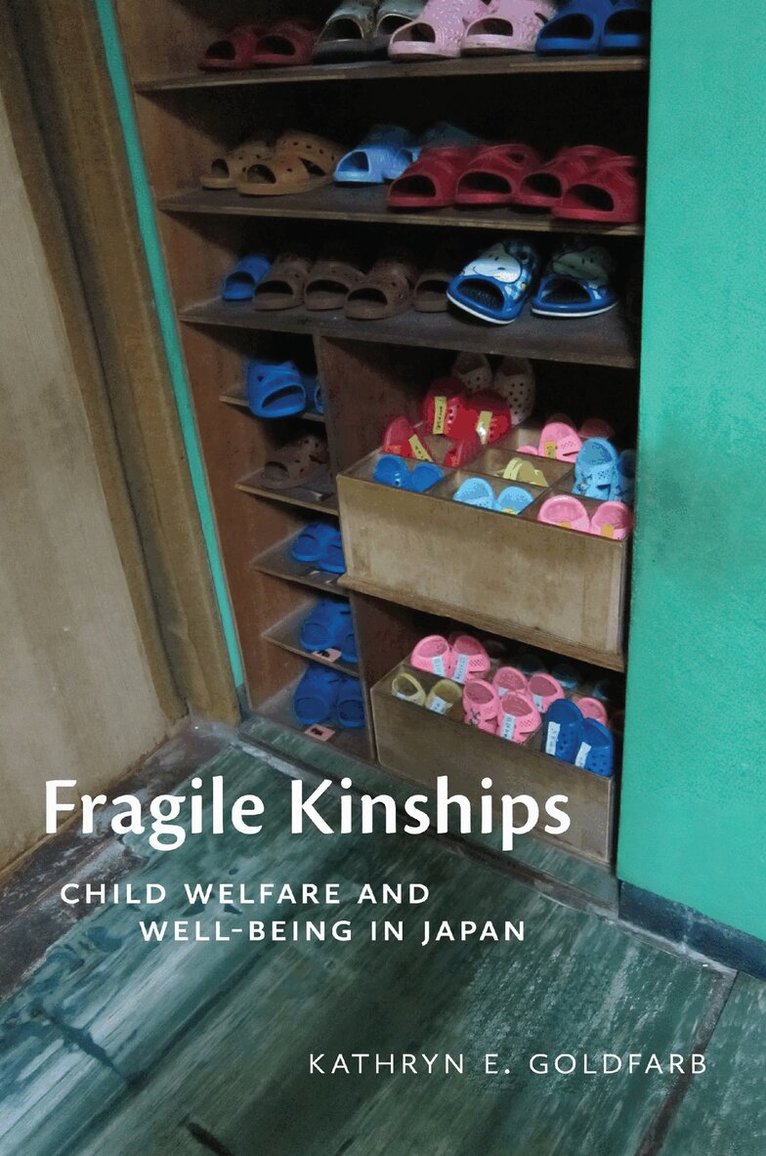
In Fragile Kinships, Kathryn E. Goldfarb shows how child welfare systems do not always generate well-being. This is true across the world, as it is in Japan. Policymakers, caregivers, and people with experience in state care endeavor to imagine—and implement—child welfare systems that are genuinely supportive. Yet despite these efforts, social welfare systems too often produce people who are alone. By centering relationality in theorizing social forms of care, Fragile Kinships offers key insights into embodied and socioemotional well-being. Goldfarb analyzes both the feelings and effects of lacking kin, and the transformative energy people invest in creating new forms of kinship and relatedness. Fragile Kinships demonstrates why welfare systems must support relational well-being. In her contributions to anthropological theories of kinship, embodiment, and the field of Japanese studies, Goldfarb also speaks to academics, practitioners, and policymakers in Japan and globally with ethnographically grounded perspectives suggesting ways that child welfare systems might truly achieve wellbeing.
415 kr
Skickas inom 7-10 vardagar
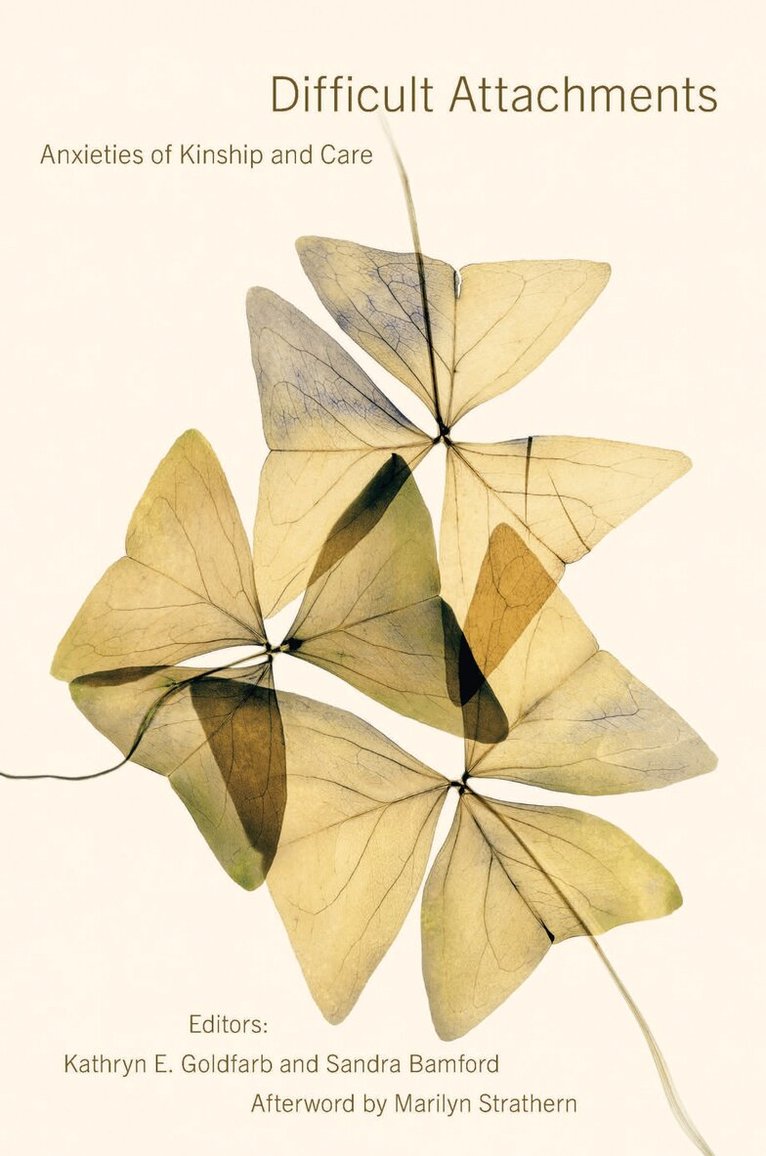
Anthropologists have long considered kinship as the basis for social solidarity. Indeed, the idea that kinship is grounded in positive sociality has found its way into most anthropological accounts and has served as an orienting framework directing decades of scholarly research. But what about when it is not? What about instances when kinship is anything but ‘warm and fuzzy’ but is characterized, instead, by neglect, violence, negative affect, or a lack of nurturance and care? In the three interlinked sections of this volume, the view that kinship is about “solidarity” and “care” is challenged by exploring how kin relations are not only about connection and inclusion but also about disconnection, exclusion, neglect, and violence. Kinship relationships that feel “positive” and “good” take a great deal of perseverance and work; there is nothing “natural” about kinship ties as being based on positive sociality. In these chapters, the contributors take seriously the contingency of kinship relations (the moments when kinship breaks down or is a source of suffering) and how this prompts scholars to develop new theoretical and methodological perspectives.
1 633 kr
Skickas
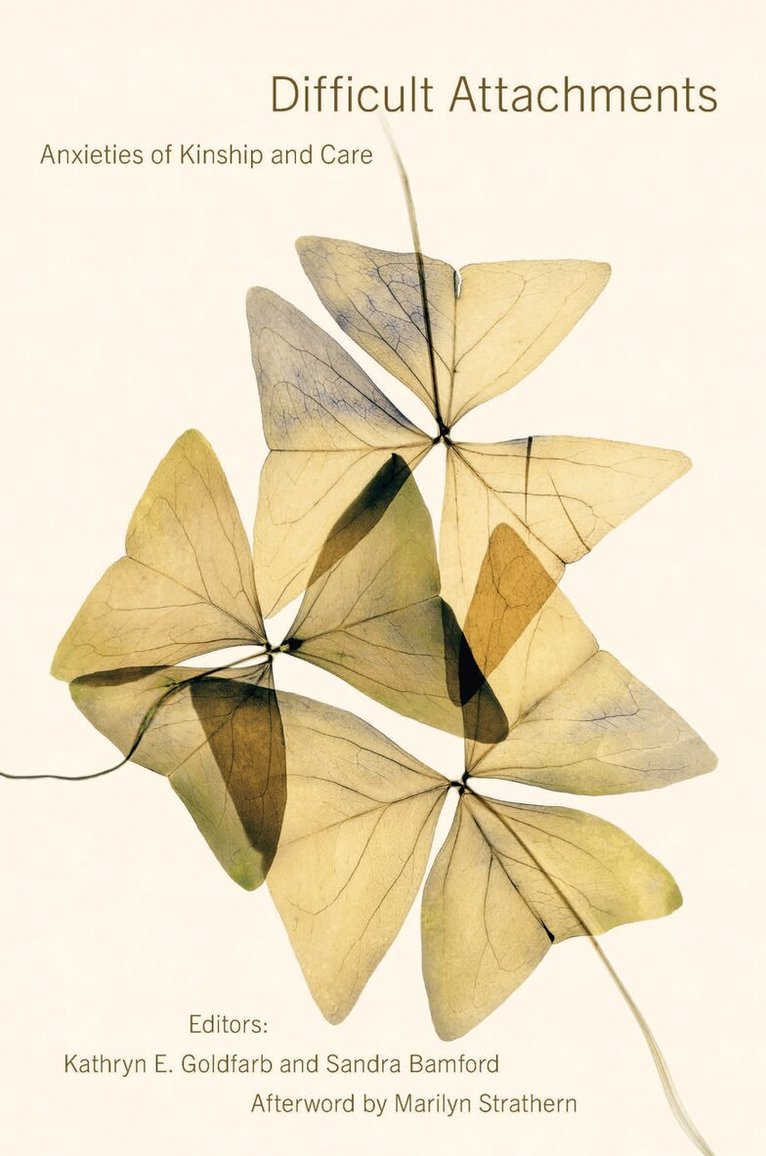
Anthropologists have long considered kinship as the basis for social solidarity. Indeed, the idea that kinship is grounded in positive sociality has found its way into most anthropological accounts and has served as an orienting framework directing decades of scholarly research. But what about when it is not? What about instances when kinship is anything but ‘warm and fuzzy’ but is characterized, instead, by neglect, violence, negative affect, or a lack of nurturance and care? In the three interlinked sections of this volume, the view that kinship is about “solidarity” and “care” is challenged by exploring how kin relations are not only about connection and inclusion but also about disconnection, exclusion, neglect, and violence. Kinship relationships that feel “positive” and “good” take a great deal of perseverance and work; there is nothing “natural” about kinship ties as being based on positive sociality. In these chapters, the contributors take seriously the contingency of kinship relations (the moments when kinship breaks down or is a source of suffering) and how this prompts scholars to develop new theoretical and methodological perspectives.