Kathryn J. Shively – författare
Visar alla böcker från författaren Kathryn J. Shively. Handla med fri frakt och snabb leverans.
7 produkter
7 produkter
E-bok
Engelska, 2013347 kr
Läs direkt efter köp
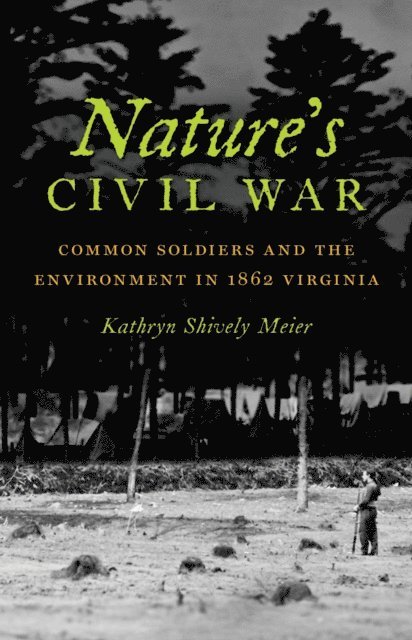
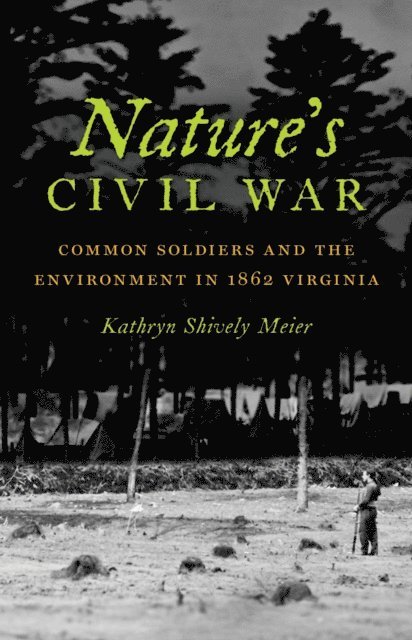
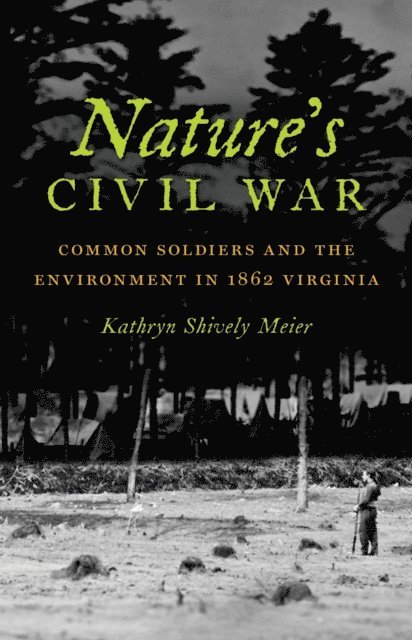
In the Shenandoah Valley and Peninsula Campaigns of 1862, Union and Confederate soldiers faced unfamiliar and harsh environmental conditions — strange terrain, tainted water, swarms of flies and mosquitoes, interminable rain and snow storms, and oppressive heat — which contributed to escalating disease and diminished morale. Using soldiers'' letters, diaries, and memoirs, plus a wealth of additional personal accounts, medical sources, newspapers, and government documents, Kathryn Shively Meier reveals how these soldiers strove to maintain their physical and mental health by combating their deadliest enemy — nature.Meier explores how soldiers forged informal networks of health care based on prewar civilian experience and adopted a universal set of self-care habits, including boiling water, altering camp terrain, eradicating insects, supplementing their diets with fruits and vegetables, constructing protective shelters, and most controversially, straggling. In order to improve their health, soldiers periodically had to adjust their ideas of manliness, class values, and race to the circumstances at hand. While self-care often proved superior to relying upon the inchoate military medical infrastructure, commanders chastised soldiers for testing army discipline, ultimately redrawing the boundaries of informal health care.
E-bok
PDF, Engelska, 20131 299 kr
Läs direkt efter köp
In the Shenandoah Valley and Peninsula Campaigns of 1862, Union and Confederate soldiers faced unfamiliar and harsh environmental conditions--strange terrain, tainted water, swarms of flies and mosquitoes, interminable rain and snow storms, and oppressive heat--which contributed to escalating disease and diminished morale. Using soldiers'' letters, diaries, and memoirs, plus a wealth of additional personal accounts, medical sources, newspapers, and government documents, Kathryn Shively Meier reveals how these soldiers strove to maintain their physical and mental health by combating their deadliest enemy--nature.Meier explores how soldiers forged informal networks of health care based on prewar civilian experience and adopted a universal set of self-care habits, including boiling water, altering camp terrain, eradicating insects, supplementing their diets with fruits and vegetables, constructing protective shelters, and most controversially, straggling. In order to improve their health, soldiers periodically had to adjust their ideas of manliness, class values, and race to the circumstances at hand. While self-care often proved superior to relying upon the inchoate military medical infrastructure, commanders chastised soldiers for testing army discipline, ultimately redrawing the boundaries of informal health care.
Inbunden, Engelska, 2025
402 kr
Skickas inom 5-8 vardagar
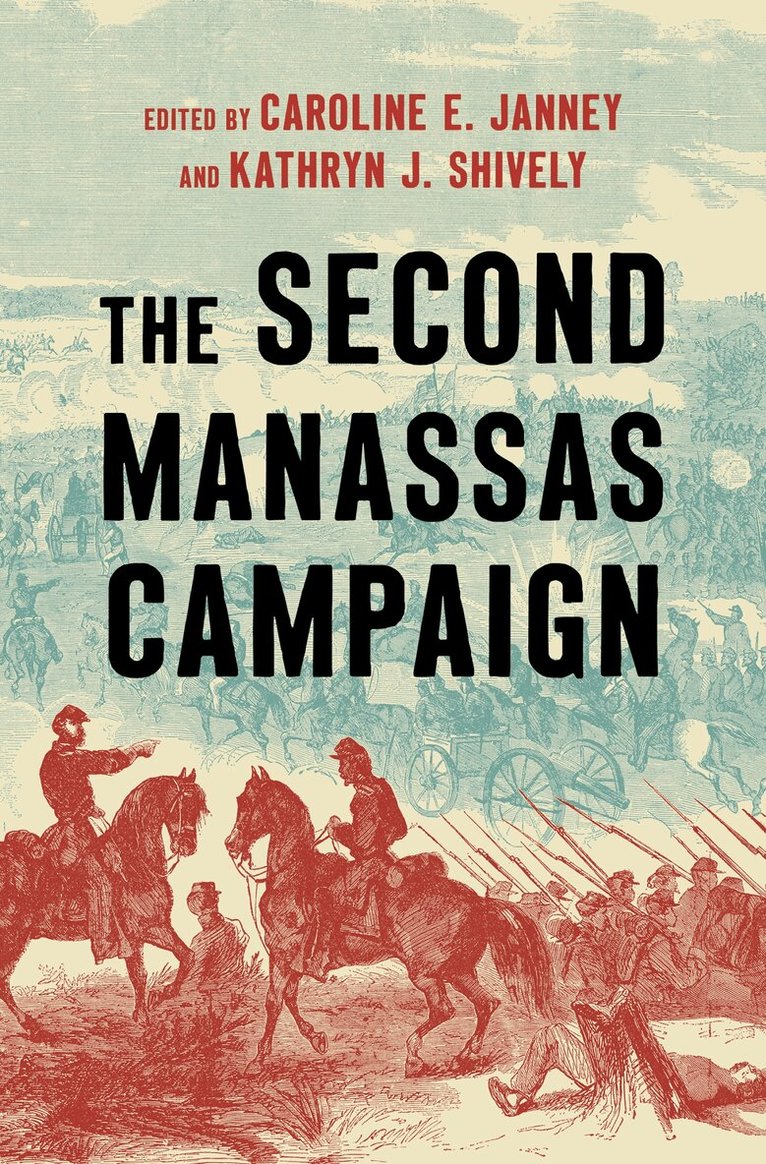
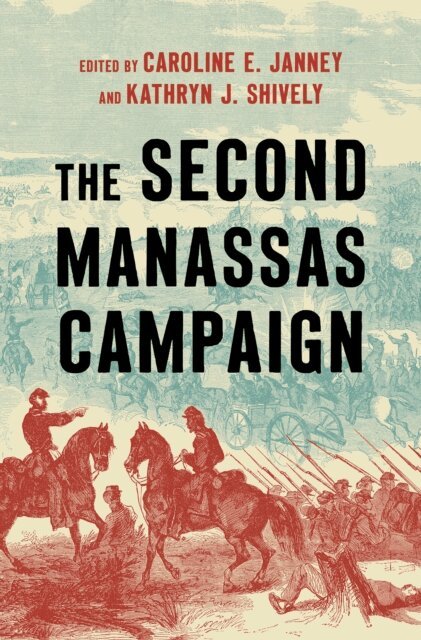
Waged from June 26 to September 1, 1862, the Second Manassas campaign pitted the US Armies of Virginia and the Potomac against the Confederate Army of Northern Virginia and its new commander, Robert E. Lee. The campaign unfolded against a backdrop of momentous US political decisions regarding confiscation, emancipation, and Confederate civilians. These decisions dismayed and energized Confederates, sparking the debut of Lee's offensive strategy. Weeks of strategic movements were punctuated by savage fighting that culminated in a climactic battle from August 28-30. Second Manassas destroyed the careers of US army commander John Pope and corps commander Fitz John Porter. Despite the dramatic impact of the campaign, it is often forgotten in the larger history of the Civil War, and sorely understudied. The essays in this volume provide valuable attention to matters of strategy, tactics, and logistics; the performances of key commanders on each side; the campaign's political dimensions; the connections between home front and battlefield; and the memory of the campaign's aftermath.Contributors include John Hennessy, Gary W. Gallagher, Cecily N. Zander, Peter C. Luebke, James Marten, Keith S. Bohannon, and William Marvel.
E-bok
Engelska, 20252 164 kr
Läs direkt efter köp
Waged from June 26 to September 1, 1862, the Second Manassas campaign pitted the US Armies of Virginia and the Potomac against the Confederate Army of Northern Virginia and its new commander, Robert E. Lee. The campaign unfolded against a backdrop of momentous US political decisions regarding confiscation, emancipation, and Confederate civilians. These decisions dismayed and energized Confederates, sparking the debut of Lee’s offensive strategy. Weeks of strategic movements were punctuated by savage fighting that culminated in a climactic battle on August 28–30. Second Manassas destroyed the careers of US army commander John Pope and corps commander Fitz John Porter. Despite the dramatic impact of the campaign, it is often forgotten in the larger history of the Civil War, and sorely understudied. The essays in this volume provide valuable attention to strategy, tactics, and logistics; the performances of key commanders on each side; the campaign’s political dimensions; the connections between home front and battlefield; and the memory of the campaign’s aftermath.Contributors include Keith S. Bohannon, Gary W. Gallagher, John J. Hennessy, Peter C. Luebke, James Marten, William Marvel, and Cecily Zander.
E-bok
PDF, Engelska, 20252 164 kr
Läs direkt efter köp
Waged from June 26 to September 1, 1862, the Second Manassas campaign pitted the US Armies of Virginia and the Potomac against the Confederate Army of Northern Virginia and its new commander, Robert E. Lee. The campaign unfolded against a backdrop of momentous US political decisions regarding confiscation, emancipation, and Confederate civilians. These decisions dismayed and energized Confederates, sparking the debut of Lee’s offensive strategy. Weeks of strategic movements were punctuated by savage fighting that culminated in a climactic battle on August 28–30. Second Manassas destroyed the careers of US army commander John Pope and corps commander Fitz John Porter. Despite the dramatic impact of the campaign, it is often forgotten in the larger history of the Civil War, and sorely understudied. The essays in this volume provide valuable attention to strategy, tactics, and logistics; the performances of key commanders on each side; the campaign’s political dimensions; the connections between home front and battlefield; and the memory of the campaign’s aftermath.Contributors include Keith S. Bohannon, Gary W. Gallagher, John J. Hennessy, Peter C. Luebke, James Marten, William Marvel, and Cecily Zander.
E-bok
PDF, Engelska, 2013277 kr
Läs direkt efter köp
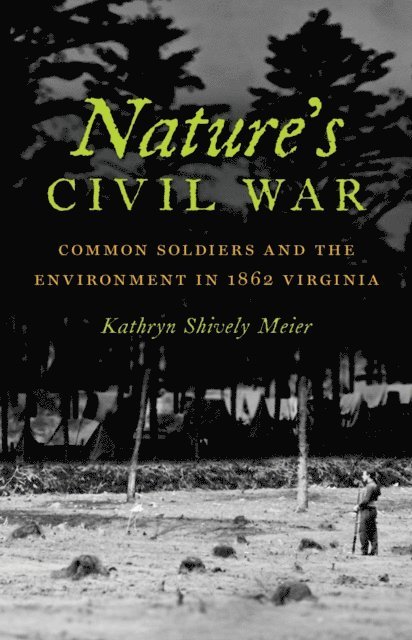
In the Shenandoah Valley and Peninsula Campaigns of 1862, Union and Confederate soldiers faced unfamiliar and harsh environmental conditions — strange terrain, tainted water, swarms of flies and mosquitoes, interminable rain and snow storms, and oppressive heat — which contributed to escalating disease and diminished morale. Using soldiers'' letters, diaries, and memoirs, plus a wealth of additional personal accounts, medical sources, newspapers, and government documents, Kathryn Shively Meier reveals how these soldiers strove to maintain their physical and mental health by combating their deadliest enemy — nature.Meier explores how soldiers forged informal networks of health care based on prewar civilian experience and adopted a universal set of self-care habits, including boiling water, altering camp terrain, eradicating insects, supplementing their diets with fruits and vegetables, constructing protective shelters, and most controversially, straggling. In order to improve their health, soldiers periodically had to adjust their ideas of manliness, class values, and race to the circumstances at hand. While self-care often proved superior to relying upon the inchoate military medical infrastructure, commanders chastised soldiers for testing army discipline, ultimately redrawing the boundaries of informal health care.
E-bok
PDF, Engelska, 20131 088 kr
Läs direkt efter köp
In the Shenandoah Valley and Peninsula Campaigns of 1862, Union and Confederate soldiers faced unfamiliar and harsh environmental conditions — strange terrain, tainted water, swarms of flies and mosquitoes, interminable rain and snow storms, and oppressive heat — which contributed to escalating disease and diminished morale. Using soldiers'' letters, diaries, and memoirs, plus a wealth of additional personal accounts, medical sources, newspapers, and government documents, Kathryn Shively Meier reveals how these soldiers strove to maintain their physical and mental health by combating their deadliest enemy — nature.Meier explores how soldiers forged informal networks of health care based on prewar civilian experience and adopted a universal set of self-care habits, including boiling water, altering camp terrain, eradicating insects, supplementing their diets with fruits and vegetables, constructing protective shelters, and most controversially, straggling. In order to improve their health, soldiers periodically had to adjust their ideas of manliness, class values, and race to the circumstances at hand. While self-care often proved superior to relying upon the inchoate military medical infrastructure, commanders chastised soldiers for testing army discipline, ultimately redrawing the boundaries of informal health care.