Kathryn Wellen - Böcker
Visar alla böcker från författaren Kathryn Wellen. Handla med fri frakt och snabb leverans.
2 produkter
2 produkter
473 kr
Skickas inom 10-15 vardagar
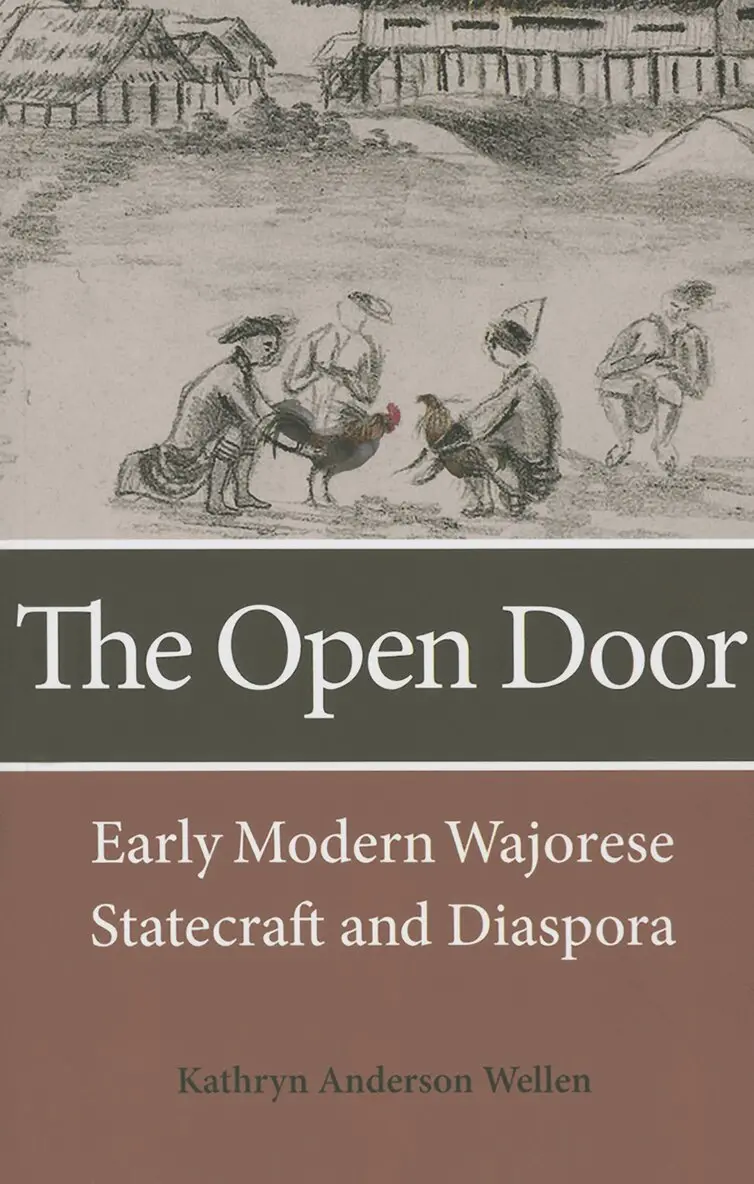
The Wajorese people were one of many groups that spread across Indonesian during the early modern era. In the wake of the Makassar War (1666–1669), the Dutch took control of Makassar on the Indonesian island of Sulawesi and used it to consolidate their power in the region. Because the Wajorese had sided with the war's losers, they were treated very harshly and many opted to emigrate. They scattered far and wide across the Southeast Asian archipelago, settling in eastern Kalimantan, western Sumatra, the Straits of Malacca, and the Sulawesian port city of Makassar. Wellen reconstructs the fascinating and little-told story of the Wajorese diaspora. Wajorese migrants exhibited remarkable versatility in adapting to local conditions in the areas where they settled. They perpetuated their own culture overseas while simultaneously using various assimilation strategies such as intermarriage to thrive in their adopted homelands. Relations between Wajorese migrants and their homeland intensified in the early 18th century when successive rulers in Wajoq deliberately sought to harness the growing military and commercial potential of the migrant communities. This effort culminated in the 1730s when the exiled La Maddukelleng, an Indonesian national hero, returned to Makassar from neighboring eastern Kalimantan and attempted to expel the Dutch from South Sulawesi. His campaign exemplifies the manner in which overseas Wajorese remained an essential part of Wajoq long after they left home. The Open Door's strong thematic organization allows readers with specific interests such as commercial law, family networks, diaspora, and comparative politics to quickly find fascinating and relevant information about this lesser-known Southeast Asian society.
Warring Societies of Pre-Colonial Southeast Asia
Local Cultures of Conflict Within a Regional Context
Häftad, Engelska, 2017
304 kr
Skickas inom 7-10 vardagar
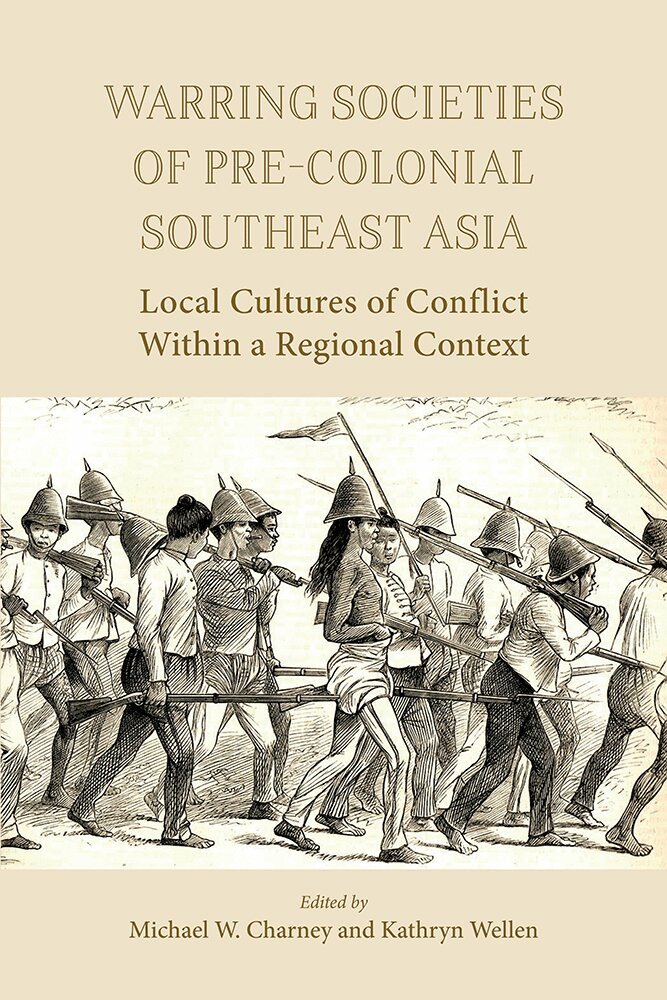
Why is it that warfare in Southeast Asian history is depicted so differently in various historical sources and representations? Why have scholars looking at different countries found so many exceptions to regional overviews of warfare?This fascinating volume seeks to present a new approach to the study of warfare in the region by abandoning the generalizations made in the conventional literature. The contributors offer a range of new studies of warfare in local areas within the region, looking at warfare on its own, local terms rather than for what it says about warfare in the region as a whole. This approach for the first time submits Southeast Asia to comparative analysis in a way that avoids artificial and misleading regional attributes. The varied case studies - researched and written by a number of experts of local warfare within the region - include naval warfare in eighteenth century Vietnam, civil war in South Sulawesi during the Pénéki War, the art and texts of war in Burmese warfare, modes of warfare in pre-colonial Bali, war captive taking in Thailand, kinship, religion, and war in late eighteenth century Maguindanao, and preparations for war in the Pacific rimlands.The volume makes an important contribution to the new literature emerging on the culture of indigenous warfare in North and South America, Africa, South Asia, the Middle East, and the Pacific Islands, by offering a new and robust Southeast Asian entry on the one hand while adding to a new approach to the growing literature on early modern Southeast Asia warfare.