Kay Graber - Böcker
Visar alla böcker från författaren Kay Graber. Handla med fri frakt och snabb leverans.
3 produkter
3 produkter
162 kr
Skickas inom 10-15 vardagar
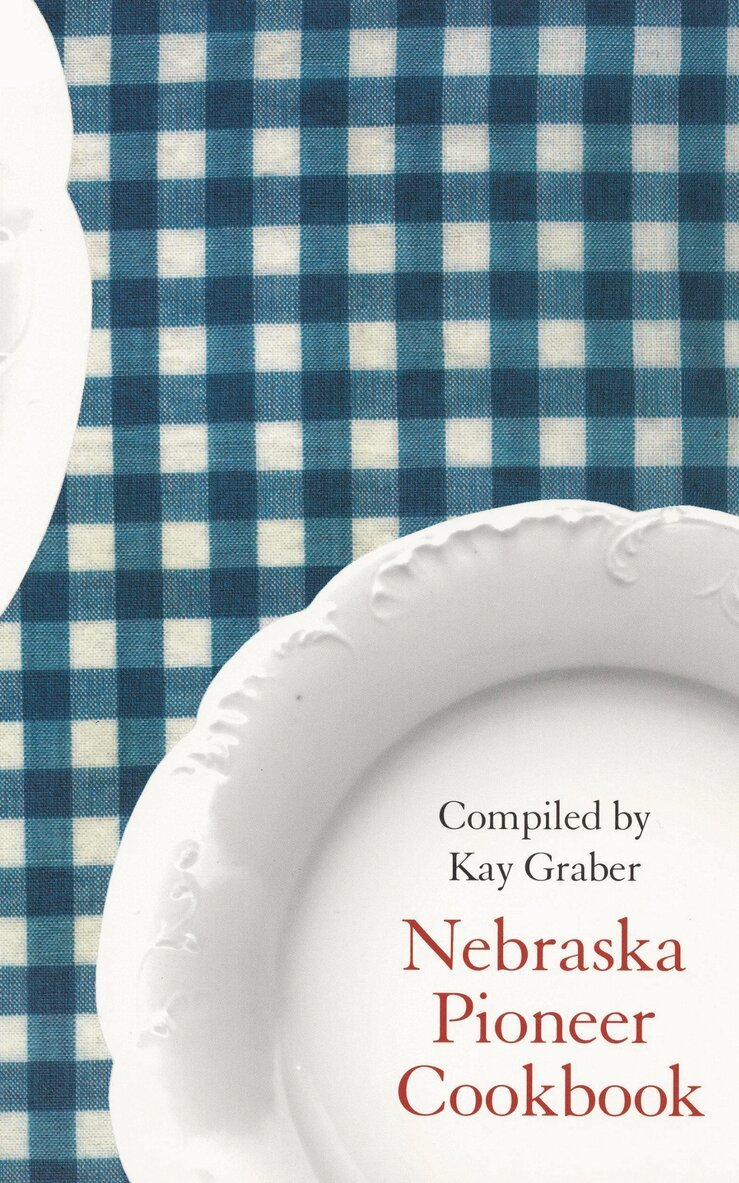
Pemmican and pickled plums, sauerkraut and salmi of quail, Swedish flatbread and Bohemian kolaches and Danish meat roll, dishes familiar and foods exotic-you'll find them in this cook's tour of the state from Lewis and Clark to the Age of Elegance, for in its cuisine as in its weather Nebraska is a land of variety and extremes. Interspersed with the recipes are descriptions of food preparation and fare which tell us much about how our forebears lived-industriously, ingeniously, and sometimes very well. Although many of the recipes could not be duplicated in today's kitchens, there is plenty here to challenge and stimulate amateur and professional chefs-and plenty of food for thought for social historians.
186 kr
Skickas inom 10-15 vardagar
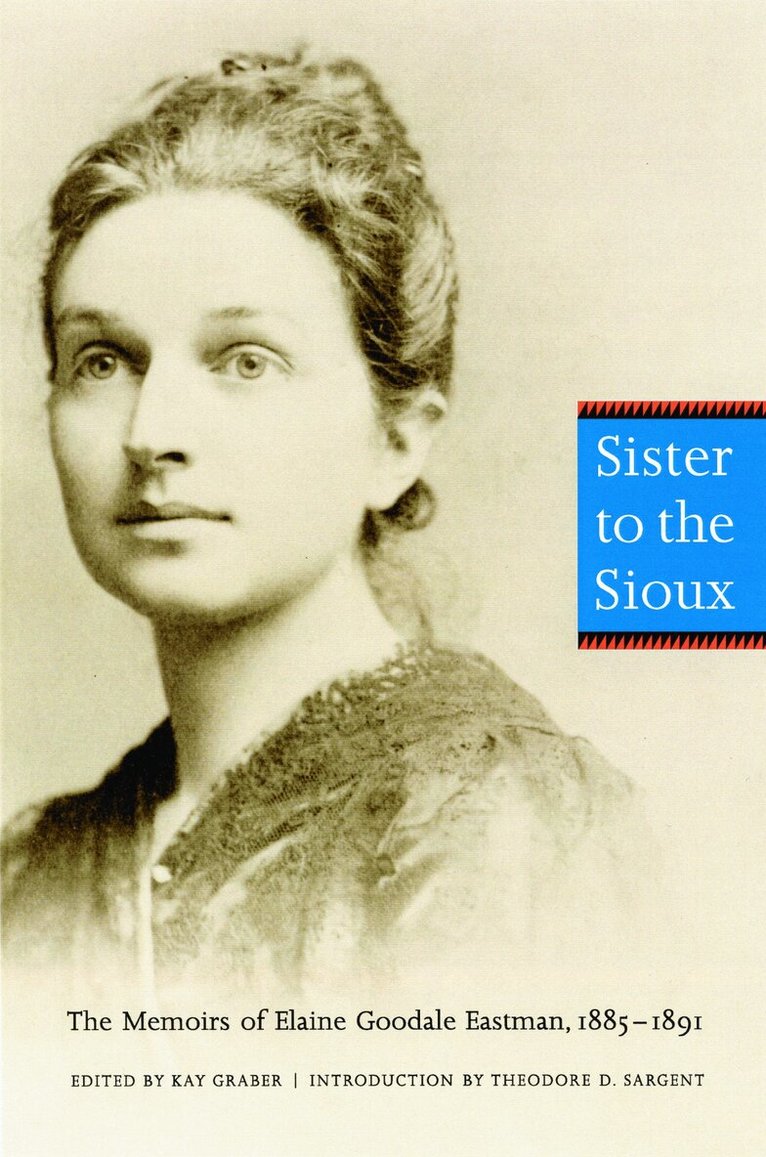
In 1885 a genteel New England girl traveled to the western frontier to open a school on the Great Sioux Reservation. For six years, Elaine Goodale Eastman taught, hunted with, and lived among the Lakotas, who were experiencing profound changes as buffalo herds dwindled and they were forced to adjust to reservation life. Her informative and sometimes poignant recollections of those years tell much about the daily lives of the Lakotas and how they grappled with challenges to their way of life. Goodale Eastman witnessed the arrival and flowering of the Ghost Dance religion, visited with Sitting Bull shortly before his death, and in December 1890 was at Pine Ridge, where she and her future husband, Dr. Charles Eastman, cared for the survivors of the Wounded Knee massacre. Sister to the Sioux bears witness to a critical and tragic era in Lakota history and reveals the frequently contradictory attitudes of outsiders drawn to them.
157 kr
Skickas inom 10-15 vardagar
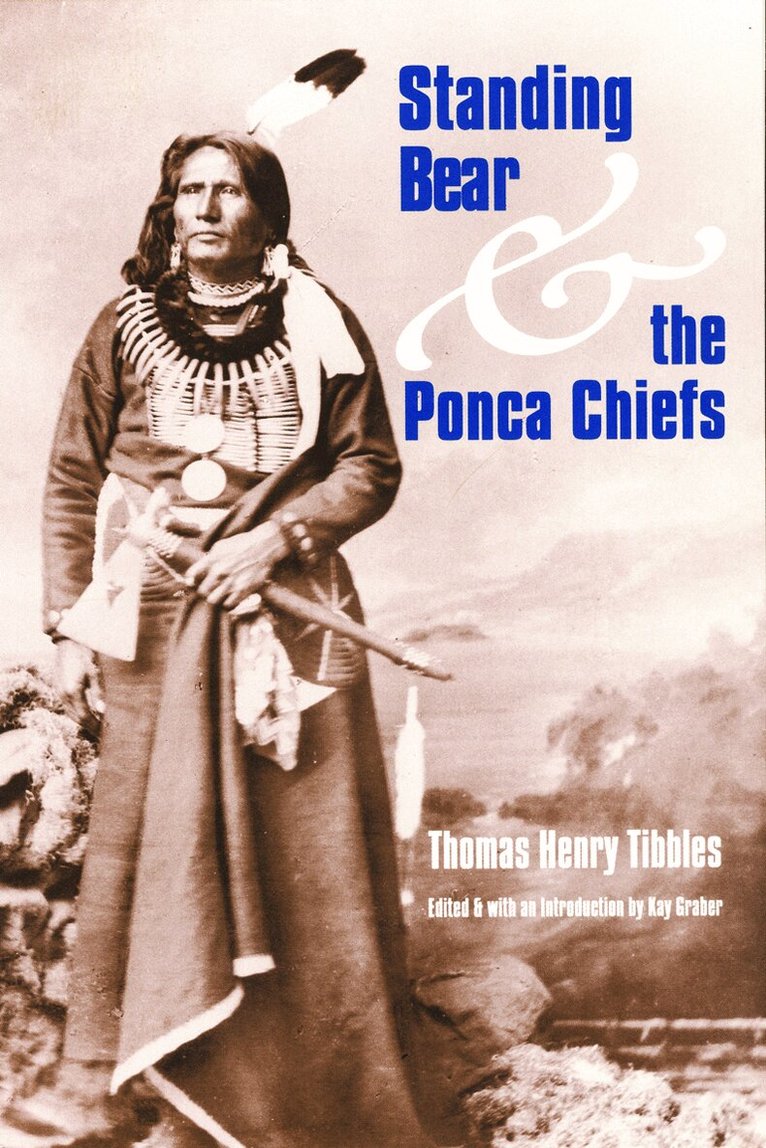
Standing Bear was a chieftain of the Ponca Indian tribe, which farmed and hunted peacefully along the Niobrara River in northeastern Nebraska. In 1878 the Poncas were forced by the federal government to move to Indian Territory. During the year they were driven out, 158 out of 730 died, including Standing Bear's young son, who had begged to be buried on the Niobrara. Early in 1879 the chief, accompanied by a small band, defied the federal government by returning to the ancestral home with the boy's body. At the end of ten weeks of walking through winter cold, they were arrested. However, General George Crook, touched by their "pitiable condition," turned for help to Thomas H. Tibbles, a crusading newspaperman on the Omaha Daily Herald, who rallied public support. Citing the Fourteenth Amendment, Standing Bear brought suit against the federal government. The resulting trial first established Indians as persons within the meaning of the law. At the end of his testimony, Standing Bear held out his hand to the judge and pleaded for recognition of his humanity: "My hand is not the color of yours, but if I pierce it, I shall feel pain. If you pierce your hand, you also feel pain. The blood that will flow from mine will be of the same color as yours. I am a man. The same God made us both.