Keith L. Bryant Jr. - Böcker
Visar alla böcker från författaren Keith L. Bryant Jr.. Handla med fri frakt och snabb leverans.
4 produkter
4 produkter
392 kr
Skickas inom 10-15 vardagar
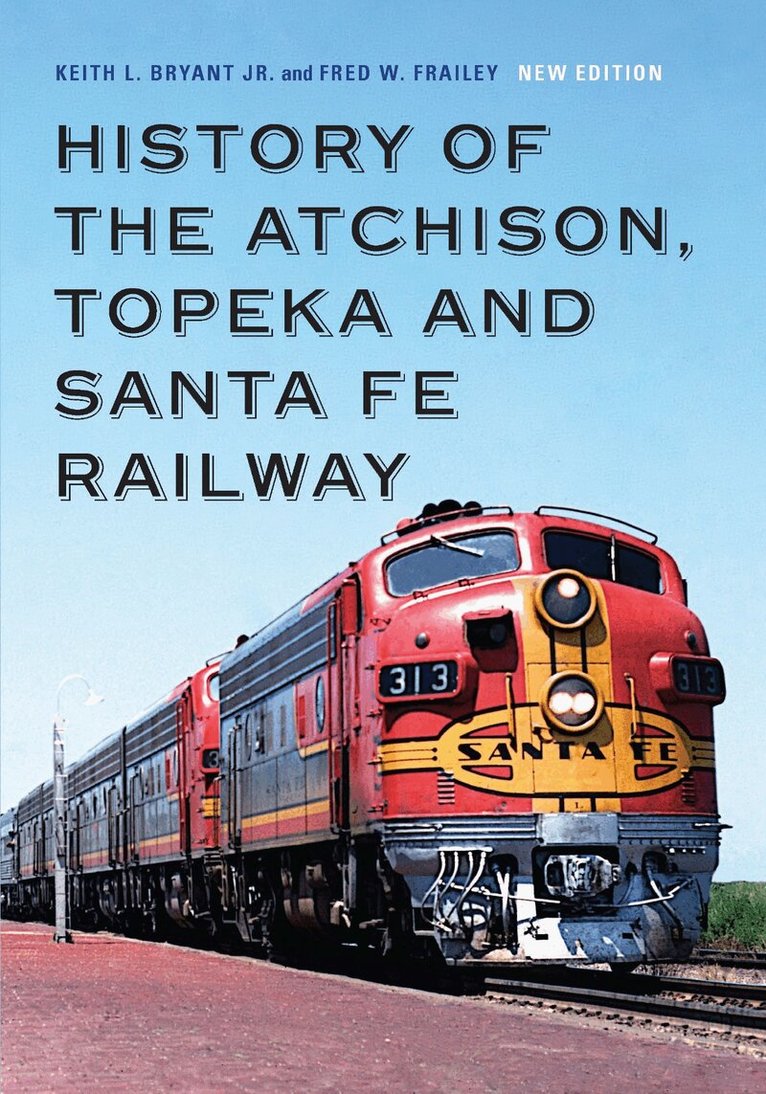
If you want an interesting look at railroading plus the social, financial, and political times over 130 years of America, consider this well-researched and documented book.-Stan Moore, Denver Posse of WesternersCyrus K. Holliday envisioned a railroad that would run from Kansas to the Pacific, increasing the commerce and prosperity of the nation. With farsighted investors and shrewd management, the Atchison, Topeka and Santa Fe Railway grew from Holliday’s idea into a model of the modern, rapid, and efficient railroad. There were many growing pains early on, including rustlers, thieves, and desperadoes as well as the nineteenth century’s economic and climatic hardships. The railroad eventually extended from Chicago to San Francisco, with substantial holdings in oil fields, timber land, uranium mines, pipelines, and real estate.This is the first comprehensive history of the iconic Atchison, Topeka and Santa Fe Railway, from its birth in 1859 to its termination in 1996. This volume discusses the construction and operation of the railway, the strategies of its leaders, the evolution of its locomotive fleet, and its famed passenger service with partner Fred Harvey. The vast changes within the nation’s railway system led to a merger with the Burlington Northern and the creation of the BNSF Railway.An iconic railroad, the Santa Fe at its peak operated thirteen thousand miles of routes and served the southwestern region of the nation with the corporate slogan “Santa Fe All the Way.” This new edition covers almost twenty-five more years of history, including the merger of the Santa Fe and Burlington Northern railroads and new material on labor, minorities, and women on the carrier along with new and updated maps and photographs.
214 kr
Skickas inom 5-8 vardagar
William H. (Alfalfa Bill) Murray is the most important figure in the political history of Oklahoma. No other individual contributed so greatly to the formation of its political institutions - and there was never a more colorful or controversial character on the state's political scene. Flamboyant, unpredictable, and stubborn, Alfalfa Bill became a legend.President of the Oklahoma Constitutional Convention, speaker of the first House of Representatives, two-term congressman, and governor of Oklahoma, the Texas-born Murray made an indelible mark on his adopted state. But he also made enemies. During the struggle for statehood he waged a hard battle over the constitution, taking on President Theodore Roosevelt and Secretary of War William Howard Taft.As Oklahoma governor, Murray challenged the oil industry, newspaper interests, and the state of Texas. To enforce his programs, he relied on the National Guard. While governor, Murray called out the guard forty-seven times for duties ranging from policing ticket sales at University of Oklahoma football games, to patrolling oil fields, to guarding the Red River Bridge during the infamous Bridge War with Texas.In 1932 he ran for the Democratic nomination for president, and his fame spread across the nation. When candidate Franklin D. Roosevelt offered a program for national recovery, Murray countered with ""Bread, Butter, Bacon, and Beans.""In describing Murray's frustrated efforts to preserve the agricultural American of the nineteenth century, Bryant has written a perceptive biography presenting the first clearly defined portrait of this determined but inflexible man.
557 kr
Skickas inom 10-15 vardagar
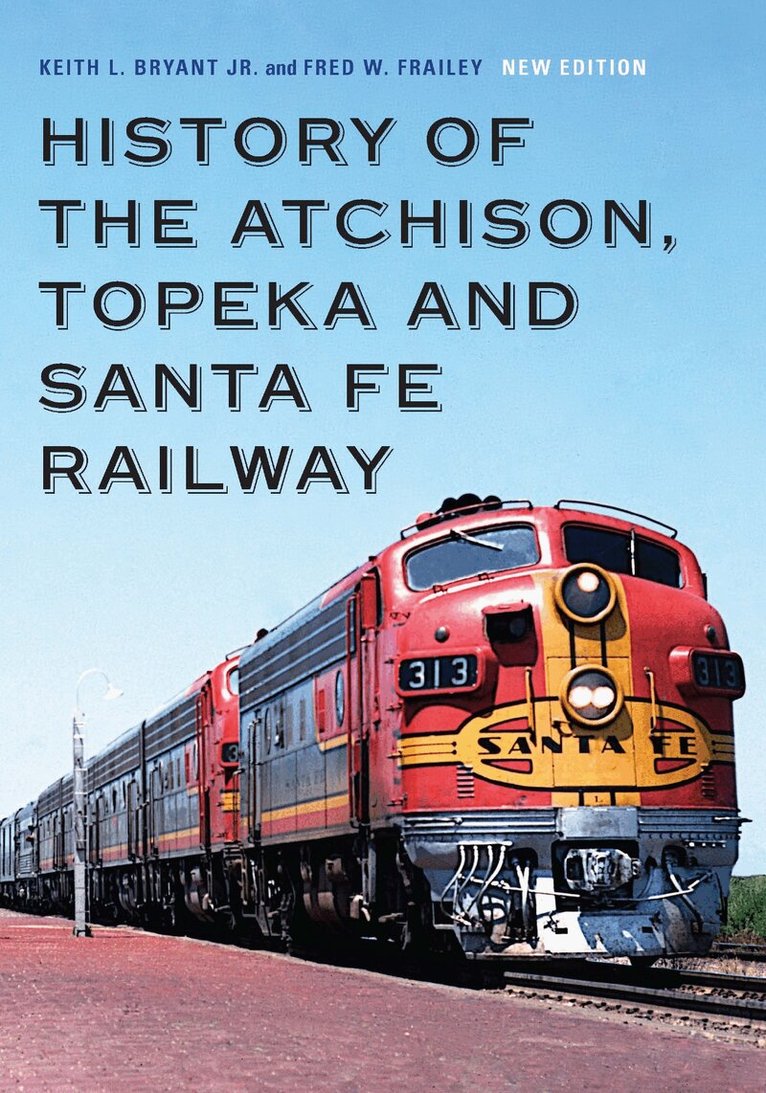
If you want an interesting look at railroading plus the social, financial, and political times over 130 years of America, consider this well-researched and documented book.-Stan Moore, Denver Posse of WesternersCyrus K. Holliday envisioned a railroad that would run from Kansas to the Pacific, increasing the commerce and prosperity of the nation. With farsighted investors and shrewd management, the Atchison, Topeka and Santa Fe Railway grew from Holliday’s idea into a model of the modern, rapid, and efficient railroad. There were many growing pains early on, including rustlers, thieves, and desperadoes as well as the nineteenth century’s economic and climatic hardships. The railroad eventually extended from Chicago to San Francisco, with substantial holdings in oil fields, timber land, uranium mines, pipelines, and real estate.This is the first comprehensive history of the iconic Atchison, Topeka and Santa Fe Railway, from its birth in 1859 to its termination in 1996. This volume discusses the construction and operation of the railway, the strategies of its leaders, the evolution of its locomotive fleet, and its famed passenger service with partner Fred Harvey. The vast changes within the nation’s railway system led to a merger with the Burlington Northern and the creation of the BNSF Railway.An iconic railroad, the Santa Fe at its peak operated thirteen thousand miles of routes and served the southwestern region of the nation with the corporate slogan “Santa Fe All the Way.” This new edition covers almost twenty-five more years of history, including the merger of the Santa Fe and Burlington Northern railroads and new material on labor, minorities, and women on the carrier along with new and updated maps and photographs.
268 kr
Skickas inom 10-15 vardagar
If the Southwest is known for its distinctive regional culture, it is not only the indigenous influences that make it so. As Anglo Americans moved into the territories of the greater Southwest, they brought with them a desire to reestablish the highest culture of their former homes: opera, painting, sculpture, architecture, and literature. But their inherited culture was altered, challenged, and reshaped by Native American and Hispanic peoples, and a new, vibrant cultural life resulted. From Houston to Los Angeles, from Tulsa to Tucson, Keith L. Bryant traces the development of ""high culture"" in the Southwest.Humans create culture, but in the Southwest, Bryant argues, the land itself has also influenced that creation. ""Incredible light, natural grandeur, . . . and a geography at once beautiful and yet brutal molded societies that sprang from unique cultural sources."" The peoples of the American Southwest share a regional consciousness—an experience of place—that has helped to create a unified, but not homogenized, Southwestern culture.Bryant also examines a paradox of Southwestern cultural life. Southwesterners take pride in their cultural distinctiveness, yet they struggled to win recognition for their achievements in ""high culture."" A dynamic tension between those seeking to re-create a Western European culture and those desiring one based on regional themes and resources continues to stimulate creativity.Decade by decade and city by city, Bryant charts the growth of cultural institutions and patronage as he describes the contributions of artists and performers and of the elites who support them. Bryant focuses on the significant role women played as leaders in the formation of cultural institutions and as writers, artists, and musicians. The text is enhanced by more than fifty photographs depicting the interplay between the people and the land and the culture that has resulted.