
Kenneth J Perkins – författare
Visar alla böcker från författaren Kenneth J Perkins. Handla med fri frakt och snabb leverans.
4 produkter
4 produkter
2 133 kr
Skickas inom 10-15 vardagar
In 1904, only the unimposing tomb of a local holy man occupied the site chosen by British officials for the construction of a modern seaport to facilitate the Anglo-Egyptian Sudan's expanded commerce. Built where no urban center had previously existed, Port Sudan was the quintessential colonial city, created and designed by Europeans, who organized its municipal services and devised the regulations for its day-to-day management. The advantages of a created city were clear: The colonial government did not need to accommodate an indigenous urban population with its own existing social structures, institutions, and cultural values. This study examines the efforts of Port Sudan's builders and early administrators to tailor the urban environment to their own notions of the ideal colonial city–how it should look, how it should function, and how its human components should interact. It then focuses on the inter-war period, describing how the rapid growth of Port Sudan and its harbor posed insurmountable challenges to the maintenance of this ideal. Although the Sudanese population within the city steadily increased, their exclusion from any meaningful participation in municipal affairs during these troubled years left them physically and psychologically isolated. The situation began to change after World War II, but, as the study reveals, conditions in the post-war era only compounded long-standing political, economic, and social problems in Port Sudan, ensuring that the city the Sudanese inherited in 1956 still bore the marks of its colonial origins.
624 kr
Skickas inom 10-15 vardagar
In 1904, only the unimposing tomb of a local holy man occupied the site chosen by British officials for the construction of a modern seaport to facilitate the Anglo-Egyptian Sudan's expanded commerce. Built where no urban center had previously existed, Port Sudan was the quintessential colonial city, created and designed by Europeans, who organized its municipal services and devised the regulations for its day-to-day management. The advantages of a created city were clear: The colonial government did not need to accommodate an indigenous urban population with its own existing social structures, institutions, and cultural values. This study examines the efforts of Port Sudan's builders and early administrators to tailor the urban environment to their own notions of the ideal colonial city–how it should look, how it should function, and how its human components should interact. It then focuses on the inter-war period, describing how the rapid growth of Port Sudan and its harbor posed insurmountable challenges to the maintenance of this ideal. Although the Sudanese population within the city steadily increased, their exclusion from any meaningful participation in municipal affairs during these troubled years left them physically and psychologically isolated. The situation began to change after World War II, but, as the study reveals, conditions in the post-war era only compounded long-standing political, economic, and social problems in Port Sudan, ensuring that the city the Sudanese inherited in 1956 still bore the marks of its colonial origins.
1 349 kr
Skickas inom 10-15 vardagar
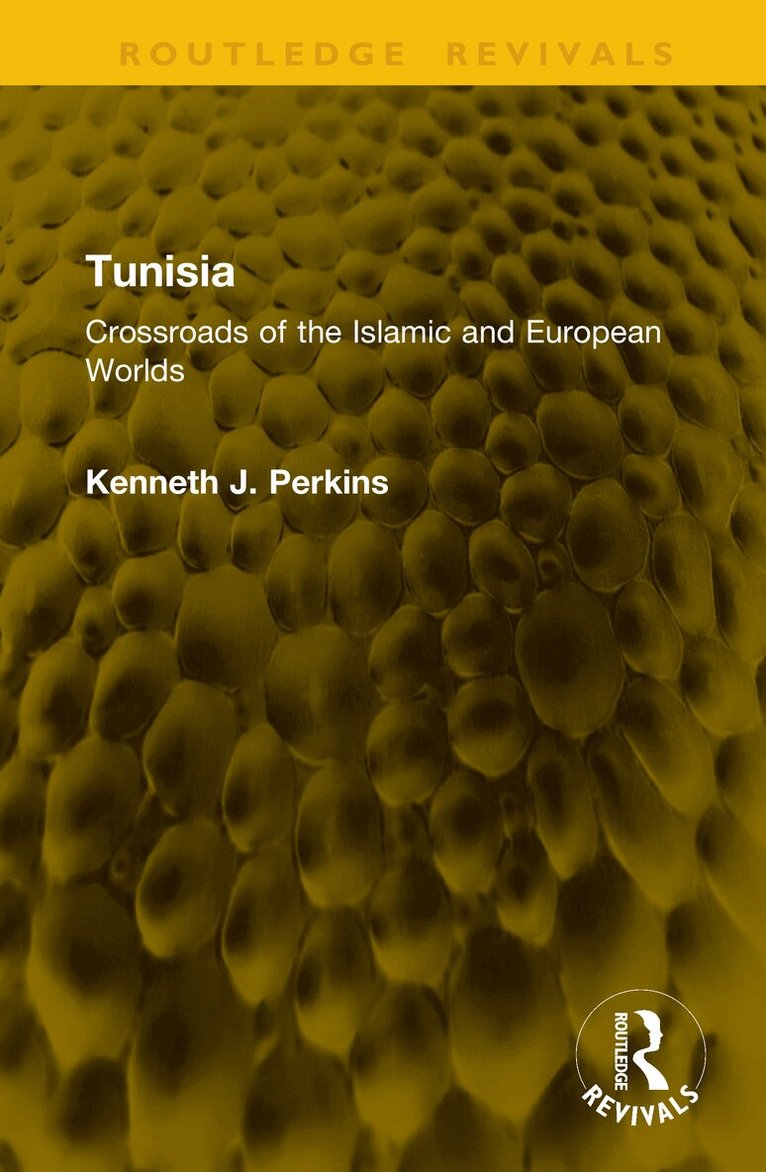
First published in 1986, Tunisia: Crossroads of the Islamic and European Worlds presents a comprehensive overview of Tunisian history along with its political and governmental structures and the role of Habib Bourguiba and other nationalist leaders in moulding those institutions and in controlling them since independence.Tunisia’s location at the middle of Africa’s Mediterranean coast and at the edge of the Sahara has made the exposure of its people to the cultures of the Middle East, Europe, and Africa inevitable. Indeed, Tunisia has often been a conduit for the passage of ideas from one of these regions to another. Of all the influences that have helped shape modern Tunisian society, however, two stand out: the country’s enduring commitment to Islam and its extensive contacts with Europe culminating in three quarters of a century of French rule from 1881 to 1956.The book focuses on the process of extensive social and economic change since 1956 that has dramatically altered Tunisian society and affected the lives of all Tunisians. It concludes with the study of Tunisia’s foreign policy, stressing the country's status as a small state surrounded by more powerful, less moderate nations. Tunisia's handling of such regional issues as the Arab-Israeli problem and the upsurge of Islamic fundamentalism is considered, as are its relations with the superpowers and its European and African neighbours. With a new preface to the reissue, this book is an important historical reference work for scholars and researchers of African Studies and African history.
1 536 kr
Skickas inom 10-15 vardagar
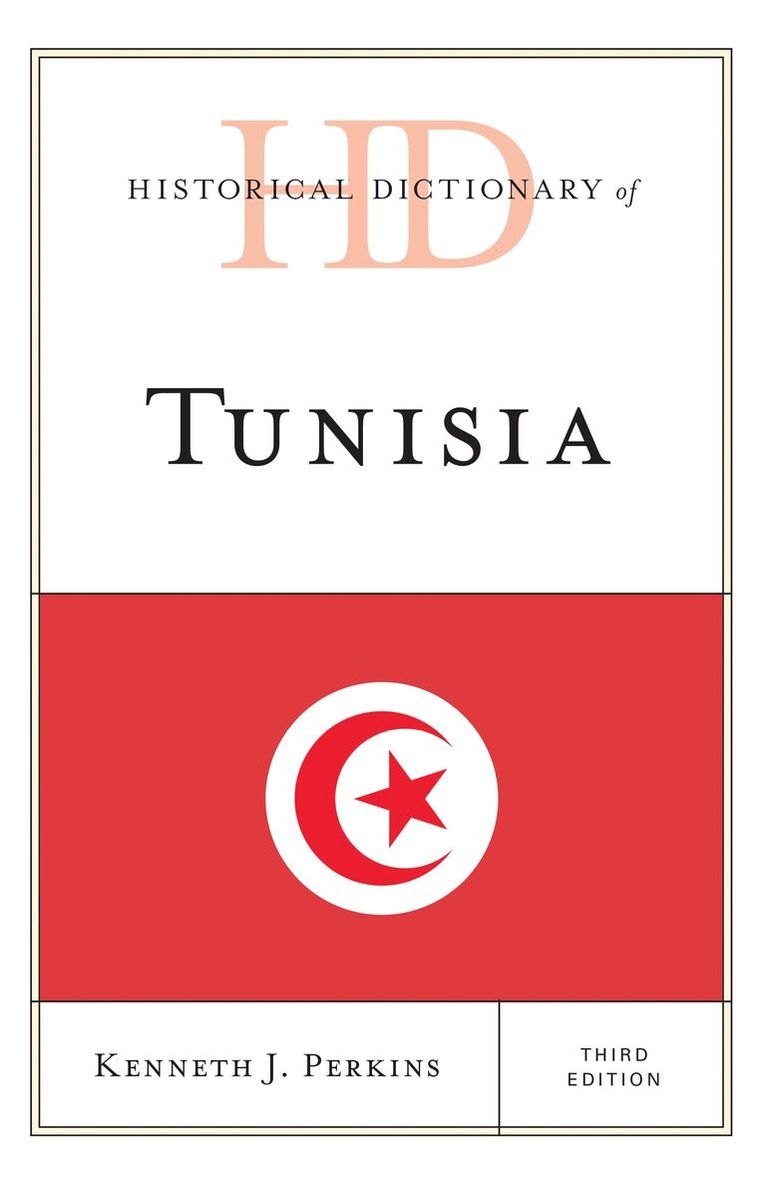
The demographically modest, but strategically significant, country of Tunisia has experienced profound and revolutionary change in the almost two decades since the publication of the previous edition of this volume (1997). Most dramatically, a populist uprising in 2011 ousted the entrenched dictatorship whose two heads had successively presided over the country since independence from France in 1956. As Tunisians celebrated this achievement, they inspired similar movements elsewhere in the Middle East and North Africa, giving rise to an “Arab Spring” that held out hope for the introduction of transformational innovations in democratic concepts and institutions across the region. Sadly, however, powerful forces of the status quo thwarted these efforts in country after country. But in Tunisia itself, a more hopeful scenario unfolded. In the fall of 2011, elections to a constituent assembly that international observers characterized as free and fair, gave the major Islamic party a plurality of the votes and set Tunisia on a course of participatory democracy.This third edition of Historical Dictionary of Tunisia contains a chronology, an introduction, an appendix, and an extensive bibliography. The dictionary section has over 300 cross-referenced entries on important personalities, politics, economy, foreign relations, religion, and culture. This book is an excellent access point for students, researchers, and anyone wanting to know more about Tunisia.