Kent Dunnington – författare
Visar alla böcker från författaren Kent Dunnington. Handla med fri frakt och snabb leverans.
9 produkter
9 produkter
E-bok
PDF, Engelska, 20181 065 kr
Läs direkt efter köp
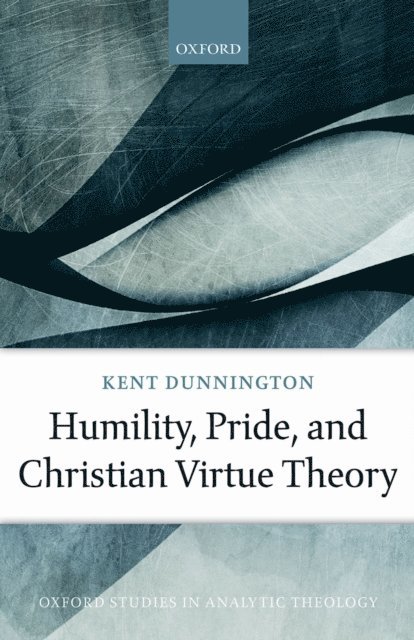
Humility, Pride, and Christian Virtue Theory proposes an account of humility that relies on the most radical Christian sayings about humility, especially those found in Augustine and the early monastic tradition. It argues that this was the view of humility that put Christian moral thought into decisive conflict with the best Greco-Roman moral thought. This radical Christian account of humility has been forgotten amidst contemporary efforts to clarify andretrieve the virtue of humility for secular life. Kent Dunnington shows how humility was repurposed during the early-modern era-particularly in the thought of Hobbes, Hume, and Kant-to better serve the economic and social needs of the emerging modern state. This repurposed humility insisted on a role for properpride alongside humility, as a necessary constituent of self-esteem and a necessary motive of consistent moral action over time. Contemporary philosophical accounts of humility continue this emphasis on proper pride as a counterbalance to humility. By contrast, radical Christian humility proscribes pride altogether. Dunnington demonstrates how such a radical view need not give rise to vices of humility such as servility and pusillanimity, nor need such a view fall prey to feminist critiques ofhumility. But the view of humility set forth makes little sense abstracted from a specific set of doctrinal commitments peculiar to Christianity. This study argues that this is a strength rather than a weakness of the account since it displays how Christianity matters for the shape of the morallife.
E-bok
Engelska, 20181 065 kr
Läs direkt efter köp
Humility, Pride, and Christian Virtue Theory proposes an account of humility that relies on the most radical Christian sayings about humility, especially those found in Augustine and the early monastic tradition. It argues that this was the view of humility that put Christian moral thought into decisive conflict with the best Greco-Roman moral thought. This radical Christian account of humility has been forgotten amidst contemporary efforts to clarify andretrieve the virtue of humility for secular life. Kent Dunnington shows how humility was repurposed during the early-modern era-particularly in the thought of Hobbes, Hume, and Kant-to better serve the economic and social needs of the emerging modern state. This repurposed humility insisted on a role for properpride alongside humility, as a necessary constituent of self-esteem and a necessary motive of consistent moral action over time. Contemporary philosophical accounts of humility continue this emphasis on proper pride as a counterbalance to humility. By contrast, radical Christian humility proscribes pride altogether. Dunnington demonstrates how such a radical view need not give rise to vices of humility such as servility and pusillanimity, nor need such a view fall prey to feminist critiques ofhumility. But the view of humility set forth makes little sense abstracted from a specific set of doctrinal commitments peculiar to Christianity. This study argues that this is a strength rather than a weakness of the account since it displays how Christianity matters for the shape of the morallife.
Inbunden, Engelska, 2018
1 011 kr
Skickas inom 5-8 vardagar
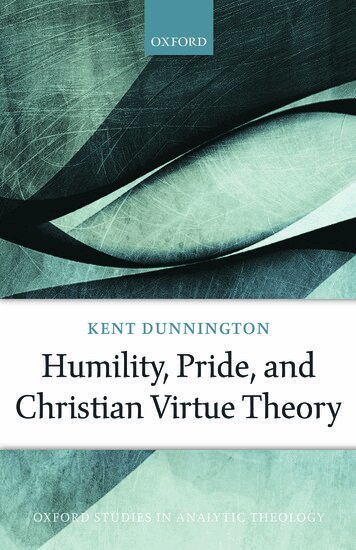
Humility, Pride, and Christian Virtue Theory proposes an account of humility that relies on the most radical Christian sayings about humility, especially those found in Augustine and the early monastic tradition. It argues that this was the view of humility that put Christian moral thought into decisive conflict with the best Greco-Roman moral thought. This radical Christian account of humility has been forgotten amidst contemporary efforts to clarify and retrieve the virtue of humility for secular life. Kent Dunnington shows how humility was repurposed during the early-modern era-particularly in the thought of Hobbes, Hume, and Kant-to better serve the economic and social needs of the emerging modern state. This repurposed humility insisted on a role for proper pride alongside humility, as a necessary constituent of self-esteem and a necessary motive of consistent moral action over time. Contemporary philosophical accounts of humility continue this emphasis on proper pride as a counterbalance to humility. By contrast, radical Christian humility proscribes pride altogether. Dunnington demonstrates how such a radical view need not give rise to vices of humility such as servility and pusillanimity, nor need such a view fall prey to feminist critiques of humility. But the view of humility set forth makes little sense abstracted from a specific set of doctrinal commitments peculiar to Christianity. This study argues that this is a strength rather than a weakness of the account since it displays how Christianity matters for the shape of the moral life.
Häftad, Engelska, 2011
385 kr
Skickas inom 3-6 vardagar
E-bok
Engelska, 2026229 kr
Läs direkt efter köp
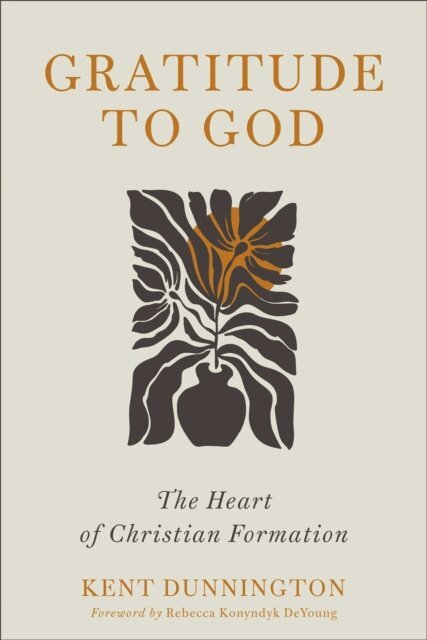
Why Our Understanding of Gratitude Must Be Reclaimed by Christian TheologyIs gratitude the path to a good life filled with happiness? Modern culture says yes. But what does Scripture say?Gratitude to God invites us to move beyond pop psychology and reclaim a robustly biblical understanding of thanksgiving, one that transforms how we experience life, suffering, and God's generosity. This book will help you● reclaim a biblical theology of gratitude rooted in Christian tradition;● overcome the vices that block gratitude, including resentment, pride, self-loathing, apathy, and distraction;● grow in spiritual formation through practical methods for cultivating gratitude to God, even in seasons of suffering and lament; and● experience life--trials and all--as gift and favor from a generous God.The positive psychology movement promotes gratitude as one of the keys to a good life--a posture that resonates with Christians seeking to live faithfully. But does our modern view of gratitude align with the experience, practice, and goals of gratitude described in Scripture?Kent Dunnington argues that our understanding of gratitude must be reclaimed by Christian theology if we are to experience our lives as evidence of God's generosity. Recognizing that gratitude to God often feels less natural than gratitude to others, he invites readers to walk with him on his journey to cultivate gratitude, even in seasons of suffering and lament. Along the way, Dunnington traces how cultural understandings of gratitude have shifted and examines the vices that block it.With a foreword by Rebecca Konyndyk DeYoung, this book offers a robust theological and philosophical perspective on gratitude to God--showing why biblical thanksgiving is at the very heart of spiritual growth and formation.
E-bok
Engelska, 2015471 kr
Läs direkt efter köp
Arthur McGill did not write very much, but what he did write is as theologically suggestive and startling today as it was when it was written in the 1960s and 1970s. He was not well known during his lifetime, but those who cared about the work of theology knew Arthur McGill. Writing during the ascendency of the "Death of God" theologies, McGill''s words have a freshness that the more widely known theological writing of that time has lost. McGill wrote only two short books during his life, and just a handful of scattered essays, often published in obscure places. We are fortunate that Kent Dunnington has collected and introduced those essays here. The essays reveal a theologian with an uncanny and intrepid resolve to make theological claims illumine and unsettle our lives. As Stanley Hauerwas writes in his afterword to the collection, "To read McGill is to discover a way to do theology without fear. God knows from where he came, but McGill, as the chapters in this welcome and important book demonstrate, had the ability to make theology do work so that we might better negotiate the imponderable reality we call ''our life.''"
Inbunden, Engelska, 2015
428 kr
Skickas inom 5-8 vardagar
Häftad, Engelska, 2026
286 kr
Skickas inom 3-6 vardagar
Why Our Understanding of Gratitude Must Be Reclaimed by Christian TheologyIs gratitude the path to a good life filled with happiness? Modern culture says yes. But what does Scripture say?Gratitude to God invites us to move beyond pop psychology and reclaim a robustly biblical understanding of thanksgiving, one that transforms how we experience life, suffering, and God's generosity. This book will help you● reclaim a biblical theology of gratitude rooted in Christian tradition;● overcome the vices that block gratitude, including resentment, pride, self-loathing, apathy, and distraction;● grow in spiritual formation through practical methods for cultivating gratitude to God, even in seasons of suffering and lament; and● experience life--trials and all--as gift and favor from a generous God.The positive psychology movement promotes gratitude as one of the keys to a good life--a posture that resonates with Christians seeking to live faithfully. But does our modern view of gratitude align with the experience, practice, and goals of gratitude described in Scripture?Kent Dunnington argues that our understanding of gratitude must be reclaimed by Christian theology if we are to experience our lives as evidence of God's generosity. Recognizing that gratitude to God often feels less natural than gratitude to others, he invites readers to walk with him on his journey to cultivate gratitude, even in seasons of suffering and lament. Along the way, Dunnington traces how cultural understandings of gratitude have shifted and examines the vices that block it.With a foreword by Rebecca Konyndyk DeYoung, this book offers a robust theological and philosophical perspective on gratitude to God--showing why biblical thanksgiving is at the very heart of spiritual growth and formation.
Häftad, Engelska, 2015
276 kr
Skickas inom 5-8 vardagar