Kent McNeil – författare
Visar alla böcker från författaren Kent McNeil. Handla med fri frakt och snabb leverans.
7 produkter
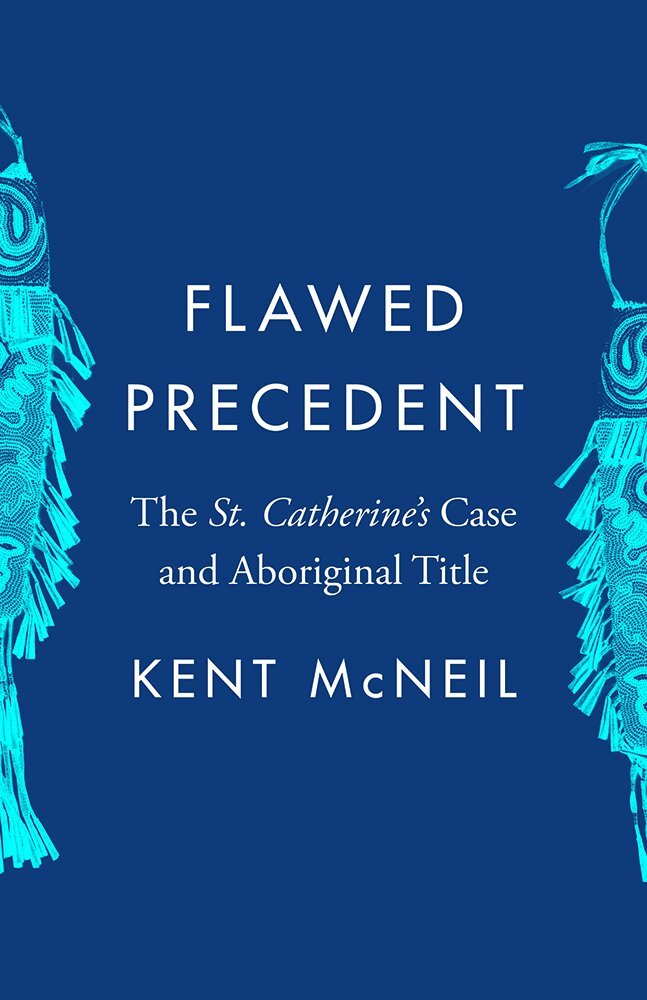
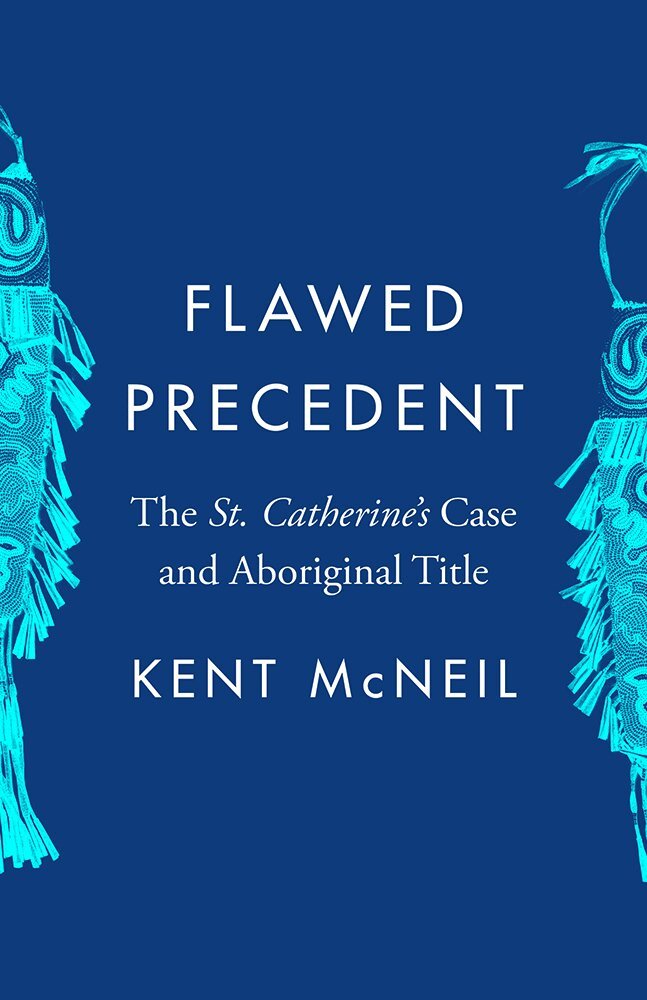
Flawed Precedent
The St. Catherine's Case and Aboriginal Title
Av Kent McNeil
Häftad, 2019
354 kr
Lägg i varukorg
In 1888, the Judicial Committee of the Privy Council ruled in St. Catherine's Milling and Lumber Company v. The Queen, a case involving the Saulteaux people's land rights in Ontario. This precedent-setting case would define the legal contours of Aboriginal title in Canada for almost a hundred …
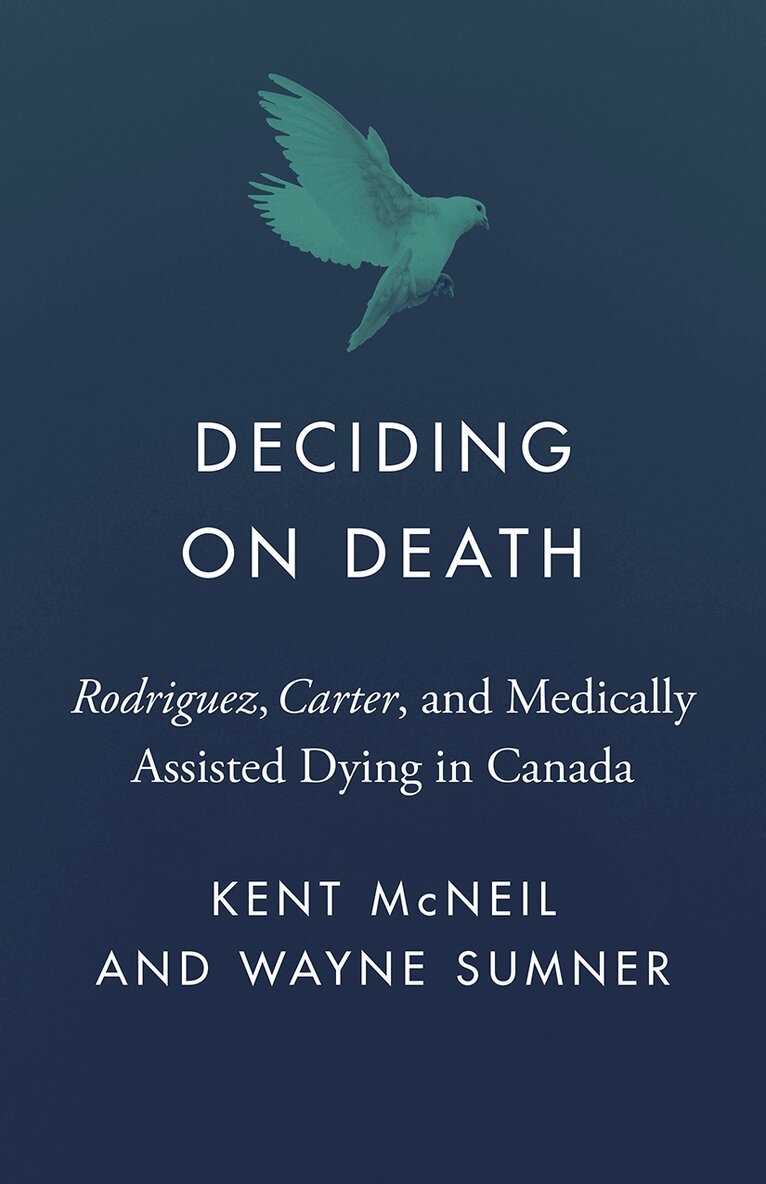
Deciding on Death
And Medically Assisted Dying in Canada
Häftad, 2025
340 kr
Lägg i varukorg
Should Canadians have the right to medical assistance in dying? If so, under what conditions? Deciding on Death delves into the legal and political aspects of these controversial questions. In the early 1990s, Sue Rodriguez unsuccessfully challenged the criminalization of assisted dying. The …
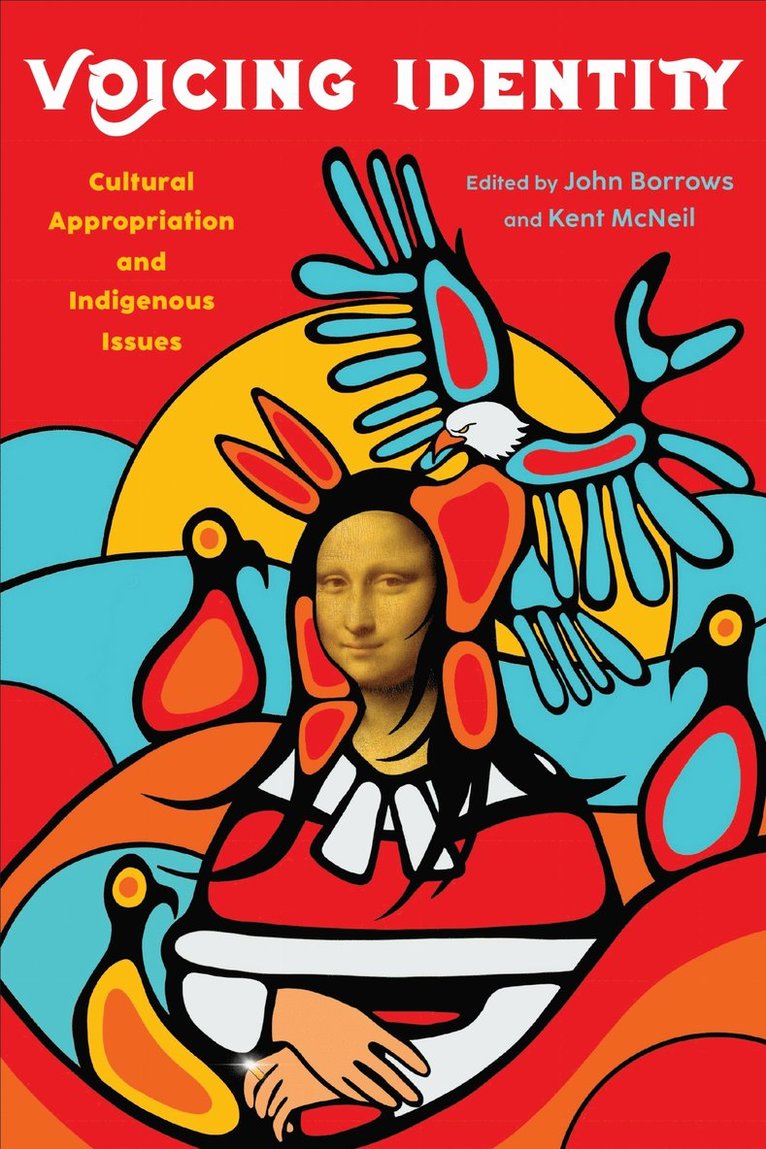
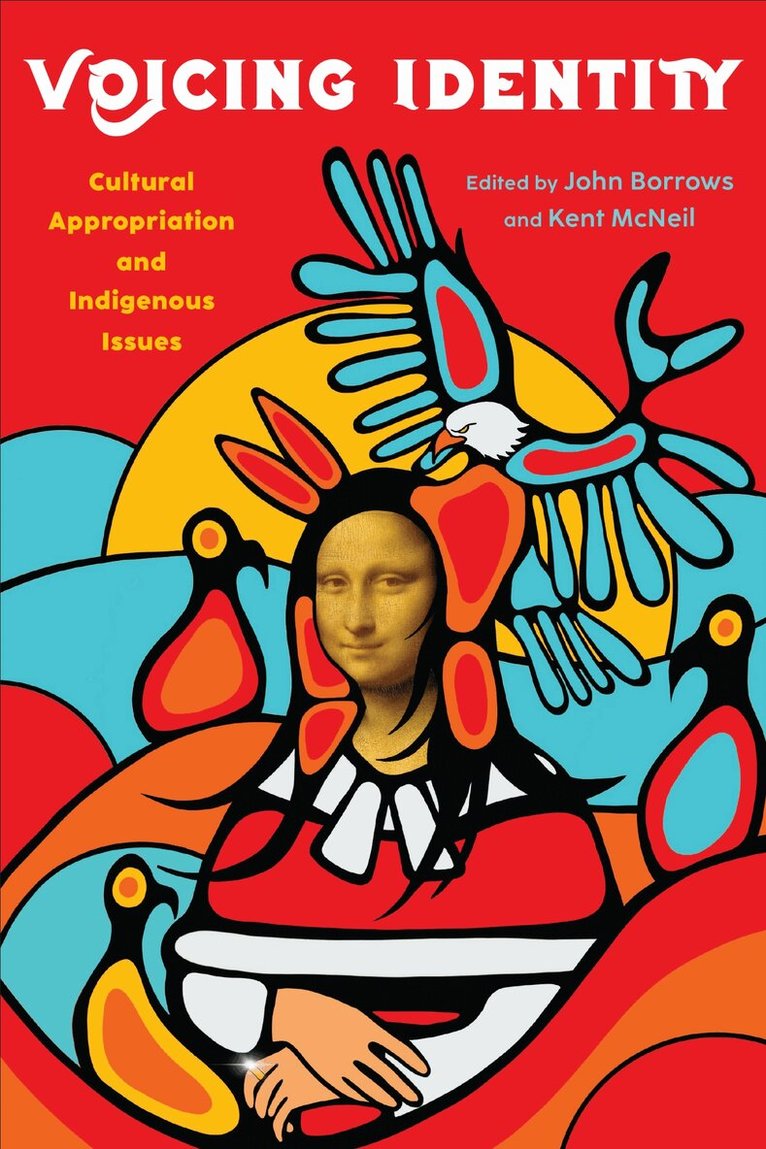
Voicing Identity
Cultural Appropriation and Indigenous Issues
Häftad, 2022
342 kr
Lägg i varukorg
Written by leading Indigenous and non-Indigenous scholars, Voicing Identity examines the issue of cultural appropriation in the contexts of researching, writing, and teaching about Indigenous peoples. This book grapples with the questions of who is qualified to engage in these activities and how …
Voicing Identity
Cultural Appropriation and Indigenous Issues
E-bok, 2022
408 kr
Lägg i varukorg
Written by leading Indigenous and non-Indigenous scholars, Voicing Identity examines the issue of cultural appropriation in the contexts of researching, writing, and teaching about Indigenous peoples. This book grapples with the questions of who is qualified to engage in these activities and how …
Voicing Identity
Cultural Appropriation and Indigenous Issues
E-bok, 2022
399 kr
Lägg i varukorg
Written by leading Indigenous and non-Indigenous scholars, Voicing Identity examines the issue of cultural appropriation in the contexts of researching, writing, and teaching about Indigenous peoples. This book grapples with the questions of who is qualified to engage in these activities and how …
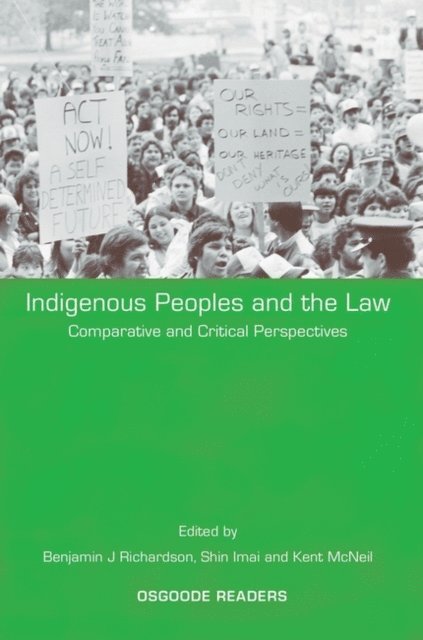
Indigenous Peoples and the Law
Comparative and Critical Perspectives
Av Benjamin J Richardson, Shin Imai m. fl.
E-bok, 2009
789 kr
Lägg i varukorg
Indigenous Peoples and the Law provides an historical, comparative and contextual analysis of various legal and policy issues affecting Indigenous peoples. It focuses on the common law jurisdictions of Australia, Canada, New Zealand and the United States, as well as relevant international law …
Flawed Precedent
The St. Catherine's Case and Aboriginal Title
Av Kent McNeil
Inbunden, 2019
869 kr
Tillfälligt slut
In 1888, the Judicial Committee of the Privy Council ruled in St. Catherine's Milling and Lumber Company v. The Queen, a case involving the Saulteaux people's land rights in Ontario. This precedent-setting case would define the legal contours of Aboriginal title in Canada for almost a hundred …