Ketu Katrak – författare
Visar alla böcker från författaren Ketu Katrak. Handla med fri frakt och snabb leverans.
6 produkter
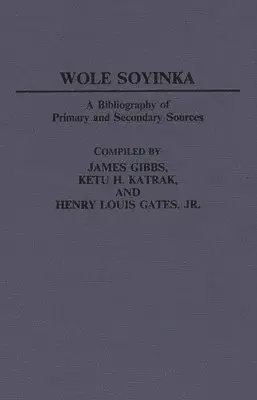
Wole Soyinka
A Bibliography of Primary and Secondary Sources
Av Henry L. Gates, James Gibbs m. fl.
Inbunden, 1986
1310 kr
Lägg i varukorg
Product information not available.
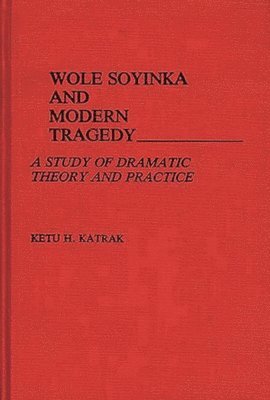
Wole Soyinka and Modern Tragedy
A Study of Dramatic Theory and Practice
Av Ketu Katrak
Inbunden, 1986
1229 kr
Lägg i varukorg
The tragic drama of Nigeria's leading playwright, Wole Soyinka, is the focus of this in-depth study. Ketu H. Katrak explores Soyinka's concept of the tragic experience as it relates to Yoruba culture and analyzes the unique features of his theory of tragedy which blends Yoruba traditional drama …
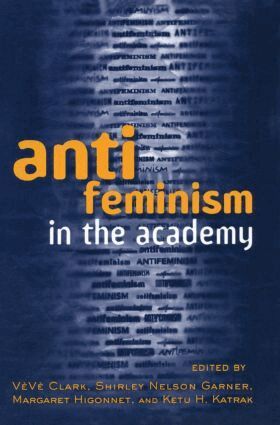
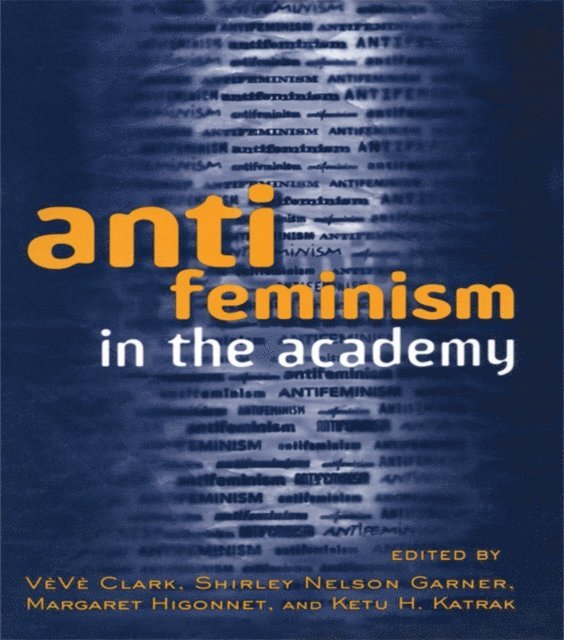
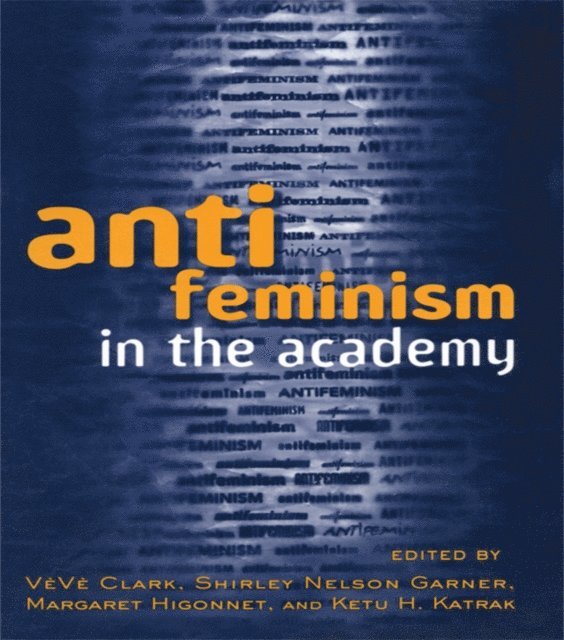
Anti-feminism in the Academy
Av Veve Clark, Shirley Nelson Garner m. fl.
Häftad, 1996
616 kr
Lägg i varukorg
Contending that the anti-feminist backlash in the academy is part of the broader "politically correct" rhetoric, this collection of writers, academics and activists is a much-needed response to the assault on feminist thinkers and critics in the academy today.
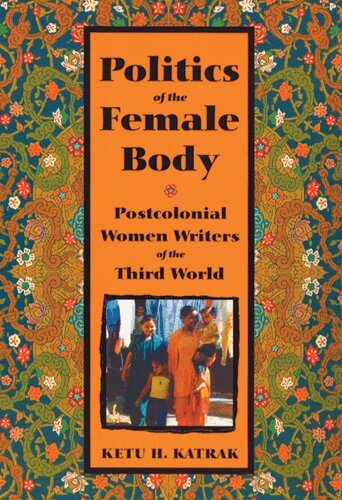
Politics of the Female Body
Postcolonial Women Writers
Av Ketu Katrak
Häftad, 2006
476 kr
Lägg i varukorg
Is it possible to simultaneously belong to and be exiled from a community? In Politics of the Female Body, Ketu H. Katrak argues that it is not only possible, but common, especially for women who have been subjects of colonial empires.Through her careful analysis of postcolonial literary texts, …
Anti-feminism in the Academy
Av Ketu Katrak, Margaret Higonnet m. fl.
E-bok, 2014
724 kr
Lägg i varukorg
Contending that the anti-feminist backlash in the academy is part of the broader "politically correct" rhetoric, this collection of writers, academics and activists is a much-needed response to the assault on feminist thinkers and critics in the academy today.
Anti-feminism in the Academy
Av Ketu Katrak, Margaret Higonnet m. fl.
E-bok, 2014
703 kr
Lägg i varukorg
Contending that the anti-feminist backlash in the academy is part of the broader "politically correct" rhetoric, this collection of writers, academics and activists is a much-needed response to the assault on feminist thinkers and critics in the academy today.