Kevin Power – författare
Visar alla böcker från författaren Kevin Power. Handla med fri frakt och snabb leverans.
5 produkter
5 produkter
344 kr
Tillfälligt slut
Throughout history, the excitements, surprises and discoveries of travel have inspired many. Great travelers, of course, are often great ambassadors of knowledge and ideas, but while the exchanges between disparate cultures have enchanted--and sometimes puzzled--both the visitors and the visited, they have also historically been the cause of conflict and strife. Christopher Columbus's fourth long voyage from Spain to America has been chosen as a metaphor for P.S.1 Contemporary Art Center's exhibition The Real Royal Trip. The “artist-travelers” featured in this historic exhibition reveal through their work a potent creative energy and illuminate the flow of new ideas, images, and approaches emerging from Spain's unique contemporary cultural climate. Breaking down barriers established by nations, the exhibition reaches across the Atlantic Ocean to include work by artists from Cuba and Puerto Rico, pursuing the pioneering voices of contemporary Latin America. (The inclusion of Ernesto Neto ensures that the great South American dream is also represented.) With the language of Spain--and not its national borders--as a common currency, this international panorama of art-making proposes a new kind of Spanish identity, one that is intricately linked to U.S. and Latin American culture.
181 kr
Skickas inom 11-20 vardagar
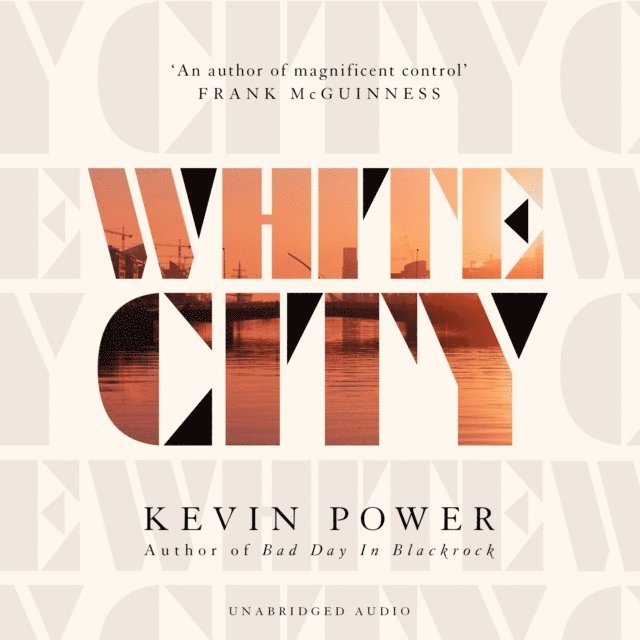
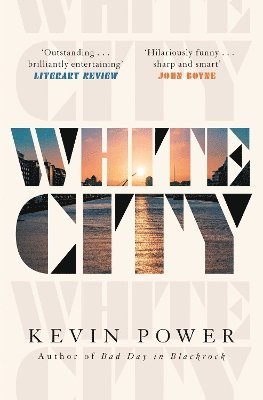
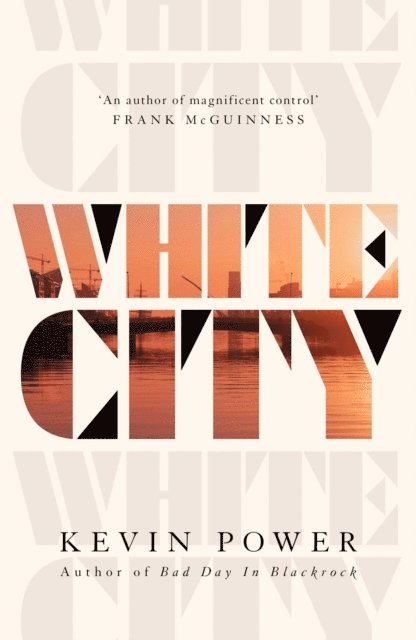
From the highly acclaimed author of Bad Day in Blackrock – inspiration for the 2012 award-winning film What Richard Did, directed by Lenny Abrahamson...Shortlisted for the 2021 An Post Irish Book Awards Eason Novel of the Year...A darkly funny, gripping and profoundly moving novel about a life spinning out of control, a life live without the bedrock of familial love, and the corruption of material wealth that tears at the soul.‘It was my father’s arrest that brought me here, although you could certainly say that I took the scenic route.’Here is rehab, where Ben – the only son of a rich South Dublin banker – is piecing together the shattered remains of his life. Abruptly cut off, at the age of 27, from a life of heedless privilege, Ben flounders through a world of drugs and dead-end jobs, his self-esteem at rock bottom. Even his once-adoring girlfriend, Clio, is at the end of her tether. Then Ben runs into an old school friend who wants to cut him in on a scam: a shady property deal in the Balkans. The deal will make Ben rich and, at one fell swoop, will deliver him from all his troubles: his addictions, his father’s very public disgrace, and his own self-loathing and regret. Problems solved.But something is amiss. For one thing, the Serbian partners don’t exactly look like fools. (In fact they look like gangsters.) And, for another, Ben is being followed everywhere he goes. Someone is being taken for a ride. But who?Praise for White City:'I can't recommend it enough. It's often hilariously funny but it's also a sharp and smart dissection of contemporary materialism' John Boyne, author of The Heart's Invisible Furies'An immensely enjoyable and tautly written account of a young man from an affluent family whose life of privilege is turned upside down' Sunday Times'Spiky, blackly funny novel that offers an incisive study on class, entitlement and masculinity' Independent'Capacious and comic, luxuriantly written, with an intricate plot and heightened characterisation… both riotous rant and thoughtful coming-of-age tale' Dublin Review of Books
182 kr
Skickas
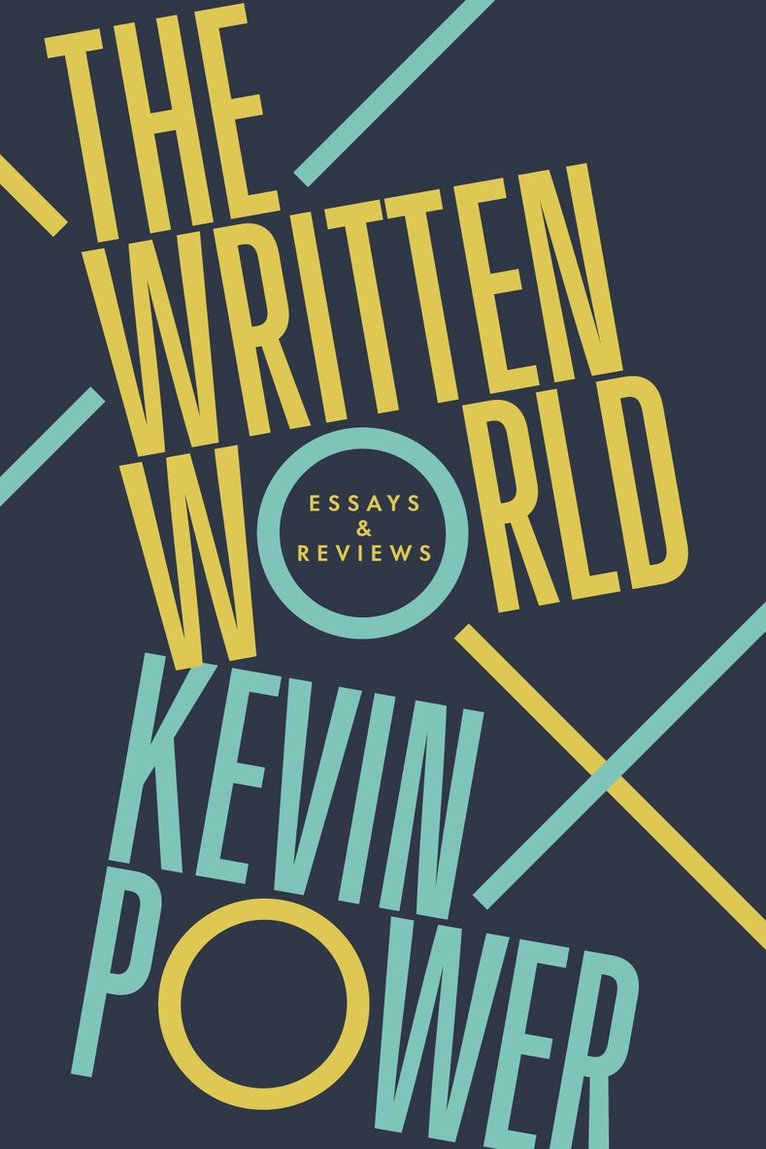
Art honours the world, and criticism honours art, even – perhaps especially – when the critic sets out to destroy. The bad review is hardly ever written out of mere spite. In most cases, the motivation is disappointed idealism. Critics are people who love art and who hate to see it traduced. Hence the critic’s sempiternal cry: You’re doing it wrong. What the critic wants is for you to do it better.Since 2008, acclaimed novelist Kevin Power has reviewed almost three hundred and fifty books. Power declares, ‘Even now, cracking open a brand-new hardback with my pencil in my hand, I feel the same pleasure, and the same hope. That’s the great secret: every critic is an optimist at heart.’Art that thinks and feels at the same time – ‘good art’ – requires explication. The writing of criticism in response to such art is an activity that has taken place since Aristotle first sat down to figure out what made tragedy work. It is in the pursuit of this question – what makes good art ‘good’ – that Kevin Power found his vocation. During a ten-year stint as a regular freelance reviewer for the Sunday Business Post, Power fell in love with the writing of criticism, and with the reading of it, too, particularly by talented novelists who review books on the side. His conclusion is that criticism is absolutely an art. But it is never more so than when practiced by an actual artist.These pieces, ranging from reviews of Susan Sontag to the meaning of Greta Thunberg, apocalyptic politics, and literary theory, represent a decade’s worth of thinking about books; a record of the author’s attempts to honour art, and through art, the world. In The Written World, Power explains how he became a critic and what he thinks criticism is. It begins and ends with a long personal essays, ‘The Lost Decade’, written especially for this collection, about his mental and writing block after publishing Bad Day in Blackrock and his decade-long journey to White City. The pieces gathered by Power are connected by a theme – this is a book about writing, seen from various positions, and about growth as an artist and a critic.
120 kr
Skickas
From the highly acclaimed author of Bad Day in Blackrock – inspiration for the 2012 award-winning film What Richard Did, directed by Lenny Abrahamson...Shortlisted for the 2021 An Post Irish Book Awards Eason Novel of the Year...A darkly funny, gripping and profoundly moving novel about a life spinning out of control, a life live without the bedrock of familial love, and the corruption of material wealth that tears at the soul.‘It was my father’s arrest that brought me here, although you could certainly say that I took the scenic route.’Here is rehab, where Ben – the only son of a rich South Dublin banker – is piecing together the shattered remains of his life. Abruptly cut off, at the age of 27, from a life of heedless privilege, Ben flounders through a world of drugs and dead-end jobs, his self-esteem at rock bottom. Even his once-adoring girlfriend, Clio, is at the end of her tether. Then Ben runs into an old school friend who wants to cut him in on a scam: a shady property deal in the Balkans. The deal will make Ben rich and, at one fell swoop, will deliver him from all his troubles: his addictions, his father’s very public disgrace, and his own self-loathing and regret. Problems solved.But something is amiss. For one thing, the Serbian partners don’t exactly look like fools. (In fact they look like gangsters.) And, for another, Ben is being followed everywhere he goes. Someone is being taken for a ride. But who?Praise for White City:'I can't recommend it enough. It's often hilariously funny but it's also a sharp and smart dissection of contemporary materialism' John Boyne, author of The Heart's Invisible Furies'An immensely enjoyable and tautly written account of a young man from an affluent family whose life of privilege is turned upside down' Sunday Times'Spiky, blackly funny novel that offers an incisive study on class, entitlement and masculinity' Independent'Capacious and comic, luxuriantly written, with an intricate plot and heightened characterisation… both riotous rant and thoughtful coming-of-age tale' Dublin Review of Books
124 kr
Skickas inom 11-20 vardagar
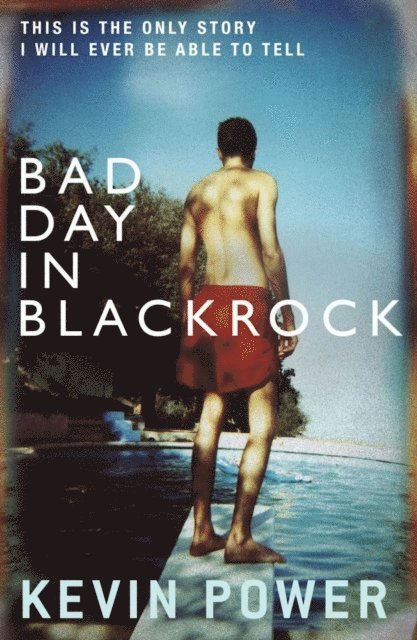
On a late August night a young man is kicked to death outside a Dublin nightclub and celebration turns to devastation. The reverberations of that event, its genesis and aftermath, is the subject of this extraordinary story, stripping away the veneer of a generation of Celtic cubs, whose social and sexual mores are chronicled and dissected in this tract for our times. The victim, Conor Harris, his killers - three of them are charged with manslaughter - and the trial judge share common childhoods and schooling in the privileged echelons of south Dublin suburbia. The intertwining of these lives leaves their afflicted families in moral free fall as public exposure merges with private anguish and imploded futures.