Khaled Mattawa - Böcker
Visar alla böcker från författaren Khaled Mattawa. Handla med fri frakt och snabb leverans.
11 produkter
11 produkter
320 kr
Skickas inom 11-20 vardagar
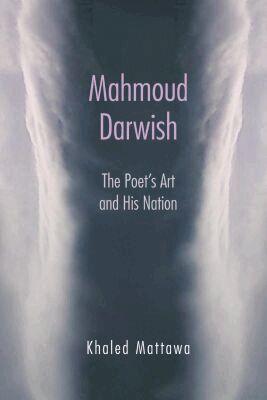
In Mahmoud Darwish: The Poet’s Art and His Nation, Mattawa pays tribute to one of the most celebrated and well-read poets of our era. With detailed knowledge of Arabic verse and a firm grounding in Palestinian history, Mattawa explores the ways in which Darwish’s aesthetics have played a crucial role in shaping and maintaining Palestinian identity and culture through decades of warfare, attrition, exile, and land confiscation. Mattawa chronicles the evolution of his poetry, from a young poet igniting resistance in occupied land to his decades in exile where his work grew in ambition and scope. In doing so, Mattawa reveals Darwish’s verse to be both rooted to its place of longing and to transcend place, as it reaches for the universal and the human.
235 kr
Skickas inom 7-10 vardagar
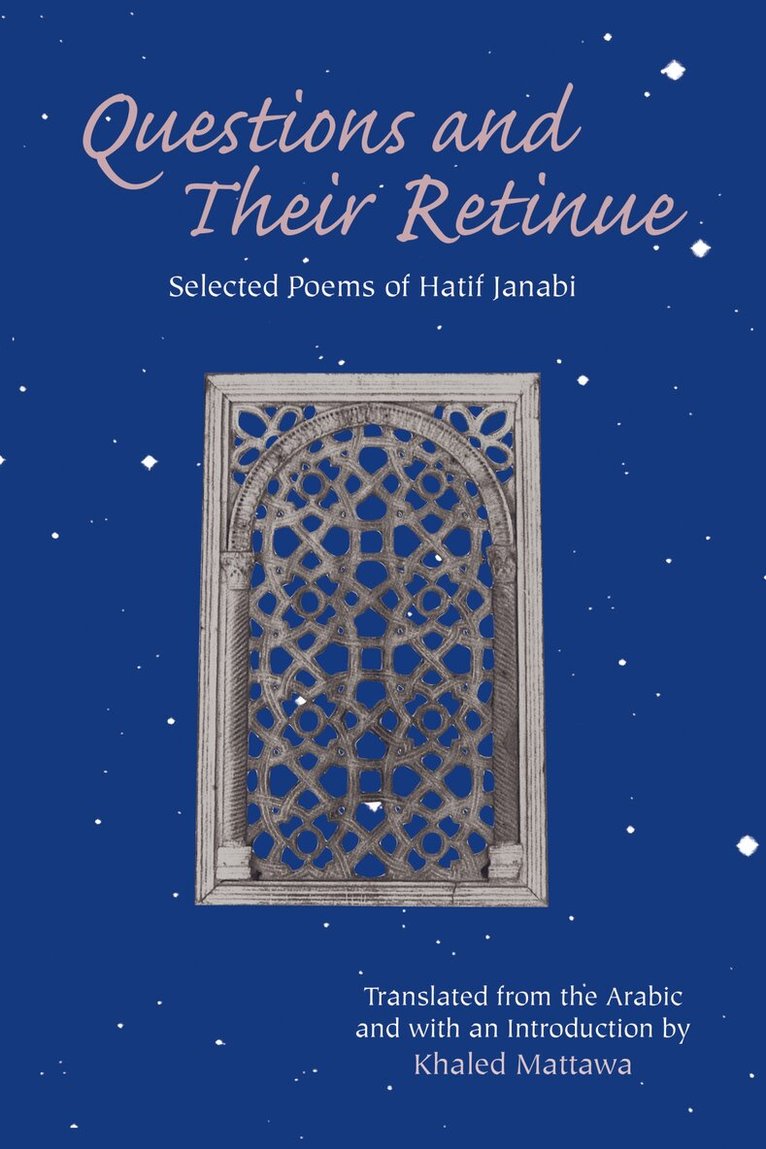
Hatif Janabi’s poems are passionate, jolting, apocalyptic, and painful. They deal with war and death, perception and truth, drawing from his family life, his exile in Poland, the Gulf War, violence in Iraq, and his experience in the United States.The speaker in many of Janabi’s poems moves from a confrontational stance to one of resigned desperation, and from coyness to deep longing, where, occasionally, hope surfaces. The associative processes and the often bizarre surreal imagery he employs are very effective in expressing his profound sense of political and spiritual alienation. Janabi is among a generation of Arab poets who, because of censorship, can speak only obliquely about the harsh reality of their lives. In these poems he has created symbolic landscapes that attempt to reveal the political, social, and psychological stresses with which suffering people live.
310 kr
Skickas inom 7-10 vardagar
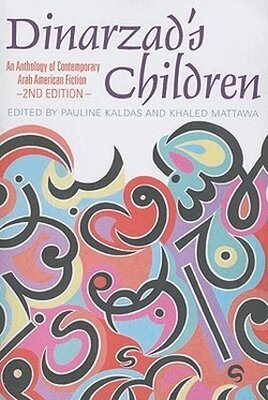
This work reveals the complex and varied experiences of Arab American life. The first edition of ""Dinarzad's Children"" was a groundbreaking and popular anthology that brought to light the growing body of short fiction being written by Arab Americans. This expanded edition includes sixteen new stories - thirty in all - and new voices and is now organized into sections that invite readers to enter the stories from a variety of directions. Here are stories that reveal the initial adjustments of immigrants, the challenges of forming relationships, the political nuances of being Arab American, the vision directed towards homeland, and the ongoing search for balance and identity.
177 kr
Skickas inom 10-15 vardagar
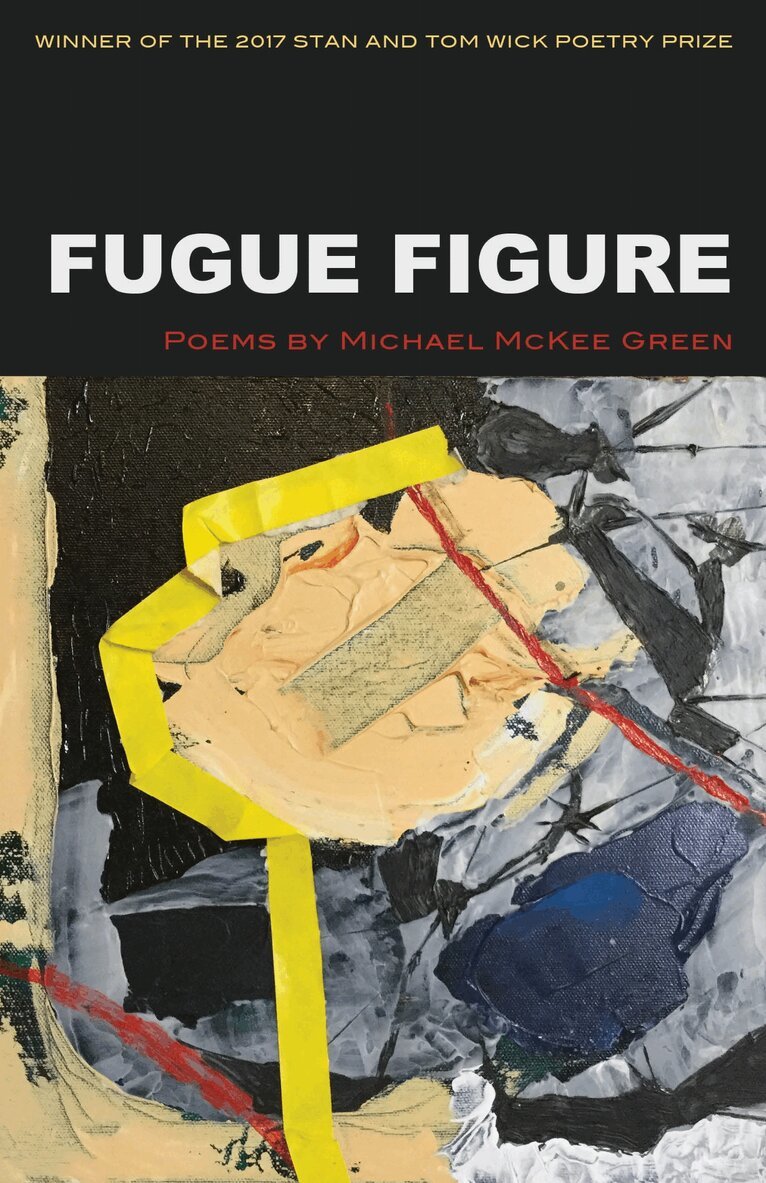
The book states plainly that both its speaker and the speaker’s mother have suffered neardeadly head injuries (“when I woke up in the hospital thirty years after you did,” “my head: / rotting pear”), resulting in loss of memory. However, rather than let a taxonomy like “family curse” sit unquestioned, Green writes toward the fugues (i.e., the condition of having one’s identity questioned) by making a kind of fugue (i.e., interweaving song). Johnathan Culler writes that “the fundamental characteristic of the lyric . . . is not the description and interpretation of a past event, but the iterative and utterable performanceof an event in the lyric present, in the special ‘now’ of lyric articulation.” The lyric in Fugue Figure allows the unspeakable past to be uttered in the lyric present, and the form of diptychs and triptychs through the book place disparate lyric utterances together on the same page. While lyric addresses allow the reader to reach toward the speaker’s unknowns, the triptychs and diptychs allow the reader to reach toward the unnamable place between left and right signifiers, both adding to the vital enigma of the poems.Fugue Figure comes to terms with the self as a permeable thing, already acted upon and laden with self-inflicted presuppositions of curse. And in the wake of all the phenomena acting upon the speaker’s life and family, what else can one do?
89 kr
Skickas inom 7-10 vardagar
89 kr
Skickas inom 7-10 vardagar
154 kr
Skickas inom 7-10 vardagar
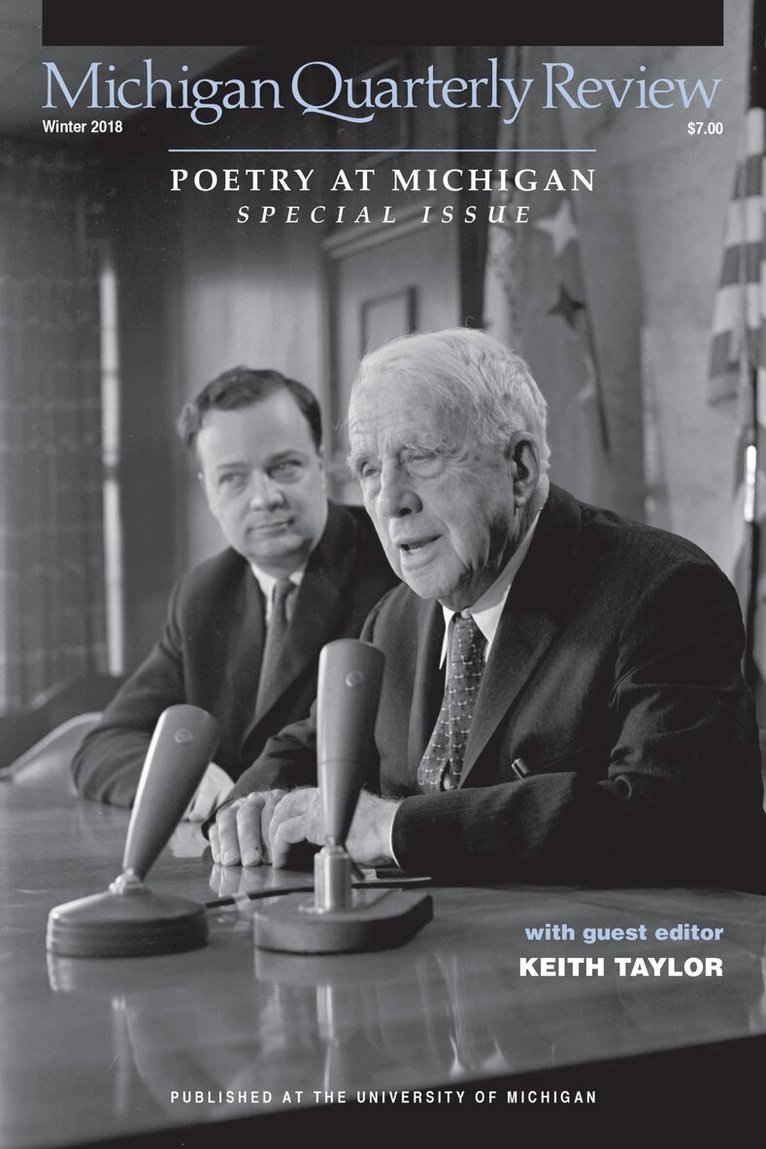
Michigan Quarterly Review is an interdisciplinary and international literary journal, combining distinctive voices in poetry, fiction, and nonfiction, as well as works in translation. Our work extends online as well, where we publish cultural commentary alongside reviews and interviews with writers, artists, and cultural figures around the world. The flagship literary journal of the University of Michigan, our magazine embraces creative urgency and cultural relevance, aiming to challenge conventions and address long-overdue conversations. As we continue to promote an expansive and inclusive vision, we seek work from established and emerging writers with diverse aesthetics and experiences.
175 kr
Skickas inom 7-10 vardagar
Michigan Quarterly Review is an interdisciplinary and international literary journal, combining distinctive voices in poetry, fiction, and nonfiction, as well as works in translation. Our work extends online as well, where we publish cultural commentary alongside reviews and interviews with writers, artists, and cultural figures around the world. The flagship literary journal of the University of Michigan, our magazine embraces creative urgency and cultural relevance, aiming to challenge conventions and address long-overdue conversations. As we continue to promote an expansive and inclusive vision, we seek work from established and emerging writers with diverse aesthetics and experiences.
230 kr
Tillfälligt slut
233 kr
Skickas inom 5-8 vardagar
115 kr
Tillfälligt slut
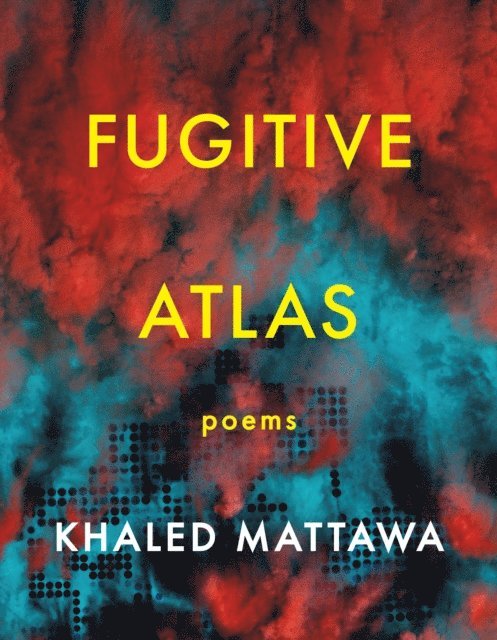
“On the bridges to those slippery worlds, we are wrapped in gold foil, disease free. Who is saving whom? The question’s not stated, only implied.” In 2013, the Italian government implemented Mare Nostrum, an operation intended to limit immigration from Africa and the Middle East to European countries. For the refugees, the journeys were harrowing, often ending in shipwrecks or imprisonment, and the arrivals were wracked with uncertainty. Here, the poet Khaled Mattawa conjures a pointed, incantatory account of the refugee experience in the Mediterranean. In reclaiming the operation's name Mare Nostrum (our sea in Latin), he renders us culpable for the losses, and responsible to those risking their lives in pursuit of hope and respite from oppression. The voices are many, and the lyrics ritualistic, as if Mattawa has stirred ghosts from the wreckage. Part narrative, part blessing, this chapbook begs of its readers: Do you remember? Mattawa’s writing is a lighthouse for politics of the twenty-first century, and this chapbook a stunning memorial.