Khurram Hussain - Böcker
Visar alla böcker från författaren Khurram Hussain. Handla med fri frakt och snabb leverans.
4 produkter
4 produkter
1 572 kr
Skickas inom 10-15 vardagar
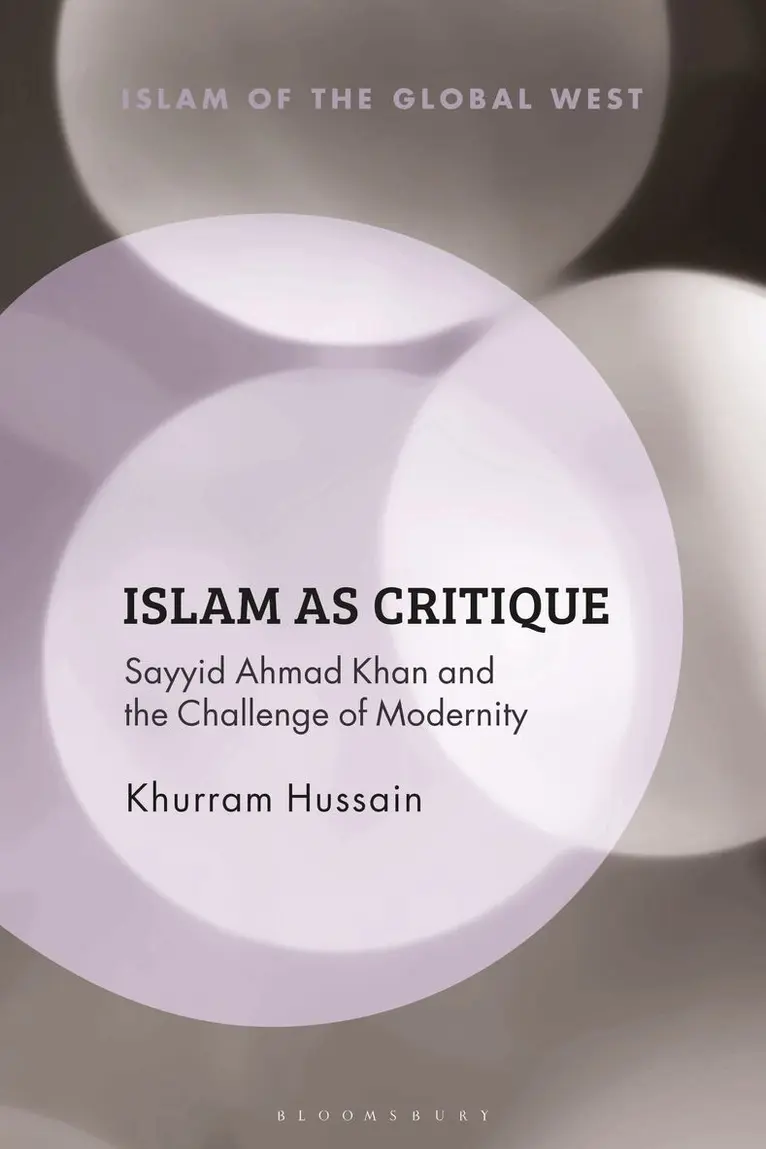
What would it mean to imagine Islam as an immanent critique of the West? Sayyid Ahmad Khan lived in a time of great tribulation for Muslim India under British rule. By examining Khan’s work as a critical expression of modernity rooted in the Muslim experience of it, Islam as Critique argues that Khan is essential to understanding the problematics of modern Islam and its relationship to the West. The book re-imagines Islam as an interpretive strategy for investigating the modern condition, and as an engaged alternative to mainstream Western thought. Using the life and work of nineteenth-century Indian Muslim polymath Khan (1817-1898), it identifies Muslims as a viable resource for both critical intervention in important ethical debates of our times and as legitimate participants in humanistic discourses that underpin a just global order. Islam as Critique locates Khan within a broader strain in modern Islamic thought that is neither a rejection of the West, nor a wholesale acceptance of it. The author calls this “Critical Islam”. By bringing Khan’s critical engagement with modernity into conversation with similar critical analyses of the modern by Reinhold Niebuhr, Hannah Arendt, and Alasdair MacIntyre, the author shows how Islam can be read as critique.
448 kr
Skickas inom 10-15 vardagar
What would it mean to imagine Islam as an immanent critique of the West? Sayyid Ahmad Khan lived in a time of great tribulation for Muslim India under British rule. By examining Khan’s work as a critical expression of modernity rooted in the Muslim experience of it, Islam as Critique argues that Khan is essential to understanding the problematics of modern Islam and its relationship to the West. The book re-imagines Islam as an interpretive strategy for investigating the modern condition, and as an engaged alternative to mainstream Western thought. Using the life and work of nineteenth-century Indian Muslim polymath Khan (1817-1898), it identifies Muslims as a viable resource for both critical intervention in important ethical debates of our times and as legitimate participants in humanistic discourses that underpin a just global order. Islam as Critique locates Khan within a broader strain in modern Islamic thought that is neither a rejection of the West, nor a wholesale acceptance of it. The author calls this “Critical Islam”. By bringing Khan’s critical engagement with modernity into conversation with similar critical analyses of the modern by Reinhold Niebuhr, Hannah Arendt, and Alasdair MacIntyre, the author shows how Islam can be read as critique.
1 142 kr
Skickas inom 10-15 vardagar
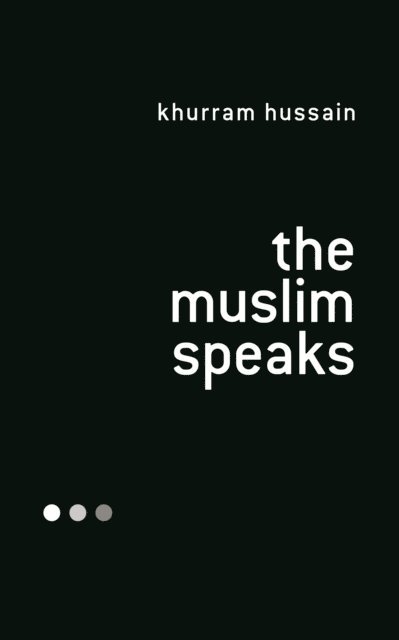
The Muslim Speaks reimagines Islam as a strategy for investigating the modern condition. Rather than imagining it as an issue external to a discrete West, Khurram Hussain constructs Islam as internal to the elaboration and expansion of the West. In doing so he reveals three discursive traps – that of ‘freedom’, ‘reason’ and ‘culture’ – that inhibit the availability of Islam as a feasible, critical interlocutor in Western deliberations about moral, intellectual and political concerns.Through close examination of this inhibition, Hussain posits that while Islamophobia is clearly a moral wrong, ‘depoliticization’ more accurately describes the problems associated with the lived experience of Muslims in the West and elsewhere. Weaving together his conclusions in the hope of a common world, Khurram Hussain boldy and quite radically deems that what Islam needs is not depoliticization, but infact repoliticization.
274 kr
Skickas
The Muslim Speaks reimagines Islam as a strategy for investigating the modern condition. Rather than imagining it as an issue external to a discrete West, Khurram Hussain constructs Islam as internal to the elaboration and expansion of the West. In doing so he reveals three discursive traps – that of ‘freedom’, ‘reason’ and ‘culture’ – that inhibit the availability of Islam as a feasible, critical interlocutor in Western deliberations about moral, intellectual and political concerns.Through close examination of this inhibition, Hussain posits that while Islamophobia is clearly a moral wrong, ‘depoliticization’ more accurately describes the problems associated with the lived experience of Muslims in the West and elsewhere. Weaving together his conclusions in the hope of a common world, Khurram Hussain boldy and quite radically deems that what Islam needs is not depoliticization, but infact repoliticization.