Kim Trainor - Böcker
Visar alla böcker från författaren Kim Trainor. Handla med fri frakt och snabb leverans.
3 produkter
3 produkter
197 kr
Skickas
222 kr
Skickas inom 11-20 vardagar
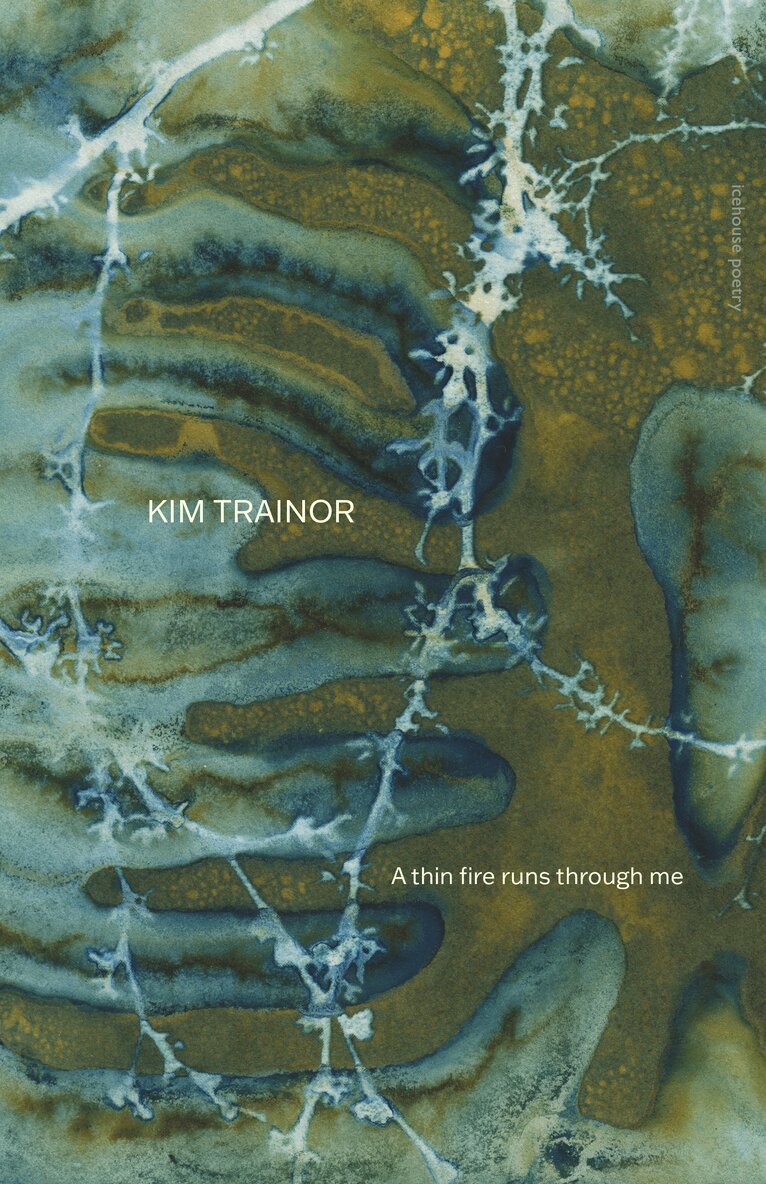
How is she become a desolation, a place for beasts to lie down in.Each line a strip of skin torn from me.In A thin fire runs through me, Kim Trainor interrogates what it means to exist, to navigate the quotidian amidst the constant drip-feed of political and ecological disasters. Written over an intense nine-month period in 2016 and 2017 amidst the stresses of heartbreak, depression, and the progression of a new love, Trainor’s exquisite sequence of short poems offers meditations on different hexagrams in the I Ching, or Book of Changes. Incorporating fragments from reportage on current events, Jewish liturgy, and lyric poetics, she latches her readers to the present while acknowledging the inescapable presence of the past. A thin fire runs through me grapples with Trainor’s own personal circumstance while contemporaneously documenting the tenor of our times, suggesting that “We peer into other lives; we absorb words, headlines, violent events. We see and we don’t see. These scraps are unintegrated, unintegratable, yet we carry them.”
Del 21 - Oskana Poetry & Poetics
Blue thinks itself within me
Lyric poetry, ecology, and lichenous form
Häftad, Engelska, 2026
539 kr
Skickas inom 3-6 vardagar
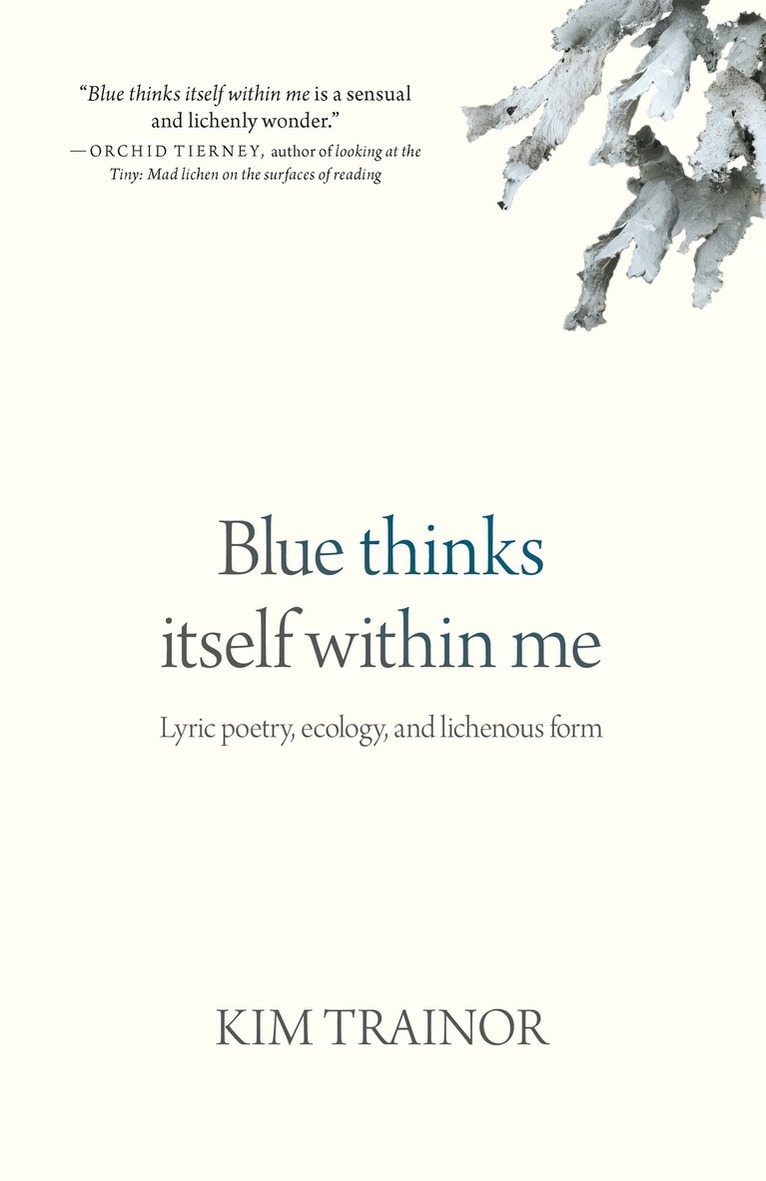
Part autotheory, part activist manifesto, and part ode to the oldgrowth specklebelly lichen, this book about making poems in an age of ecological desperation is both heartbreaking and beautiful.Blue thinks itself within me chronicles the poet Kim Trainor’s experiences as an activist at the Ada’itsx / Fairy Creek blockade to prevent logging of Vancouver Island old growth forests, where she woke at 4:00 a.m. to boil water on a camp stove and wait for the police to arrive at the standoff. The two-year blockade on logging roads and in tree-sits became the largest act of civil disobedience in Canadian history—this multi-genre work brings the reader to the front lines of the fight for human and non-human survival in a climate catastrophe.Trainor asks what, if anything, ecopoetry can do in the face of intensifying extraction of ecological capital. Can poems incorporate non-human species, like the oldgrowth specklebelly lichen that thrives in Fairy Creek, into their very form? How can poetry resist the urge to “capture” the non-human object and instead approach nature with sympathetic care? How might a poem offer an opportunity, like sunlight penetrating a clearing in the forest, to think about nature, to approach, and to be approached by the nonhuman? How might poetry contribute to a co-making of the world with more-than-human-species?