Kishore Mahbubani – författare
Visar alla böcker från författaren Kishore Mahbubani. Handla med fri frakt och snabb leverans.
20 produkter
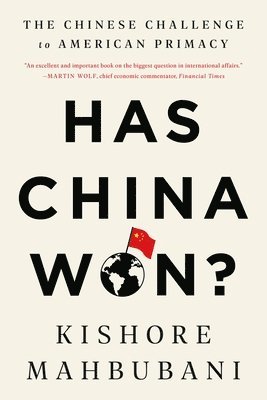
Has China Won?
The Chinese Challenge to American Primacy
Häftad, 2022
258 kr
Lägg i varukorg
The twenty-first century's great geopolitical contest has begun. A major trade war has broken out. American and Chinese naval vessels are having close encounters in the South China Sea. American congressmen and businessmen are cheering their government's public attacks on China. China is standing …
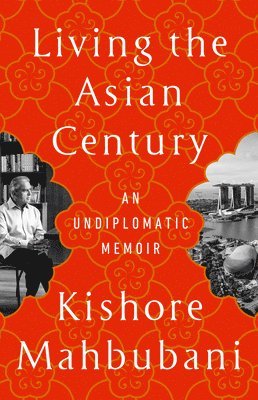
Living the Asian Century
An Undiplomatic Memoir
Häftad, 2024
225 kr
Lägg i varukorg
In this stirring memoir, a preeminent politician and diplomat traces the transformation of the Republic of Singapore from a poor colony into an Asian powerhouseGrowing up in poverty in the 1950s, Kishore Mahbubani expected to become a common textile salesman after finishing high school. Instead, a …
Has China Won?
The Chinese Challenge to American Primacy
Häftad, 2026
190 kr
Kommande
From a former president of the United Nations Security Council, an authoritative look at the US, China, and the defining geopolitical contest of the twenty-first century."An excellent and important book on the biggest question in international affairs: how will the relationship between the US and …
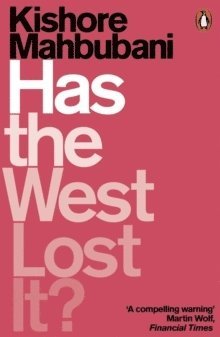
Has the West Lost It?
A Provocation
Häftad, 2019
133 kr
Lägg i varukorg
'A compelling warning ... It is hard to disagree with this advice from such a well-informed friend of the west' Martin Wolf, Financial TimesThe West's two-century epoch as global powerhouse is at an end. A new world order, with China and India as the strongest economies, dawns. How will the West …
Has the West Lost It?
A Provocation
Ljudbok, 2018
115 kr
Lägg i varukorg
Penguin Audio presents Has the West Lost It? by Kishore Mahbubani, read by Jonathan Keeble. The West''s centuries-old status as the centre of global wealth and power is coming to an end. As the new powers - China and India from Asia and others from Africa and Latin America - rise to the top of the …
Has the West Lost It?
A Provocation
E-bok, 2018
96 kr
Lägg i varukorg
The West's two-century epoch as global powerhouse is at an end. A new world order, with China and India as the strongest economies, dawns. How will the West react to its new status of superpower in decline? In Kishore Mahbubani's timely polemic, he argues passionately that the West can no longer …
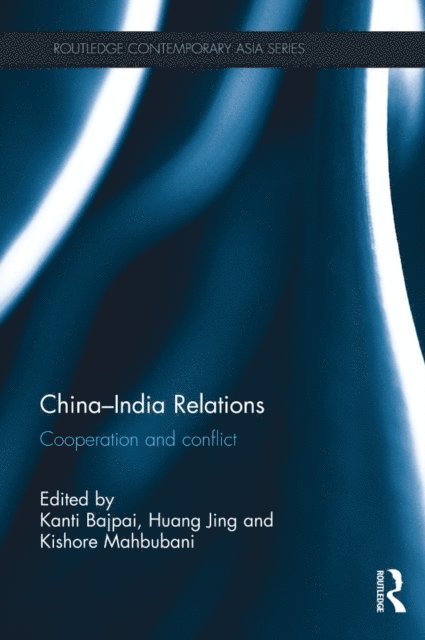
China–India Relations
Cooperation and conflict
Av Kanti Bajpai, Jing Huang m. fl.
Häftad, 2017
750 kr
Lägg i varukorg
The question of whether China and India can cooperate is at the core of global geopolitics. As the two countries grow their economies, the potential for conflict is no longer simply a geopolitical one based on relative power, influence and traditional quarrels over land boundaries.This book …
China–India Relations
Cooperation and conflict
Av Kanti Bajpai, Jing Huang m. fl.
Inbunden, 2015
2513 kr
Lägg i varukorg
The question of whether China and India can cooperate is at the core of global geopolitics. As the two countries grow their economies, the potential for conflict is no longer simply a geopolitical one based on relative power, influence and traditional quarrels over land boundaries.This book …
China-India Relations
Cooperation and conflict
Av Kishore Mahbubani, Jing Huang m. fl.
E-bok, 2015
883 kr
Lägg i varukorg
The question of whether China and India can cooperate is at the core of global geopolitics. As the two countries grow their economies, the potential for conflict is no longer simply a geopolitical one based on relative power, influence and traditional quarrels over land boundaries. This book …
China-India Relations
Cooperation and conflict
Av Kishore Mahbubani, Jing Huang m. fl.
E-bok, 2015
858 kr
Lägg i varukorg
The question of whether China and India can cooperate is at the core of global geopolitics. As the two countries grow their economies, the potential for conflict is no longer simply a geopolitical one based on relative power, influence and traditional quarrels over land boundaries. This book …
New Asian Hemisphere
The Irresistible Shift of Global Power to the East
Häftad, 2009
218 kr
Lägg i varukorg
For two centuries Asians have been bystanders in world history, reacting defencelessly to the surges of Western commerce, thought, and power. That era is over. Asia is returning to the centre stage it occupied for eighteen centuries before the rise of the West. By 2050, three of the world's largest …
Great Convergence
Asia, the West, and the Logic of One World
Häftad, 2014
166 kr
Lägg i varukorg
In this visionary roadmap to the twenty-first-century, Kishore Mahbubani prescribes solutions for improving global institutional order. He diagnoses seven geopolitical fault lines most in need of serious reform. But his message remains optimistic: despite the archaic geopolitical contours that try …
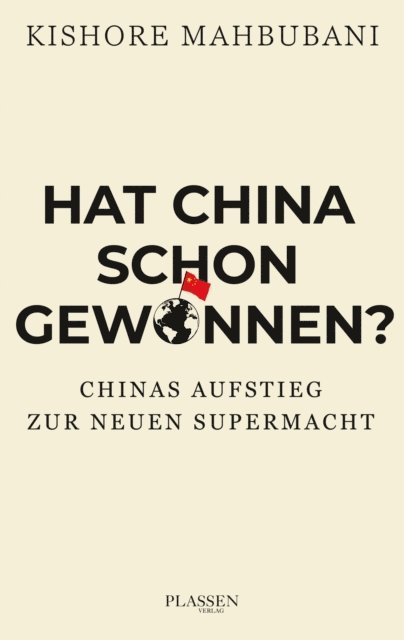
Hat China schon gewonnen?
Chinas Aufstieg zur neuen Supermacht
E-bok, 2021
255 kr
Lägg i varukorg
Sie beobachten sich gegenseitig über den Pazifik hinweg mit Argusaugen und reden übereinander statt miteinander: Längst hat der entscheidende geopolitische Wettstreit des 21. Jahrhunderts zwischen China und den USA begonnen – beides Weltmächte ohne ernsthafte Rivalen. Kishore Mahbubani, …
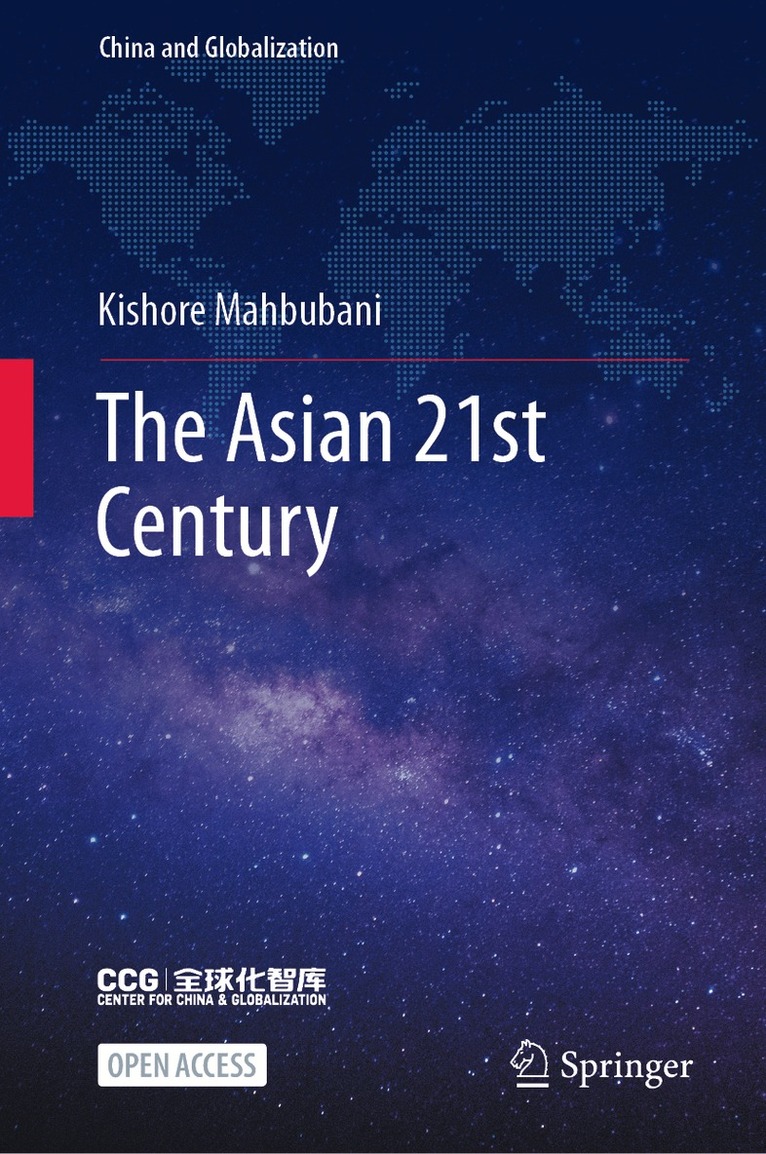
Asian 21st Century
Inbunden, 2021
552 kr
Lägg i varukorg
This open access book consists of essays written by Kishore Mahbubani to explore the challenges and dilemmas faced by the West and Asia in an increasingly interdependent world village and intensifying geopolitical competition. The contents cover four parts: Part One The End of the Era of Western …
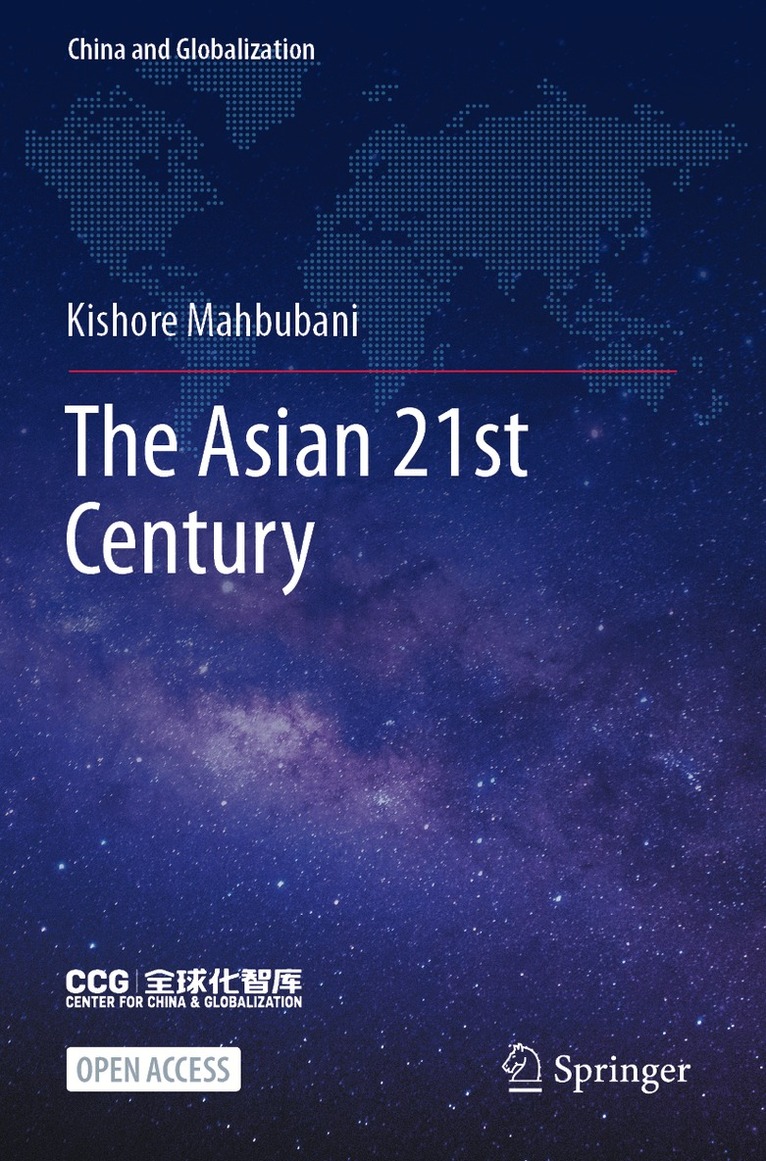
Asian 21st Century
Häftad, 2021
443 kr
Lägg i varukorg
This open access book consists of essays written by Kishore Mahbubani to explore the challenges and dilemmas faced by the West and Asia in an increasingly interdependent world village and intensifying geopolitical competition. The contents cover four parts: Part One The End of the Era of Western …
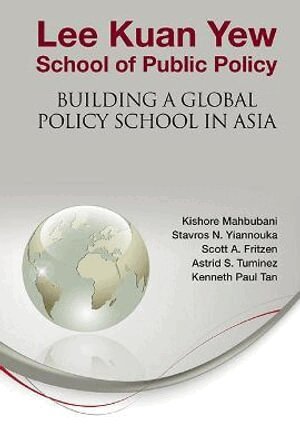
LEE KUAN YEW SCHOOL OF PUBLIC POLICY: BUILDING A GLOBAL POLICY SCHOOL IN ASIA
Av Kishore Mahbubani, Stavros N Yiannouka m. fl.
Inbunden, 2012
284 kr
Lägg i varukorg
In an industry of higher education that measures the longevity of its leading institutions in decades and centuries, the establishment and rapid growth of the eight-year-old Lee Kuan Yew School of Public Policy (LKY School), National University of Singapore, is a remarkable story that deserves to …
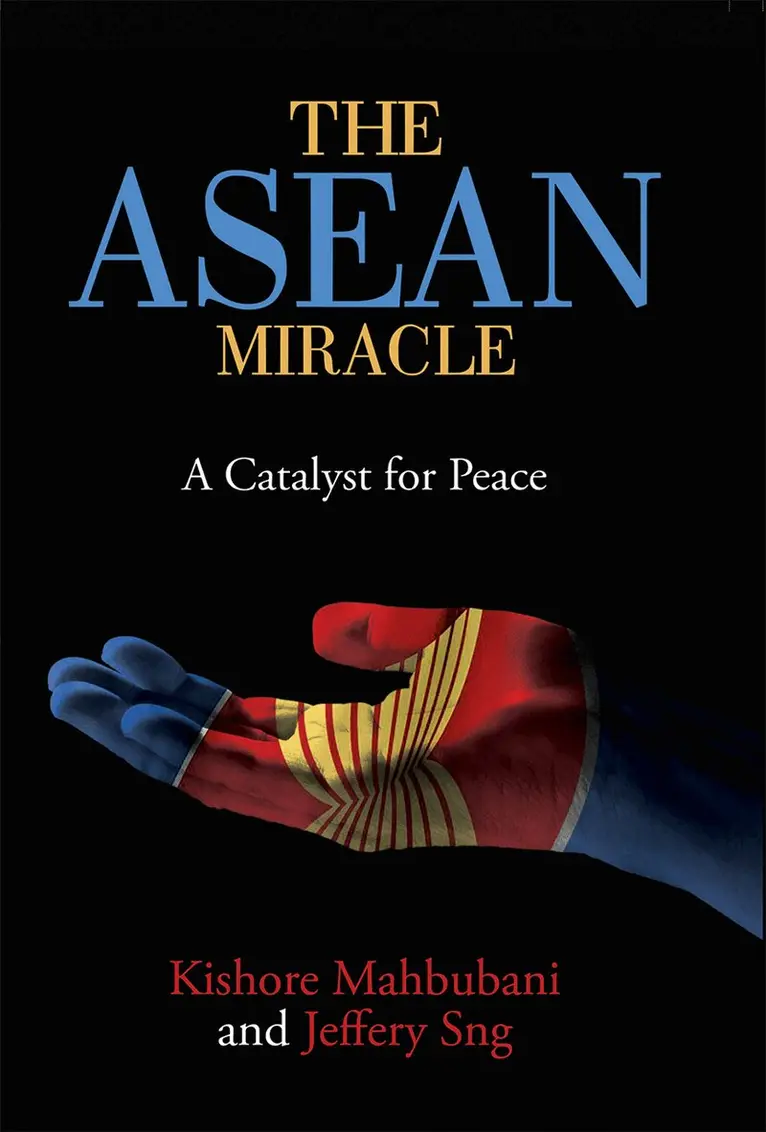
ASEAN Miracle
A Catalyst for Peace
Av Kishore Mahbubani, Jeffery Sng
Inbunden, 2017
238 kr
Lägg i varukorg
The Association of Southeast Asian Nations is a miracle. Why?In an era of growing cultural pessimism, many thoughtful individuals believe that different civilisations—especially Islam and the West—cannot live together in peace. The ten countries of ASEAN provide a thriving counter-example of …
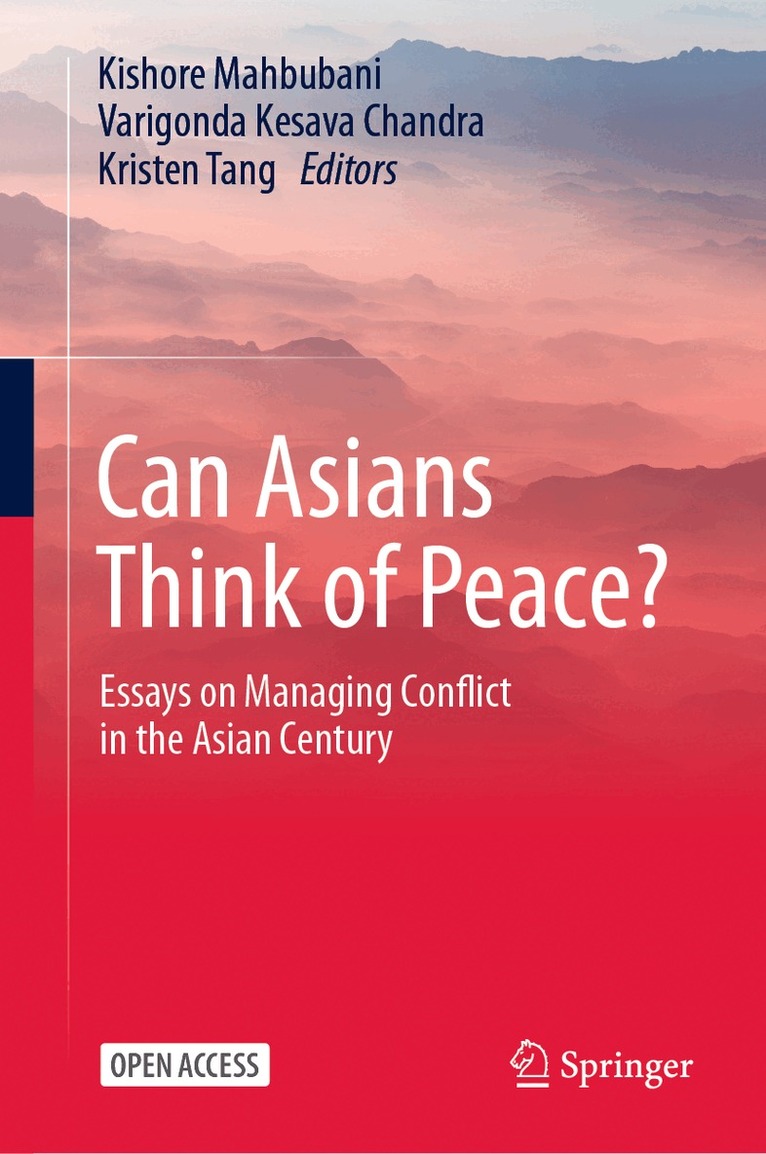
Can Asians Think of Peace?
Essays on Managing Conflict in the Asian Century
Av Kishore Mahbubani, Varigonda Kesava Chandra m. fl.
Inbunden, 2025
552 kr
Kommande
This open access book explores the shifting dynamics of global power, highlighting Asia's resurgence. For centuries before the Western colonial era, China and India dominated the world economy. Now, Asia is reclaiming its historical prominence. China presents a formidable challenge to American …
Can Asians Think of Peace?
Essays on Managing Conflict in the Asian Century
Av Kishore Mahbubani, Varigonda Kesava Chandra m. fl.
Häftad, 2026
443 kr
Lägg i varukorg
This open access book explores the shifting dynamics of global power, highlighting Asia's resurgence. For centuries before the Western colonial era, China and India dominated the world economy. Now, Asia is reclaiming its historical prominence. China presents a formidable challenge to American …