Varigonda Kesava Chandra – författare
Visar alla böcker från författaren Varigonda Kesava Chandra. Handla med fri frakt och snabb leverans.
6 produkter
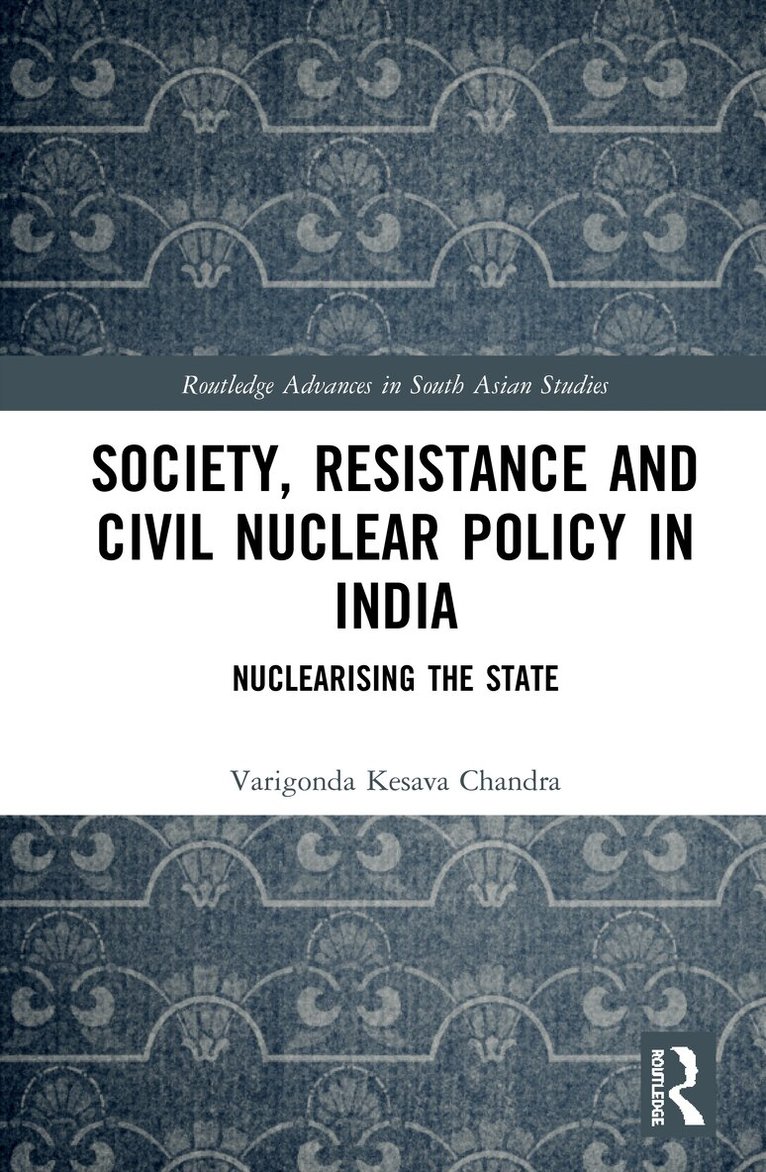
Society, Resistance and Civil Nuclear Policy in India
Nuclearising the State
Inbunden, 2020
695 kr
Lägg i varukorg
This book explores how anti-nuclear social movements impact the state’s civil nuclear policy and its implementation by presenting a historical-comparative case study of anti-nuclear movements in India.Drawing on social movement theory and empirical methods, the book demonstrates that the ability …
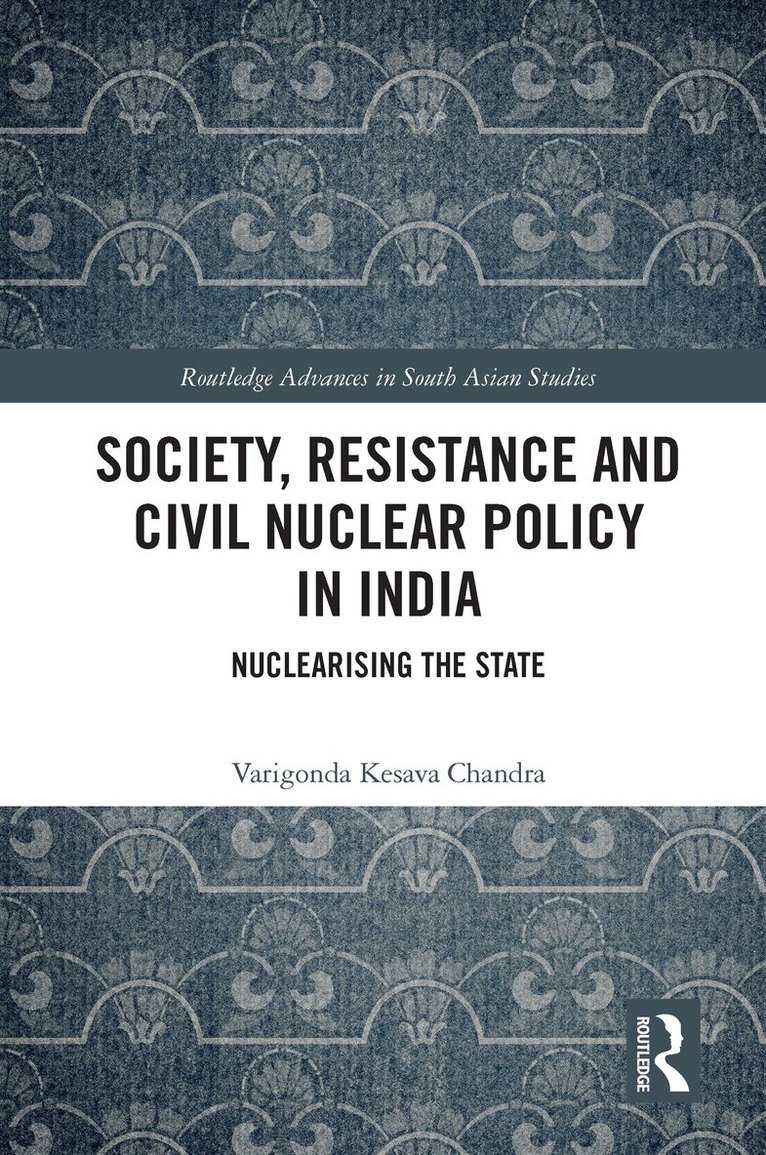
Society, Resistance and Civil Nuclear Policy in India
Nuclearising the State
Häftad, 2022
557 kr
Lägg i varukorg
This book explores how anti-nuclear social movements impact the state’s civil nuclear policy and its implementation by presenting a historical-comparative case study of anti-nuclear movements in India.Drawing on social movement theory and empirical methods, the book demonstrates that the ability …
Society, Resistance and Civil Nuclear Policy in India
Nuclearising the State
E-bok, 2020
814 kr
Lägg i varukorg
This book explores how anti-nuclear social movements impact the state’s civil nuclear policy and its implementation by presenting a historical-comparative case study of anti-nuclear movements in India. Drawing on social movement theory and empirical methods, the book demonstrates that the ability …
Society, Resistance and Civil Nuclear Policy in India
Nuclearising the State
E-bok, 2020
814 kr
Lägg i varukorg
This book explores how anti-nuclear social movements impact the state’s civil nuclear policy and its implementation by presenting a historical-comparative case study of anti-nuclear movements in India. Drawing on social movement theory and empirical methods, the book demonstrates that the ability …
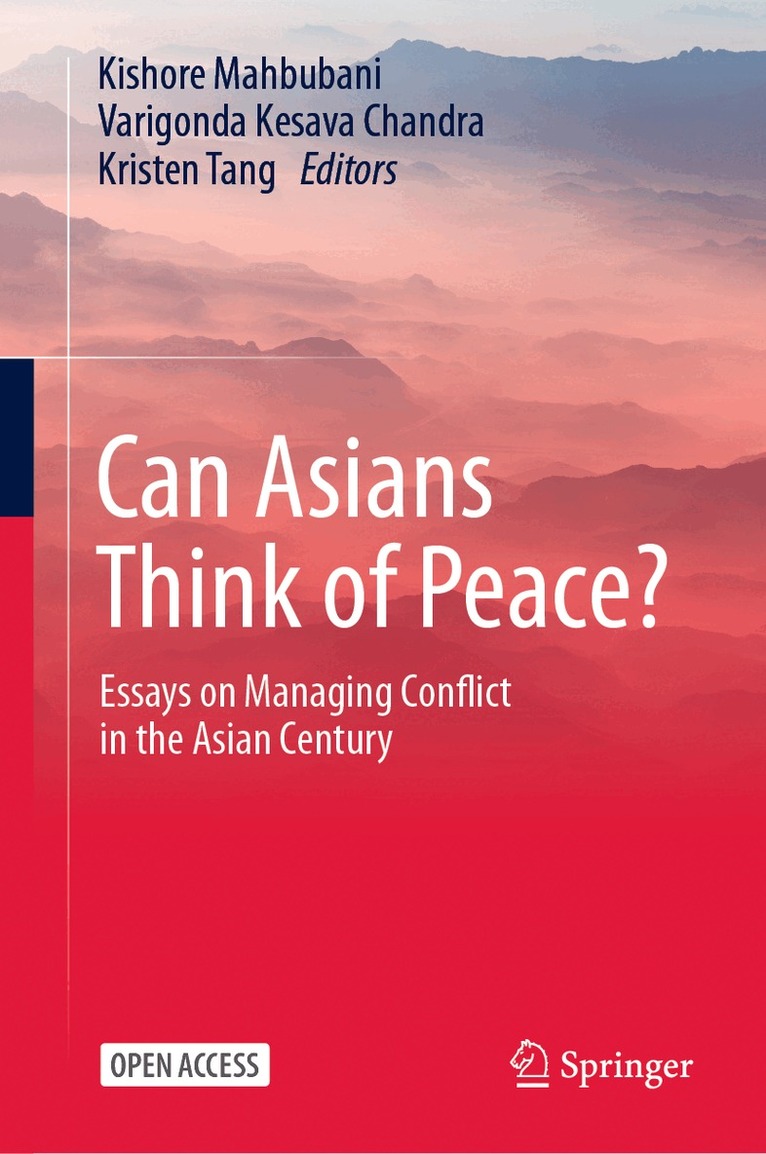
Can Asians Think of Peace?
Essays on Managing Conflict in the Asian Century
Av Kishore Mahbubani, Varigonda Kesava Chandra m. fl.
Inbunden, 2025
552 kr
Kommande
This open access book explores the shifting dynamics of global power, highlighting Asia's resurgence. For centuries before the Western colonial era, China and India dominated the world economy. Now, Asia is reclaiming its historical prominence. China presents a formidable challenge to American …
Can Asians Think of Peace?
Essays on Managing Conflict in the Asian Century
Av Kishore Mahbubani, Varigonda Kesava Chandra m. fl.
Häftad, 2026
443 kr
Lägg i varukorg
This open access book explores the shifting dynamics of global power, highlighting Asia's resurgence. For centuries before the Western colonial era, China and India dominated the world economy. Now, Asia is reclaiming its historical prominence. China presents a formidable challenge to American …