Kitty F. Emery - Böcker
Visar alla böcker från författaren Kitty F. Emery. Handla med fri frakt och snabb leverans.
5 produkter
5 produkter
886 kr
Skickas inom 10-15 vardagar
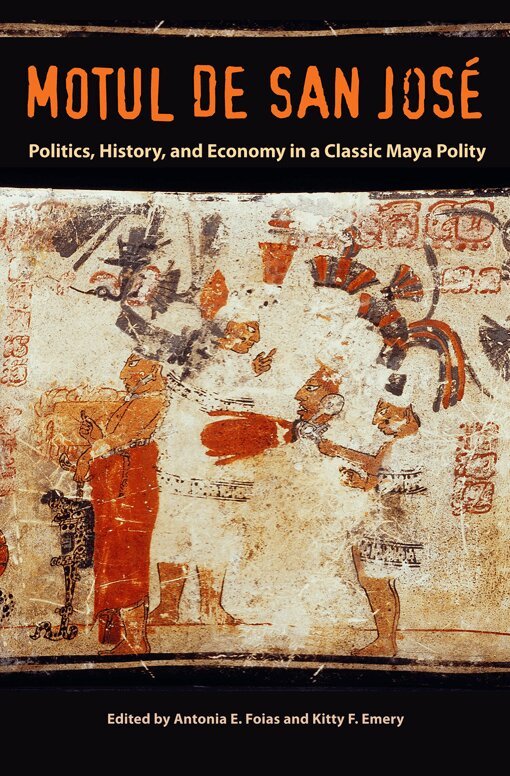
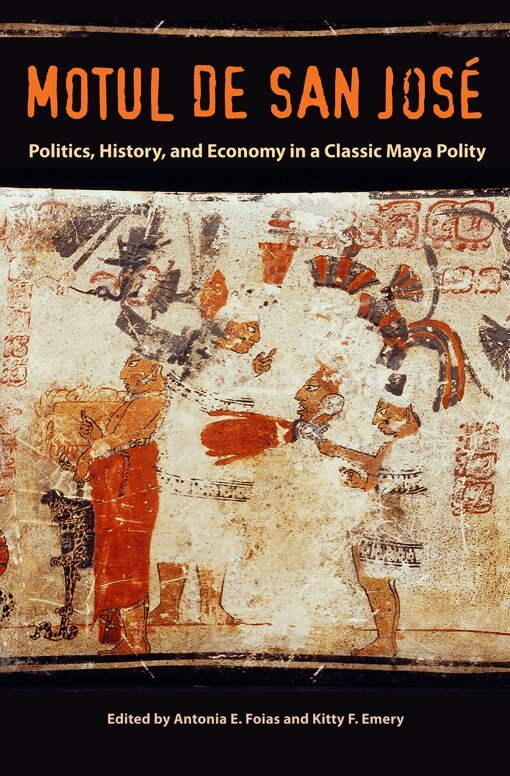
Scholars have long debated the nature of Maya political organisation during the Classic period (AD 250–950). Complex questions regarding political centralisation, economic change, and the role of politics and economics in the rise and collapse of the civilisation have been examined and reexamined from a variety of perspectives. Antonia Foias and Kitty Emery have assembled a broad collection of essays all focused on a single polity, that of Motul de San José.By presenting a coherent interdisciplinary body of archaeological and environmental data, the volume offers an intensely deep, focused investigation of the various models of the ancient Maya political and economic systems. Research conducted over six seasons of fieldwork reveals a more centralised political system than expected and uncovers the workings of the ancient economic structure. The contributors offer new details concerning how involved royals and non-royal elites were in the politics of nearby states, as well as an extensive tribute system
488 kr
Skickas inom 10-15 vardagar
Scholars have long debated the nature of Maya political organization during the Classic period (AD 250-950). Complex questions regarding political centralization, economic change, and the role of politics and economics in the rise and collapse of the civilization have been examined and reexamined from a variety of perspectives. Antonia Foias and Kitty Emery have assembled a broad collection of essays all focused on a single polity, that of Motul de San José.
Dietary, Environmental, and Societal Implications of Ancient Maya Animal Use in the Petexbatun
A Zooarchaeological Perspective on the Collapse
Inbunden, Engelska, 2010
1 542 kr
Skickas inom 3-6 vardagar
The Classic Maya 'collapse' has been attributed to environmental destruction, declining dietary health, and social changes such as increased warfare or changing economies. This study explores these models using ancient animal remains recovered from the Petexbatun archaeological sites. The species found in the Petexbatun faunal collections are compared as proxy evidence for the ancient habitats and landscapes that would have existed around the sites. They reveal that the ancient landscape of the Petexbatun region was not significantly deforested or otherwise destroyed at the end of the Classic period. Bone chemistry of archaeological deer bones confirms that there was no significant expanse of agricultural fields at the expense of forested lands over the occupation of the region. The animal remains are next used to test a related model for the Maya collapse: dietary failure. Comparisons of the remains of food species from residential deposits indicate that the Petexbatun Maya were in no danger of famine or protein deficiency - they neither overhunted their animal resources nor destroyed their habitats to the extent that dietary species were no longer available. An intriguing deposit of worked animal bone from the capital city of Dos Pilas offers a clue to the puzzle. Here, following the abandonment of the site by the ruling elite, a family group manufactured quantities of utilitarian bone artifacts, probably for trade with other scattered communities in the region. This finding suggests the importance of re-evaluating socioeconomic causality for this transitional period in the Petexbatun and elsewhere in the southern Maya lowlands.
1 258 kr
Skickas inom 5-8 vardagar
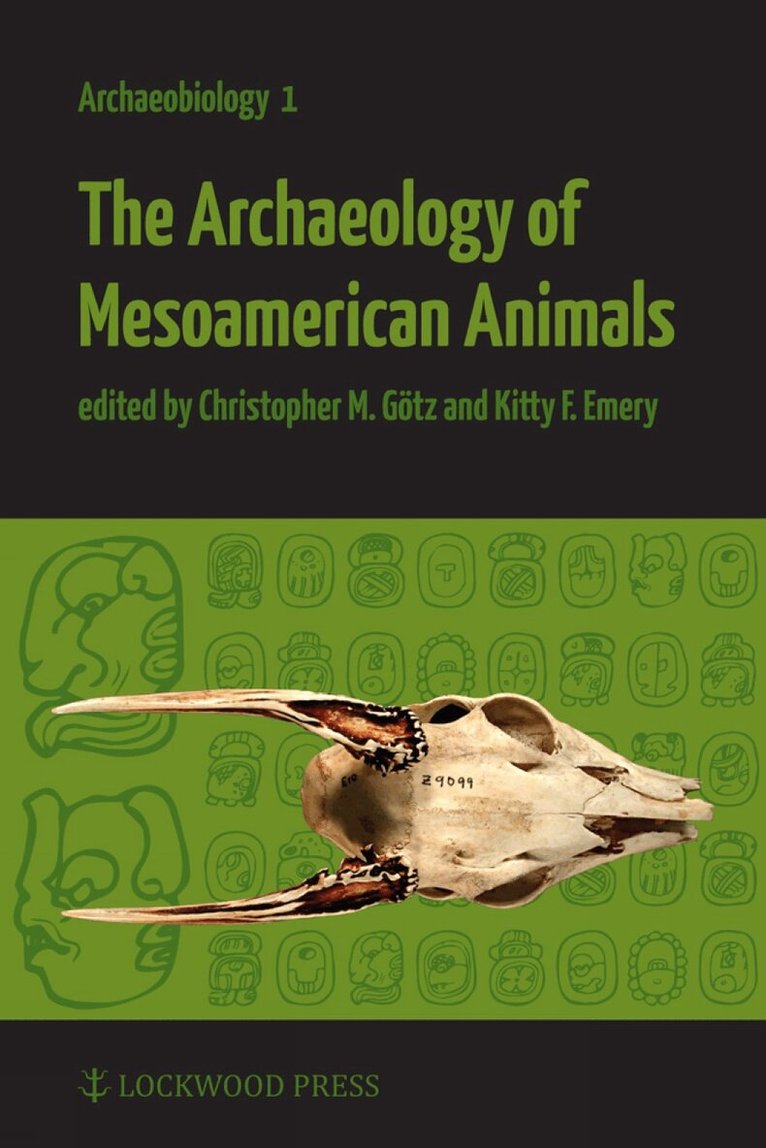
Includes 100 figures and 200 tables. Recognition of the role of animals in ancient diet, economy, politics, and ritual is vital to understanding ancient cultures. Following the clues available from animal remains in reconstructing environments is vital to understanding the ancient relationship between humans and the world around them. In response to the growing interest in the field of zooarchaeology, this volume presents current research from across the many cultures and regions of Mesoamerica, dealing specifically with the most current issues in zooarchaeological literature. Geographically, the essays collected here index the different aspects of animal use by the indigenous populations of the entire area between the northern borders of Mexico and the southern borders of lower Central America. This includes such diverse cultures as the north Mexican hunter-gatherers, the Olmec, Maya, Mixtec, Zapotec, and Central American Indians. The time frame of the volume extends from the earliest human occupation, the Preclassic, Classic, Postclassic, and Colonial manifestations, to recent times. The book's chapters, written by experts in the field of Mesoamerican zooarchaeology, provide important general background on the domestic and ritual use of animals in early and classic Mesoamerica and Central America. English text. Spanish-language version also available (ISBN 978-1-937040-12-3).
1 302 kr
Skickas inom 5-8 vardagar
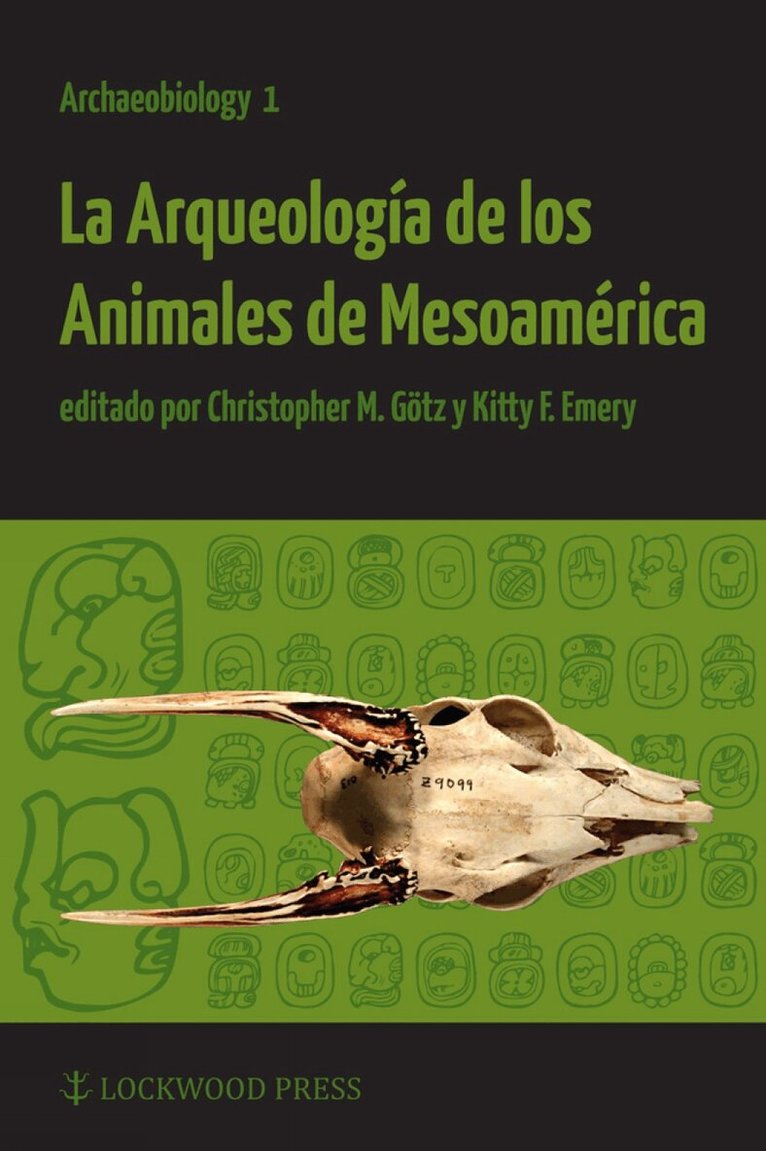
El reconocimiento del papel de los animales en las antiguas dietas, en las economías, políticas y los rituales, es vital para poder entender a las culturas del pasado en su totalidad. Por el otro lado, seguir las claves que se obtienen de restos de animales pretéritos puede aproximarnos a entender la antigua relación que existía entre los humanos y el mundo que les rodeaba.En respuesta a un creciente interés en el campo de la zooarqueología, este libro presenta investigaciones que representan a las múltiples culturas y regiones de Mesoamérica, tratando específicamente los aspectos más recurrentes en la literatura zooarqueológica.Desde el punto de vista geográfico, los ensayos reunidos aquí informan acerca del uso de animales por parte de los pueblos indígenas de toda el área mesoamericana, ubicada entre los confines norteños de México y la frontera sur, en Centroamérica. Esto incluye culturas tan diversas como los olmecas, mayas, mixtecos, zapotecos e indígenas de Centroamérica. El marco temporal del libro se extiende desde el Preclásico y Clásico, sobre el Posclásico, los tiempos coloniales e históricos, hasta la época actual. Los capítulos del libro, escritos por expertos en la materia de la zooarqueología mesoamericana, proporcionan un fondo de conocimiento general e importante acerca del uso doméstico y ritual durante los tiempos tempranos y clásicos de Mesoamérica y Centroamérica, pero abarcan también aspectos específicos de la relación entre humanos y animales, tales como la domesticación temprana y el simbolismo de animales, así como otros puntos aún pobremente entendidos, relacionados a la tafonomía y a la metodología zooarqueológica.Spanish text.English-language version also available (ISBN 978-1-937040-05-5).