Koji Nomura – författare
Visar alla böcker från författaren Koji Nomura. Handla med fri frakt och snabb leverans.
6 produkter
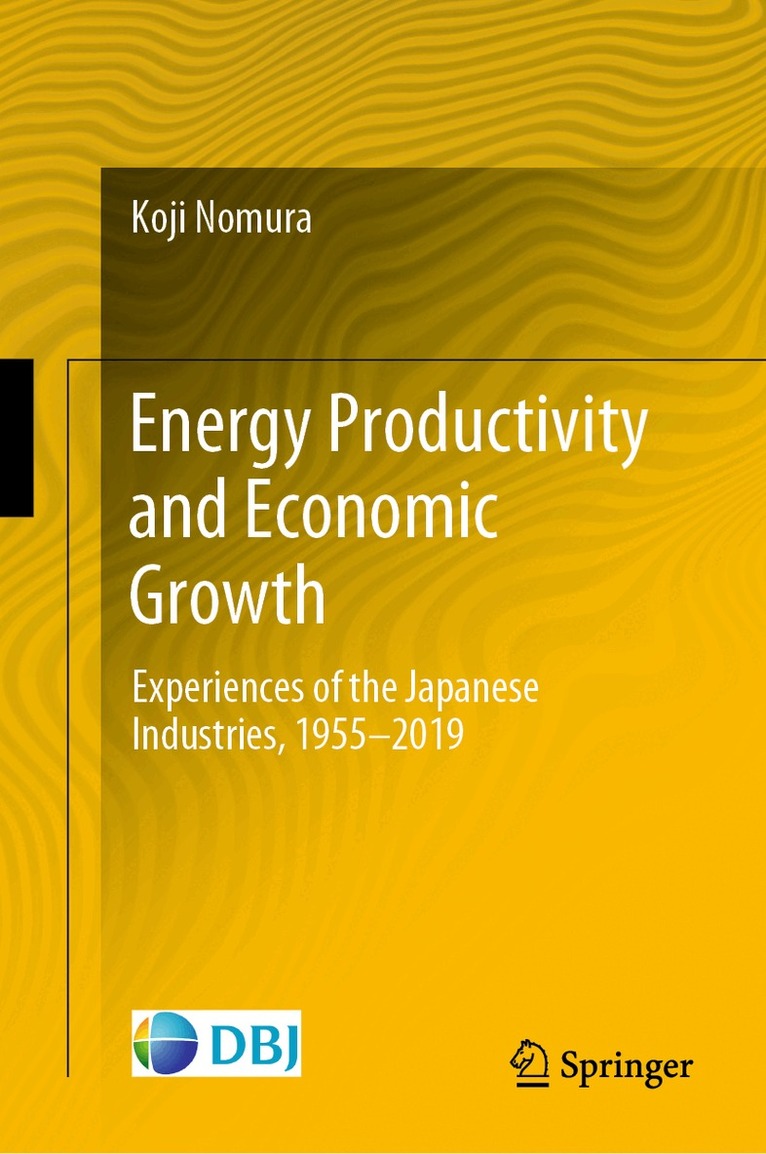
Energy Productivity and Economic Growth
Experiences of the Japanese Industries, 1955–2019
Av Koji Nomura
Inbunden, 2023
1467 kr
Lägg i varukorg
Energy costs in the economy amount to only a few percent of gross domestic product, but their importance to economic growth is much greater than their apparent number. Energy is used in almost all production and consumption activities, and energy price changes induce significant spillover effects …
Energy Productivity and Economic Growth
Experiences of the Japanese Industries, 1955–2019
Av Koji Nomura
E-bok, 2023
1798 kr
Lägg i varukorg
Energy costs in the economy amount to only a few percent of gross domestic product, but their importance to economic growth is much greater than their apparent number. Energy is used in almost all production and consumption activities, and energy price changes induce significant spillover effects …
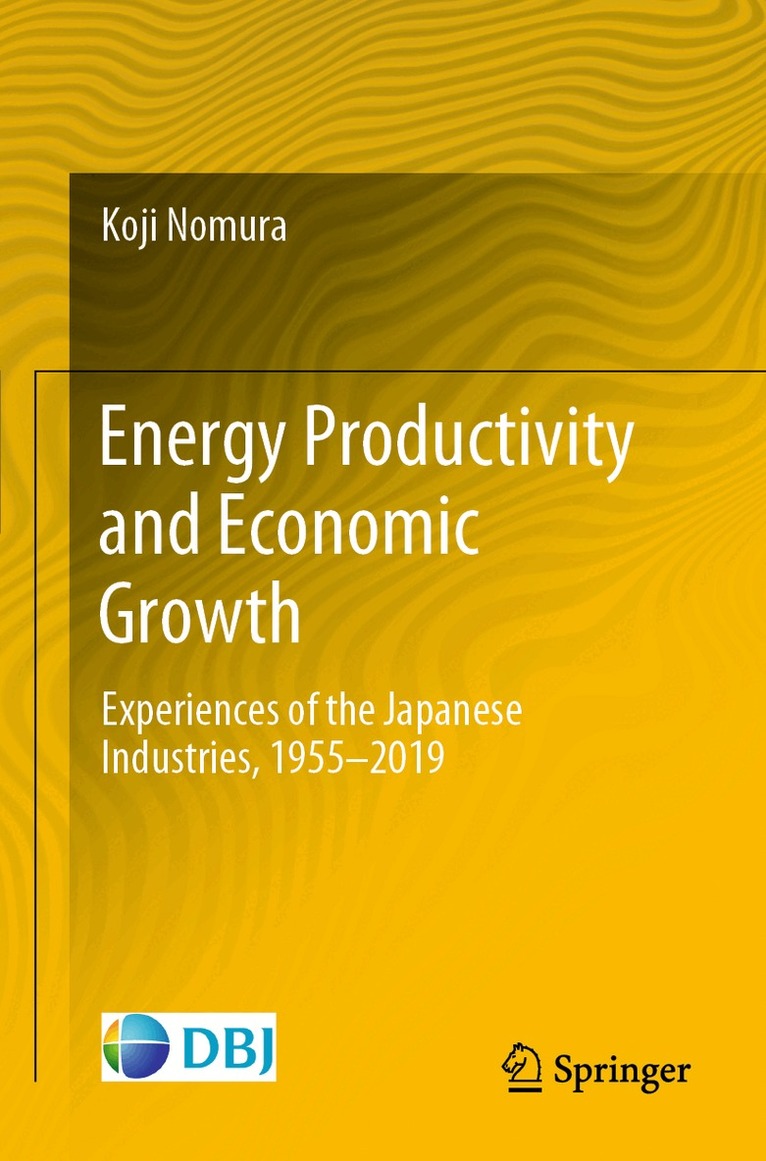
Energy Productivity and Economic Growth
Experiences of the Japanese Industries, 1955–2019
Av Koji Nomura
Häftad, 2024
1467 kr
Lägg i varukorg
Energy costs in the economy amount to only a few percent of gross domestic product, but their importance to economic growth is much greater than their apparent number. Energy is used in almost all production and consumption activities, and energy price changes induce significant spillover effects …
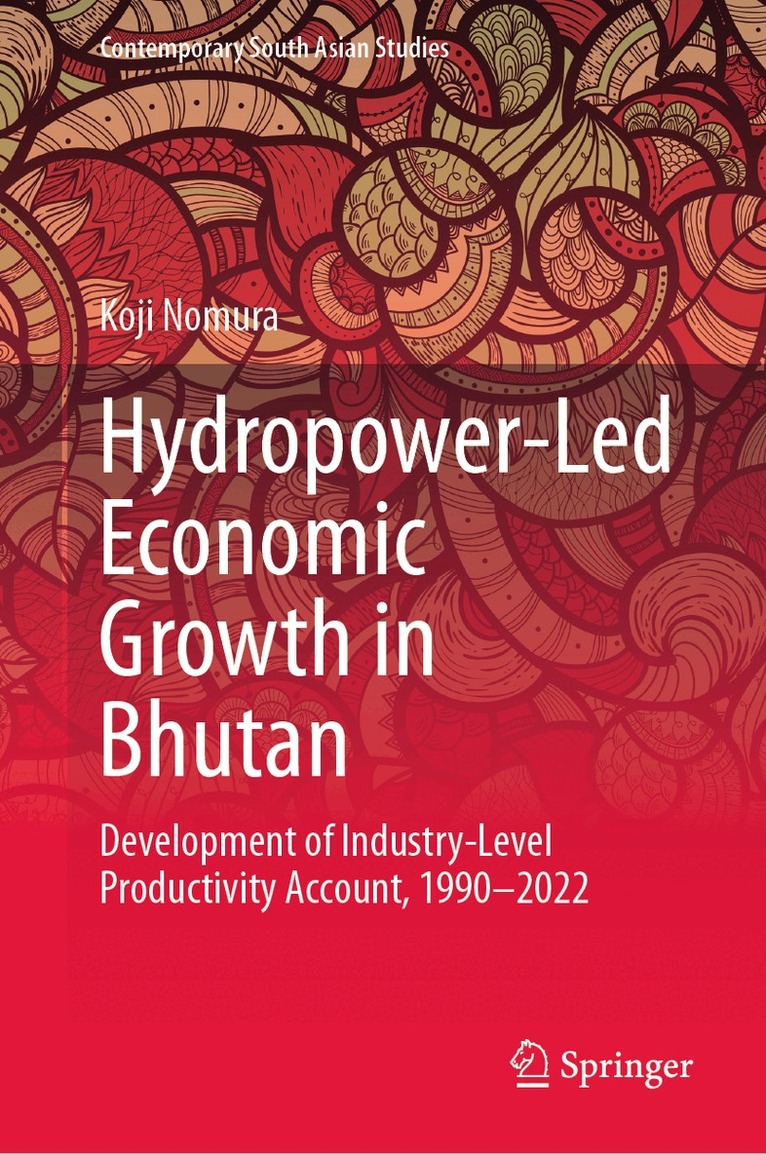
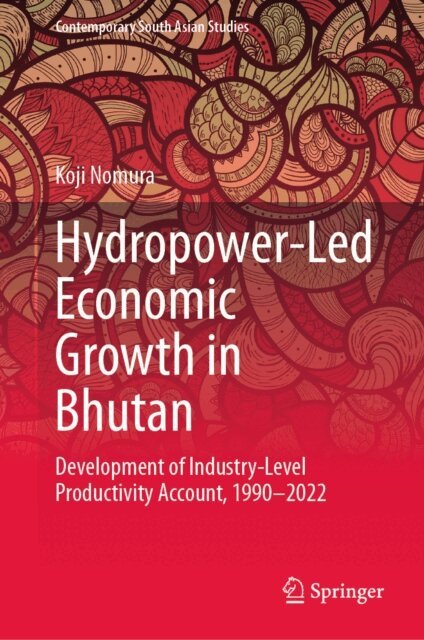
Hydropower-Led Economic Growth in Bhutan
Development of Industry-Level Productivity Account, 1990–2022
Av Koji Nomura
Inbunden, 2025
1467 kr
Lägg i varukorg
This book provides a comprehensive analysis of Bhutan’s economic growth and productivity dynamics from 1990 to 2022, with a special focus on hydropower development. Through the construction of detailed industry-level productivity accounts, the study addresses significant data gaps in Bhutan’s …
Hydropower-Led Economic Growth in Bhutan
Development of Industry-Level Productivity Account, 1990–2022
Av Koji Nomura
E-bok, 2025
1838 kr
Lägg i varukorg
This book provides a comprehensive analysis of Bhutan’s economic growth and productivity dynamics from 1990 to 2022, with a special focus on hydropower development. Through the construction of detailed industry-level productivity accounts, the study addresses significant data gaps in Bhutan’s …
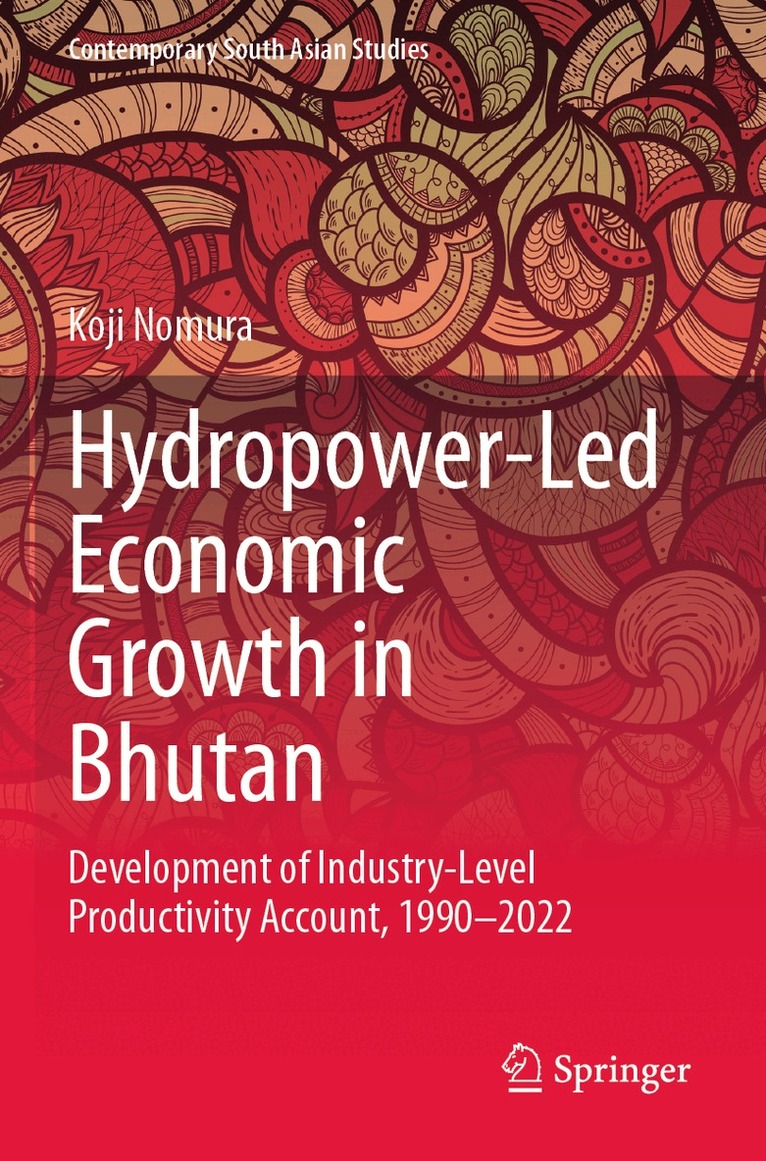
Hydropower-Led Economic Growth in Bhutan
Development of Industry-Level Productivity Account, 1990–2022
Av Koji Nomura
Häftad, 2026
1467 kr
Lägg i varukorg
This book provides a comprehensive analysis of Bhutan’s economic growth and productivity dynamics from 1990 to 2022, with a special focus on hydropower development. Through the construction of detailed industry-level productivity accounts, the study addresses significant data gaps in Bhutan’s …