Komozi Woodard - Böcker
Visar alla böcker från författaren Komozi Woodard. Handla med fri frakt och snabb leverans.
5 produkter
5 produkter
513 kr
Skickas inom 10-15 vardagar
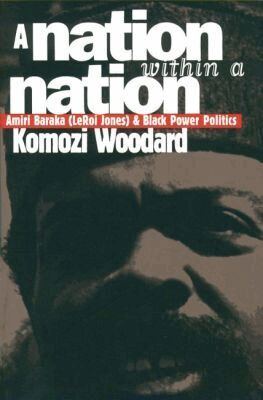
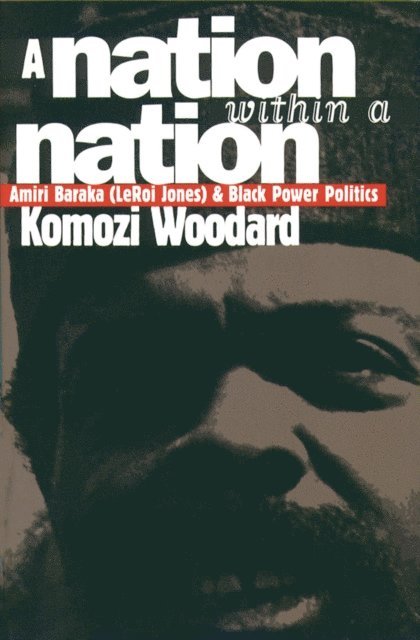
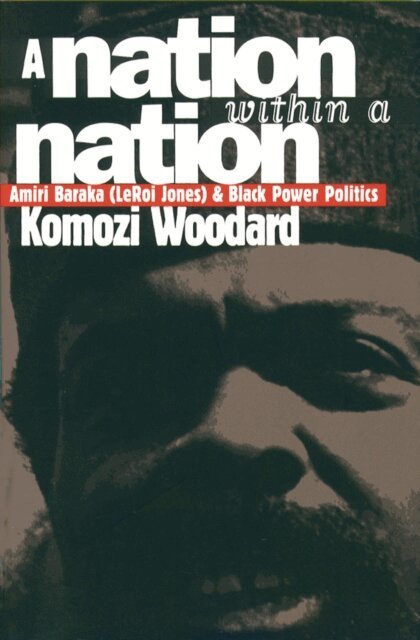
Poet and playwright Amiri Baraka is best known as one of the African American writers who helped ignite the Black Arts Movement of the 1960s. This book examines Baraka's cultural approach to Black Power politics and explores his role in the phenomenal spread of black nationalism in the urban centers of late-twentieth-century America, including his part in the election of black public officials, his leadership in the Modern Black Convention Movement, and his work in housing and community development. Komozi Woodard traces Baraka's transformation from poet to political activist, as the rise of the Black Arts Movement pulled him from political obscurity in the Beat circles of Greenwich Village, swept him into the center of the Black Power Movement, and ultimately propelled him into the ranks of black national political leadership. Moving outward from Baraka's personal story, Woodard illuminates the dynamics and remarkable rise of black cultural nationalism with an eye toward the movement's broader context, including the impact of black migrations on urban ethos, the importance of increasing urban concentrations of African Americans, and the effect of the 1965 Voting Rights Act on black political mobilization.
952 kr
Skickas inom 10-15 vardagar
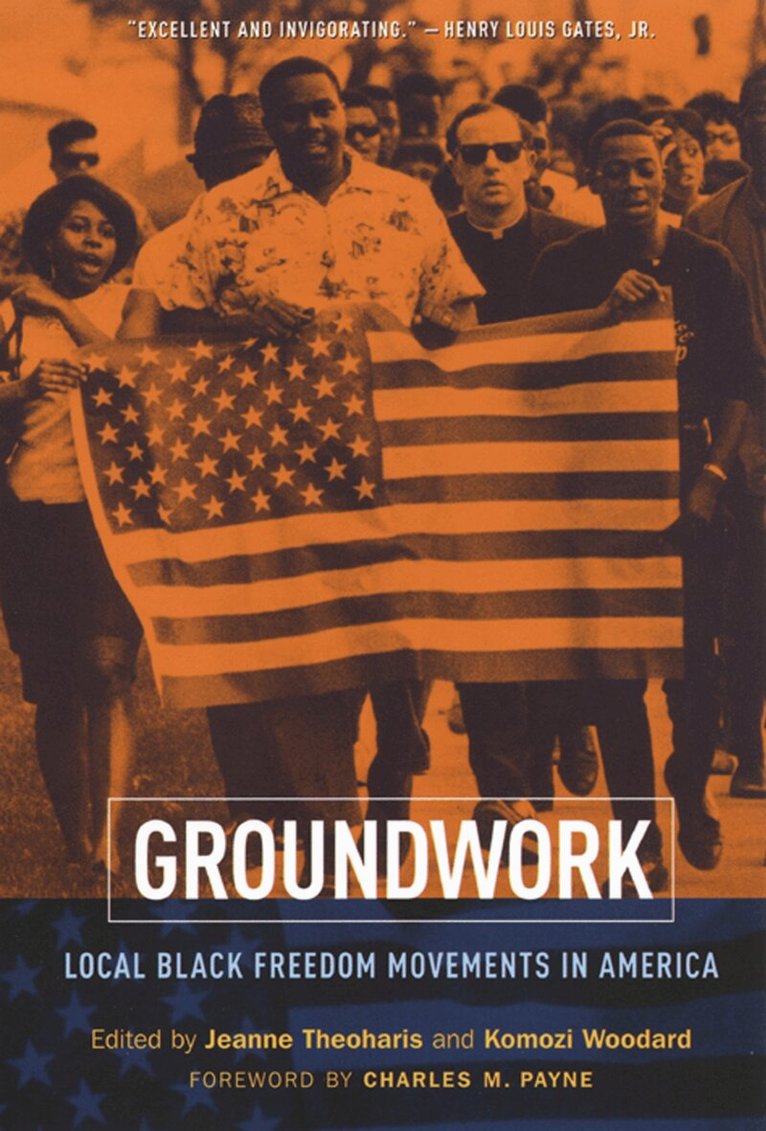
Pathbreaking essays on the power of local activism on the broader Civil Rights movementOver the last several years, the traditional narrative of the civil rights movement as largely a southern phenomenon, organized primarily by male leaders, that roughly began with the 1955 Montgomery Bus Boycott and ended with the Voting Rights Act of 1965, has been complicated by studies that root the movement in smaller communities across the country. These local movements had varying agendas and organizational development, geared to the particular circumstances, resources, and regions in which they operated. Local civil rights activists frequently worked in tandem with the national civil rights movement but often functioned autonomously from—and sometimes even at odds with—the national movement.Together, the pathbreaking essays in Groundwork teach us that local civil rights activity was a vibrant component of the larger civil rights movement, and contributed greatly to its national successes. Individually, the pieces offer dramatic new insights about the civil rights movement, such as the fact that a militant black youth organization in Milwaukee was led by a white Catholic priest and in Cambridge, Maryland, by a middle-aged black woman; that a group of middle-class, professional black women spearheaded Jackson, Mississippi's movement for racial justice and made possible the continuation of the Freedom Rides, and that, despite protests from national headquarters, the Brooklyn chapter of the Congress of Racial Equality staged a dramatic act of civil disobedience at the 1964 World's Fair in New York.No previous volume has enabled readers to examine several different local movements together, and in so doing, Groundwork forges a far more comprehensive vision of the black freedom movement.
406 kr
Skickas inom 10-15 vardagar
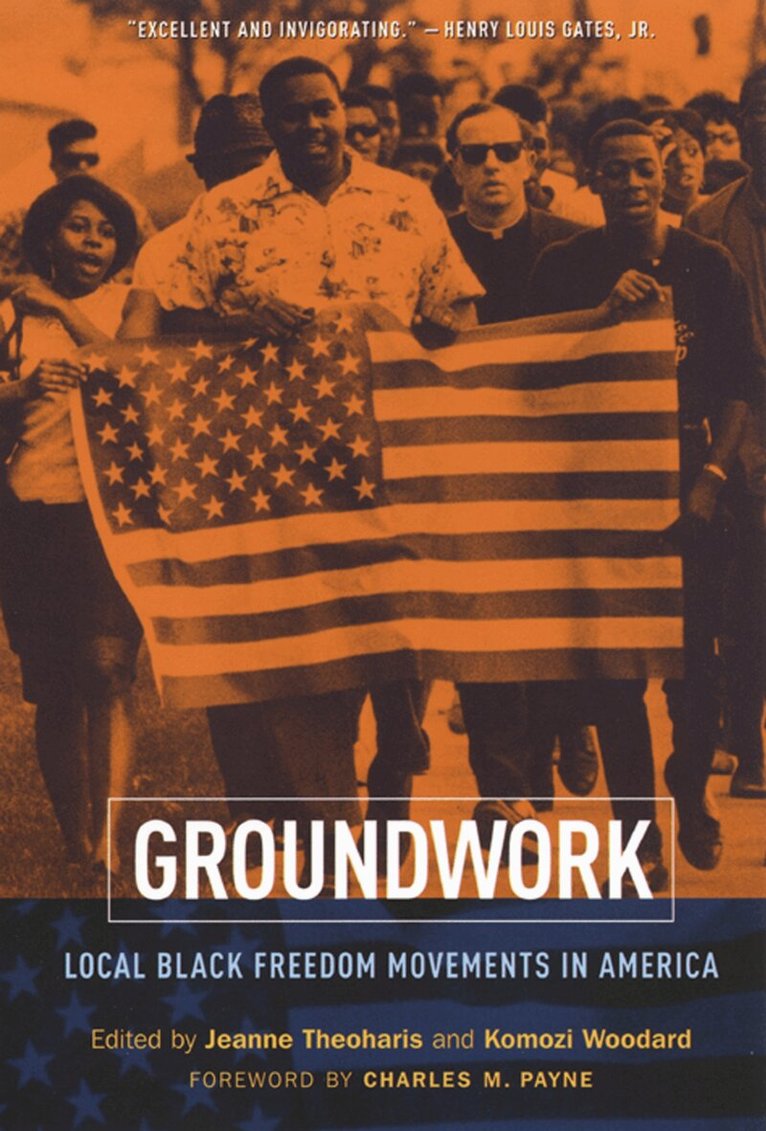
Pathbreaking essays on the power of local activism on the broader Civil Rights movementOver the last several years, the traditional narrative of the civil rights movement as largely a southern phenomenon, organized primarily by male leaders, that roughly began with the 1955 Montgomery Bus Boycott and ended with the Voting Rights Act of 1965, has been complicated by studies that root the movement in smaller communities across the country. These local movements had varying agendas and organizational development, geared to the particular circumstances, resources, and regions in which they operated. Local civil rights activists frequently worked in tandem with the national civil rights movement but often functioned autonomously from—and sometimes even at odds with—the national movement.Together, the pathbreaking essays in Groundwork teach us that local civil rights activity was a vibrant component of the larger civil rights movement, and contributed greatly to its national successes. Individually, the pieces offer dramatic new insights about the civil rights movement, such as the fact that a militant black youth organization in Milwaukee was led by a white Catholic priest and in Cambridge, Maryland, by a middle-aged black woman; that a group of middle-class, professional black women spearheaded Jackson, Mississippi's movement for racial justice and made possible the continuation of the Freedom Rides, and that, despite protests from national headquarters, the Brooklyn chapter of the Congress of Racial Equality staged a dramatic act of civil disobedience at the 1964 World's Fair in New York.No previous volume has enabled readers to examine several different local movements together, and in so doing, Groundwork forges a far more comprehensive vision of the black freedom movement.
912 kr
Skickas inom 10-15 vardagar
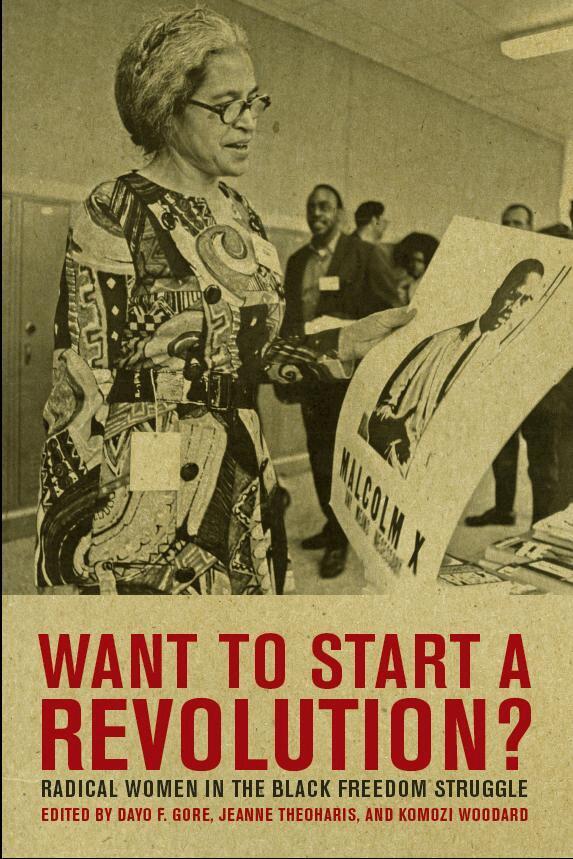
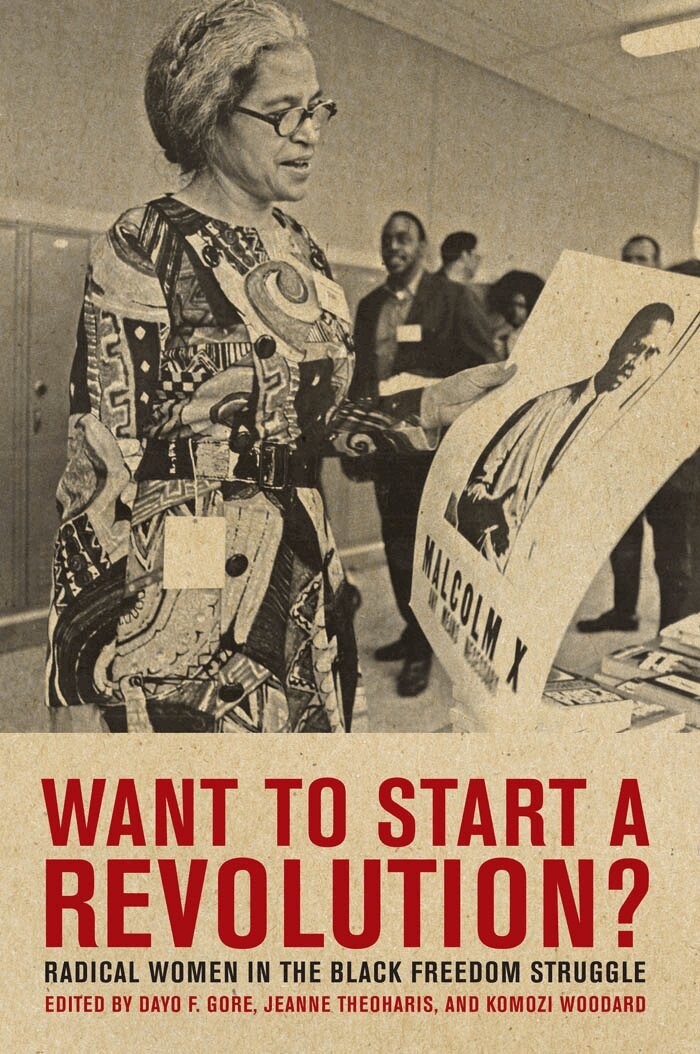
Uncovers the often overlooked stories of the women who shaped the black freedom struggleThe story of the black freedom struggle in America has been overwhelmingly male-centric, starring leaders like Martin Luther King, Jr., Malcolm X, and Huey Newton. With few exceptions, black women have been perceived as supporting actresses; as behind-the-scenes or peripheral activists, or rank and file party members. But what about Vicki Garvin, a Brooklyn-born activist who became a leader of the National Negro Labor Council and guide to Malcolm X on his travels through Africa? What about Shirley Chisholm, the first black Congresswoman?From Rosa Parks and Esther Cooper Jackson, to Shirley Graham DuBois and Assata Shakur, a host of women demonstrated a lifelong commitment to radical change, embracing multiple roles to sustain the movement, founding numerous groups and mentoring younger activists. Helping to create the groundwork and continuity for the movement by operating as local organizers, international mobilizers, and charismatic leaders, the stories of the women profiled in Want to Start a Revolution? help shatter the pervasive and imbalanced image of women on the sidelines of the black freedom struggle.Contributors: Margo Natalie Crawford, Prudence Cumberbatch, Johanna Fernández, Diane C. Fujino, Dayo F. Gore, Joshua Guild, Gerald Horne, Ericka Huggins, Angela D. LeBlanc-Ernest, Joy James, Erik McDuffie, Premilla Nadasen, Sherie M. Randolph, James Smethurst, Margaret Stevens, and Jeanne Theoharis.
406 kr
Skickas inom 10-15 vardagar
Uncovers the often overlooked stories of the women who shaped the black freedom struggleThe story of the black freedom struggle in America has been overwhelmingly male-centric, starring leaders like Martin Luther King, Jr., Malcolm X, and Huey Newton. With few exceptions, black women have been perceived as supporting actresses; as behind-the-scenes or peripheral activists, or rank and file party members. But what about Vicki Garvin, a Brooklyn-born activist who became a leader of the National Negro Labor Council and guide to Malcolm X on his travels through Africa? What about Shirley Chisholm, the first black Congresswoman?From Rosa Parks and Esther Cooper Jackson, to Shirley Graham DuBois and Assata Shakur, a host of women demonstrated a lifelong commitment to radical change, embracing multiple roles to sustain the movement, founding numerous groups and mentoring younger activists. Helping to create the groundwork and continuity for the movement by operating as local organizers, international mobilizers, and charismatic leaders, the stories of the women profiled in Want to Start a Revolution? help shatter the pervasive and imbalanced image of women on the sidelines of the black freedom struggle.Contributors: Margo Natalie Crawford, Prudence Cumberbatch, Johanna Fernández, Diane C. Fujino, Dayo F. Gore, Joshua Guild, Gerald Horne, Ericka Huggins, Angela D. LeBlanc-Ernest, Joy James, Erik McDuffie, Premilla Nadasen, Sherie M. Randolph, James Smethurst, Margaret Stevens, and Jeanne Theoharis.