Kostis Kourelis – författare
Visar alla böcker från författaren Kostis Kourelis. Handla med fri frakt och snabb leverans.
5 produkter
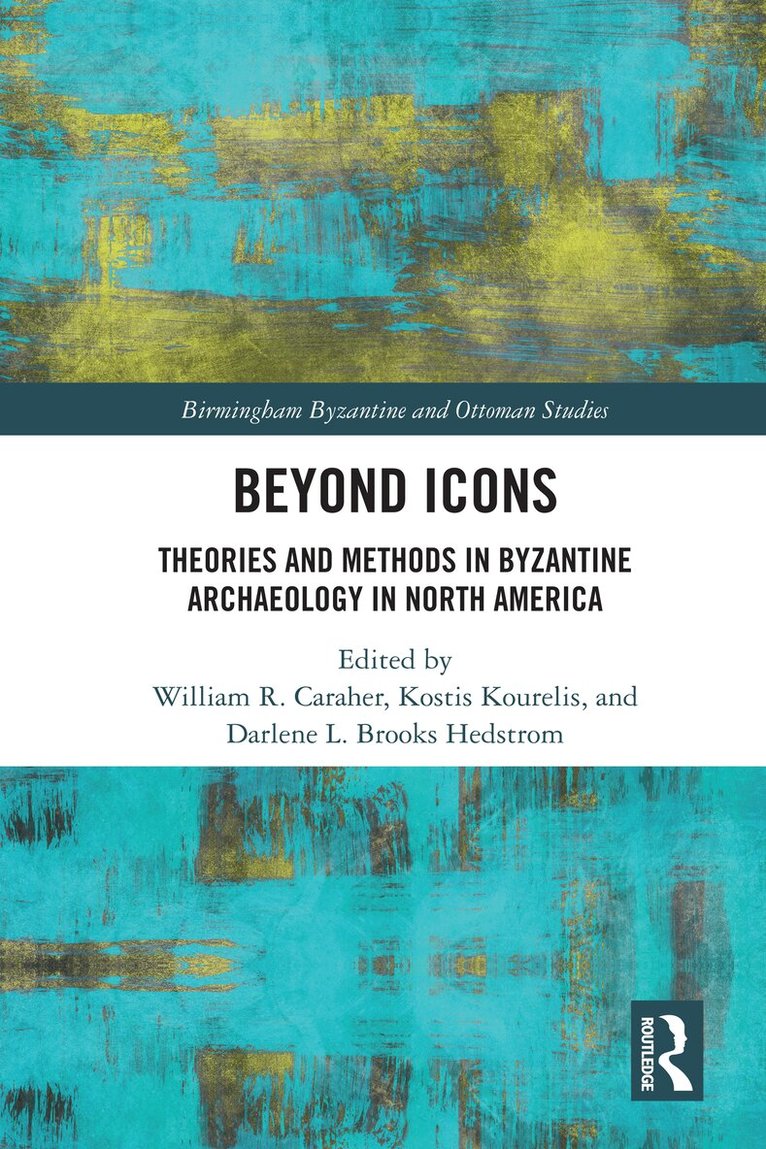
Beyond Icons
Theories and Methods in Byzantine Archaeology in North America
Av William R. Caraher, Kostis Kourelis m. fl.
Inbunden, 2024
2585 kr
Lägg i varukorg
This book is a collective reflection on the relationship between theory and methods, as practiced by American archaeologists of the Byzantine period in Greece, Turkey, Ukraine, and Egypt between the 1990s and 2020s. The eleven authors represent a generational voice that employed theory to redirect …
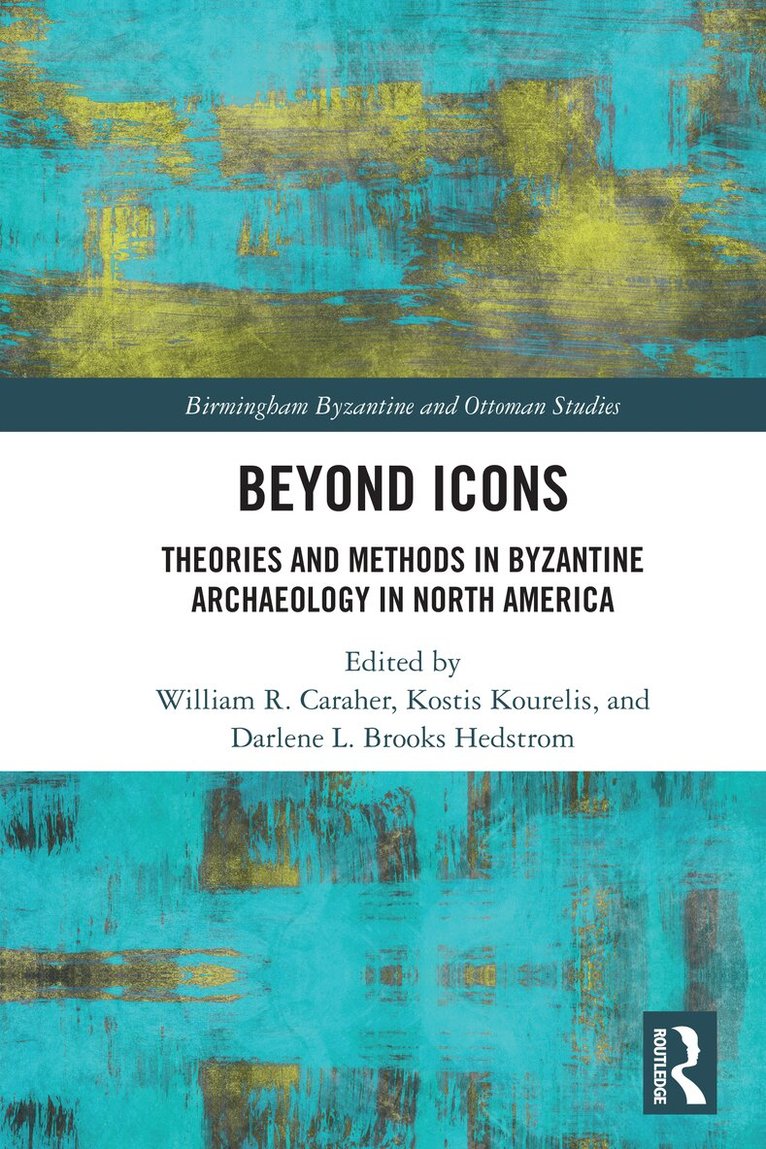
Beyond Icons
Theories and Methods in Byzantine Archaeology in North America
Av William R. Caraher, Kostis Kourelis m. fl.
Häftad, 2026
726 kr
Lägg i varukorg
This book is a collective reflection on the relationship between theory and methods, as practiced by American archaeologists of the Byzantine period in Greece, Turkey, Ukraine, and Egypt between the 1990s and 2020s. The eleven authors represent a generational voice that employed theory to redirect …
Beyond Icons
Theories and Methods in Byzantine Archaeology in North America
Av Darlene L. Brooks Hedstrom, Kostis Kourelis m. fl.
E-bok, 2024
838 kr
Lägg i varukorg
This book is a collective reflection on the relationship between theory and methods, as practiced by American archaeologists of the Byzantine period in Greece, Turkey, Ukraine, and Egypt between the 1990s and 2020s. The eleven authors represent a generational voice that employed theory to redirect …
Beyond Icons
Theories and Methods in Byzantine Archaeology in North America
Av Darlene L. Brooks Hedstrom, Kostis Kourelis m. fl.
E-bok, 2024
838 kr
Lägg i varukorg
This book is a collective reflection on the relationship between theory and methods, as practiced by American archaeologists of the Byzantine period in Greece, Turkey, Ukraine, and Egypt between the 1990s and 2020s. The eleven authors represent a generational voice that employed theory to redirect …
Archaeology of Xenitia
Greek Immigration and Material Culture
Häftad, 2008
323 kr
Tillfälligt slut
Between 1900 and 1915, a quarter of the working-age male Greek population immigrated to the United States, Canada, and Australia. This profound demographic phenomenon left an indelible mark on Greek society, but also created new diasporic communities in the host countries. Greek immigration, …