Kristalyn Marie Shefveland – författare
3 341 kr
Läs direkt efter köp
Separating “Old Florida” myths from realitiesin a tourist haven with a deep Indigenous past
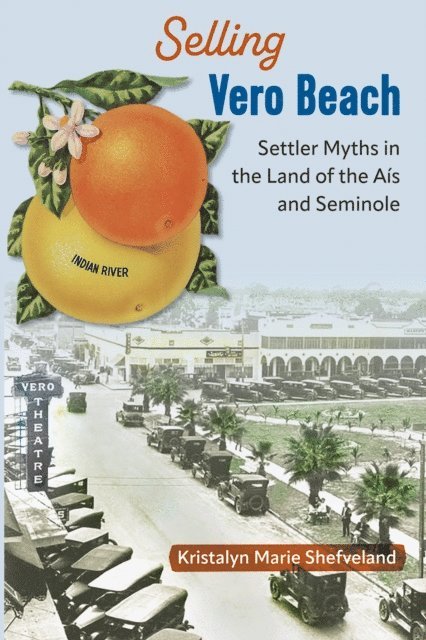
Themes of unspoiled paradise tamed byprogress can be seen in stories about pioneer history across the United States,especially in Florida. Selling Vero Beach explores how settlers fromnorthern states created myths about the Indian River area on Florida’s AtlanticCoast, importing ideas about the region’s Indigenous peoples and marketing theland as an idyllic, fertile place of possibilities.
In this book, Kristalyn Shefvelanddescribes how in the Gilded Age, Indian River Farms Company and other boosterspainted the region as a wild frontier, conveniently accessible by train viaHenry Flagler’s East Coast Railway. Shefveland provides an overview of local Aísand Seminole histories that were rewritten by salespeople, illustrates howagricultural companies used Native peoples as motifs on their fruit products, andincludes never-before-published letters between Vero Beach entrepreneur Waldo Sextonand writer Zora Neale Hurston that highlight Sexton’s interest in story-spinningand sales.
Selling Vero Beach unpacks real and fabricated pasts, showing how the settler memoryof Florida distorted or erased the fascinating actual history of the region. Witha wide variety of stories invented to lure investors and tourists, many ofwhich circulate to this day in a place that remains a top vacation destination,Vero Beach is an intriguing example of why and how certain pasts were concoctedto sell Florida land and products.
A volume in the series Florida in Focus,edited by Andrew K. Frank
318 kr
Läs direkt efter köp
Separating “Old Florida” myths from realitiesin a tourist haven with a deep Indigenous past
Themes of unspoiled paradise tamed byprogress can be seen in stories about pioneer history across the United States,especially in Florida. Selling Vero Beach explores how settlers fromnorthern states created myths about the Indian River area on Florida’s AtlanticCoast, importing ideas about the region’s Indigenous peoples and marketing theland as an idyllic, fertile place of possibilities.
In this book, Kristalyn Shefvelanddescribes how in the Gilded Age, Indian River Farms Company and other boosterspainted the region as a wild frontier, conveniently accessible by train viaHenry Flagler’s East Coast Railway. Shefveland provides an overview of local Aísand Seminole histories that were rewritten by salespeople, illustrates howagricultural companies used Native peoples as motifs on their fruit products, andincludes never-before-published letters between Vero Beach entrepreneur Waldo Sextonand writer Zora Neale Hurston that highlight Sexton’s interest in story-spinningand sales.
Selling Vero Beach unpacks real and fabricated pasts, showing how the settler memoryof Florida distorted or erased the fascinating actual history of the region. Witha wide variety of stories invented to lure investors and tourists, many ofwhich circulate to this day in a place that remains a top vacation destination,Vero Beach is an intriguing example of why and how certain pasts were concoctedto sell Florida land and products.
A volume in the series Florida in Focus,edited by Andrew K. Frank
1 257 kr
Skickas inom 10-15 vardagar
334 kr
Skickas inom 10-15 vardagar
Anglo-Native Virginia
Trade, Conversion, and Indian Slavery in the Old Dominion, 1646-1722
899 kr
Läs direkt efter köp
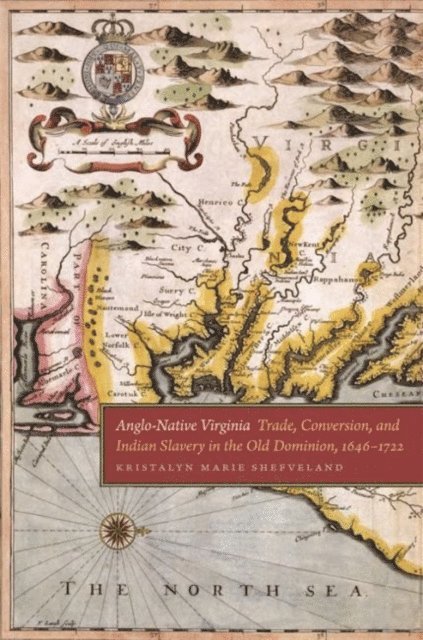
The 1646 Treaty of Peace with Necotowance in Virginia fundamentally changed relationships between Native Americans and the English settlers of Virginia. Virginians were unique in their interaction with Native peoples in part because of their tributary system, a practice that became codified with the 1646 Treaty of Peace with the former Powhatan Confederacy. This book traces English establishment of tributary status for its Native allies and the phrasing and concept of foreign Indians for non-allied Natives.Kristalyn Marie Shefveland examines Anglo-Indian interactions through the conception of Native tributaries to the Virginia colony, with particular emphasis on the colonial and tributary and foreign Native settlements of the Piedmont and southwestern Coastal Plain between 1646 and 1722. Shefveland contends that this region played a central role in the larger narrative of the colonial plantation South and of the Indian experience in the Southeast. The transformation of Virginia from fledgling colony on the outpost of empire to a frontier model of English society was influenced significantly by interactions between the colonizers and Natives.Many of the powerful families that emerged to dominate Virginia’s history gained their start through Native trade and diplomacy in this transformative period, particularly through the Byrd family, whose members emerged as key figures in trade, slavery, diplomacy, and conversion. By the second half of the seventeenth century, the transformation of Virginia set forth political, economic, racial, and class distinctions that typified the state for the next three centuries.
886 kr
Skickas inom 3-6 vardagar
448 kr
Skickas inom 5-8 vardagar
855 kr
Läs direkt efter köp
The 1646 Treaty of Peace with Necotowance in Virginia fundamentally changed relationships between Native Americans and the English settlers of Virginia. Virginians were unique in their interaction with Native peoples in part because of their tributary system, a practice that became codified with the 1646 Treaty of Peace with the former Powhatan Confederacy. This book traces English establishment of tributary status for its Native allies and the phrasing and concept of foreign Indians for non-allied Natives.Kristalyn Marie Shefveland examines Anglo-Indian interactions through the conception of Native tributaries to the Virginia colony, with particular emphasis on the colonial and tributary and foreign Native settlements of the Piedmont and southwestern Coastal Plain between 1646 and 1722. Shefveland contends that this region played a central role in the larger narrative of the colonial plantation South and of the Indian experience in the Southeast. The transformation of Virginia from fledgling colony on the outpost of empire to a frontier model of English society was influenced significantly by interactions between the colonizers and Natives.Many of the powerful families that emerged to dominate Virginia’s history gained their start through Native trade and diplomacy in this transformative period, particularly through the Byrd family, whose members emerged as key figures in trade, slavery, diplomacy, and conversion. By the second half of the seventeenth century, the transformation of Virginia set forth political, economic, racial, and class distinctions that typified the state for the next three centuries.
802 kr
Skickas inom 10-15 vardagar
Virginia's Eastern Shore and Edmund Scarburgh
170 kr
Skickas inom 3-6 vardagar