Kristen Ghodsee – författare
Visar alla böcker från författaren Kristen Ghodsee. Handla med fri frakt och snabb leverans.
36 produkter
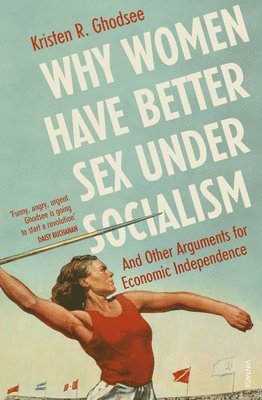
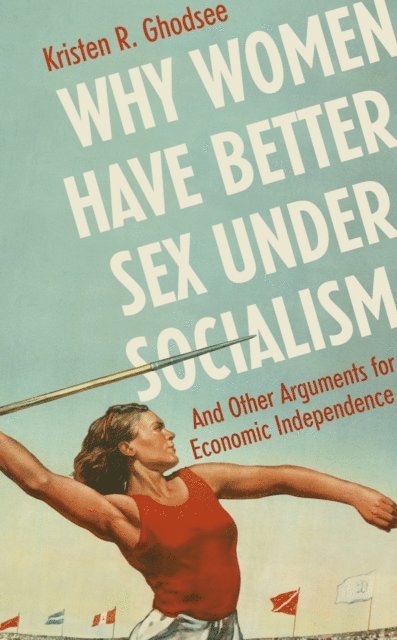
Why Women Have Better Sex Under Socialism
And Other Arguments for Economic Independence
Häftad, 2019
147 kr
Lägg i varukorg
'Funny, angry, urgent. Ghodsee is going to start a revolution' Daisy Buchanan, author of The Sisterhood A witty, fiercely intelligent exploration of why capitalism is rigged against women and what we can do about it.Unregulated capitalism is bad for women. Socialism, if done properly, leads to …
Everyday Utopia
Better Ways of Living Equally
Häftad, 2024
133 kr
Lägg i varukorg
Anthropologist Kristen Ghodsee looks at pioneering experiments in communal living to present a rousing argument for rethinking what we mean by home.‘A must-read’ THOMAS PIKETTY‘Just wonderful’ ANGELA SAINIThroughout history and around the world today, forward-thinking communities have pioneered …
Red Valkyries
Feminist Lessons From Five Revolutionary Women
Häftad, 2026
184 kr
Lägg i varukorg
Red Valkyries explores the history of socialist feminism in Eastern Europe, following the lives and careers of five prominent women active in the nineteenth and twentieth centuries: the aristocratic Bolshevik Alexandra Kollontai; the radical pedagogue Nadezhda Krupskaya; the polyamorous firebrand …
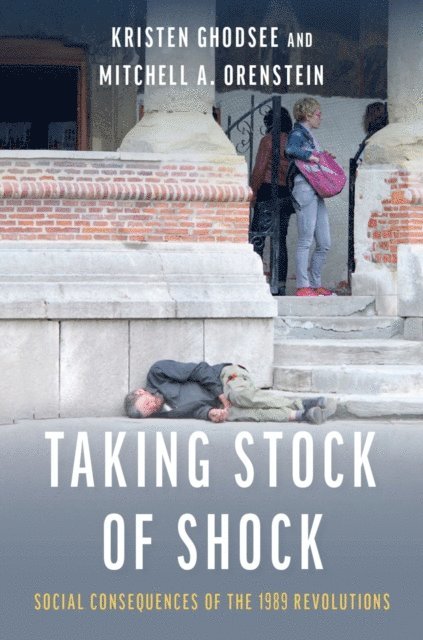
Taking Stock of Shock
Social Consequences of the 1989 Revolutions
Av Kristen Ghodsee, Mitchell Orenstein
Häftad, 2021
404 kr
Lägg i varukorg
Kristen Ghodsee and Mitchell A. Orenstein blend empirical data with lived experiences to produce a robust picture of who won and who lost in post-communist transition, contextualizing the rise of populism in Eastern Europe. After the fall of the Berlin Wall in 1989, more than 400 million people …
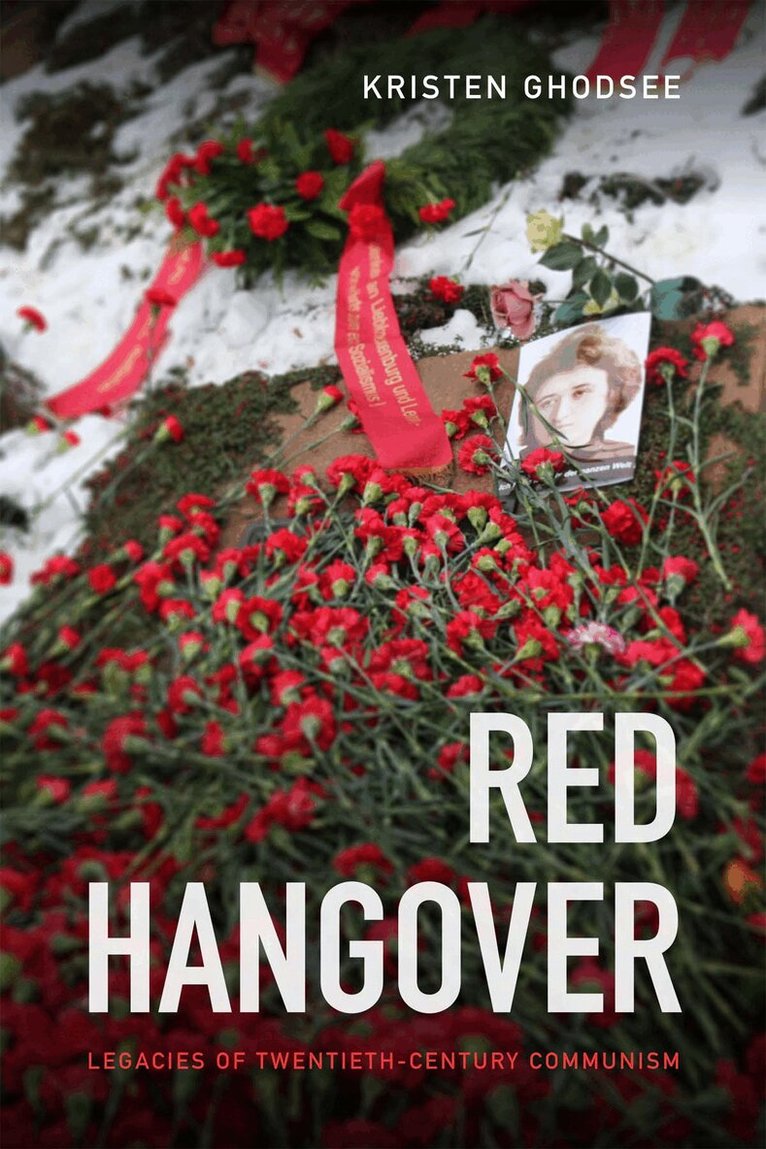
Red Hangover
Legacies of Twentieth-Century Communism
Häftad, 2017
310 kr
Lägg i varukorg
In Red Hangover Kristen Ghodsee examines the legacies of twentieth-century communism twenty-five years after the Berlin Wall fell. Ghodsee's essays and short stories reflect on the lived experience of postsocialism and how many ordinary men and women across Eastern Europe suffered from the massive …
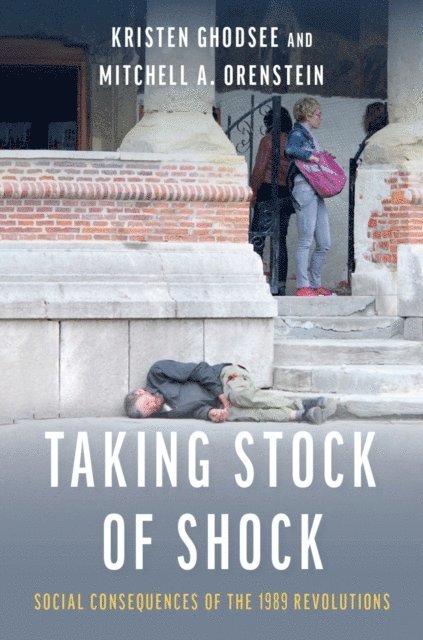
Taking Stock of Shock
Social Consequences of the 1989 Revolutions
Av Kristen Ghodsee, Mitchell Orenstein
Inbunden, 2021
1664 kr
Lägg i varukorg
Kristen Ghodsee and Mitchell A. Orenstein blend empirical data with lived experiences to produce a robust picture of who won and who lost in post-communist transition, contextualizing the rise of populism in Eastern Europe. After the fall of the Berlin Wall in 1989, more than 400 million people …
Taking Stock of Shock
Social Consequences of the 1989 Revolutions
Av Mitchell Orenstein, Kristen Ghodsee
E-bok, 2021
294 kr
Lägg i varukorg
Kristen Ghodsee and Mitchell A. Orenstein blend empirical data with lived experiences to produce a robust picture of who won and who lost in post-communist transition, contextualizing the rise of populism in Eastern Europe. After the fall of the Berlin Wall in 1989, more than 400 million people …
Taking Stock of Shock
Social Consequences of the 1989 Revolutions
Av Mitchell Orenstein, Kristen Ghodsee
E-bok, 2021
294 kr
Lägg i varukorg
Kristen Ghodsee and Mitchell A. Orenstein blend empirical data with lived experiences to produce a robust picture of who won and who lost in post-communist transition, contextualizing the rise of populism in Eastern Europe. After the fall of the Berlin Wall in 1989, more than 400 million people …
From Notes to Narrative
Writing Ethnographies That Everyone Can Read
Inbunden, 2016
973 kr
Lägg i varukorg
Ethnography centers on the culture of everyday life. So it is ironic that most scholars who do research on the intimate experiences of ordinary people write their books in a style that those people cannot understand. In recent years, the ethnographic method has spread from its original home in …
From Notes to Narrative
Writing Ethnographies That Everyone Can Read
Häftad, 2016
178 kr
Lägg i varukorg
Ethnography centers on the culture of everyday life. So it is ironic that most scholars who do research on the intimate experiences of ordinary people write their books in a style that those people cannot understand. In recent years, the ethnographic method has spread from its original home in …
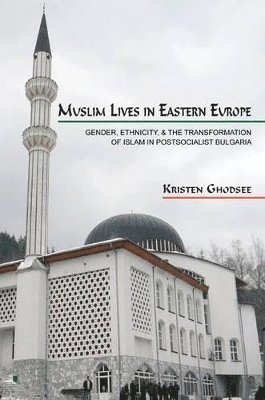
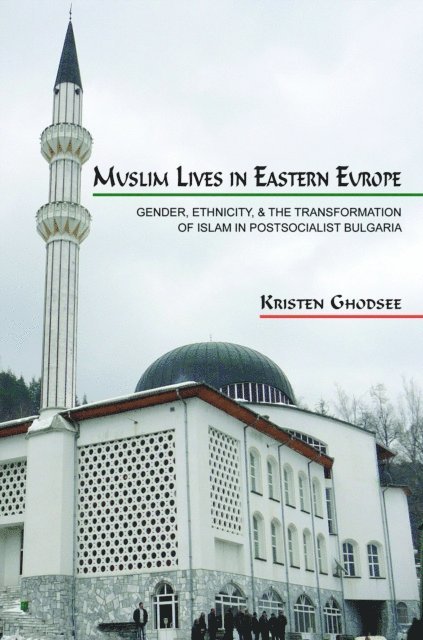
Muslim Lives in Eastern Europe
Gender, Ethnicity, and the Transformation of Islam in Postsocialist Bulgaria
Häftad, 2009
385 kr
Lägg i varukorg
Muslim Lives in Eastern Europe examines how gender identities were reconfigured in a Bulgarian Muslim community following the demise of Communism and an influx of international aid from the Islamic world. Kristen Ghodsee conducted extensive ethnographic research among a small population of Pomaks, …
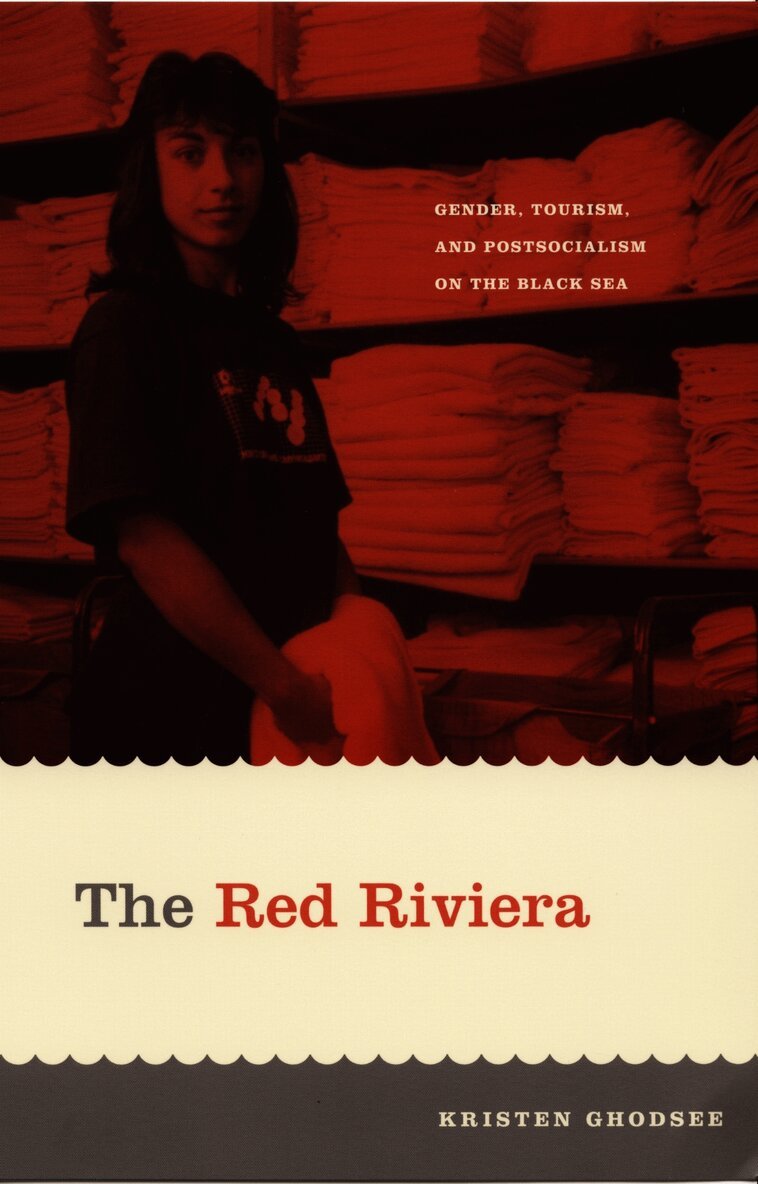
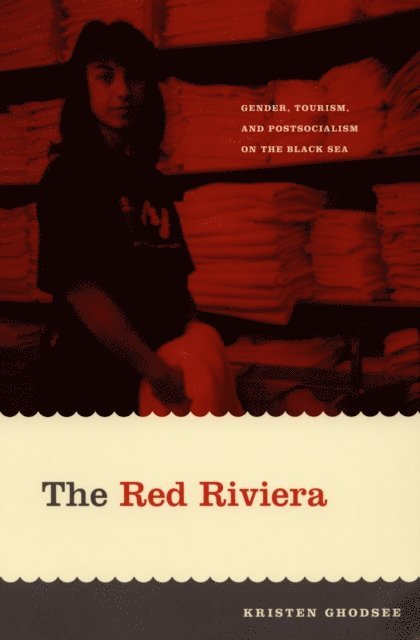
Red Riviera
Gender, Tourism, and Postsocialism on the Black Sea
Häftad, 2005
343 kr
Lägg i varukorg
This compelling ethnography of women working in Bulgaria’s popular sea and ski resorts challenges the idea that women have consistently fared worse than men in Eastern Europe’s transition from socialism to a market economy. For decades western European tourists have flocked to Bulgaria’s beautiful …
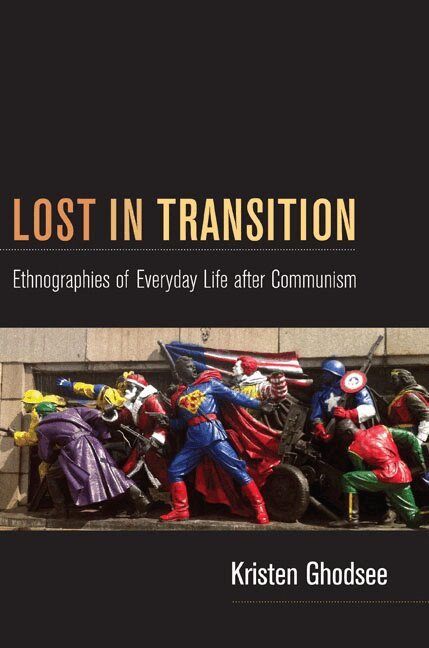
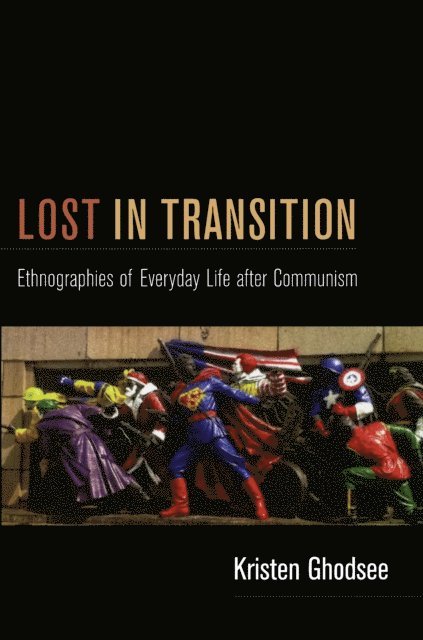
Lost in Transition
Ethnographies of Everyday Life After Communism
Häftad, 2011
353 kr
Lägg i varukorg
Lost in Transition tells of ordinary lives upended by the collapse of communism. Through ethnographic essays and short stories based on her experiences with Eastern Europe between 1989 and 2009, Kristen Ghodsee explains why it is that so many Eastern Europeans are nostalgic for the communist past. …
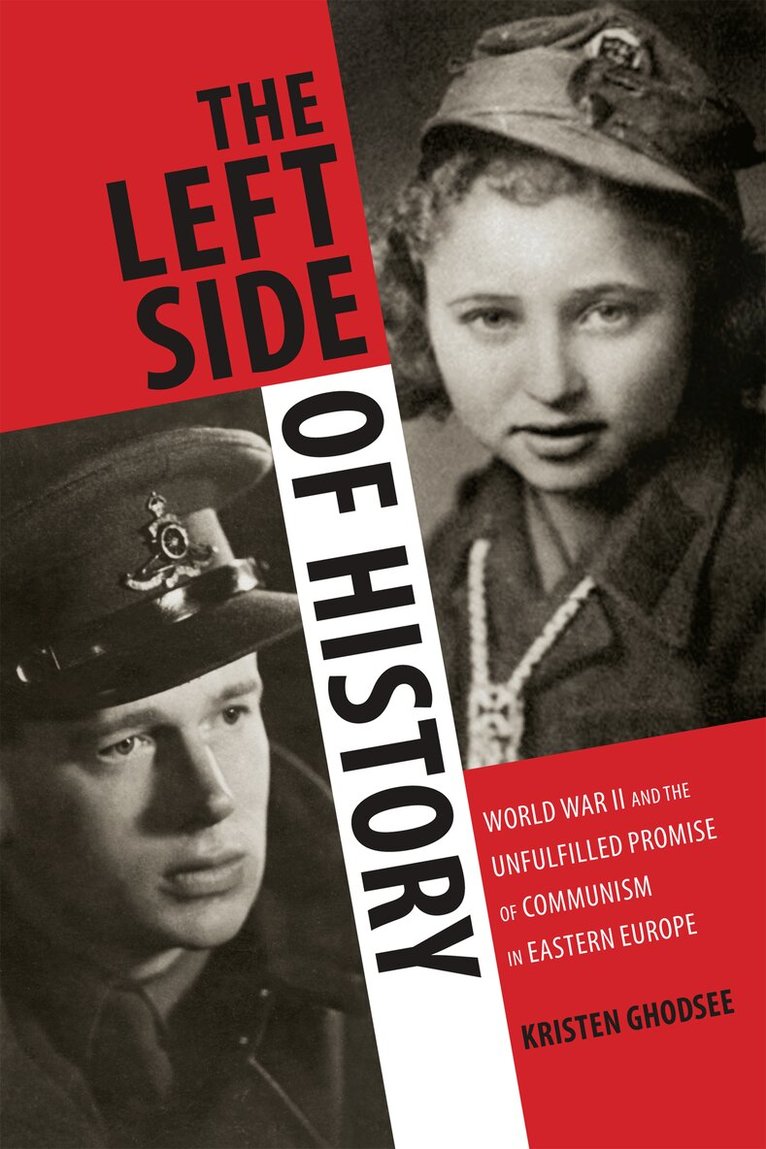
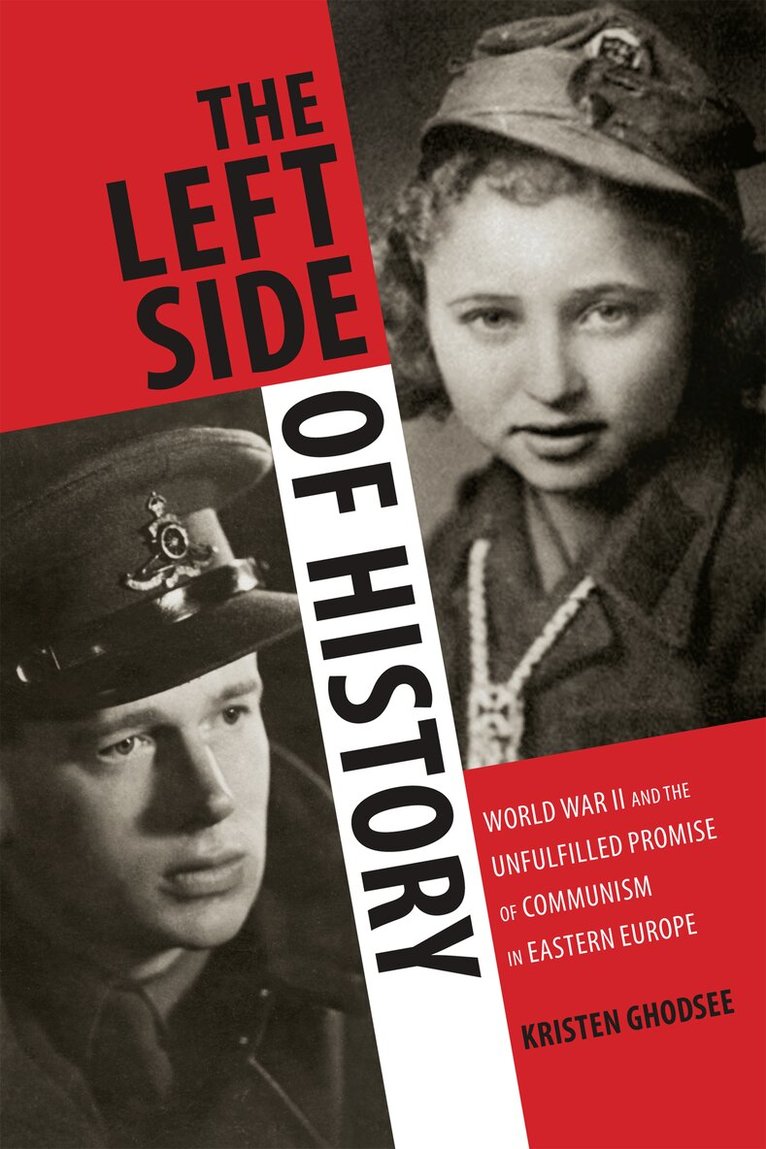
Left Side of History
World War II and the Unfulfilled Promise of Communism in Eastern Europe
Inbunden, 2015
1621 kr
Lägg i varukorg
In The Left Side of History Kristen Ghodsee tells the stories of partisans fighting behind the lines in Nazi-allied Bulgaria during World War II: British officer Frank Thompson, brother of the great historian E.P. Thompson, and fourteen-year-old Elena Lagadinova, the youngest female member of the …
Left Side of History
World War II and the Unfulfilled Promise of Communism in Eastern Europe
Häftad, 2015
396 kr
Lägg i varukorg
In The Left Side of History Kristen Ghodsee tells the stories of partisans fighting behind the lines in Nazi-allied Bulgaria during World War II: British officer Frank Thompson, brother of the great historian E.P. Thompson, and fourteen-year-old Elena Lagadinova, the youngest female member of the …
Red Hangover
Legacies of Twentieth-Century Communism
Inbunden, 2017
1189 kr
Lägg i varukorg
In Red Hangover Kristen Ghodsee examines the legacies of twentieth-century communism twenty-five years after the Berlin Wall fell. Ghodsee's essays and short stories reflect on the lived experience of postsocialism and how many ordinary men and women across Eastern Europe suffered from the massive …
Red Hangover
Legacies of Twentieth-Century Communism
E-bok, 2017
470 kr
Lägg i varukorg
In Red Hangover Kristen Ghodsee examines the legacies of twentieth-century communism twenty-five years after the Berlin Wall fell. Ghodsee''s essays and short stories reflect on the lived experience of postsocialism and how many ordinary men and women across Eastern Europe suffered from the massive …
Left Side of History
World War II and the Unfulfilled Promise of Communism in Eastern Europe
E-bok, 2015
587 kr
Lägg i varukorg
In The Left Side of History Kristen Ghodsee tells the stories of partisans fighting behind the lines in Nazi-allied Bulgaria during World War II: British officer Frank Thompson, brother of the great historian E.P. Thompson, and fourteen-year-old Elena Lagadinova, the youngest female member of the …
Red Riviera
Gender, Tourism, and Postsocialism on the Black Sea
E-bok, 2005
510 kr
Lägg i varukorg
This compelling ethnography of women working in Bulgaria’s popular sea and ski resorts challenges the idea that women have consistently fared worse than men in Eastern Europe’s transition from socialism to a market economy. For decades western European tourists have flocked to Bulgaria’s beautiful …
Lost in Transition
Ethnographies of Everyday Life after Communism
E-bok, 2011
537 kr
Lägg i varukorg
Lost in Transition tells of ordinary lives upended by the collapse of communism. Through ethnographic essays and short stories based on her experiences with Eastern Europe between 1989 and 2009, Kristen Ghodsee explains why it is that so many Eastern Europeans are nostalgic for the communist past. …
Muslim Lives in Eastern Europe
Gender, Ethnicity, and the Transformation of Islam in Postsocialist Bulgaria
E-bok, 2009
500 kr
Lägg i varukorg
Muslim Lives in Eastern Europe examines how gender identities were reconfigured in a Bulgarian Muslim community following the demise of Communism and an influx of international aid from the Islamic world. Kristen Ghodsee conducted extensive ethnographic research among a small population of Pomaks, …
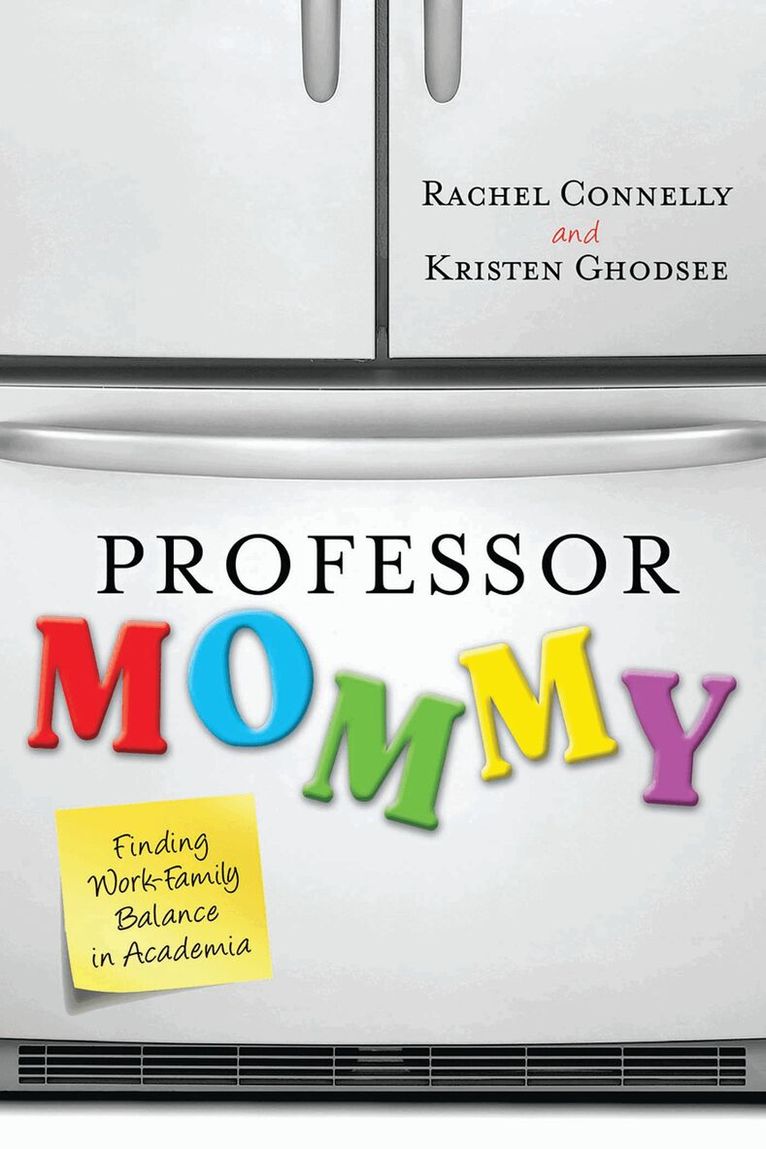
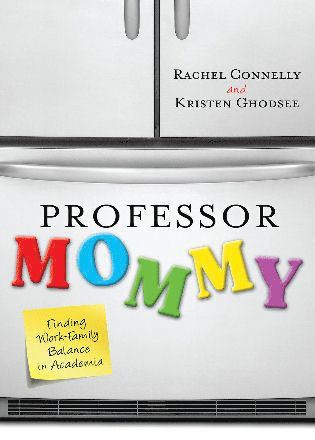
Professor Mommy
Finding Work-Family Balance in Academia
Av Kristen Ghodsee, Rachel Connelly
Inbunden, 2011
617 kr
Lägg i varukorg
Professor Mommy is a guide for women who want to combine the life of the mind with the joys of motherhood. The book provides practical suggestions gleaned from the experiences of the authors, together with those of other women who have successfully combined parenting with professorships. Professor …
Professor Mommy
Finding Work-Family Balance in Academia
Av Kristen Ghodsee, Rachel Connelly
Häftad, 2014
363 kr
Lägg i varukorg
Professor Mommy is a guide for women who want to combine the life of the mind with the joys of motherhood. The book provides practical suggestions gleaned from the experiences of the authors, together with those of other women who have successfully combined parenting with professorships. Professor …
Why Women Have Better Sex Under Socialism
And Other Arguments for Economic Independence
E-bok, 2018
122 kr
Lägg i varukorg
'Funny, angry, urgent. Ghodsee is going to start a revolution' Daisy Buchanan, author of The Sisterhood A witty, fiercely intelligent exploration of why capitalism is rigged against women and what we can do about it.Unregulated capitalism is bad for women. Socialism, if done properly, leads to …
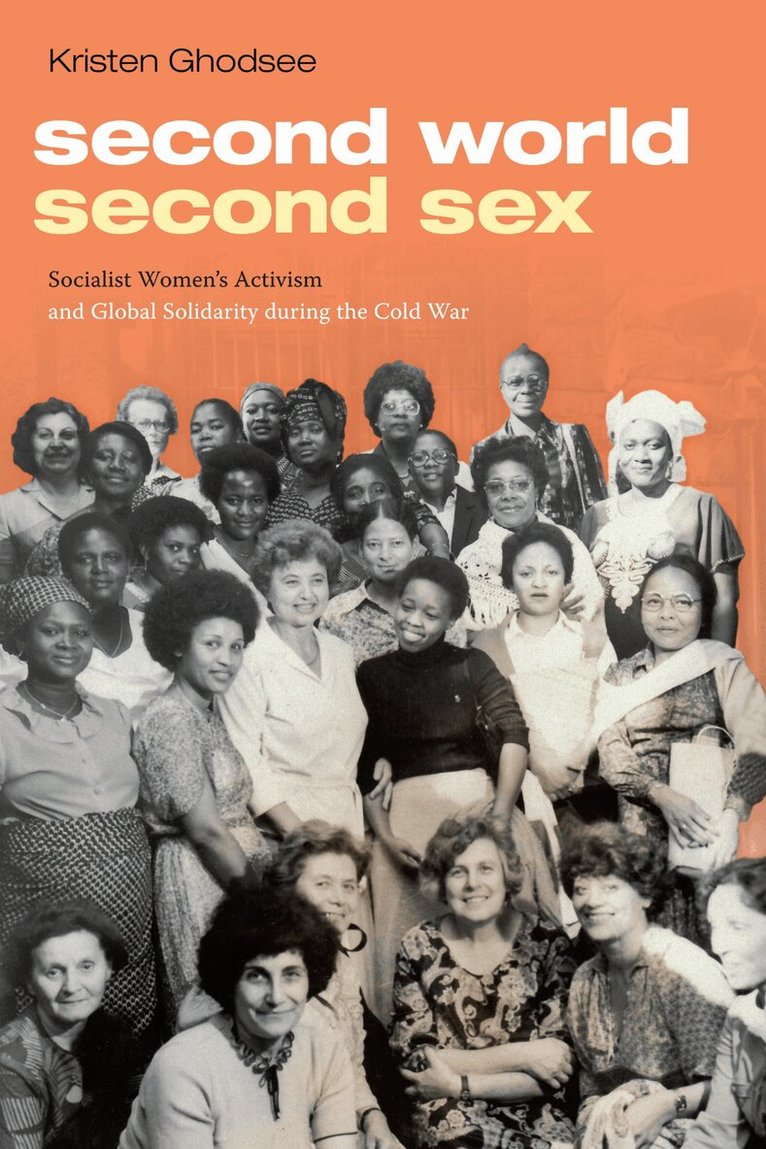
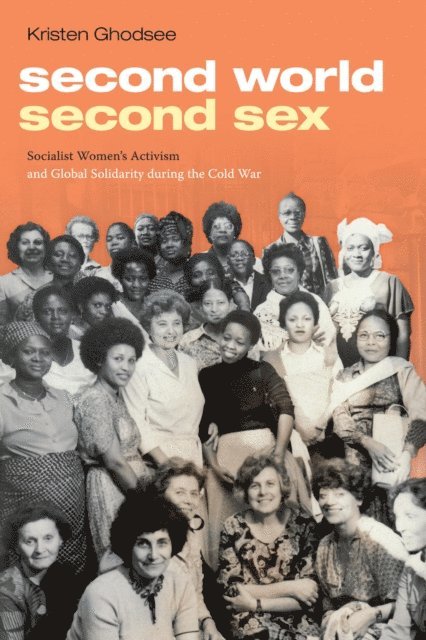
Second World, Second Sex
Socialist Women's Activism and Global Solidarity During the Cold War
Inbunden, 2019
1243 kr
Lägg i varukorg
Women from the state socialist countries in Eastern Europe-what used to be called the Second World-once dominated women’s activism at the United Nations, but their contributions have been largely forgotten or deemed insignificant in comparison with those of Western feminists. In Second World, …
Second World, Second Sex
Socialist Women's Activism and Global Solidarity During the Cold War
Häftad, 2019
323 kr
Lägg i varukorg
Women from the state socialist countries in Eastern Europe-what used to be called the Second World-once dominated women’s activism at the United Nations, but their contributions have been largely forgotten or deemed insignificant in comparison with those of Western feminists. In Second World, …
Second World, Second Sex
Socialist Women''s Activism and Global Solidarity during the Cold War
E-bok, 2019
486 kr
Lägg i varukorg
Women from the state socialist countries in Eastern Europe—what used to be called the Second World—once dominated women’s activism at the United Nations, but their contributions have been largely forgotten or deemed insignificant in comparison with those of Western feminists. In Second World, …
Everyday Utopia
In Praise of Radical Alternatives to the Traditional Family Home
E-bok, 2023
170 kr
Lägg i varukorg
Anthropologist Kristen Ghodsee looks at pioneering experiments in communal living to present a rousing argument for rethinking what we mean by home.‘A must-read’ THOMAS PIKETTY‘Just wonderful’ ANGELA SAINIThroughout history and around the world today, forward-thinking communities have pioneered …
Why Women Have Better Sex Under Socialism
And Other Arguments for Economic Independence
Ljudbok, 2022
108 kr
Lägg i varukorg
Brought to you by Penguin. A witty, fiercely intelligent exploration of why capitalism is rigged against women and what we can do about it. Unregulated capitalism is bad for women. Socialism, if done properly, leads to economic independence, better labour conditions, better work/family balance and, …
Everyday Utopia
In Praise of Radical Alternatives to the Traditional Family Home
Ljudbok, 2023
175 kr
Lägg i varukorg
The traditional ''nuclear'' family home is a problem: it places unfair and unnecessary burdens on women (and men too), it entrenches inequalities, it entraps us financially and it hinders certain kinds of child development. Also, it doesn''t seem to make us very happy. And yet throughout history …