Kristina Richardson - Böcker
Visar alla böcker från författaren Kristina Richardson. Handla med fri frakt och snabb leverans.
4 produkter
4 produkter
1 323 kr
Tillfälligt slut
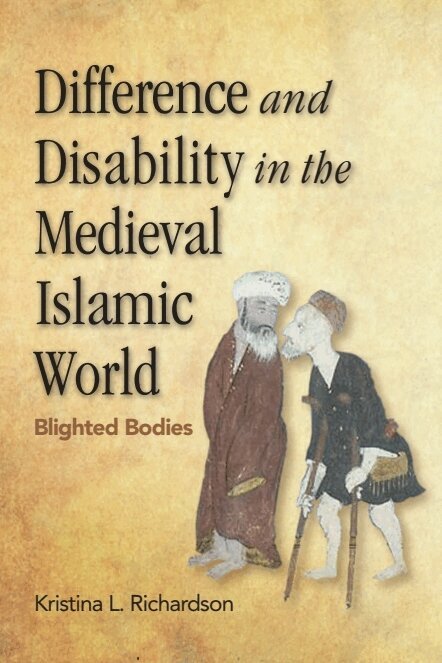
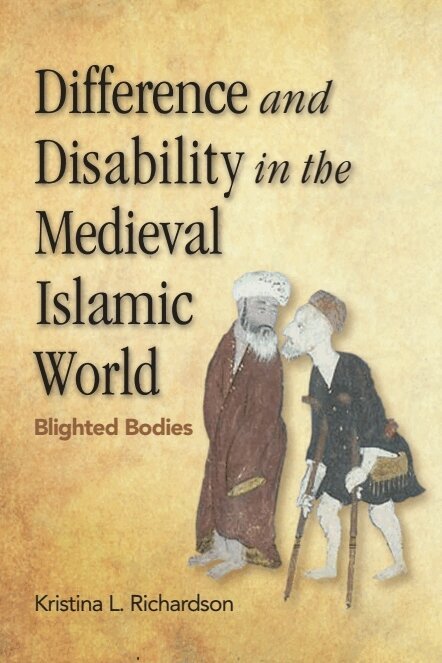
Outlines the complex significance of bodies in the late medieval central Arab Islamic landsDid you know that blue eyes, baldness, bad breath and boils were all considered bodily 'blights' by Medieval Arabs, as were cross eyes, lameness and deafness? What assumptions about bodies influenced this particular vision of physical difference? How did blighted people view their own bodies? Through close analyses of anecdotes, personal letters, (auto)biographies, erotic poetry, non-binding legal opinions, diaristic chronicles and theological tracts, the cultural views and experiences of disability and difference in the medieval Islamic world are brought to life.Key FeaturesInvestigates the place of physically different, disabled and ill individuals in medieval IslamOrganised around the lives and works of 6 Muslim men, each highlighting a different aspect of bodily differenceAddresses broad cultural questions relating to social class, religious orthodoxy, moral reputation, drug use, male homoeroticism and self-representation in the public sphereMoves towards a coherent theory of medieval disability and bodily aesthetics in Islamic cultural traditions
367 kr
Skickas
Did you know that blue eyes, baldness, bad breath and boils were all considered bodily 'blights' by Medieval Arabs, as were cross eyes, lameness and deafness? What assumptions about bodies influenced this particular vision of physical difference? How did blighted people view their own bodies? Through close analyses of anecdotes, personal letters, (auto)biographies, erotic poetry, non-binding legal opinions, diaristic chronicles and theological tracts, the cultural views and experiences of disability and difference in the medieval Islamic world are brought to life.
296 kr
Skickas inom 10-15 vardagar
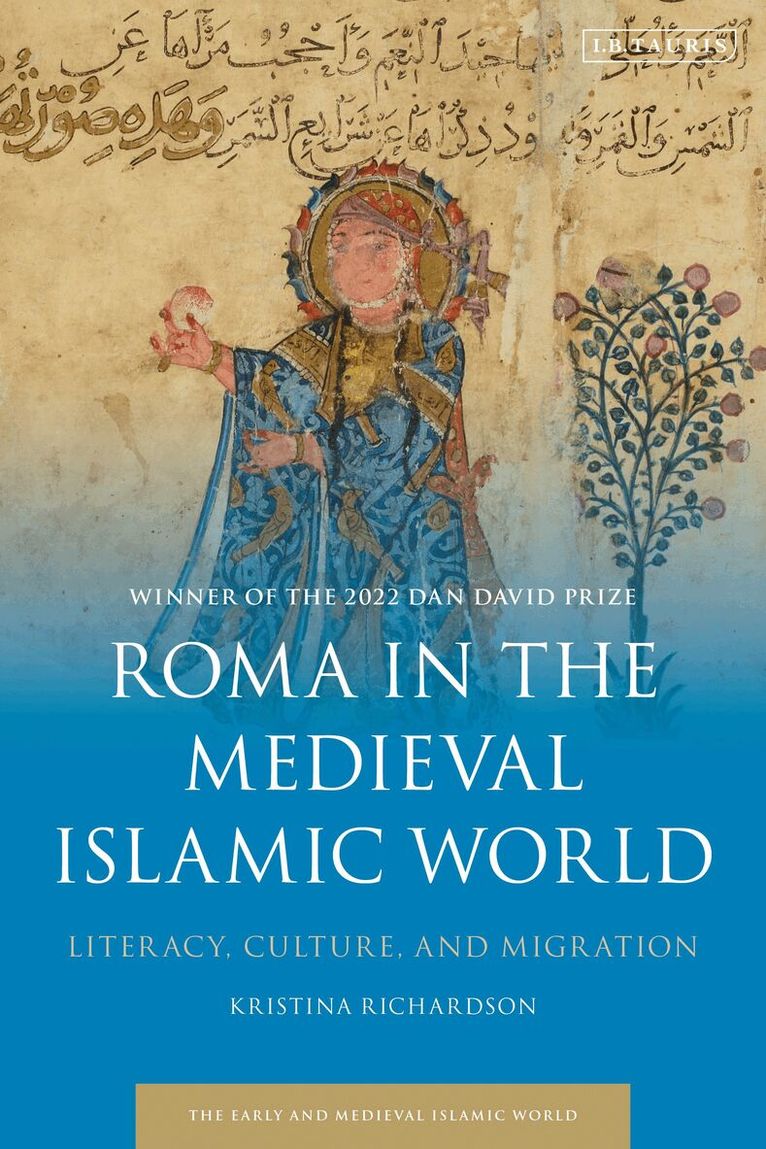
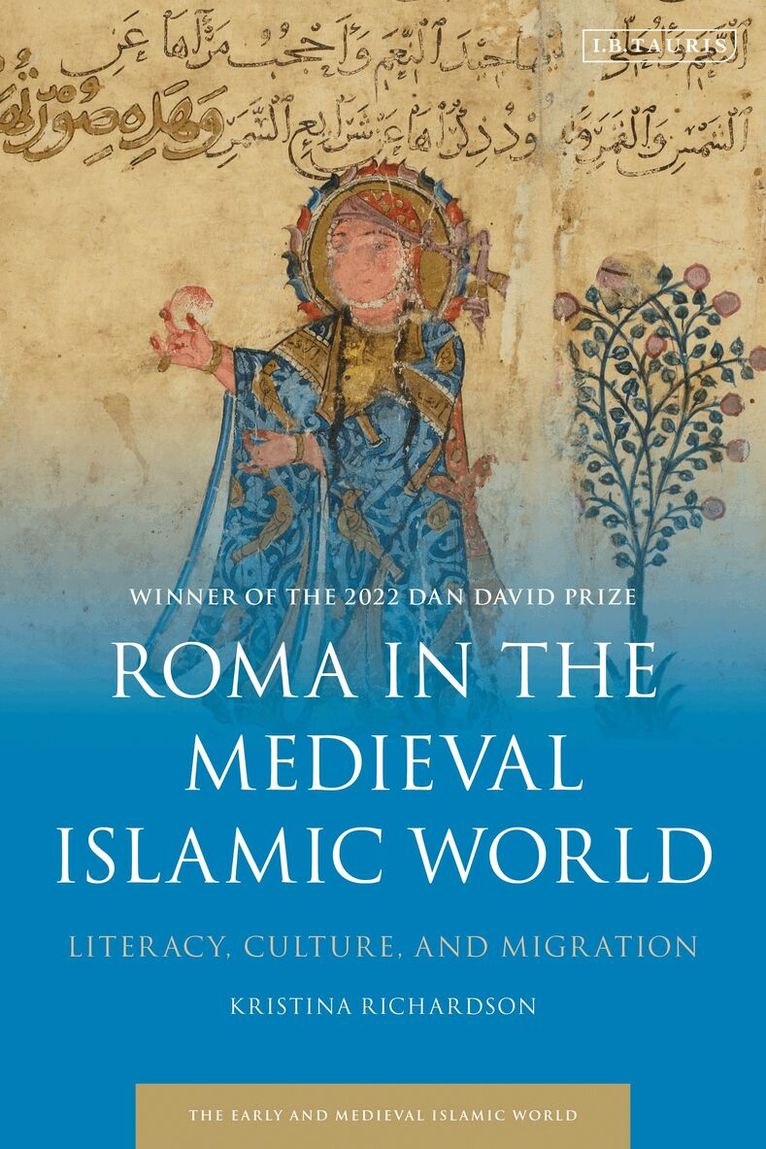
Winner of the 2022 Dan David Prize for outstanding scholarship that illuminates the past and seeks to anchor public discourse in a deeper understanding of historyWinner of the 2023 Medieval Academy of America Monica H. Green Prize for Distinguished Medieval ResearchHonorable Mention in the 2023 Middle East Medievalists Book PrizeIn Middle Eastern cities as early as the mid-8th century, the Sons of Sasan begged, trained animals, sold medicinal plants and potions, and told fortunes. They captivated the imagination of Arab writers and playwrights, who immortalized their strange ways in poems, plays, and the Thousand and One Nights. Using a wide range of sources, Richardson investigates the lived experiences of these Sons of Sasan, who changed their name to Ghuraba’ (Strangers) by the late 1200s. This name became the Arabic word for the Roma and Roma-affiliated groups also known under the pejorative term ‘Gypsies’.This book uses mostly Ghuraba’-authored works to understand their tribal organization and professional niches as well as providing a glossary of their language Sin. It also examines the urban homes, neighborhoods, and cemeteries that they constructed. Within these isolated communities they developed and nurtured a deep literary culture and astrological tradition, broadening our appreciation of the cultural contributions of medieval minority communities. Remarkably, the Ghuraba’ began blockprinting textual amulets by the 10th century, centuries before printing on paper arrived in central Europe. When Roma tribes migrated from Ottoman territories into Bavaria and Bohemia in the 1410s, they may have carried this printing technology into the Holy Roman Empire.
1 314 kr
Skickas inom 10-15 vardagar
Winner of the 2022 Dan David Prize for outstanding scholarship that illuminates the past and seeks to anchor public discourse in a deeper understanding of historyWinner of the 2023 Medieval Academy of America Monica H. Green Prize for Distinguished Medieval ResearchHonorable Mention in the 2023 Middle East Medievalists Book PrizeIn Middle Eastern cities as early as the mid-8th century, the Sons of Sasan begged, trained animals, sold medicinal plants and potions, and told fortunes. They captivated the imagination of Arab writers and playwrights, who immortalized their strange ways in poems, plays, and the Thousand and One Nights. Using a wide range of sources, Richardson investigates the lived experiences of these Sons of Sasan, who changed their name to Ghuraba’ (Strangers) by the late 1200s. This name became the Arabic word for the Roma and Roma-affiliated groups also known under the pejorative term ‘Gypsies’.This book uses mostly Ghuraba’-authored works to understand their tribal organization and professional niches as well as providing a glossary of their language Sin. It also examines the urban homes, neighborhoods, and cemeteries that they constructed. Within these isolated communities they developed and nurtured a deep literary culture and astrological tradition, broadening our appreciation of the cultural contributions of medieval minority communities. Remarkably, the Ghuraba’ began blockprinting textual amulets by the 10th century, centuries before printing on paper arrived in central Europe. When Roma tribes migrated from Ottoman territories into Bavaria and Bohemia in the 1410s, they may have carried this printing technology into the Holy Roman Empire.