Kyle M. L. Jones – författare
Visar alla böcker från författaren Kyle M. L. Jones. Handla med fri frakt och snabb leverans.
2 produkter
2 produkter
E-bok
PDF, Engelska, 2011653 kr
Läs direkt efter köp
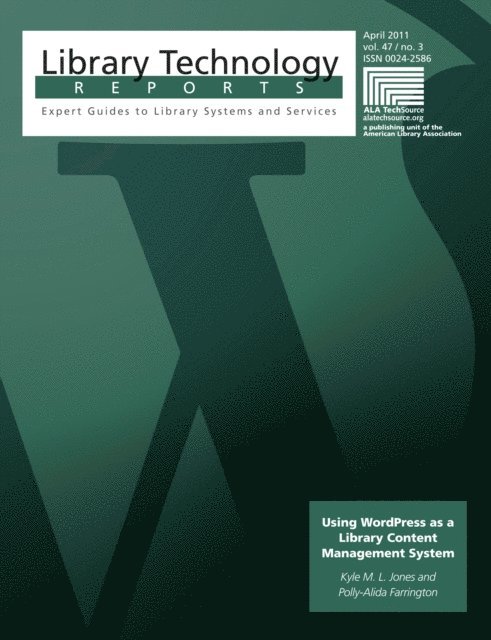
Using WordPress, you can give patrons easy access to your library’s digital content. The software is free, and, with good planning, you don’t need expensive training or extensive technological expertise to maintain your website.Authors Kyle M. L. Jones and Polly-Alida Farrington, along with several librarian contributors, deliver a richly illustrated, practical guide for using WordPress as a tool for managing digital content, from basic set-up to customization with plugins.This issue covers: Setting up a local development environment, choosing your package, installing WordPress, and transferring files How to evaluate potential plugins and select the best for your needs How to test themes across different types of content How to streamline administration with plugins like WP Maintenance Mode, Theme Visibility Manager, Role Scoper and others Comparative descriptions of four different plugins for publicizing your events and programs Managing user accounts to get staff involved in creating content How you can make it easy for patrons to share your content on Facebook, Twitter, and other social sites First-hand accounts by academic, public, and school librarians of using WordPress to create dynamic subject guides, deliver elearning, and creating digital archives 10 ways WordPress can improve website user experience
Häftad, Engelska, 2027
523 kr
Kommande
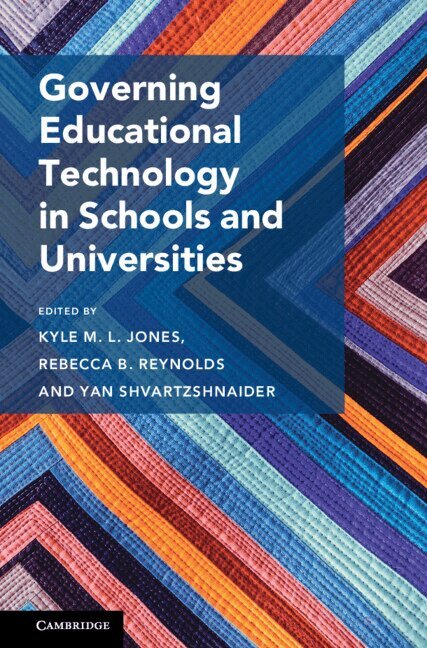
As artificial intelligence and data-based digital surveillance rapidly expand in schools and universities via educational technology, educational communities are urgently seeking ways to protect student privacy and reclaim control over their data. Governing Educational Technology in Schools and Universities provides a vital roadmap for understanding and combating these systemic challenges. The book features nine unique case studies that innovatively apply the Governing Knowledge Commons (GKC) and Critical Informatics (CI) frameworks to expose the deep power imbalances inherent in modern EdTech. The book explores a diverse range of critical topics, including AI-powered plagiarism detection, the chilling effects of 'smart university' surveillance, and the media's framing of the 'algorithmic turn'. Moving beyond mere critique, this essential guide equips readers with actionable collective strategies-from academic labor union organizing to decentralized data models-to democratize technology governance and champion digital self-determination. This title is also available as open access on Cambridge Core.