Lara J. Nettelfield – författare
Visar alla böcker från författaren Lara J. Nettelfield. Handla med fri frakt och snabb leverans.
4 produkter
4 produkter
1 508 kr
Skickas inom 7-10 vardagar
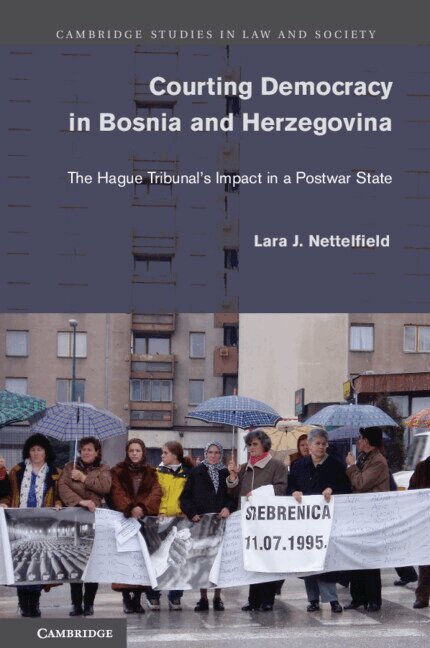
The International Criminal Tribunal for the former Yugoslavia (ICTY) struggled to apprehend and try high-profile defendants including Serbian leader Slobodan Milošević, often receiving more criticism than praise. This volume argues that the court has made a substantial contribution to Bosnia and Herzegovina's transition to democracy. Based on over three years of field research and several hundred interviews, this study brings together multiple research methods - including surveys, ethnography and archival materials - to show the court's impact on five segments of Bosnian society, emphasizing the role of the social setting in translating international law into domestic contexts. Much of the early rhetoric about the transformative potential of international criminal law fostered unrealistic expectations of institutions like the ICTY. Judged by more realistic standards, international law is seen to play a modest yet important role in postwar transitions. These findings have implications for the study of international courts around the world and the role of law in contributing to social change.
1 339 kr
Skickas inom 7-10 vardagar
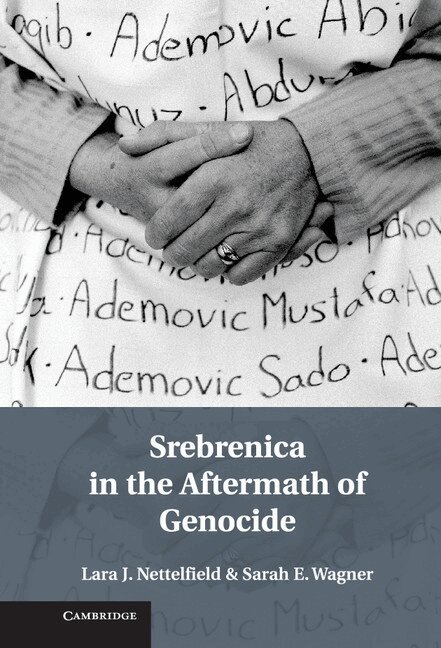
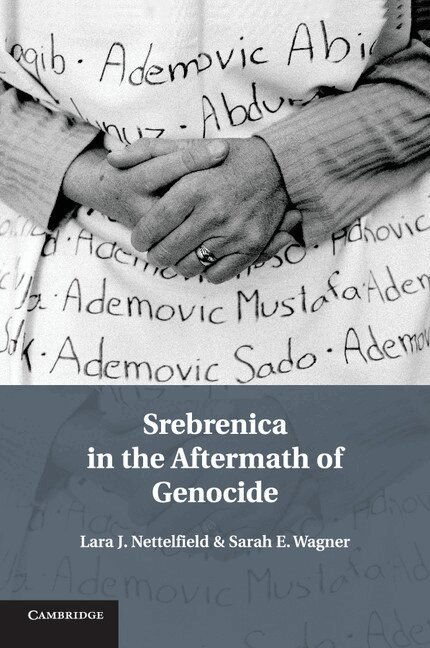
The fall of the United Nations 'safe area' of Srebrenica in July 1995 to Bosnian Serb and Serbian forces stands out as the international community's most egregious failure to intervene during the Bosnian war. It led to genocide, forced displacement and a legacy of loss. But wartime inaction has since spurred numerous postwar attempts to address the atrocities' effects on Bosnian society and its diaspora. Srebrenica in the Aftermath of Genocide reveals how interactions between local, national and international interventions - from refugee return and resettlement to commemorations, war crimes trials, immigration proceedings and election reform - have led to subtle, positive effects of social repair, despite persistent attempts at denial. Using an interdisciplinary approach, diverse research methods, and more than a decade of fieldwork in five countries, Lara J. Nettelfield and Sarah E. Wagner trace the genocide's reverberations in Bosnia and abroad. The findings of this study have implications for research on post-conflict societies around the world.
467 kr
Skickas inom 7-10 vardagar
The fall of the United Nations 'safe area' of Srebrenica in July 1995 to Bosnian Serb and Serbian forces stands out as the international community's most egregious failure to intervene during the Bosnian war. It led to genocide, forced displacement and a legacy of loss. But wartime inaction has since spurred numerous postwar attempts to address the atrocities' effects on Bosnian society and its diaspora. Srebrenica in the Aftermath of Genocide reveals how interactions between local, national and international interventions - from refugee return and resettlement to commemorations, war crimes trials, immigration proceedings and election reform - have led to subtle, positive effects of social repair, despite persistent attempts at denial. Using an interdisciplinary approach, diverse research methods, and more than a decade of fieldwork in five countries, Lara J. Nettelfield and Sarah E. Wagner trace the genocide's reverberations in Bosnia and abroad. The findings of this study have implications for research on post-conflict societies around the world.
534 kr
Skickas inom 7-10 vardagar
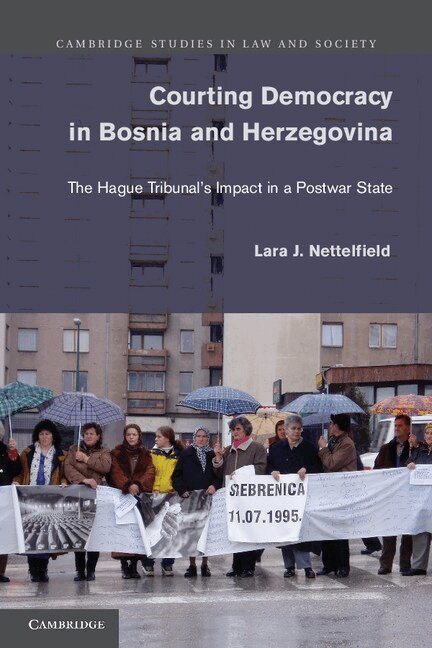
The International Criminal Tribunal for the former Yugoslavia (ICTY) struggled to apprehend and try high-profile defendants including Serbian leader Slobodan Milošević, often receiving more criticism than praise. This volume argues that the court has made a substantial contribution to Bosnia and Herzegovina's transition to democracy. Based on over three years of field research and several hundred interviews, this study brings together multiple research methods - including surveys, ethnography and archival materials - to show the court's impact on five segments of Bosnian society, emphasizing the role of the social setting in translating international law into domestic contexts. Much of the early rhetoric about the transformative potential of international criminal law fostered unrealistic expectations of institutions like the ICTY. Judged by more realistic standards, international law is seen to play a modest yet important role in postwar transitions. These findings have implications for the study of international courts around the world and the role of law in contributing to social change.