Larisa Grollemond - Böcker
Visar alla böcker från författaren Larisa Grollemond. Handla med fri frakt och snabb leverans.
3 produkter
3 produkter
514 kr
Skickas inom 7-10 vardagar
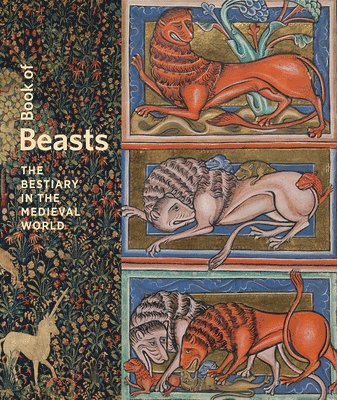
Brimming with lively animals both real and fantastic, the bestiary was one of the great illuminated manuscript traditions of the Middle Ages. Encompassing imaginary creatures, such as the unicorn, siren and griffin; exotic beasts, including the tiger, elephant and ape; as well as animals native to Europe, like the beaver, dog and hedgehog, the bestiary is a vibrant testimony to the medieval understanding of animals and their role in the world. So iconic were the stories and images of the bestiary that its beasts essentially escaped from the pages, appearing in a wide variety of manuscripts and other objects, including tapestries, ivories, metalwork and sculpture.With over 270 colour illustrations and contributions by twenty-five leading medieval scholars, this gorgeous volume explores the bestiary and its widespread influence on medieval art and culture as well as on modern and contemporary artists like Pablo Picasso and Damien Hirst.
260 kr
Skickas inom 7-10 vardagar
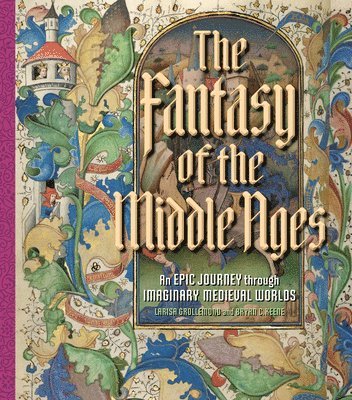
From the soaring castles of Sleeping Beauty to the bloody battles of Game of Thrones, from Middle-earth in The Lord of the Rings to mythical beasts in Dungeons & Dragons and from Medieval Times to the Renaissance Faire to Disneyland, the Middle Ages have inspired artists, playwrights, filmmakers, gamers, and writers for centuries. Indeed, no other historical era has captured the imaginations of so many creators. This volume aims to uncover the many reasons why the Middle Ages have proven so flexible-and applicable-to a variety of modern moments from the eighteenth through the twenty-first century. These "medieval" worlds are often the perfect ground for exploring contemporary cultural concerns and anxieties, saying much more about the time and place in which they were created than they do about the actual conditions of the medieval period. With 140 color illustrations, from sources ranging from thirteenth-century illuminated manuscripts to contemporary films and video games, and a preface by Game of Thrones costume designer Michele Clapton, The Fantasy of the Middle Ages will surprise and delight both enthusiasts and scholars. This title is published to accompany an exhibition at the J. Paul Getty Museum at the Getty Center from June 21-September 11, 2022.
345 kr
Skickas inom 7-10 vardagar
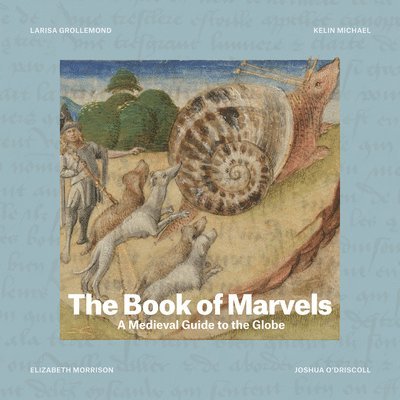
From the classical encyclopedias of Pliny to famous tales such as The Travels of Marco Polo, historical travel writing has had a lasting impact, despite the fact that it was based on a curious mixture of truth, legend, and outright superstition. One foundational medieval source that expands on the ancient idea of the "wonders of the world" is the fifteenth-century French Book of the Marvels of the World, an illustrated guide to the globe filled with oddities, curiosities, and wonders-tales of fantasy and reality intended for the medieval armchair traveler. The fifty-six locales featured in the manuscript are presented in a manner that suggests authority and objectivity but are rife with stereotypes and mischaracterizations, meant to simultaneously instill a sense ofwonder and fear in readers.In this volume, the authors explore the tradition of encyclopedias and travel writing, examining the various sources for geographic knowledge in the Middle Ages. They look closely at the manuscript copies of the French text and its complex images, delving into their origins, style, content, and meaning. Ultimately, this volume seeks to unpack how medieval white Christian Europeans saw their world and how the fear of difference-so pervasive in society today-is part of a long tradition stretching back millennia.“Like the richly illuminated medieval travel guides it describes, this beautifully illustrated publication takes the reader-viewer on a journey to distant and exotic lands and, with great sensitivity, highlights fifteenth-century European reactions to human difference, fantastic animals, and unfamiliar cultural practices that they found both fascinating and disturbing. With engaging essays that situate these remarkable manuscripts in their broader historical, artistic, and ideological contexts, the authors invite us to consider them in relation to the long traditions of travel-writing and cultural stereotypes, and most importantly, remind us that ‘otherness’ is always in the eye of the beholder.”—Debra Higgs Strickland, Professor of Medieval Art History, University of Glasgow