Laura A. Brown - Böcker
Visar alla böcker från författaren Laura A. Brown. Handla med fri frakt och snabb leverans.
3 produkter
3 produkter
223 kr
Skickas inom 3-6 vardagar
1 160 kr
Skickas inom 10-15 vardagar
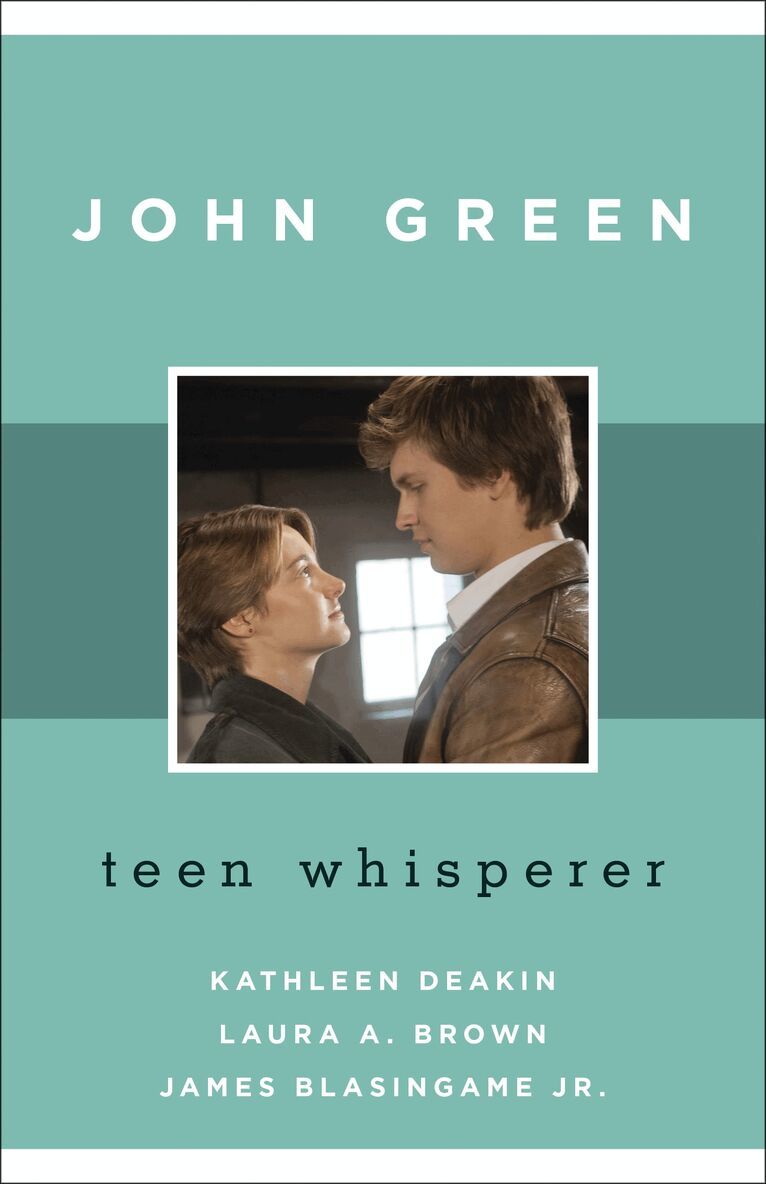
In a very short time, John Green has become an icon of young adult literature. His first novel, Looking for Alaska (2005) won the Michael Prinz award, Paper Towns (2008) received an Edgar Allan Poe award, and in 2014, Time magazine named him one its 100 Most Influential People. The Fault in Our Stars reached number one on the New York Times bestseller list, and the film adaptation was a worldwide hit. John Green: Teen Whisperer looks at the work of a versatile author whose works have fast become must-reads for teens and adults alike. After providing a biographical sketch of the author, subsequent chapters focus on different “types” of Green’s writing: radio broadcasts, blogs, vlogs, YouTube videos, and, of course, his novels, including An Abundance of Katherines (2006) and Will Grayson, Will Grayson (2010). This volume concludes with an interview of Green and a unique final chapter that considers not only the young adult view of his work, but an adult perspective as well. Based on extensive research, this book captures the diverse elements of Green and his work: predictable, but surprising; stable, yet enigmatic; aloof, but deeply caring; hip, but homespun; irreverent, but deeply spiritual. Exploring why his writing reaches both teens and adults, John Green: Teen Whisperer will be of interest to librarians, scholars, and the author’s many fans.
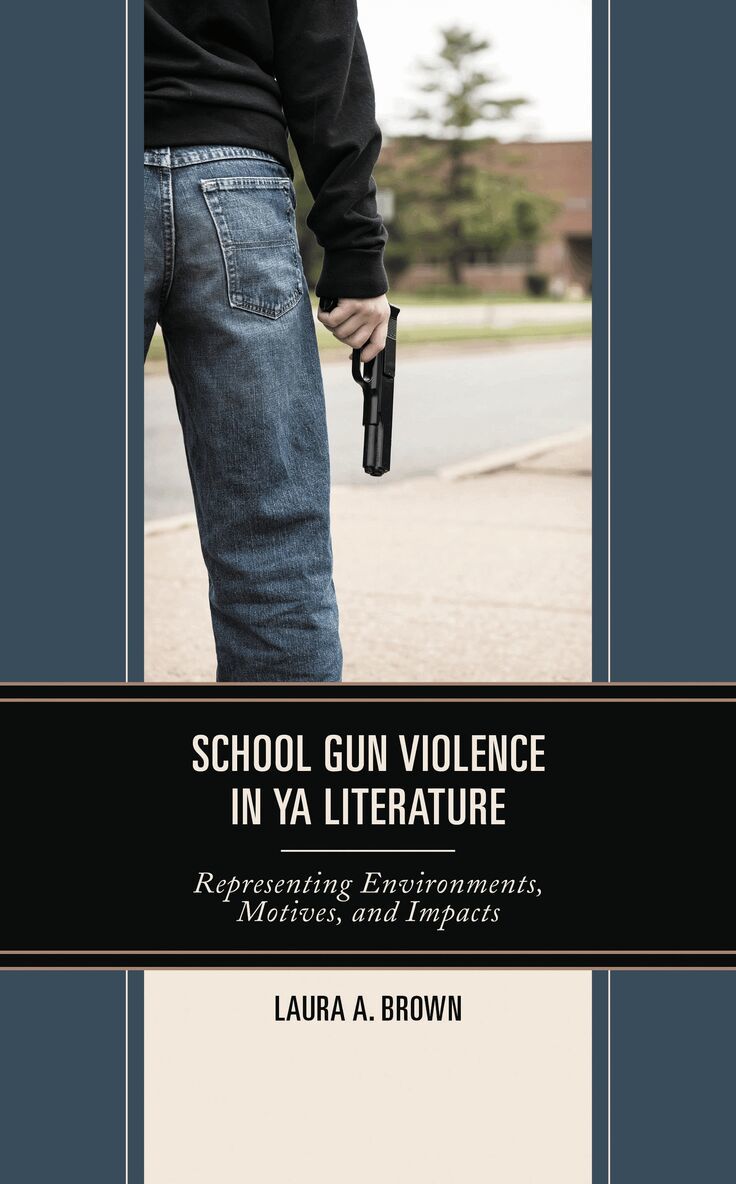
School Gun Violence in YA Literature
Representing Environments, Motives, and Impacts
Inbunden, Engelska, 2022
1 160 kr
Skickas inom 10-15 vardagar
Since Columbine, the topic of school shootings has become ever more prevalent in the media, in research, and in fiction. This book provides analyses of several Young Adult (YA) texts about school shootings and uncovers how the authors represent such violence (and those who perpetrate it) while developing stories that effectively speak to their adolescent readers. Employing Bronfenbrenner’s Ecological Systems Theory, Laura A. Brown examines how the texts frame particular settings and events as important to the development of young people as a way of accounting for the shootings. Likewise, psychologist Peter Langman’s classification of the three populations of school shooters is utilized as a framework to analyze the characterization of fictional shooters in the texts. The author argues that these texts, while not easy to read, are important, as they problematize the ways we think about, approach, and react to school shootings and the students who commit such acts.