Laura Hein – författare
Visar alla böcker från författaren Laura Hein. Handla med fri frakt och snabb leverans.
12 produkter
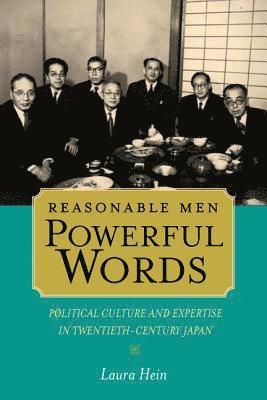
Reasonable Men, Powerful Words
Political Culture and Expertise in Twentieth Century Japan
Av Laura Hein
Inbunden, 2005
735 kr
Lägg i varukorg
Reasonable Men, Powerful Words traces the development of political culture in twentieth-century Japan through a social and intellectual biography of six Japanese economists who influenced national political life in significant ways. The global ascendance of social scientists is one of the defining …
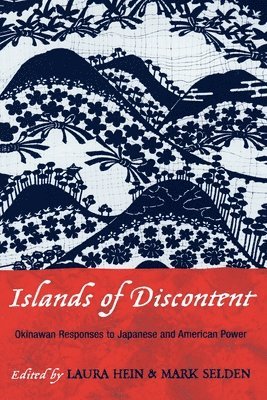
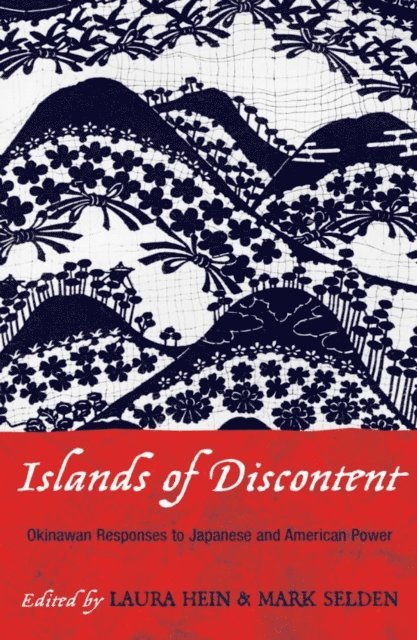
Islands of Discontent
Okinawan Responses to Japanese and American Power
Häftad, 2003
734 kr
Lägg i varukorg
Exploring contemporary Okinawan culture, politics, and historical memory, this book argues that the long Japanese tradition of defining Okinawa as a subordinate and peripheral part of Japan means that all claims of Okinawan distinctiveness necessarily become part of the larger debate over …
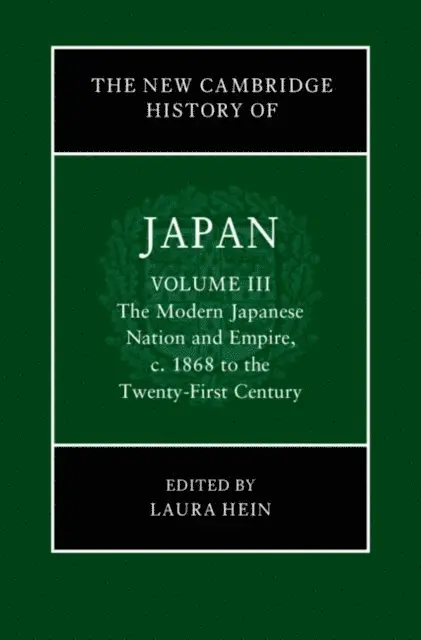
The New Cambridge History of Japan: Volume 3, The Modern Japanese Nation and Empire, c.1868 to the Twenty-First Century
Av Laura Hein
Inbunden, 2023
2076 kr
Lägg i varukorg
This major new volume presents innovative recent scholarship on Japan's modern history, including its imperial past and transregional entanglements. An international team of leading scholars offer accessible and thought-provoking essays that present an expansive global vision of the archipelago's …
New Cambridge History of Japan: Volume 3, The Modern Japanese Nation and Empire, c.1868 to the Twenty-First Century
Av Laura Hein
E-bok, 2023
2069 kr
Lägg i varukorg
This major new volume presents innovative recent scholarship on Japan''s modern history, including its imperial past and transregional entanglements. An international team of leading scholars offer accessible and thought-provoking essays that present an expansive global vision of the archipelago''s …
New Cambridge History of Japan: Volume 3, The Modern Japanese Nation and Empire, c.1868 to the Twenty-First Century
Av Laura Hein
E-bok, 2023
2069 kr
Lägg i varukorg
This major new volume presents innovative recent scholarship on Japan''s modern history, including its imperial past and transregional entanglements. An international team of leading scholars offer accessible and thought-provoking essays that present an expansive global vision of the archipelago''s …
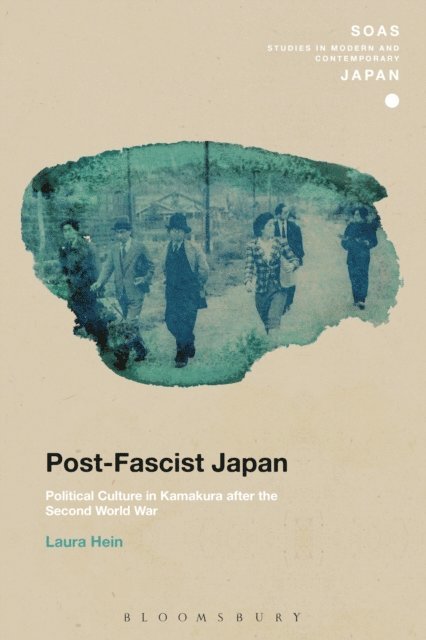
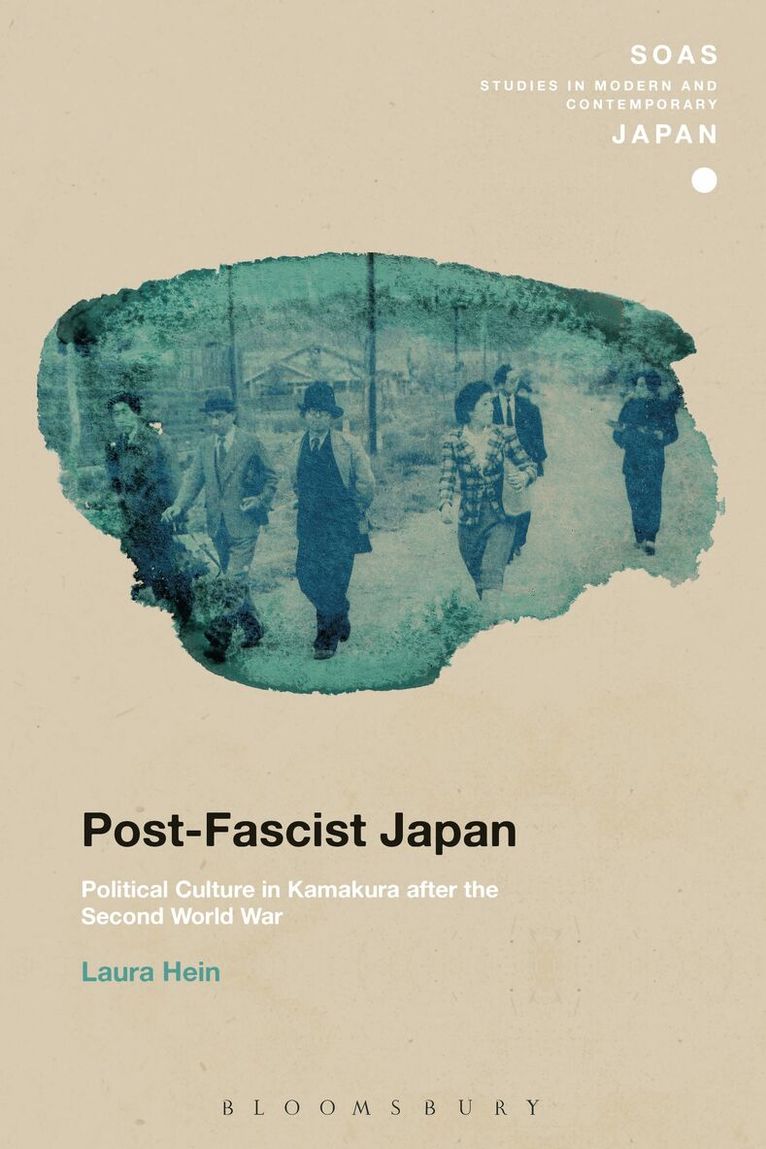
Post-Fascist Japan
Political Culture in Kamakura After the Second World War
Av Laura Hein
E-bok, 2018
546 kr
Lägg i varukorg
In late 1945 local Japanese turned their energies toward creating new behaviors and institutions that would give young people better skills to combat repression at home and coercion abroad. They rapidly transformed their political culture-policies, institutions, and public opinion-to create a more …
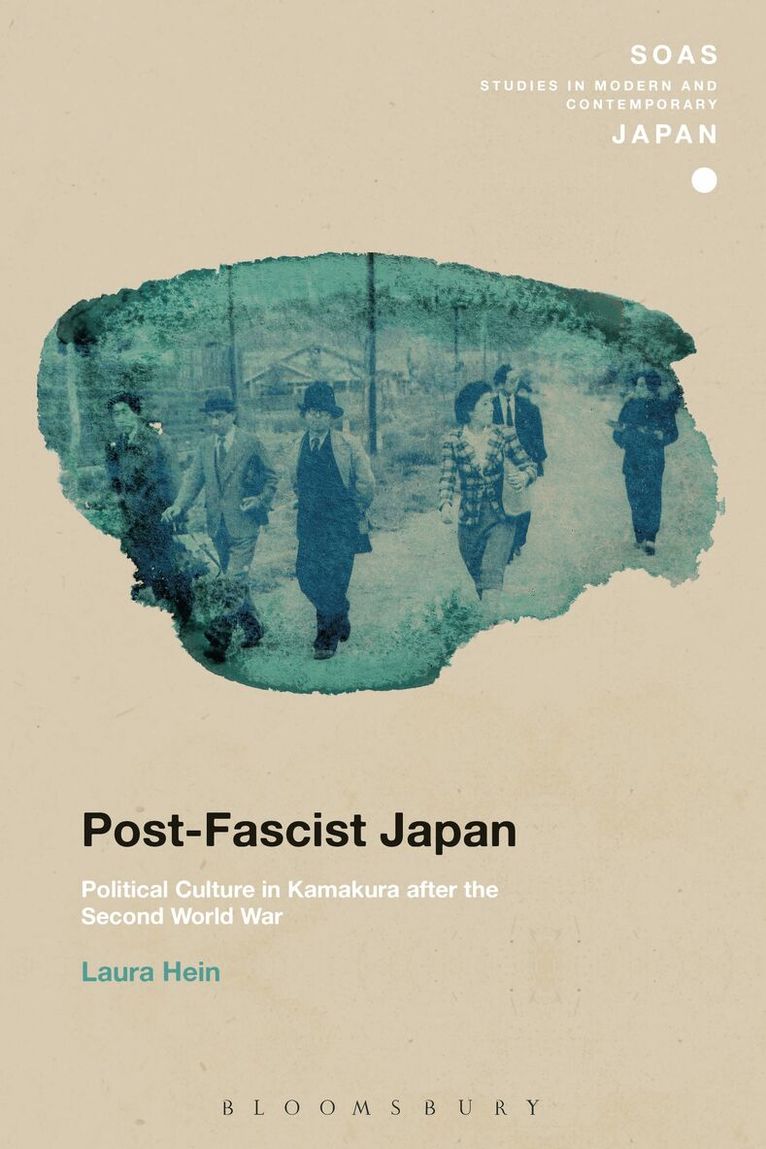
Post-Fascist Japan
Political Culture in Kamakura after the Second World War
Av Laura Hein, Christopher Gerteis
Inbunden, 2018
1897 kr
Lägg i varukorg
In late 1945 local Japanese turned their energies toward creating new behaviors and institutions that would give young people better skills to combat repression at home and coercion abroad. They rapidly transformed their political culture—policies, institutions, and public opinion—to create a more …
Post-Fascist Japan
Political Culture in Kamakura After the Second World War
Av Laura Hein
E-bok, 2018
562 kr
Lägg i varukorg
In late 1945 local Japanese turned their energies toward creating new behaviors and institutions that would give young people better skills to combat repression at home and coercion abroad. They rapidly transformed their political culture-policies, institutions, and public opinion-to create a more …
Post-Fascist Japan
Political Culture in Kamakura after the Second World War
Av Laura Hein, Christopher Gerteis
Häftad, 2019
516 kr
Lägg i varukorg
In late 1945 local Japanese turned their energies toward creating new behaviors and institutions that would give young people better skills to combat repression at home and coercion abroad. They rapidly transformed their political culture—policies, institutions, and public opinion—to create a more …
Islands of Discontent
Okinawan Responses to Japanese and American Power
E-bok, 2003
803 kr
Lägg i varukorg
Exploring contemporary Okinawan culture, politics, and historical memory, this book argues that the long Japanese tradition of defining Okinawa as a subordinate and peripheral part of Japan means that all claims of Okinawan distinctiveness necessarily become part of the larger debate over …
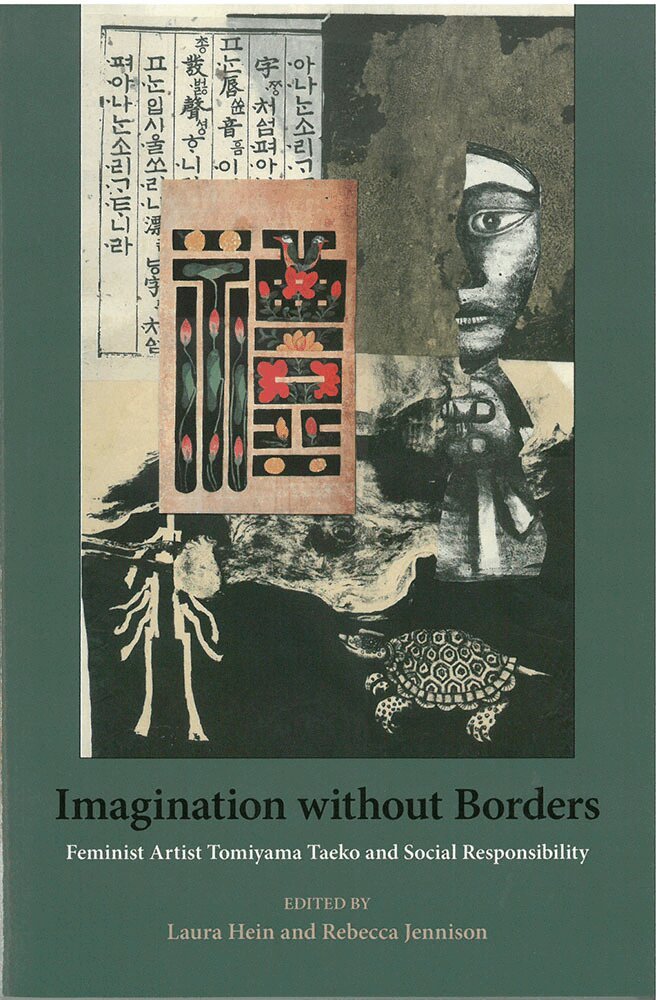
Imagination without Borders
Feminist Artist Tomiyama Taeko and Social Responsibility
Av Laura Hein, Rebecca Jennison
Häftad, 2010
308 kr
Lägg i varukorg
Tomiyama Taeko, a Japanese visual artist born in 1921, is changing the way World War II is remembered in Japan, Asia, and the world. Her work deals with complicated moral and emotional issues of empire and war responsibility that cannot be summed up in simple slogans, which makes it compelling for …
Imagination without Borders
Feminist Artist Tomiyama Taeko and Social Responsibility
Av Laura Hein, Rebecca Jennison
Inbunden, 2010
850 kr
Tillfälligt slut
Tomiyama Taeko, a Japanese visual artist born in 1921, is changing the way World War II is remembered in Japan, Asia, and the world. Her work deals with complicated moral and emotional issues of empire and war responsibility that cannot be summed up in simple slogans, which makes it compelling for …