Laura J. Enríquez - Böcker
Visar alla böcker från författaren Laura J. Enríquez. Handla med fri frakt och snabb leverans.
4 produkter
4 produkter
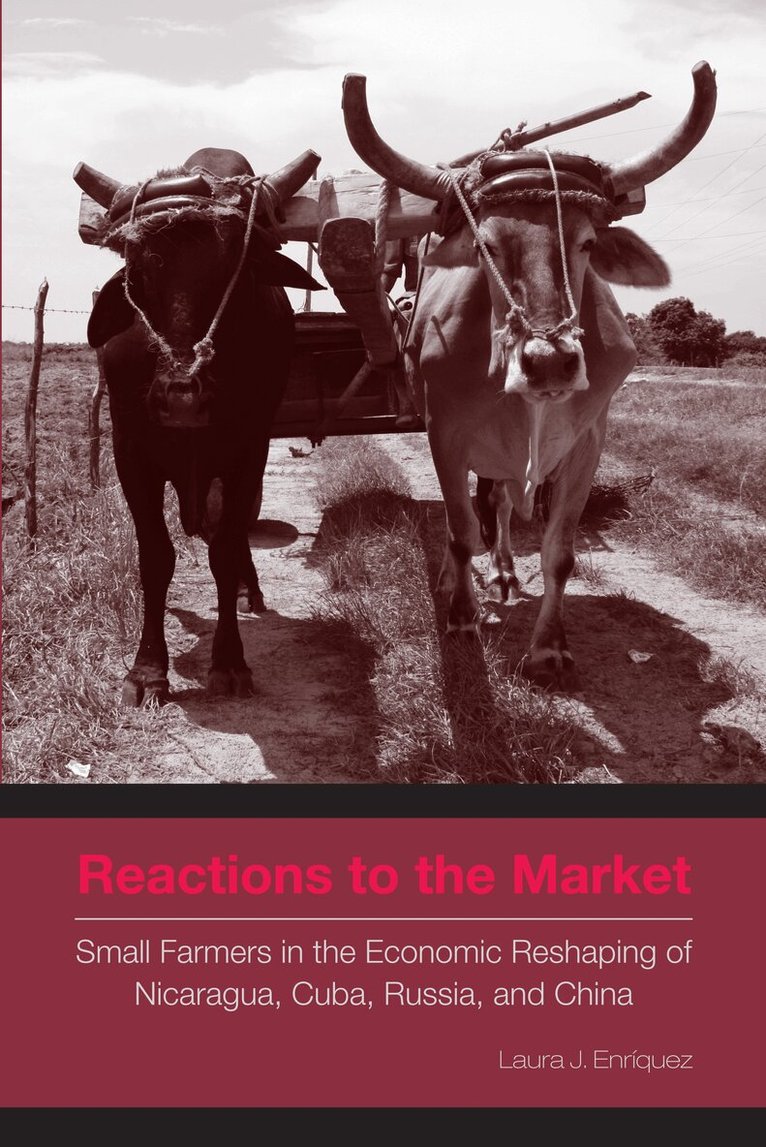
Reactions to the Market
Small Farmers in the Economic Reshaping of Nicaragua, Cuba, Russia, and China
Häftad, Engelska, 2011
374 kr
Skickas inom 7-10 vardagar
It is manifest in developing countries around the world that the “shock” therapy administered to their economies by the neoliberal model of structural adjustment has failed, leaving much social and economic destruction in its wake. In Latin America this failure has led to a resurgence of interest in alternative models, some of them deploying various versions of socialism, as in Bolivia, Chile, and Venezuela, which has given rise to talk about the new “pink tide” enveloping the region. In this comparative study of four economies that have been making a transition to the market from their orthodox socialist pasts, Laura Enríquez focuses our attention on the plight of the small farmer in particular and on the importance of this sector for the overall socioeconomic success of the transition. Through this comparison, we see the similarities between Nicaragua and Russia in their rapid retreat from socialism and their adoption of reforms that have placed small agriculture, especially that focused on food crops, at a distinct disadvantage relative to export-oriented production. By contrast, Cuba has been more like China in adopting aspects of market reform while emphasizing small-scale cooperative and private farming in an effort to achieve food self-sufficiency. Drawing insights from Karl Polanyi’s study of the social and economic effects of the expansion of market relations in the nineteenth century, Enríquez highlights the role of the state in each of these countries in driving change in a certain direction: toward de-emphasis of small-scale farming and the eventual assumed demise of the peasantry in Nicaragua and Russia, which has led to countermovements of peasants struggling to survive, and toward the reconfirmation of the value of small farming in contributing to balanced economic development in Cuba and China.
529 kr
Skickas inom 10-15 vardagar
One of the principal aims of the Sandinista government in Nicaragua was to end the exploitation of the rural poor. But its attempts to promote balanced economic development and redistribute agricultural resources created labor shortages that threatened the country's economic lifeline. New employment opportunities created through agrarian reform upset the delicate balance developed in pre-revolution years to meet the labor requirements of Nicaragua's two key crops, cotton and coffee. Laura Enriquez studied this problem extensively while working in Nicaragua between 1982 and 1989, and in Harvesting Change she provides a unique analysis of the dilemmas of reform in an agrarian society. Enriquez describes the traditional labor relations of Nicaragua's agroexport production and outlines their breakdown as agrarian reform advanced. She also assesses the alternatives adopted by the Sandinista government as it attempted to address the crisis. Her book is based on participant observation and on formal and informal interviews with a broad cross section of people involved in agricultural production, including officials involved in agrarian reform, planning, and labor; producers; workers; and representatives from associations of growers, workers, and peasants. By presenting agrarian reform in its broad social context, Enriquez makes and important contribution to our understanding of the problems associated with the transition to socialism in the Third World. Originally published in 1991. A UNC Press Enduring Edition -- UNC Press Enduring Editions use the latest in digital technology to make available again books from our distinguished backlist that were previously out of print. These editions are published unaltered from the original, and are presented in affordable paperback formats, bringing readers both historical and cultural value. |One of the principal aims of the Sandinista government in Nicaragua was to end the exploitation of the rural poor. But its attempts to promote balanced economic development and redistribute agricultural resources created labor shortages that threatened the country's economic lifeline. New employment opportunities created through agrarian reform upset the delicate balance developed in pre-revolution years to meet the labor requirements of Nicaragua's two key crops, cotton and coffee. Laura Enriquez studied this problem extensively while working in Nicaragua between 1982 and 1989, and in Harvesting Change she provides a unique analysis of the dilemmas of reform in an agrarian society.
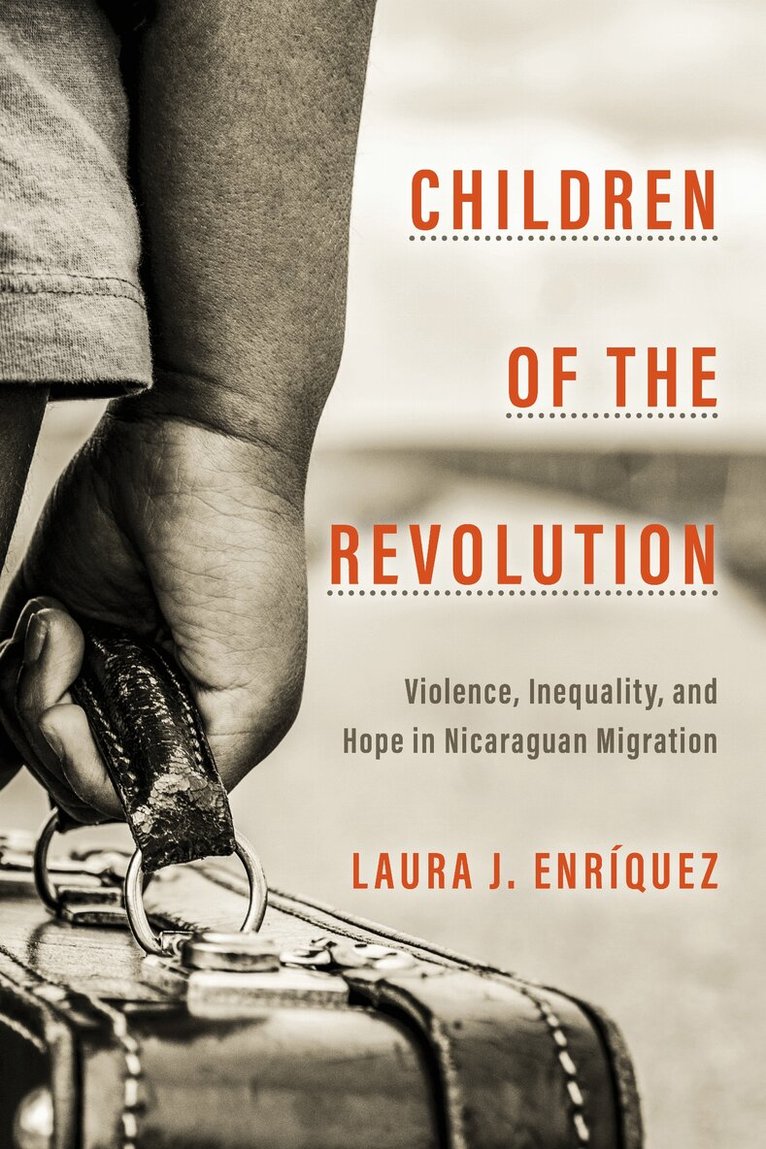
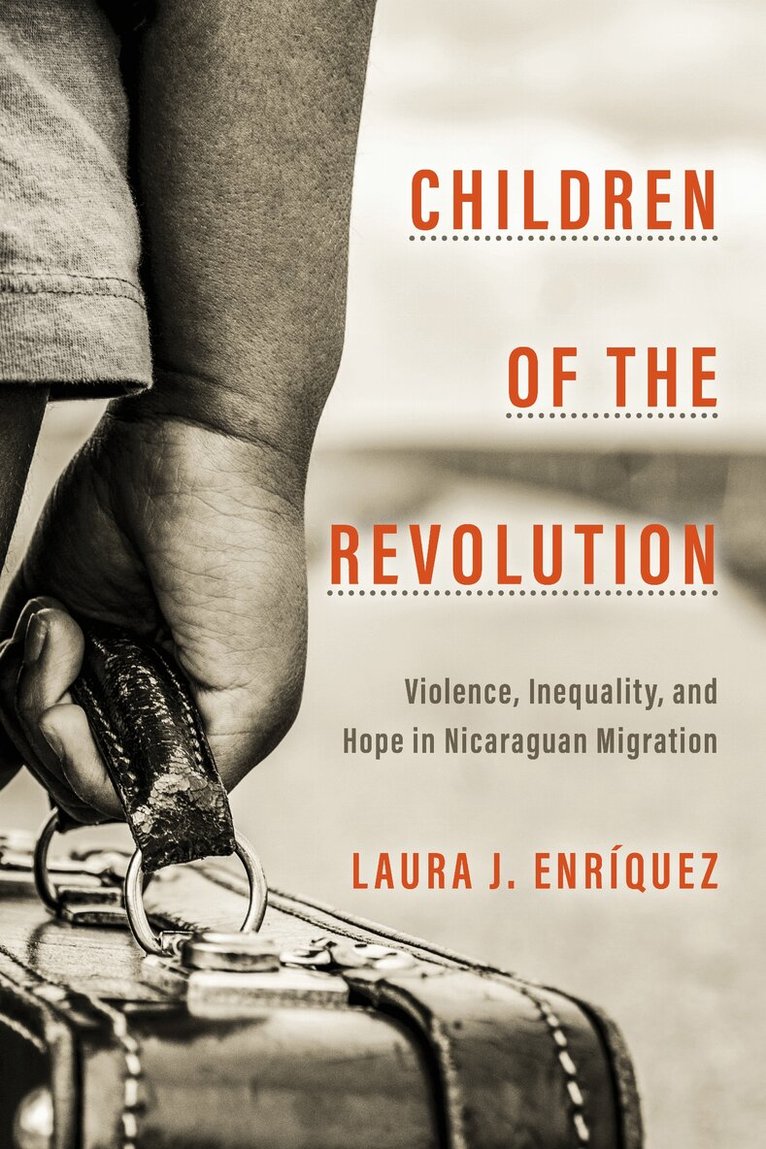
Children of the Revolution
Violence, Inequality, and Hope in Nicaraguan Migration
Inbunden, Engelska, 2022
1 199 kr
Skickas inom 7-10 vardagar
Andrea, Silvia, Ana, and Pamela were impoverished youth when the Sandinista revolution took hold in Nicaragua in 1979. Against the backdrop of a war and economic crisis, the revolution gave them hope of a better future — if not for themselves, then for their children. But, when it became clear that their hopes were in vain, they chose to emigrate. Children of the Revolution tells these four women's stories up to their adulthood in Italy. Laura J. Enríquez's compassionate account highlights the particularities of each woman's narrative, and shows how their lives were shaped by social factors such as their class, gender, race, ethnicity, and immigration status. These factors limited the options available to them, even as the women challenged the structures and violence surrounding them. By extending the story to include the children, and now grandchildren, of the four women, Enríquez demonstrates how their work abroad provided opportunities for their families that they themselves never had. Hence, these stories reveal that even when a revolution fails to fundamentally transform a society in a lasting way, seeds of change may yet take hold.
Children of the Revolution
Violence, Inequality, and Hope in Nicaraguan Migration
Häftad, Engelska, 2022
291 kr
Skickas inom 7-10 vardagar
Andrea, Silvia, Ana, and Pamela were impoverished youth when the Sandinista revolution took hold in Nicaragua in 1979. Against the backdrop of a war and economic crisis, the revolution gave them hope of a better future — if not for themselves, then for their children. But, when it became clear that their hopes were in vain, they chose to emigrate. Children of the Revolution tells these four women's stories up to their adulthood in Italy. Laura J. Enríquez's compassionate account highlights the particularities of each woman's narrative, and shows how their lives were shaped by social factors such as their class, gender, race, ethnicity, and immigration status. These factors limited the options available to them, even as the women challenged the structures and violence surrounding them. By extending the story to include the children, and now grandchildren, of the four women, Enríquez demonstrates how their work abroad provided opportunities for their families that they themselves never had. Hence, these stories reveal that even when a revolution fails to fundamentally transform a society in a lasting way, seeds of change may yet take hold.