Laurence G. Avery - Böcker
Visar alla böcker från författaren Laurence G. Avery. Handla med fri frakt och snabb leverans.
4 produkter
4 produkter
446 kr
Skickas inom 10-15 vardagar
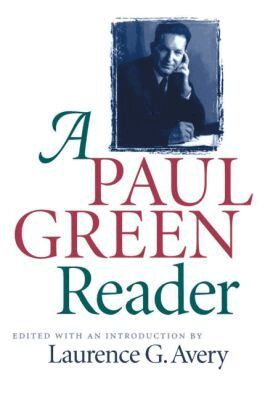
North Carolina's Paul Green (1894-1981) was part of that remarkable generation of writers who first brought southern writing to the attention of the world. Winner of a Pulitzer Prize for Drama in 1927, Green was a restless experimenter who pioneered a new form of theater with his ""symphonic drama,"" The Lost Colony . A concern for human rights characterized both his life and his writing, and his steady advocacy for educational and social reform and racial justice contributed in fundamental ways to the emerging New South in the first half of this century. A Paul Green Reader makes available once again the work of this powerful and engaging writer. It features Green's drama and fiction, with texts of three plays--including the Pulitzer Prize-winning In Abraham's Bosom and the famous second act of The Lost Colony --and six short stories. It also reveals the life behind the work through several of Green's essays and letters and an excerpt from The Wordbook , his collection of regional folklore. Laurence Avery's introduction outlines Green's life and examines the central concerns and techniques of his work. A native of Harnett County, North Carolina, Paul Green was a devoted teacher of philosophy and drama at the University of North Carolina at Chapel Hill. |A collection of works by Pulitzer prize-winning playwright Paul Green (1894-1981), including short stories, essays, letters, plays, and a selection from The Lost Colony. An introduction outlines Green's life and work.
758 kr
Skickas inom 10-15 vardagar
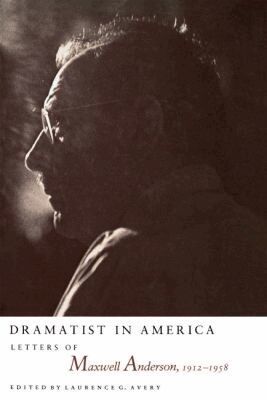
From the 1920s through the 1950s Maxwell Anderson was one of the most important playwrights in America. His thirty-three produced plays make him a leader among these playwrights of America's most creative era in the theater, and a number of his plays have shown a lasting vitality and importance. What Price Glory (1924) dramatized the disillusionment and horror of World War I. With Elizabeth the Queen (1929), Winterset (1935), and High Tor (1936), Anderson revived poetic drama in the modern theater. His versatility as a playwright was further reflected in the satire Both Your Houses (1933), the historical parable Joan of Lorraine (1946), and the musical play Lost in the Stars (1949). This edition of Anderson's letters spans his adult life--from 1912, shortly after he graduated from the University of North Dakota, to 1958, just before his death. Arranged chronologically, the letters reveal in full and intimate detail the development of his career, his methods of work, his relationships with theater people, his conceptions of himself as a playwright and of the nature of the theater, and his ideas about his plays, all of which focused on an inner moral struggle. Every aspect of his work and personality emerges in these letters, which serve as an autobiography in the rough. Each letter is fully annotated, permitting the reader to become a party to the correspondence. The editor has provided an informative introduction to the letters and also a substantial chronology of Anderson's life that incorporates the first complete bibliography of his plays, poems, essays, fiction, and screenplays. An appendix includes Anderson's previously unpublished statements about his life and his plays. Dramatist in America, the first edition of letters by a major American playwright, takes on added importance for its representative quality. It reveals the cultural and theatrical conditions under which a vital generation of playwrights created this country's finest period in the drama.
330 kr
Skickas inom 10-15 vardagar
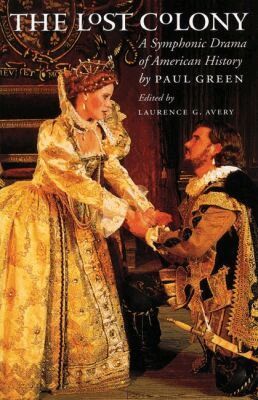
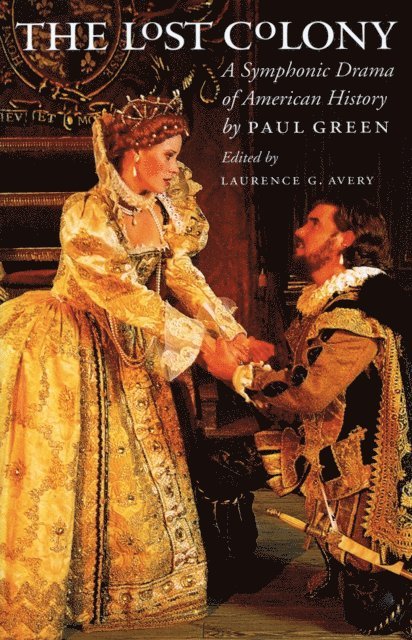
The famous outdoor drama that has captivated audiences for more than sixty years In 1937, The Lost Colony, Paul Green's dramatic retelling of the founding and mysterious disappearance of the Roanoke Island colony, opened to standing-room-only audiences and rave reviews. Since then, the beloved outdoor drama has played to more than 3 million people, and it is still going strong. Produced by the Roanoke Island Historical Association at the Waterside Theater near Manteo, North Carolina, The Lost Colony has run for more than sixty summers almost without interruption. (Production was suspended during World War II, when the threat of German submarines prowling the coast made an extended blackout necessary.) The model for modern outdoor theater, The Lost Colony combines song, dance, drama, special effects, and music to breathe life into shadowy legend. This rendering of the play's text, edited and with an introduction by Laurence Avery, brings this pioneering work back into print.
1 005 kr
Skickas inom 10-15 vardagar
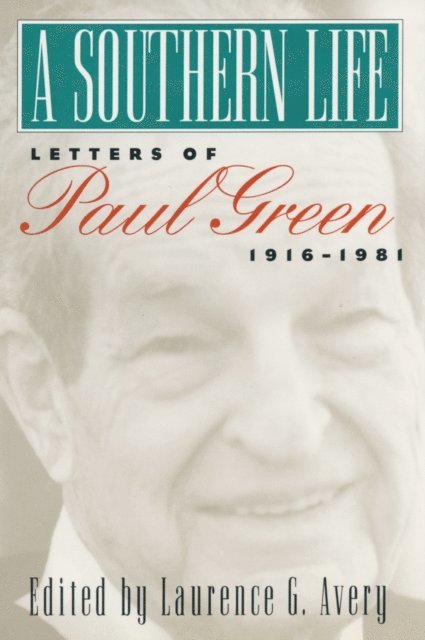
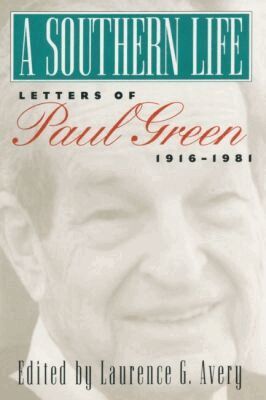
This exceptional collection provides new insight into the life of North Carolina writer and activist Paul Green (1894-1981), the first southern playwright to attract international acclaim for his socially conscious dramas. Green, who taught philosophy and drama at the University of North Carolina at Chapel Hill, won the Pulitzer Prize in 1927 for In Abraham's Bosom, an authentic drama of black life. Among his other Broadway productions were Native Son and Johnny Johnson. From the 1930s onward, Green created fifteen outdoor historical productions known as symphonic dramas, thereby inventing a distinctly American theater form. These include The Lost Colony (1937), which is still performed today.Laurence Avery has selected and annotated the 329 letters in this volume from over 9,000 existing pieces. The letters, to such figures as Sherwood Anderson, Langston Hughes, Richard Wright, John Dos Passos, Zora Neale Hurston, and others interested in the arts and human rights in the South, are alive with the intellect, buoyant spirit, and sensitivity to the human condition that made Green such an inspiring force in the emerging New South. Avery's introduction and full bibliography of the playwright's works and first productions give readers a context for understanding Green's life and times.