Laurence Louer – författare
Visar alla böcker från författaren Laurence Louer. Handla med fri frakt och snabb leverans.
10 produkter
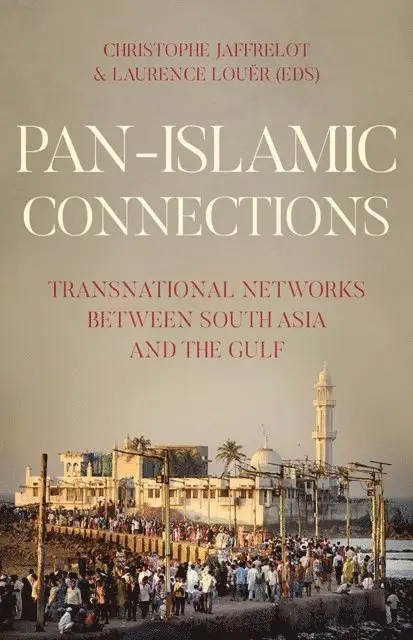
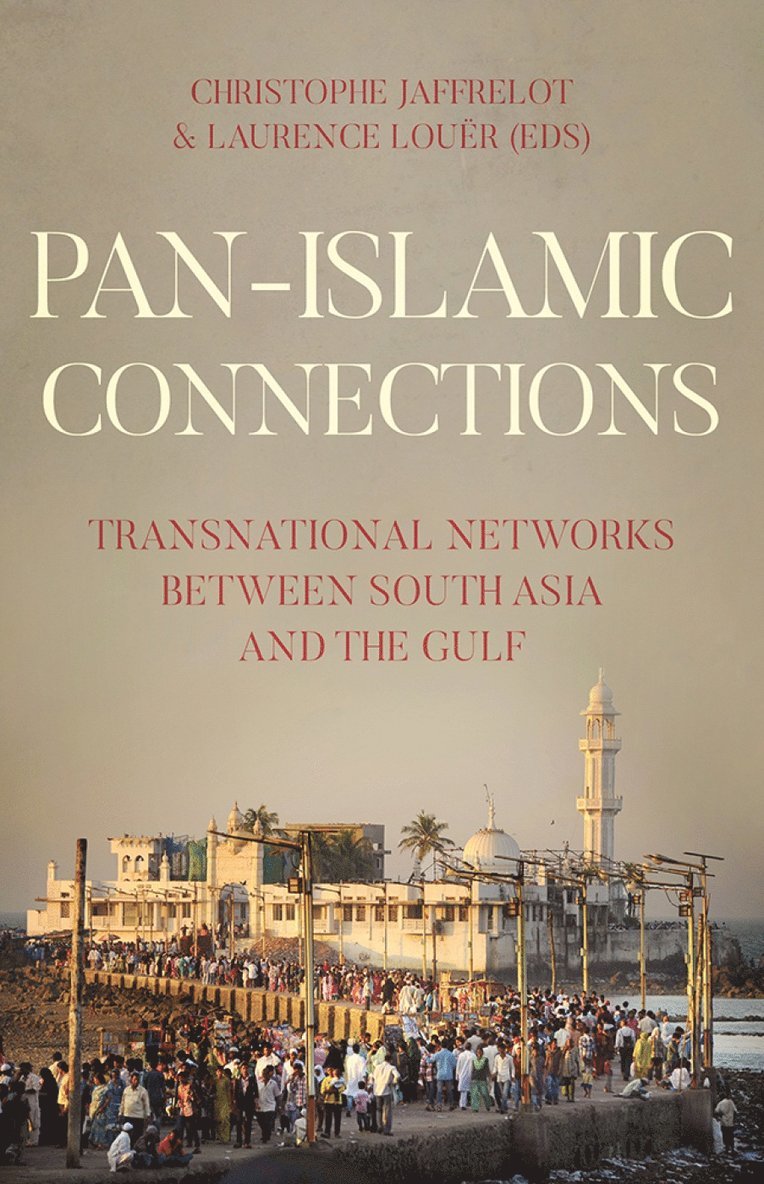
Pan-Islamic Connections
Transnational Networks Between South Asia and the Gulf
Av Laurence Louer, Christophe Jaffrelot
E-bok, 2018
284 kr
Lägg i varukorg
South Asia is today the region inhabited by the largest number of Muslims---roughly 500 million. In the course of the Islamisation process, which begaun in the eighth century, it developed a distinct Indo-Islamic civilisation that culminated in the Mughal Empire. While paying lip service to the …
Pan-Islamic Connections
Transnational Networks Between South Asia and the Gulf
Av Laurence Louer, Christophe Jaffrelot
E-bok, 2018
284 kr
Lägg i varukorg
South Asia is today the region inhabited by the largest number of Muslims---roughly 500 million. In the course of the Islamisation process, which begaun in the eighth century, it developed a distinct Indo-Islamic civilisation that culminated in the Mughal Empire. While paying lip service to the …
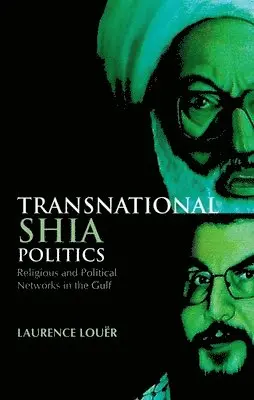
Transnational Shia Politics: Religious and Political Networks in the Gulf
Häftad, 2012
575 kr
Lägg i varukorg
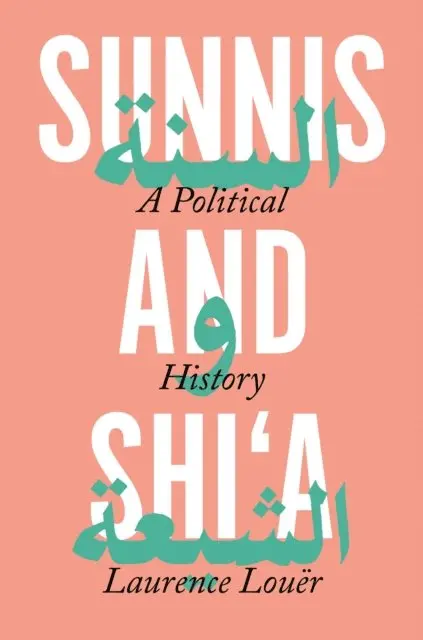
Sunnis and Shi'a
A Political History
Inbunden, 2020
269 kr
Lägg i varukorg
A compelling history of the ancient schism that continues to divide the Islamic worldWhen Muhammad died in 632 without a male heir, Sunnis contended that the choice of a successor should fall to his closest companions, but Shi'a believed that God had inspired the Prophet to appoint his cousin and …
Sunnis and Shi'a
A Political History
E-bok, 2020
324 kr
Lägg i varukorg
A compelling history of the ancient schism that continues to divide the Islamic world When Muhammad died in 632 without a male heir, Sunnis contended that the choice of a successor should fall to his closest companions, but Shi''a believed that God had inspired the Prophet to appoint his cousin and …
Sunnis and Shi'a
A Political History
Häftad, 2022
243 kr
Lägg i varukorg
A compelling history of the ancient schism that continues to divide the Islamic worldWhen Muhammad died in 632 without a male heir, Sunnis contended that the choice of a successor should fall to his closest companions, but Shi'a believed that God had inspired the Prophet to appoint his cousin and …
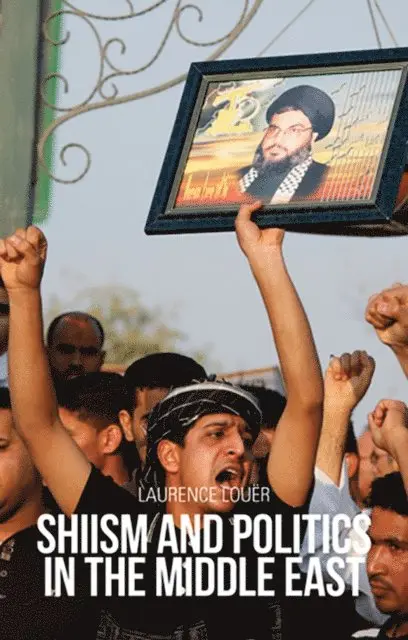
Shiism and Politics in the Middle East
E-bok, 2021
277 kr
Lägg i varukorg
Although Iran’s Islamic Revolution had an electrifying effect on Shiite movements in Lebanon, Iraq, the Gulf and Saudi Arabia, there exists a tendency to explain away much of Shiite politics in the Middle East as inextricably linked to Iranian foreign policy. Laurence Louër challenges this view, …
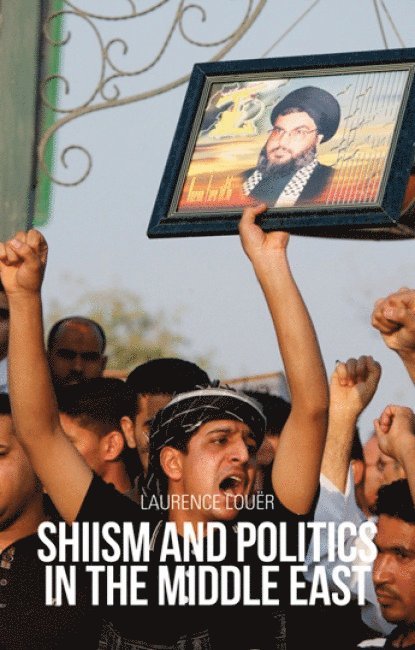
Shiism and Politics in the Middle East
Inbunden, 2012
471 kr
Lägg i varukorg
In this timely book, completed before the current outbreak of unrest in Bahrain that has formed part of the Arab Spring, Laurence Louer explains, the background of the Bahraini conflict in the context of the wider issue of Shiism as a political force in the Arab Middle East, amongst other issues …
Pan Islamic Connections
Transnational Networks Between South Asia and the Gulf
Av Christophe Jaffrelot, Laurence Louer
Häftad, 2017
348 kr
Lägg i varukorg
South Asia is today the region inhabited by the largest number of Muslims--roughly 500 million. In the course of the Islamisation process begun in the eighth century, it developed a distinct Indo-Islamic civilisation that culminated in the Mughal Empire. While paying lip service to the power …