Laurie Katz - Böcker
Visar alla böcker från författaren Laurie Katz. Handla med fri frakt och snabb leverans.
6 produkter
6 produkter
Affirming Students' Right to their Own Language
Bridging Language Policies and Pedagogical Practices
Inbunden, Engelska, 2008
2 496 kr
Skickas inom 10-15 vardagar
A Co-publication of the National Council of Teachers of English and Routledge.How can teachers make sound pedagogical decisions and advocate for educational policies that best serve the needs of students in today’s diverse classrooms? What is the pedagogical value of providing culturally and linguistically diverse students greater access to their own language and cultural orientations?This landmark volume responds to the call to attend to the unfinished pedagogical business of the NCTE Conference on College Composition and Communication 1974 Students’ Right to Their Own Language resolution. Chronicling the interplay between legislated/litigated education policies and language and literacy teaching in diverse classrooms, it presents exemplary research-based practices that maximize students' learning by utilizing their home-based cultural, language, and literacy practices to help them meet school expectations. Pre-service teachers, practicing teachers, and teacher educators need both resources and knowledge, including global perspectives, about language variation in PreK-12 classrooms and hands-on strategies that enable teachers to promote students’ use of their own language in the classroom while also addressing mandated content and performance standards. This book meets that need. Visit http://www.ncte.org for more information about NCTE books, membership, and other services.
Affirming Students' Right to their Own Language
Bridging Language Policies and Pedagogical Practices
Häftad, Engelska, 2008
766 kr
Skickas inom 10-15 vardagar
A Co-publication of the National Council of Teachers of English and Routledge.How can teachers make sound pedagogical decisions and advocate for educational policies that best serve the needs of students in today’s diverse classrooms? What is the pedagogical value of providing culturally and linguistically diverse students greater access to their own language and cultural orientations?This landmark volume responds to the call to attend to the unfinished pedagogical business of the NCTE Conference on College Composition and Communication 1974 Students’ Right to Their Own Language resolution. Chronicling the interplay between legislated/litigated education policies and language and literacy teaching in diverse classrooms, it presents exemplary research-based practices that maximize students' learning by utilizing their home-based cultural, language, and literacy practices to help them meet school expectations. Pre-service teachers, practicing teachers, and teacher educators need both resources and knowledge, including global perspectives, about language variation in PreK-12 classrooms and hands-on strategies that enable teachers to promote students’ use of their own language in the classroom while also addressing mandated content and performance standards. This book meets that need. Visit http://www.ncte.org for more information about NCTE books, membership, and other services.
851 kr
Skickas inom 10-15 vardagar
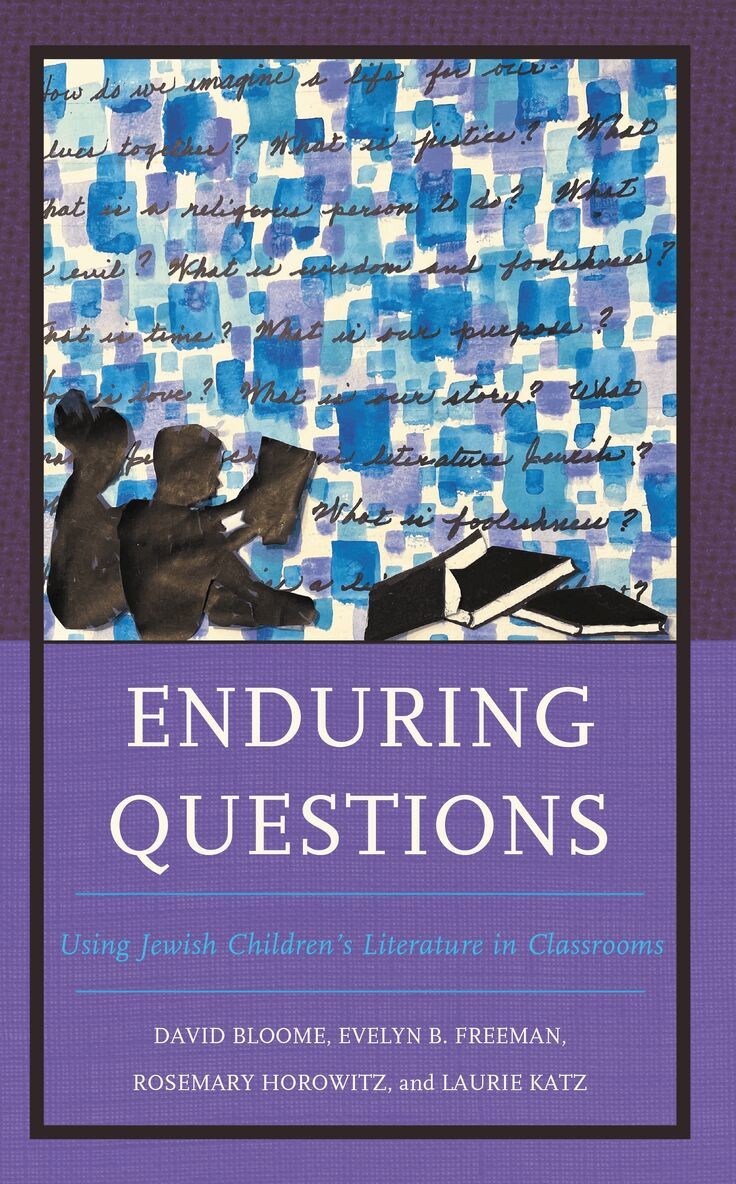
This accessible guide to Jewish children’s literature explores many of the enduring questions of the Jewish tradition: What is Jewish history? What are love, wisdom, humor, ritual, evil, and justice? Jewish children’s literature matters for all children, and with this practical guide parents and teachers will be empowered to choose and discuss books and stories with Jewish or non-Jewish children. Jewish children’s literature is often absent in school classrooms and when it is available, it presents a picture to children of Jews as victims. Enduring Questions provides teachers with guidance in the use of Jewish children’s literature in the preschool and elementary school classroom.Enduring Questions includes extensive bibliographies of Jewish children’s literature, digital resources for teachers, and suggestions for further reading. With summaries of suggested books and texts, honest recommendations from teachers who have used these texts in the classroom, and practical curricular connections, this comprehensive book is suited for those looking for an introduction to teaching Jewish children's literature and those familiar with it.The book provides a framework about the use of Jewish children’s literature as an opportunity for all children, both Jewish and non-Jewish, to be philosophers and engage in dialog and debate. The enduring questions thoughtfully explored through Jewish literature are important for all students growing up in a diverse multicultural world.
422 kr
Skickas inom 10-15 vardagar
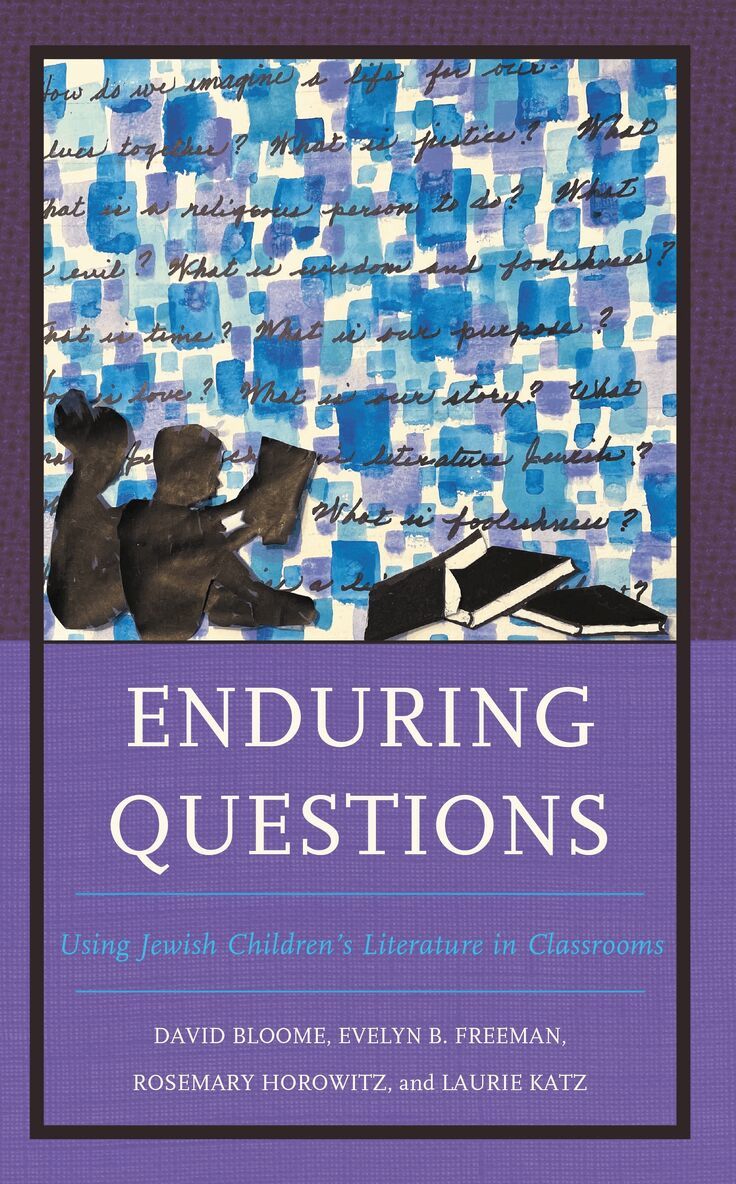
This accessible guide to Jewish children’s literature explores many of the enduring questions of the Jewish tradition: What is Jewish history? What are love, wisdom, humor, ritual, evil, and justice? Jewish children’s literature matters for all children, and with this practical guide parents and teachers will be empowered to choose and discuss books and stories with Jewish or non-Jewish children. Jewish children’s literature is often absent in school classrooms and when it is available, it presents a picture to children of Jews as victims. Enduring Questions provides teachers with guidance in the use of Jewish children’s literature in the preschool and elementary school classroom.Enduring Questions includes extensive bibliographies of Jewish children’s literature, digital resources for teachers, and suggestions for further reading. With summaries of suggested books and texts, honest recommendations from teachers who have used these texts in the classroom, and practical curricular connections, this comprehensive book is suited for those looking for an introduction to teaching Jewish children's literature and those familiar with it.The book provides a framework about the use of Jewish children’s literature as an opportunity for all children, both Jewish and non-Jewish, to be philosophers and engage in dialog and debate. The enduring questions thoughtfully explored through Jewish literature are important for all students growing up in a diverse multicultural world.
452 kr
Skickas inom 7-10 vardagar
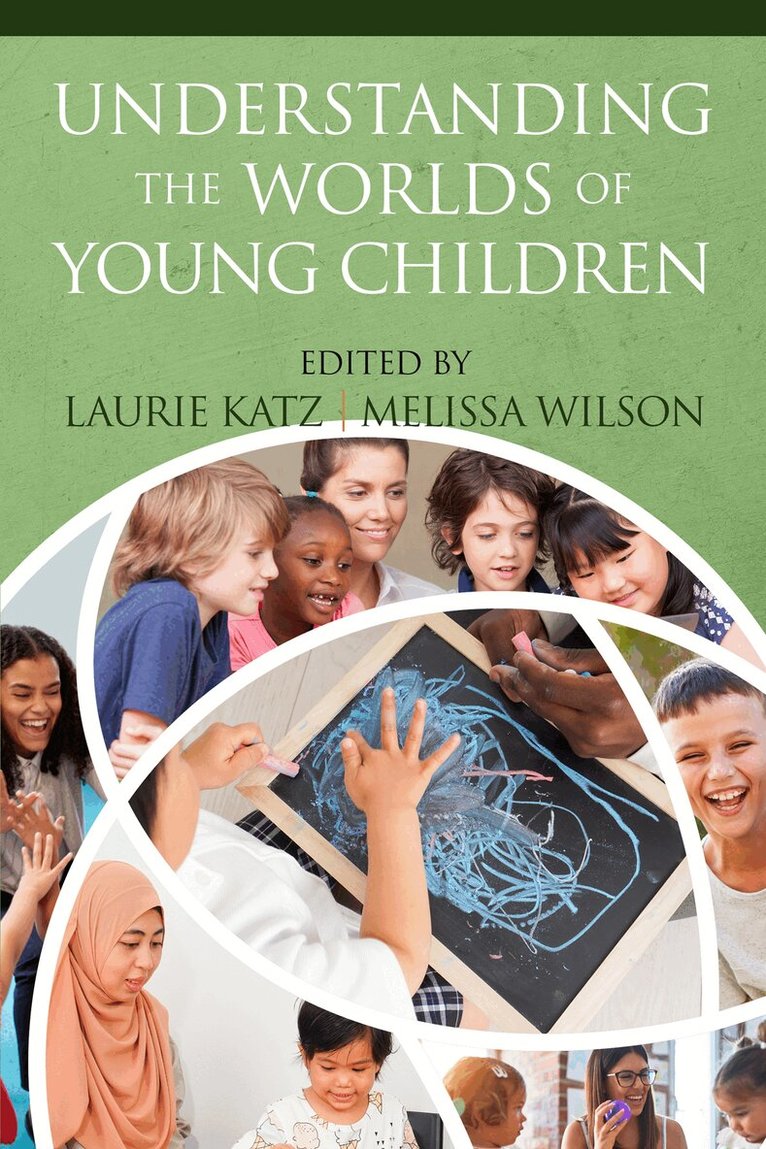
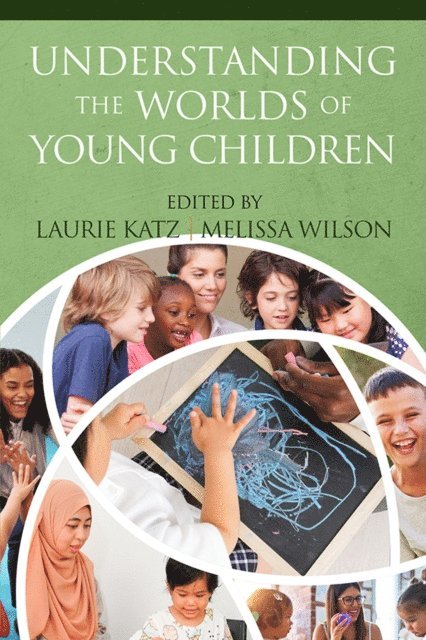
Children begin their literacy journeys from the moment of their birth as they begin to read the world around them. They embark on their journeys as they observe and react to the gestures and voices of their family members, and hear and use the language in which they are immersed to communicate with others. Through their interactions with the sign systems surrounding them, they become socialized into the cultural practices of their communities and construct meaning in their lives. Children’s entrance into formal education, where they begin to read the “word”, further connect them with literacies of other communities, both nationally and globally. Thus, the early years become a critical time to build and support current and future learning where children develop into creative problem solvers, thoughtful communicators and productive leaders and citizens of the next generation.This volume extends current knowledge of children’s learning by exploring the importance of children’s earliest years within the context of their families and communities and connecting those years with their formal education. Development is viewed through a child’s perezhivanie; a concept by Vygotsky (1933–1934/1994) that expresses the unity of the individual’s biological and cultural development. According to Vygotsky, development does not isolate the individual from her/his social context. Children are social beings from birth who acquire and make meanings of their world through their interactions with their families, friends, childcare providers, religious groups, and other community members. These interactions encompass the way children use language within children’s ecosocial (physical and social worlds) where development occurs. How these ecosocial worlds support each other or collide will impact children’s literacy development.This unique contribution provides the reader with opportunities to: a) Recognize the importance of literacy practices as cultural and social within the context of the multiple worlds of young children, b) promote a continuity of children’s ecosocial worlds into their formal education through concepts of perezhivanie and resource-based pedagogies, and c) envision an alternative framework for recognizing children’s ecosocial worlds outside of the classroom and integrating aspects of those worlds to involve families in their child’s formal education.
833 kr
Skickas inom 7-10 vardagar
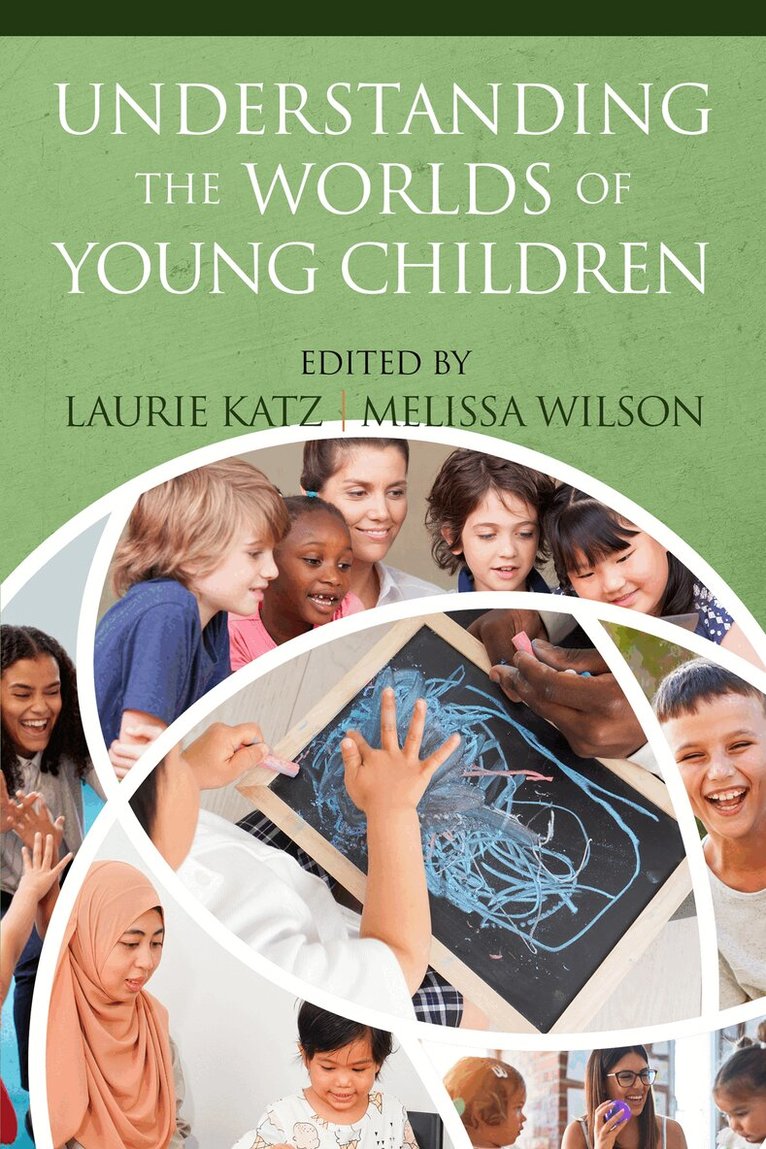
Children begin their literacy journeys from the moment of their birth as they begin to read the world around them. They embark on their journeys as they observe and react to the gestures and voices of their family members, and hear and use the language in which they are immersed to communicate with others. Through their interactions with the sign systems surrounding them, they become socialized into the cultural practices of their communities and construct meaning in their lives. Children’s entrance into formal education, where they begin to read the “word”, further connect them with literacies of other communities, both nationally and globally. Thus, the early years become a critical time to build and support current and future learning where children develop into creative problem solvers, thoughtful communicators and productive leaders and citizens of the next generation.This volume extends current knowledge of children’s learning by exploring the importance of children’s earliest years within the context of their families and communities and connecting those years with their formal education. Development is viewed through a child’s perezhivanie; a concept by Vygotsky (1933–1934/1994) that expresses the unity of the individual’s biological and cultural development. According to Vygotsky, development does not isolate the individual from her/his social context. Children are social beings from birth who acquire and make meanings of their world through their interactions with their families, friends, childcare providers, religious groups, and other community members. These interactions encompass the way children use language within children’s ecosocial (physical and social worlds) where development occurs. How these ecosocial worlds support each other or collide will impact children’s literacy development.This unique contribution provides the reader with opportunities to: a) Recognize the importance of literacy practices as cultural and social within the context of the multiple worlds of young children, b) promote a continuity of children’s ecosocial worlds into their formal education through concepts of perezhivanie and resource-based pedagogies, and c) envision an alternative framework for recognizing children’s ecosocial worlds outside of the classroom and integrating aspects of those worlds to involve families in their child’s formal education.