Lawrence E. Sullivan - Böcker
Visar alla böcker från författaren Lawrence E. Sullivan. Handla med fri frakt och snabb leverans.
3 produkter
3 produkter
483 kr
Skickas inom 10-15 vardagar
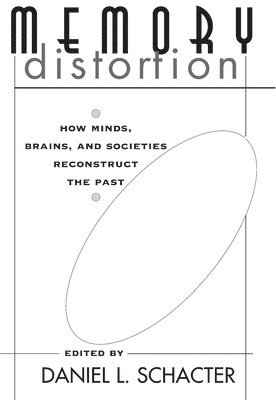
Hypnosis, confabulation, source amnesia, flashbulb memories, repression--these and numerous additional topics are explored in this timely collection of essays by eminent scholars in a range of disciplines. This is the first book on memory distortion to unite contributions from cognitive psychology, psychopathology, psychiatry, neurobiology, sociology, history, and religious studies. It brings the most relevant group of perspectives to bear on some key contemporary issues, including the value of eyewitness testimony and the accuracy of recovered memories of sexual abuse.The distinguished contributors to this volume explore the full range of biological phenomena and social ideas relevant to understanding memory distortion, including the reliability of children's recollections, the effects of hypnosis on memory, and confabulation in brain-injured patients. They also look into the activity and role of brain systems, cellular bases of memory distortion, and the effects of emotion and trauma on the accuracy of memory. In a section devoted to the social aspects of memory distortion, additional essays analyze the media's part in distorting social memory, factors influencing historical reconstruction of the collective past, and memory distortion in religion and other cultural constructs. Daniel Schacter launches the collection with a history of psychological memory distortions. Subsequent highlights include new empirical findings on memory retrieval by a pioneer in the field, some of the foremost research on computational models, studies of the relationship between emotion and memory, new findings on amnesia by a premier neuroscientist, and reflections on the power of collective amnesia in U.S. history, the Nazi Holocaust, and ancient Egypt.
1 223 kr
Skickas inom 7-10 vardagar
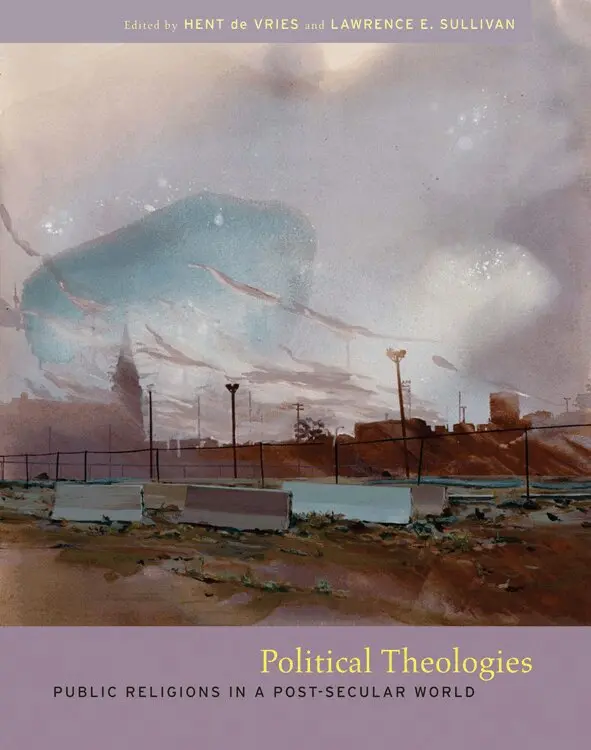
What has happened to religion in its present manifestations? In recent years, Enlightenment secularization, as it appeared in the global spread of political structures that relegate the sacred to a private sphere, seems suddenly to have foundered. Unexpectedly, it has discovered its own parochialism—has discovered, indeed, that secularization may never have taken place at all.With the "return of the religious," in all aspects of contemporary social, political, and religious life, the question of political theology—of the relation between "political" and "religious" domains—takes on new meaning and new urgency. In this groundbreaking book, distinguished scholars from many disciplines—philosophy, political theory, anthropology, classics, and religious studies—seek to take the full measure of this question in today's world.This book begins with the place of the gods in the Greek polis, then moves through Augustine's two cities and early modern religious debates, to classic statements about political theology by such thinkers as Walter Benjamin and Carl Schmitt. Essays also consider the centrality of tolerance to liberal democracy, the recent French controversy over wearing the Muslim headscarf, and "Bush's God talk." The volume includes a historic discussion between Jürgen Habermas and Joseph Cardinal Ratzinger, now Pope Benedict XVI, concerningthe prepolitical moral foundations of a republic, and it concludes with explorations of new, more open ways of conceptualizing society.
586 kr
Skickas inom 11-20 vardagar
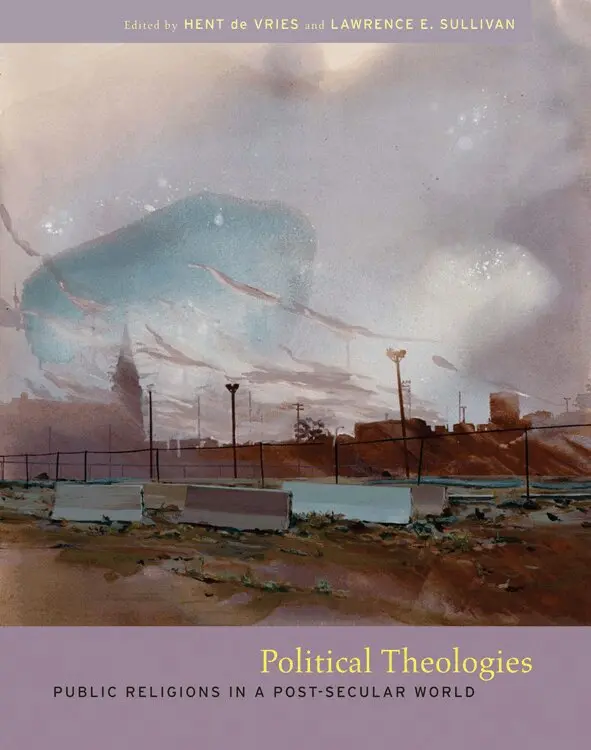
What has happened to religion in its present manifestations? In recent years, Enlightenment secularization, as it appeared in the global spread of political structures that relegate the sacred to a private sphere, seems suddenly to have foundered. Unexpectedly, it has discovered its own parochialism—has discovered, indeed, that secularization may never have taken place at all.With the "return of the religious," in all aspects of contemporary social, political, and religious life, the question of political theology—of the relation between "political" and "religious" domains—takes on new meaning and new urgency. In this groundbreaking book, distinguished scholars from many disciplines—philosophy, political theory, anthropology, classics, and religious studies—seek to take the full measure of this question in today's world.This book begins with the place of the gods in the Greek polis, then moves through Augustine's two cities and early modern religious debates, to classic statements about political theology by such thinkers as Walter Benjamin and Carl Schmitt. Essays also consider the centrality of tolerance to liberal democracy, the recent French controversy over wearing the Muslim headscarf, and "Bush's God talk." The volume includes a historic discussion between Jürgen Habermas and Joseph Cardinal Ratzinger, now Pope Benedict XVI, concerningthe prepolitical moral foundations of a republic, and it concludes with explorations of new, more open ways of conceptualizing society.