Lawrence Hamilton - Böcker
Visar alla böcker från författaren Lawrence Hamilton. Handla med fri frakt och snabb leverans.
10 produkter
10 produkter
665 kr
Skickas inom 7-10 vardagar
Using the history of political thought and real-world political contexts, including South Africa and the recent global financial crisis, this book argues that power is integral to freedom. It demonstrates how freedom depends upon power, and contends that liberty for all citizens is best maintained if conceived as power through political representation. Against those who de-politicise freedom through a romantic conception of 'the people' and faith in supposedly independent judicial and political institutions, Lawrence Hamilton argues that real modern freedom can only be achieved through representative and participative mechanisms that limit domination and empower classes and groups who become disempowered in the conflicts that inevitably pervade politics. This is a sophisticated contribution to contemporary political theory that will be of interest to scholars and students of history, politics, philosophy, economics, sociology, development studies and Southern African studies.
428 kr
Skickas inom 7-10 vardagar
Using the history of political thought and real-world political contexts, including South Africa and the recent global financial crisis, this book argues that power is integral to freedom. It demonstrates how freedom depends upon power, and contends that liberty for all citizens is best maintained if conceived as power through political representation. Against those who de-politicise freedom through a romantic conception of 'the people' and faith in supposedly independent judicial and political institutions, Lawrence Hamilton argues that real modern freedom can only be achieved through representative and participative mechanisms that limit domination and empower classes and groups who become disempowered in the conflicts that inevitably pervade politics. This is a sophisticated contribution to contemporary political theory that will be of interest to scholars and students of history, politics, philosophy, economics, sociology, development studies and Southern African studies.
144 kr
Skickas inom 5-8 vardagar
1 276 kr
Skickas inom 10-15 vardagar
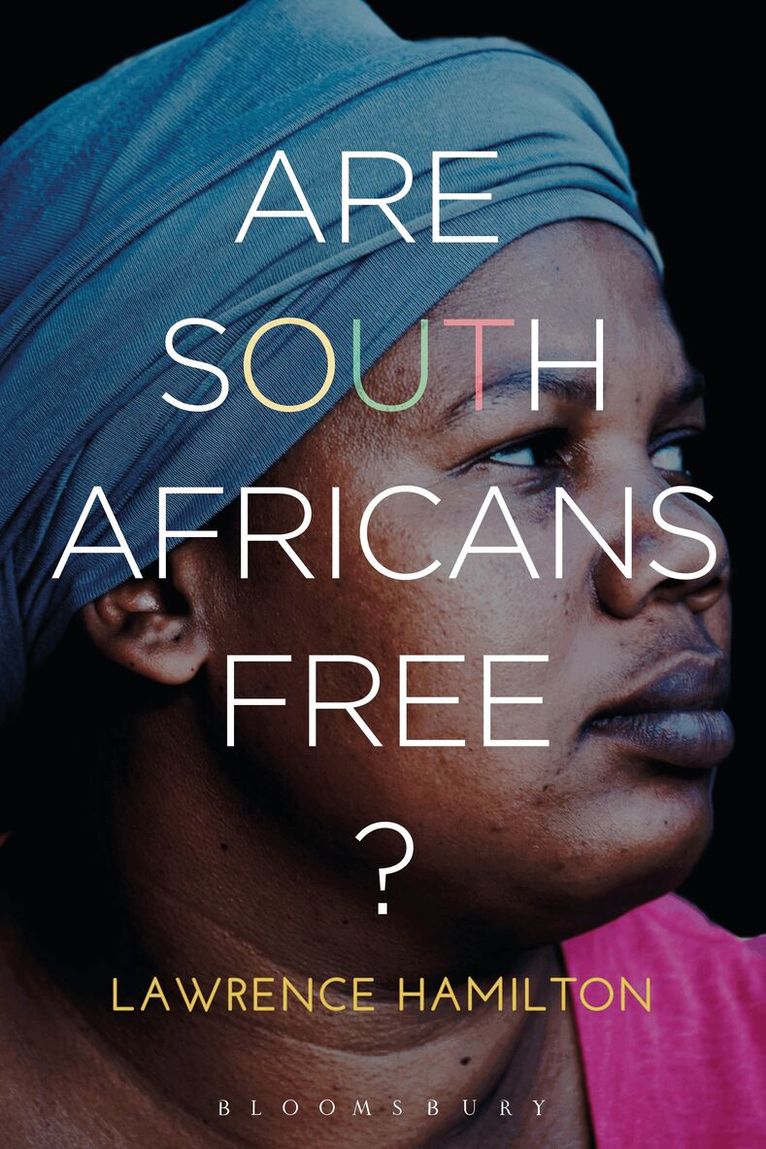
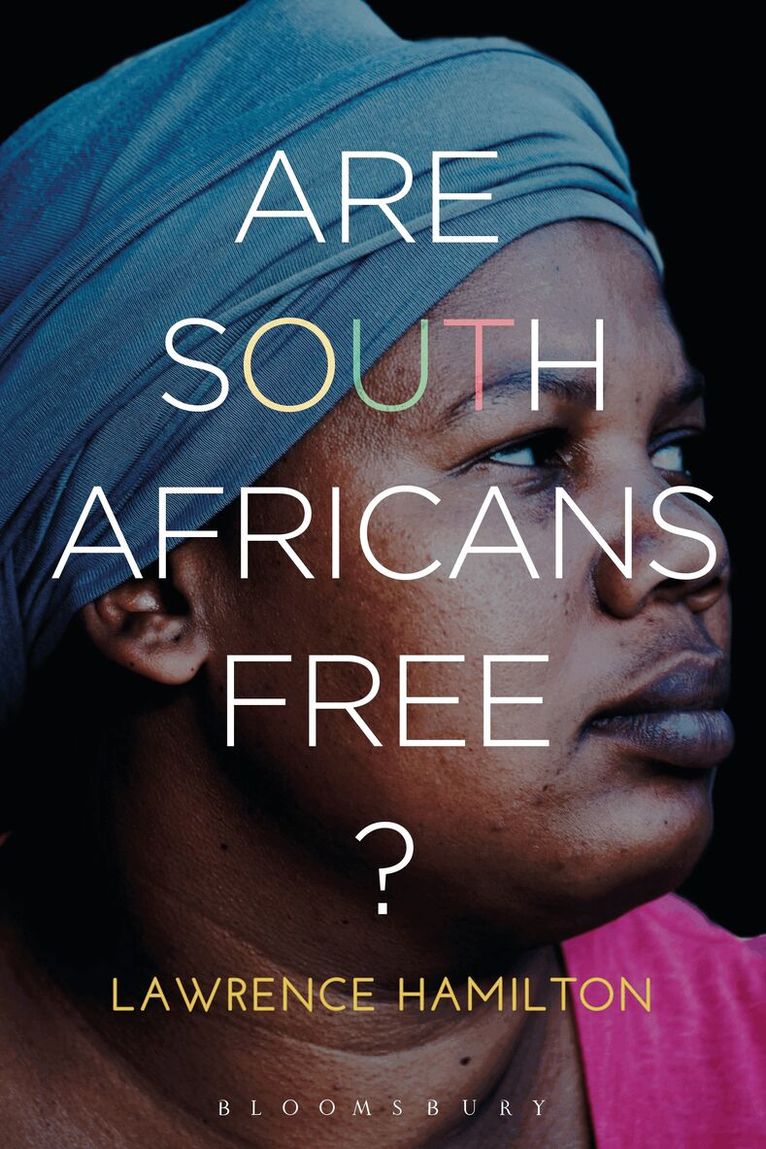
This book is available as open access through the Bloomsbury Open Access programme and is available on www.bloomsburycollections.com.Despite South Africa's successful transition to democracy and lauded constitution, political freedom for the majority of South Africans remains elusive. The poor and unemployed majority are poorly represented and lack power and thus freedom. Under these conditions, the freedom of the privileged minority is also seriously impaired due to the costs of maintaining their relative security and well-being. Lawrence Hamilton is an internationally-known political theorist, who has spent ten years teaching in South African universities. In this unique book he brings ideas - political and philosophical - to the fore to understand a contemporary political conundrum. He outlines the persistent, unresolved problems characterizing contemporary South Africa: poverty and quality of life statistics that are appalling for a middle-income country, levels of inequality that make South Africa one of the most unequal places in the world, skewed economic and political representation that reproduces elites rather than generating opportunities for all and an electoral system that implements the idea of proportional representation so literally that it undermines meaningful representation. Are South Africans Free? aims not only to explain the current state of South Africa but to provide positive new directions and suggestions for institutional change. Hamilton argues that freedom as power in South Africa does not depend on good will, charity or duty, and it goes beyond the complete realization of the political and civil liberties currently safeguarded in its constitution. Such change will depend on courageous leadership, active citizenship, new forms of representation and a macroeconomic policy that offers radical redistribution of actual and potential wealth.
381 kr
Skickas inom 10-15 vardagar
This book is available as open access through the Bloomsbury Open Access programme and is available on www.bloomsburycollections.com.Despite South Africa's successful transition to democracy and lauded constitution, political freedom for the majority of South Africans remains elusive. The poor and unemployed majority are poorly represented and lack power and thus freedom. Under these conditions, the freedom of the privileged minority is also seriously impaired due to the costs of maintaining their relative security and well-being. Lawrence Hamilton is an internationally-known political theorist, who has spent ten years teaching in South African universities. In this unique book he brings ideas - political and philosophical - to the fore to understand a contemporary political conundrum. He outlines the persistent, unresolved problems characterizing contemporary South Africa: poverty and quality of life statistics that are appalling for a middle-income country, levels of inequality that make South Africa one of the most unequal places in the world, skewed economic and political representation that reproduces elites rather than generating opportunities for all and an electoral system that implements the idea of proportional representation so literally that it undermines meaningful representation. Are South Africans Free? aims not only to explain the current state of South Africa but to provide positive new directions and suggestions for institutional change. Hamilton argues that freedom as power in South Africa does not depend on good will, charity or duty, and it goes beyond the complete realization of the political and civil liberties currently safeguarded in its constitution. Such change will depend on courageous leadership, active citizenship, new forms of representation and a macroeconomic policy that offers radical redistribution of actual and potential wealth.
687 kr
Skickas inom 7-10 vardagar
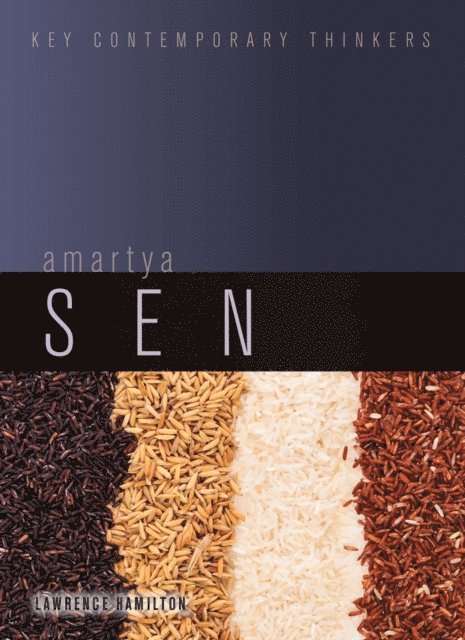
Amartya Sen is one of the world’s best-known voices for the poor, the destitute and the downtrodden and an inspiration for policy makers and activists across the globe. He has also contributed almost without peer to the study of economics, philosophy and politics, transforming social choice theory, development economics, ethics, political philosophy and Indian political economy, to list but a few.This book offers a much-needed introduction to Amartya Sen’s extraordinary variety of ideas. Lawrence Hamilton provides an excellent, accessible guide to the full range of Sen’s writings, contextualizing his ideas and summarizing the associated debates. In elegant prose, Hamilton reconstructs Sen’s critiques of the major philosophies of his time, assesses his now famous concern for capabilities as an alternative for thinking about poverty, inequality, gender discrimination, development, democracy and justice, and unearths some overlooked gems. Throughout, these major theoretical and philosophical achievements are subjected to rigorous scrutiny.Amartya Sen is a major work on one of the most influential economists and philosophers of the last couple of centuries. It will be invaluable to students and scholars across the humanities and social sciences and an excellent guide for policy makers, legislators and global activists.
244 kr
Skickas inom 7-10 vardagar
Amartya Sen is one of the world’s best-known voices for the poor, the destitute and the downtrodden and an inspiration for policy makers and activists across the globe. He has also contributed almost without peer to the study of economics, philosophy and politics, transforming social choice theory, development economics, ethics, political philosophy and Indian political economy, to list but a few.This book offers a much-needed introduction to Amartya Sen’s extraordinary variety of ideas. Lawrence Hamilton provides an excellent, accessible guide to the full range of Sen’s writings, contextualizing his ideas and summarizing the associated debates. In elegant prose, Hamilton reconstructs Sen’s critiques of the major philosophies of his time, assesses his now famous concern for capabilities as an alternative for thinking about poverty, inequality, gender discrimination, development, democracy and justice, and unearths some overlooked gems. Throughout, these major theoretical and philosophical achievements are subjected to rigorous scrutiny.Amartya Sen is a major work on one of the most influential economists and philosophers of the last couple of centuries. It will be invaluable to students and scholars across the humanities and social sciences and an excellent guide for policy makers, legislators and global activists.
309 kr
Skickas inom 7-10 vardagar
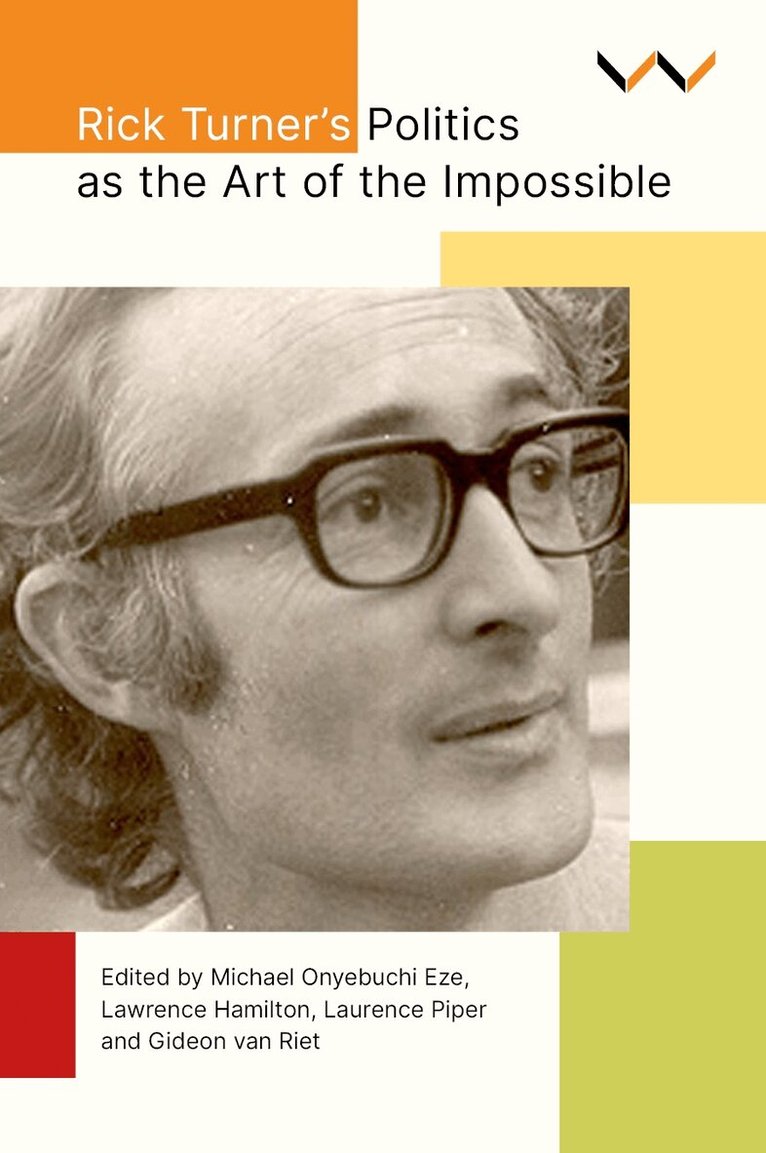
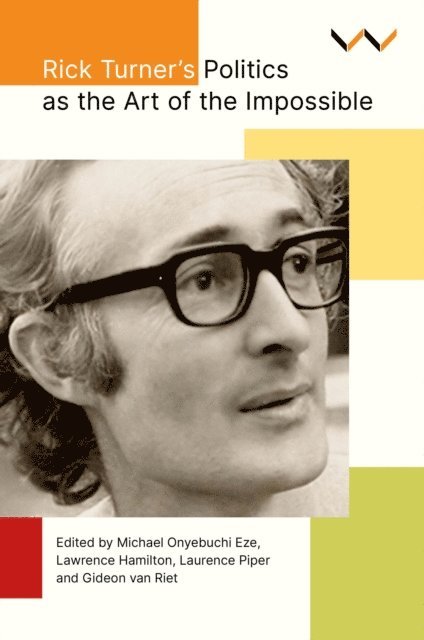
Revisits the work of Rick Turner, a South African political theorist, and addresses contemporary debatesRick Turner was a South African academic and anti-apartheid activist who rebelled against the apartheid state at the height of its power. For this he was assassinated in 1978, at just 32 years of age, but his life and work are testimony to the power of philosophical thinking for humans everywhere. Turner chose to live freely in an unfree time and argued for a non-racial, socialist future in a context where this seemed unimaginable.This book takes seriously Rick Turner's challenge that political theorising requires thinking in a utopian way. Turner's seminal book The Eye of the Need: Towards a Participatory Democracy laid out some of his most potent ideas on a radically different political and economic system. His demand was that we work to escape the limiting ideas of the present, carefully design a just future based on shared human values, and act to make it a reality, both politically and in our daily lives.The contributors to this volume engage critically with Turner's work on race relations, his relationship with Steve Biko, his views on religion, education and gender oppression, his participatory model of democracy, and his critique of enduring forms of poverty and economic inequality. They show how, in his life and work, Turner modeled how we can dare to be free and how hope can return, as the future always remains open to human construction. This book makes an important contribution to contemporary thinking and activism where the need for South Africans to define their understanding of their greater common good is of crucial importance.
941 kr
Skickas inom 7-10 vardagar
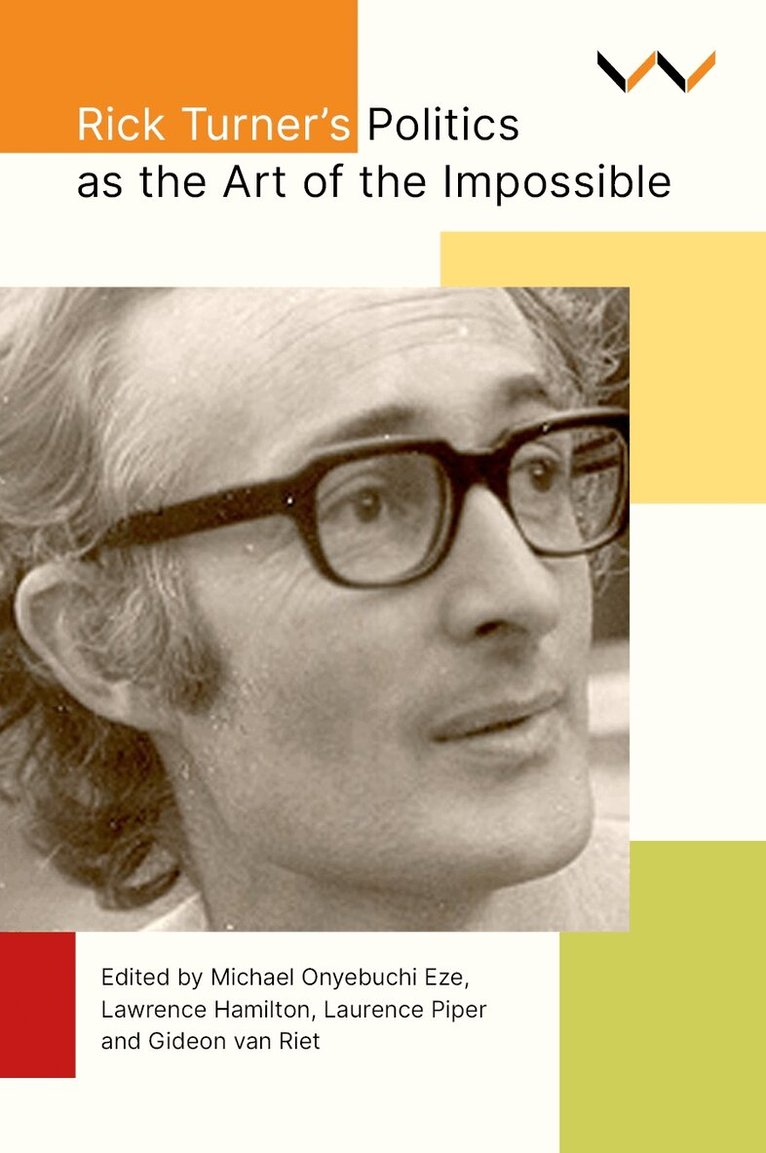
Revisits the work of Rick Turner, a South African political theorist, and addresses contemporary debatesRick Turner was a South African academic and anti-apartheid activist who rebelled against the apartheid state at the height of its power. For this he was assassinated in 1978, at just 32 years of age, but his life and work are testimony to the power of philosophical thinking for humans everywhere. Turner chose to live freely in an unfree time and argued for a non-racial, socialist future in a context where this seemed unimaginable.This book takes seriously Rick Turner's challenge that political theorising requires thinking in a utopian way. Turner's seminal book The Eye of the Need: Towards a Participatory Democracy laid out some of his most potent ideas on a radically different political and economic system. His demand was that we work to escape the limiting ideas of the present, carefully design a just future based on shared human values, and act to make it a reality, both politically and in our daily lives.The contributors to this volume engage critically with Turner's work on race relations, his relationship with Steve Biko, his views on religion, education and gender oppression, his participatory model of democracy, and his critique of enduring forms of poverty and economic inequality. They show how, in his life and work, Turner modeled how we can dare to be free and how hope can return, as the future always remains open to human construction. This book makes an important contribution to contemporary thinking and activism where the need for South Africans to define their understanding of their greater common good is of crucial importance.
372 kr
Skickas inom 11-20 vardagar
This rich volume not only deals with political traditions but gives attention to religious and communal intellectual practices. The scope covers interpretations of traditions such as African nationalism, Afrikaner thought, Black Consciousness, Christianity, feminism, Gandhian ways, Hinduism, Jewish responses, liberalism, Marxism, Muslim voices, Pan Africanism and posivitism. ‘Only by rethinking the ideas that made us can we re-imagine the world,’ says editor Peter Vale. The book’s real value comes from the fact that it takes a great leap to rectify large lacuna in South Africa’s historiography.Powerful ideas, institutions and individuals have been central to various colonising and apartheid projects to directly control and subordinate much of the population. This form of extreme social engineering often fails, and generated unintended and unforeseen spaces for individual agency and competing ideas. The result was that even completely totalitarian systems of rule cannot completely stamp out individual human ingenuity and imagination.