Leah Culligan Flack - Böcker
Visar alla böcker från författaren Leah Culligan Flack. Handla med fri frakt och snabb leverans.
4 produkter
4 produkter
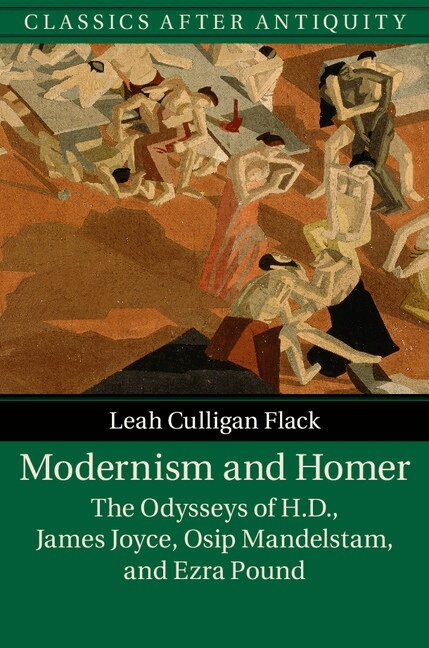
Modernism and Homer
The Odysseys of H.D., James Joyce, Osip Mandelstam, and Ezra Pound
Inbunden, Engelska, 2015
1 431 kr
Skickas inom 7-10 vardagar
This comparative study crosses multiple cultures, traditions, genres, and languages in order to explore the particular importance of Homer in the emergence, development, and promotion of modernist writing. It shows how and why the Homeric epics served both modernist formal experimentation, including Pound's poetics of the fragment and Joyce's sprawling epic novel, and sociopolitical critiques, including H.D.'s analyses of the cultural origins of twentieth-century wars and Mandelstam's poetic defiance of the totalitarian Stalinist regime. The book counters a long critical tradition that has recruited Homer to consolidate, champion and, more recently, chastise an elitist, masculine modernist canon. Departing from the tradition of reading these texts in isolation as mythic engagements with the Homeric epics, Leah Flack argues that ongoing dialogues with Homer helped these writers to mount their distinct visions of a cosmopolitan post-war culture that would include them as artists working on the margins of the Western literary tradition.
Modernism and Homer
The Odysseys of H.D., James Joyce, Osip Mandelstam, and Ezra Pound
Häftad, Engelska, 2020
493 kr
Skickas inom 7-10 vardagar
This comparative study crosses multiple cultures, traditions, genres, and languages in order to explore the particular importance of Homer in the emergence, development, and promotion of modernist writing. It shows how and why the Homeric epics served both modernist formal experimentation, including Pound's poetics of the fragment and Joyce's sprawling epic novel, and sociopolitical critiques, including H.D.'s analyses of the cultural origins of twentieth-century wars and Mandelstam's poetic defiance of the totalitarian Stalinist regime. The book counters a long critical tradition that has recruited Homer to consolidate, champion and, more recently, chastise an elitist, masculine modernist canon. Departing from the tradition of reading these texts in isolation as mythic engagements with the Homeric epics, Leah Flack argues that ongoing dialogues with Homer helped these writers to mount their distinct visions of a cosmopolitan post-war culture that would include them as artists working on the margins of the Western literary tradition.
1 314 kr
Skickas inom 10-15 vardagar
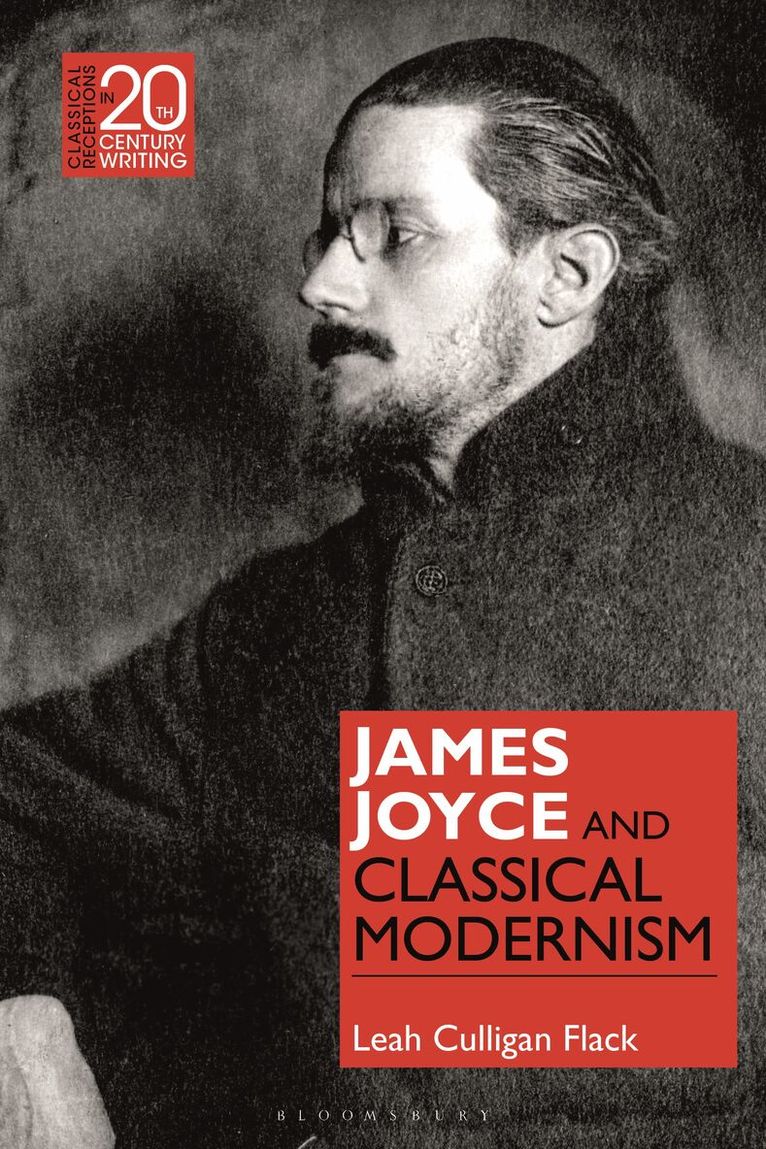
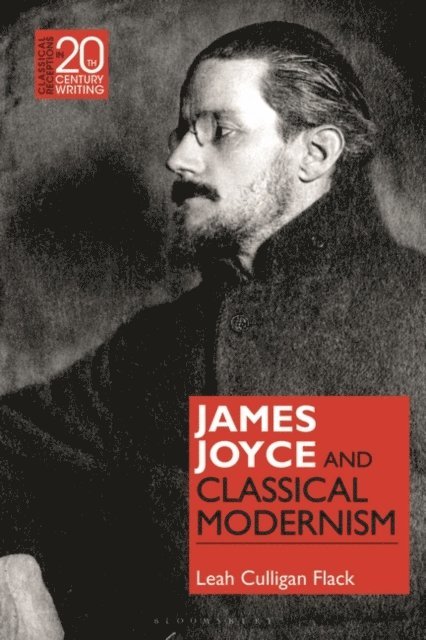
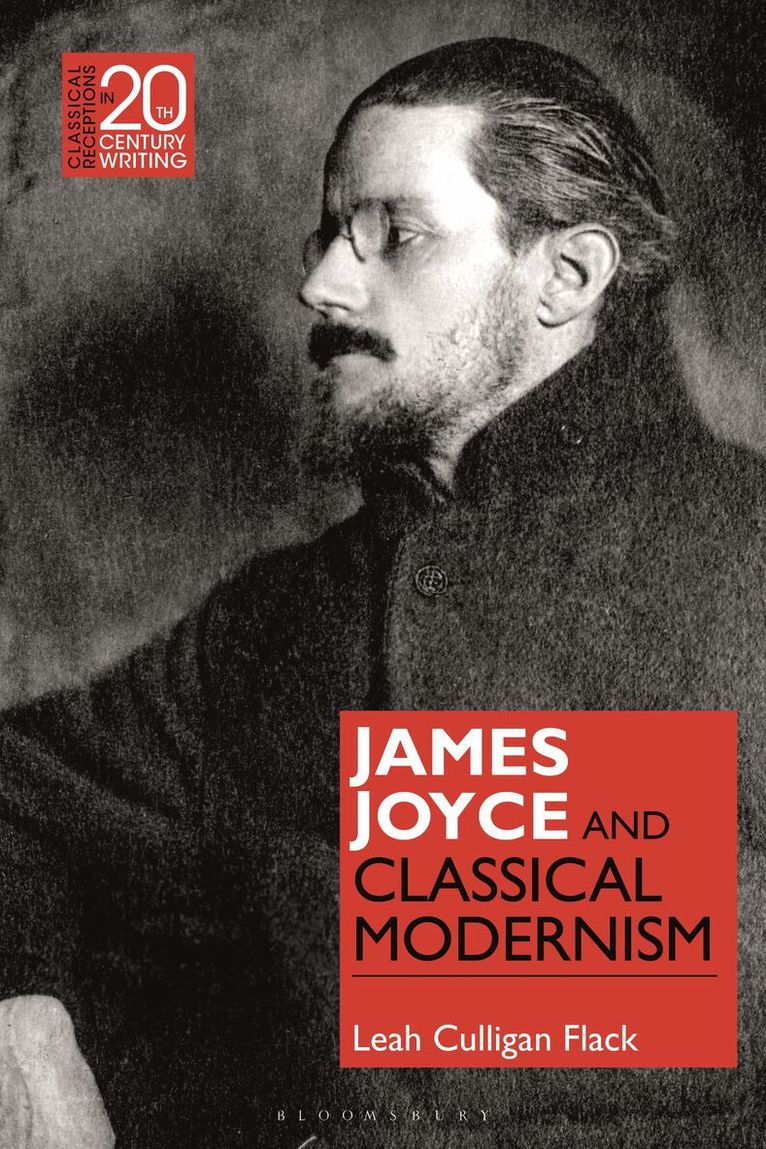
James Joyce and Classical Modernism contends that the classical world animated Joyce’s defiant, innovative creativity and cannot be separated from what is now recognized as his modernist aesthetic. Responding to a long-standing critical paradigm that has viewed the classical world as a means of granting a coherent order, shape, and meaning to Joyce’s modernist innovations, Leah Flack explores how and why Joyce’s fiction deploys the classical as the language of the new. This study tracks Joyce’s sensitive, on-going readings of classical literature from his earliest work at the turn of the twentieth century through to the appearance of Ulysses in 1922, the watershed year of high modernist writing. In these decades, Joyce read ancient and modern literature alongside one another to develop what Flack calls his classical modernist aesthetic, which treats the classical tradition as an ally to modernist innovation. This aesthetic first comes to full fruition in Ulysses, which self-consciously deploys the classical tradition to defend stylistic experimentation as a way to resist static, paralyzing notions of the past. Analysing Joyce's work through his career from his early essays, Flack ends by considering the rich afterlives of Joyce’s classical modernist project, with particular attention to contemporary works by Alison Bechdel and Maya Lang.
515 kr
Skickas inom 10-15 vardagar
James Joyce and Classical Modernism contends that the classical world animated Joyce’s defiant, innovative creativity and cannot be separated from what is now recognized as his modernist aesthetic. Responding to a long-standing critical paradigm that has viewed the classical world as a means of granting a coherent order, shape, and meaning to Joyce’s modernist innovations, Leah Flack explores how and why Joyce’s fiction deploys the classical as the language of the new. This study tracks Joyce’s sensitive, on-going readings of classical literature from his earliest work at the turn of the twentieth century through to the appearance of Ulysses in 1922, the watershed year of high modernist writing. In these decades, Joyce read ancient and modern literature alongside one another to develop what Flack calls his classical modernist aesthetic, which treats the classical tradition as an ally to modernist innovation. This aesthetic first comes to full fruition in Ulysses, which self-consciously deploys the classical tradition to defend stylistic experimentation as a way to resist static, paralyzing notions of the past. Analysing Joyce's work through his career from his early essays, Flack ends by considering the rich afterlives of Joyce’s classical modernist project, with particular attention to contemporary works by Alison Bechdel and Maya Lang.