Leah Schmalzbauer - Böcker
Visar alla böcker från författaren Leah Schmalzbauer. Handla med fri frakt och snabb leverans.
4 produkter
4 produkter
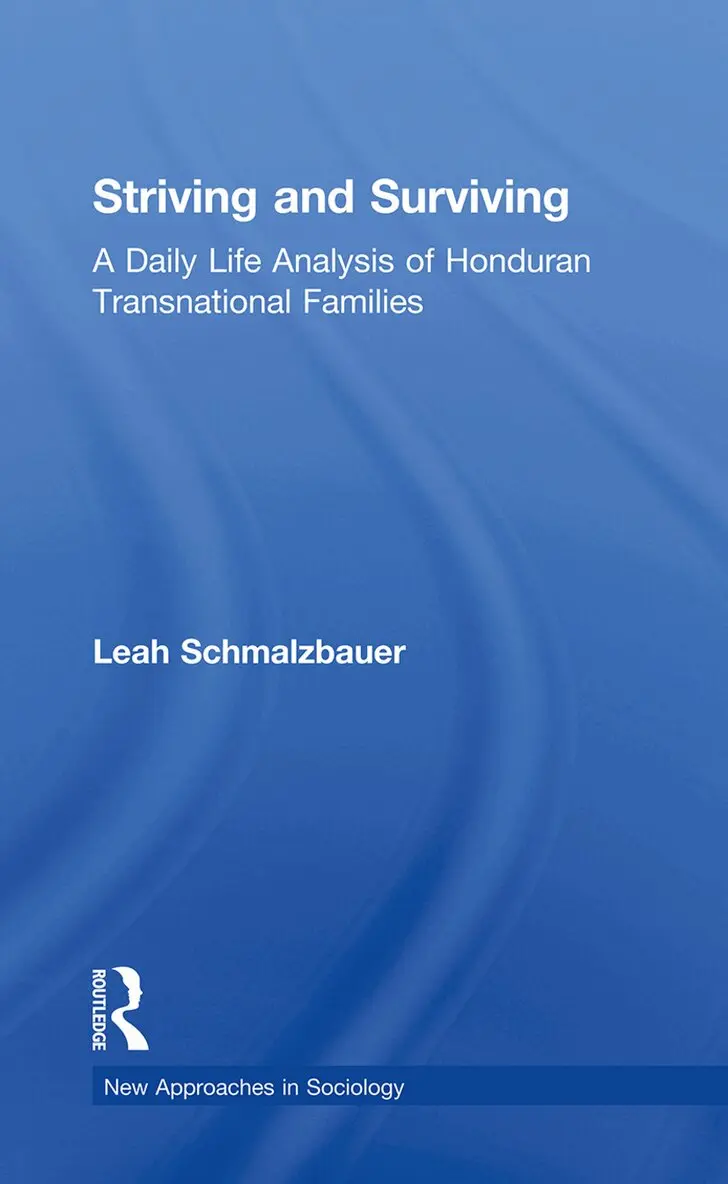
Striving and Surviving
A Daily Life Analysis of Honduran Transnational Families
Häftad, Engelska, 2013
645 kr
Skickas inom 10-15 vardagar
Drawing on data the author gathered in Honduras and the United States from weekly time diaries, in-depth interviews, participant observation and interpretive focus groups, she looks specifically at the experience and prospects of transmigrant labor in the United States; the aspirations and consumption practices of transnational family members in the United States and Honduras, especially as the relate to the American Dream; and she explores the ways in which families negotiate caretaking responsibilities, both financial and emotional, while striving and surviving in a transnational space. This is the first daily life study of undocumented immigrants and the first transnational analysis of Honduran families.
Striving and Surviving
A Daily Life Analysis of Honduran Transnational Families
Inbunden, Engelska, 2005
2 091 kr
Skickas inom 10-15 vardagar
Drawing on data the author gathered in Honduras and the United States from weekly time diaries, in-depth interviews, participant observation and interpretive focus groups, she looks specifically at the experience and prospects of transmigrant labor in the United States; the aspirations and consumption practices of transnational family members in the United States and Honduras, especially as the relate to the American Dream; and she explores the ways in which families negotiate caretaking responsibilities, both financial and emotional, while striving and surviving in a transnational space. This is the first daily life study of undocumented immigrants and the first transnational analysis of Honduran families.
1 129 kr
Skickas inom 10-15 vardagar
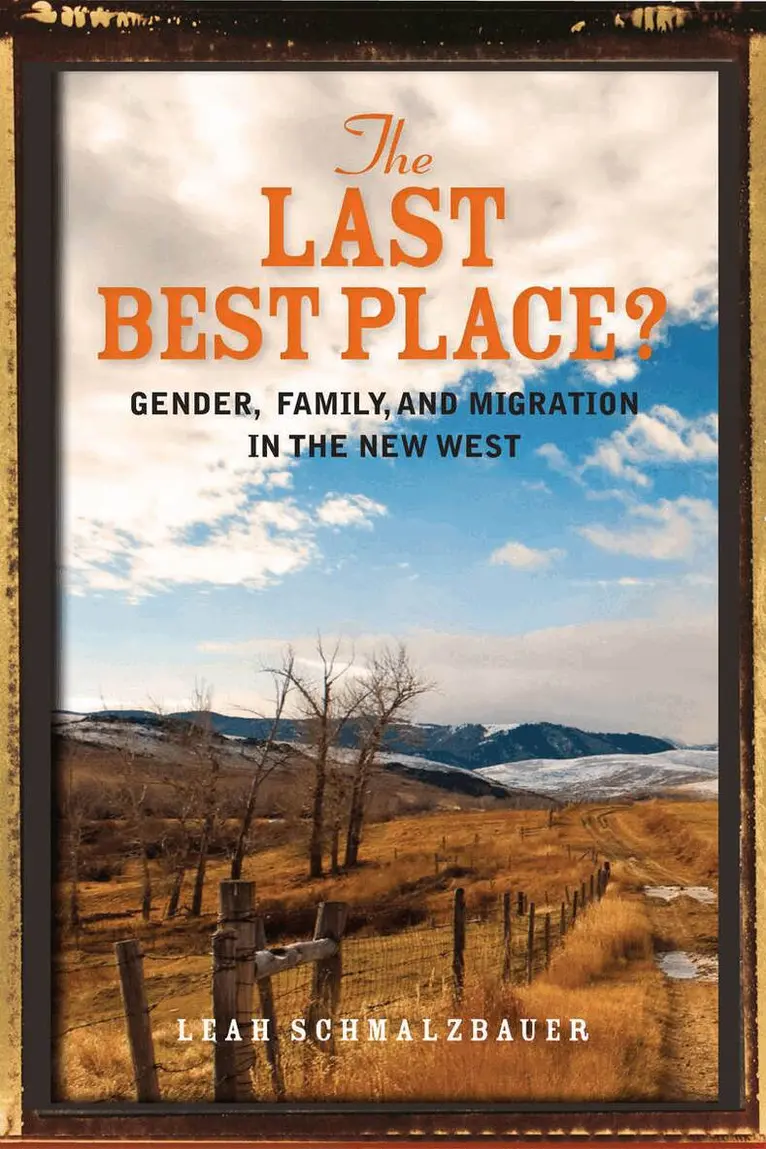
Southwest Montana is beautiful country, evoking mythologies of freedom and escape long associated with the West. Partly because of its burgeoning presence in popular culture, film, and literature, including William Kittredge's anthology The Last Best Place, the scarcely populated region has witnessed an influx of wealthy, white migrants over the last few decades. But another, largely invisible and unstudied type of migration is also present. Though Mexican migrants have worked on Montana's ranches and farms since the 1920s, increasing numbers of migrant families—both documented and undocumented—are moving to the area to support its growing construction and service sectors.The Last Best Place? asks us to consider the multiple racial and class-related barriers that Mexican migrants must negotiate in the unique context of Montana's rural gentrification. These daily life struggles and inter-group power dynamics are deftly examined through extensive interviews and ethnography, as are the ways gender structures inequalities within migrant families and communities. But Leah Schmalzbauer's research extends even farther to highlight the power of place and demonstrate how Montana's geography and rurality intersect with race, class, gender, family, illegality, and transnationalism to affect migrants' well-being and aspirations. Though the New West is just one among many new destinations, it forces us to recognize that the geographic subjectivities and intricacies of these destinations must be taken into account to understand the full complexity of migrant life.
270 kr
Skickas inom 7-10 vardagar
Southwest Montana is beautiful country, evoking mythologies of freedom and escape long associated with the West. Partly because of its burgeoning presence in popular culture, film, and literature, including William Kittredge's anthology The Last Best Place, the scarcely populated region has witnessed an influx of wealthy, white migrants over the last few decades. But another, largely invisible and unstudied type of migration is also present. Though Mexican migrants have worked on Montana's ranches and farms since the 1920s, increasing numbers of migrant families—both documented and undocumented—are moving to the area to support its growing construction and service sectors.The Last Best Place? asks us to consider the multiple racial and class-related barriers that Mexican migrants must negotiate in the unique context of Montana's rural gentrification. These daily life struggles and inter-group power dynamics are deftly examined through extensive interviews and ethnography, as are the ways gender structures inequalities within migrant families and communities. But Leah Schmalzbauer's research extends even farther to highlight the power of place and demonstrate how Montana's geography and rurality intersect with race, class, gender, family, illegality, and transnationalism to affect migrants' well-being and aspirations. Though the New West is just one among many new destinations, it forces us to recognize that the geographic subjectivities and intricacies of these destinations must be taken into account to understand the full complexity of migrant life.