Lee A. Smithey - Böcker
Visar alla böcker från författaren Lee A. Smithey. Handla med fri frakt och snabb leverans.
3 produkter
3 produkter
1 269 kr
Skickas inom 5-8 vardagar
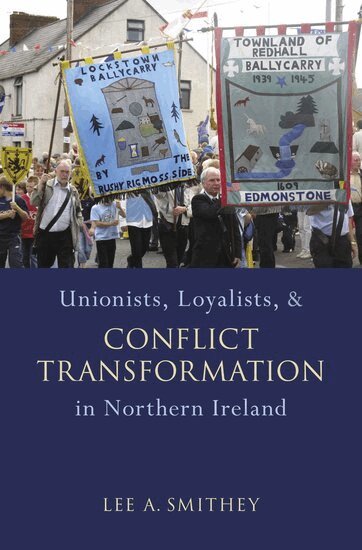
Northern Ireland provides a valuable case study of a seemingly intractable conflict undergoing transformation. Lee Smithey offers a grassroots view of that transformation, through interviews and field research in the region, and provides essential models for how ethnic and communal-based conflicts can shift from violent confrontation toward multiculturalism and democratic cooperation.Smithey focuses particularly on Protestant unionists and loyalists in Northern Ireland, who maintain varying degrees of commitment to the Protestant faith, the Crown, and British identity. He argues that mutually-opposed collective identities in ethnopolitical conflict can become less polarized as partisans adopt new conflict strategies and means of expressing identity. Thus, the close and recursive relationship between collective identity and collective action forms a crucial element of conflict transformation. Smithey closely examines attempts in Protestant/unionist/loyalist communities and organizations to develop more constructive means of pursuing political agendas, expressing collective identity, and improving community relations. Key leaders and activists have begun to reframe collective narratives and identities, diminishing out-group popularization and making community support possible for greater political and civic cooperation.As Smithey shows, this kind of shift in strategy and collective vision constitutes the heart of conflict transformation, and the challenges and opportunities faced by grassroots unionists and loyalists in Northern Ireland prove instructive for other regions of intractable conflict.
698 kr
Skickas inom 10-15 vardagar
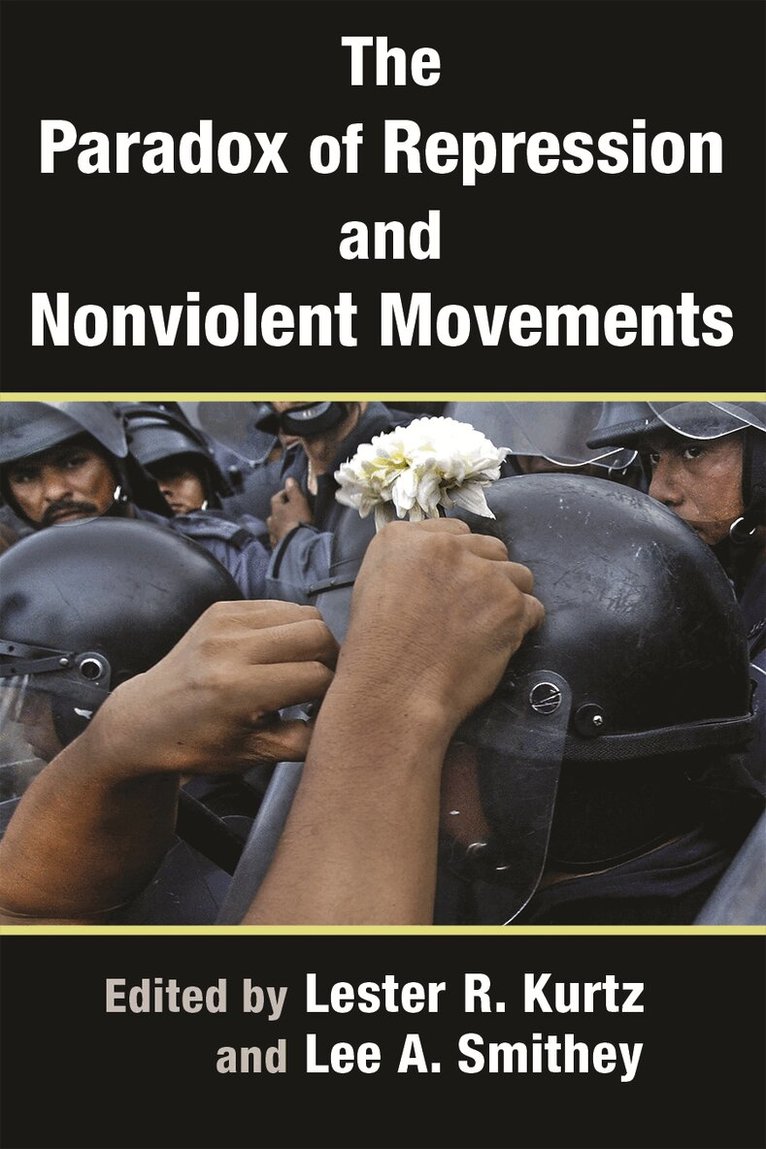
Political repression often paradoxically fuels popular movements rather than undermining resistance. When authorities respond to strategic nonviolent action with intimidation, coercion, and violence, they often undercut their own legitimacy, precipitating significant reforms or even governmental overthrow. Brutal repression of a movement is often a turning point in its history: Bloody Sunday in the March to Selma led to the passage of civil rights legislation by the US Congress, and the Amritsar Massacre in India showed the world the injustice of the British Empire’s use of force in maintaining control over its colonies.Activists in a wide range of movements have engaged in nonviolent strategies of repression management that can raise the likelihood that repression will cost those who use it. The Paradox of Repression and Nonviolent Movements brings scholars and activists together to address multiple dimensions and significant cases of this phenomenon, including the relational nature of nonviolent struggle and the cultural terrain on which it takes place, the psychological costs for agents of repression, and the importance of participation, creativity, and overcoming fear, whether in the streets or online.
361 kr
Skickas inom 7-10 vardagar
Political repression often paradoxically fuels popular movements rather than undermining resistance. When authorities respond to strategic nonviolent action with intimidation, coercion, and violence, they often undercut their own legitimacy, precipitating significant reforms or even governmental overthrow. Brutal repression of a movement is often a turning point in its history: Bloody Sunday in the March to Selma led to the passage of civil rights legislation by the US Congress, and the Amritsar Massacre in India showed the world the injustice of the British Empire’s use of force in maintaining control over its colonies.Activists in a wide range of movements have engaged in nonviolent strategies of repression management that can raise the likelihood that repression will cost those who use it. The Paradox of Repression and Nonviolent Movements brings scholars and activists together to address multiple dimensions and significant cases of this phenomenon, including the relational nature of nonviolent struggle and the cultural terrain on which it takes place, the psychological costs for agents of repression, and the importance of participation, creativity, and overcoming fear, whether in the streets or online.