Lee H. Whittlesey – författare
Visar alla böcker från författaren Lee H. Whittlesey. Handla med fri frakt och snabb leverans.
12 produkter
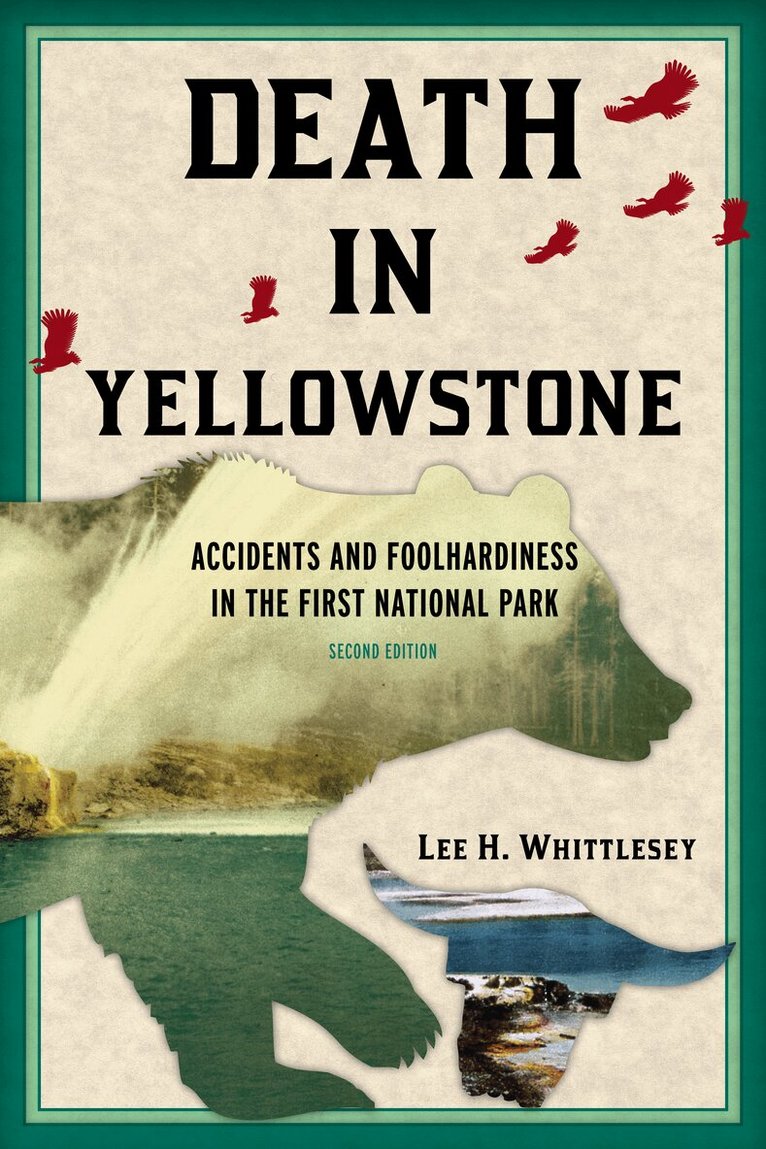
Death in Yellowstone
Accidents and Foolhardiness in the First National Park
Häftad, 2014
264 kr
Lägg i varukorg
The chilling tome that launched an entire genre of books about the often gruesome but always tragic ways people have died in our national parks, this updated edition of the classic includes calamities in Yellowstone from the past sixteen years, including the infamous grizzly bear attacks in the …
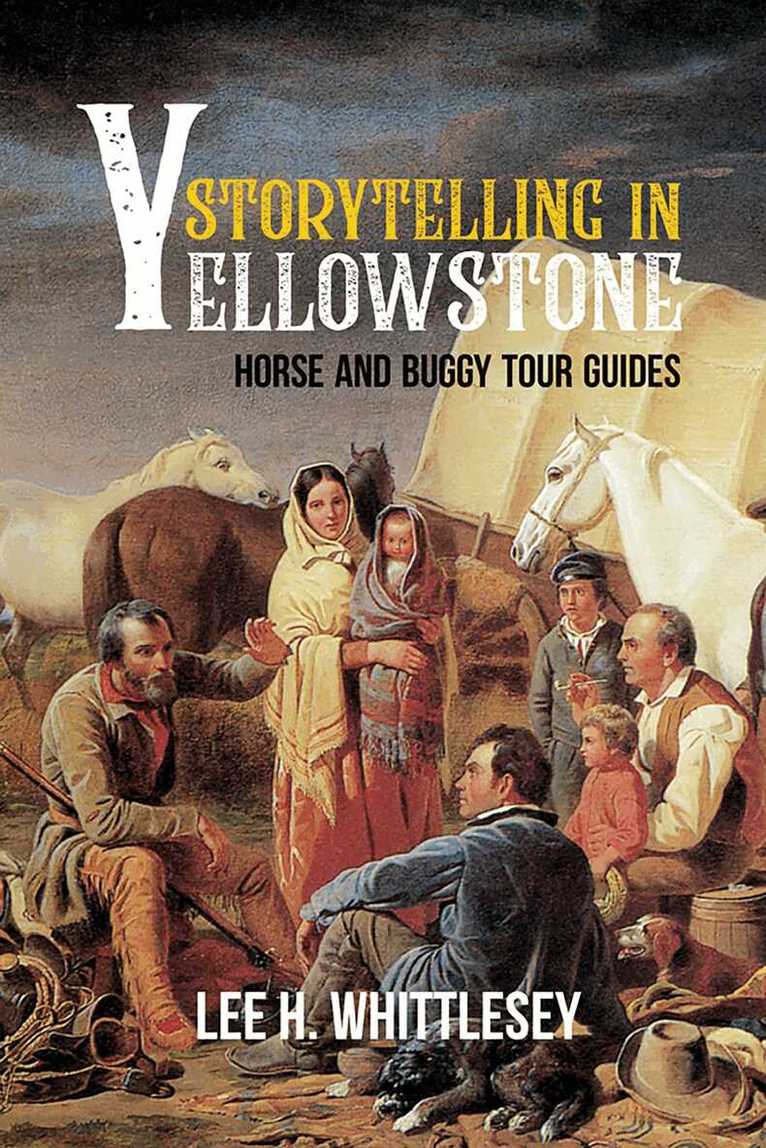
Storytelling in Yellowstone
Horse and Buggy Tour Guides
Häftad, 2024
223 kr
Lägg i varukorg
In the early years of Yellowstone National Park, many companies offered buggy and stage rides through the park, their drivers telling stories to the passengers. Some had no basis in fact, especially those attributed to ""Indian legends,"" but others came from the early trappers and fur traders and …
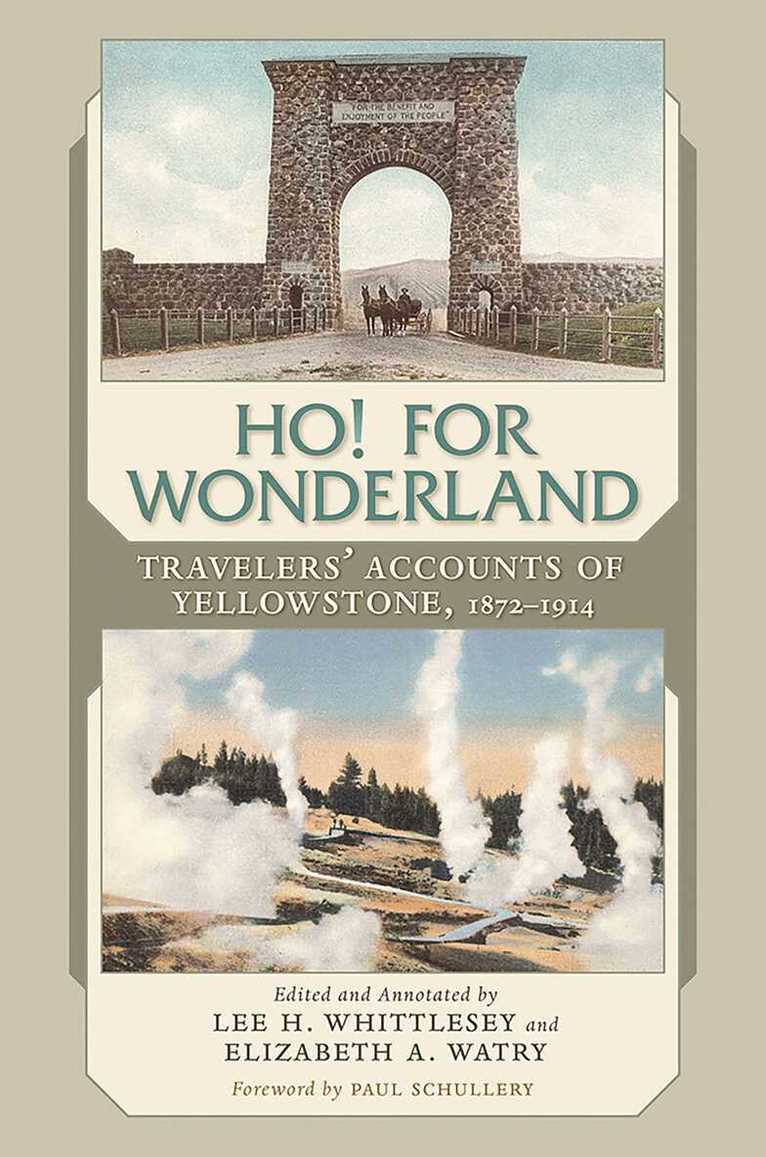
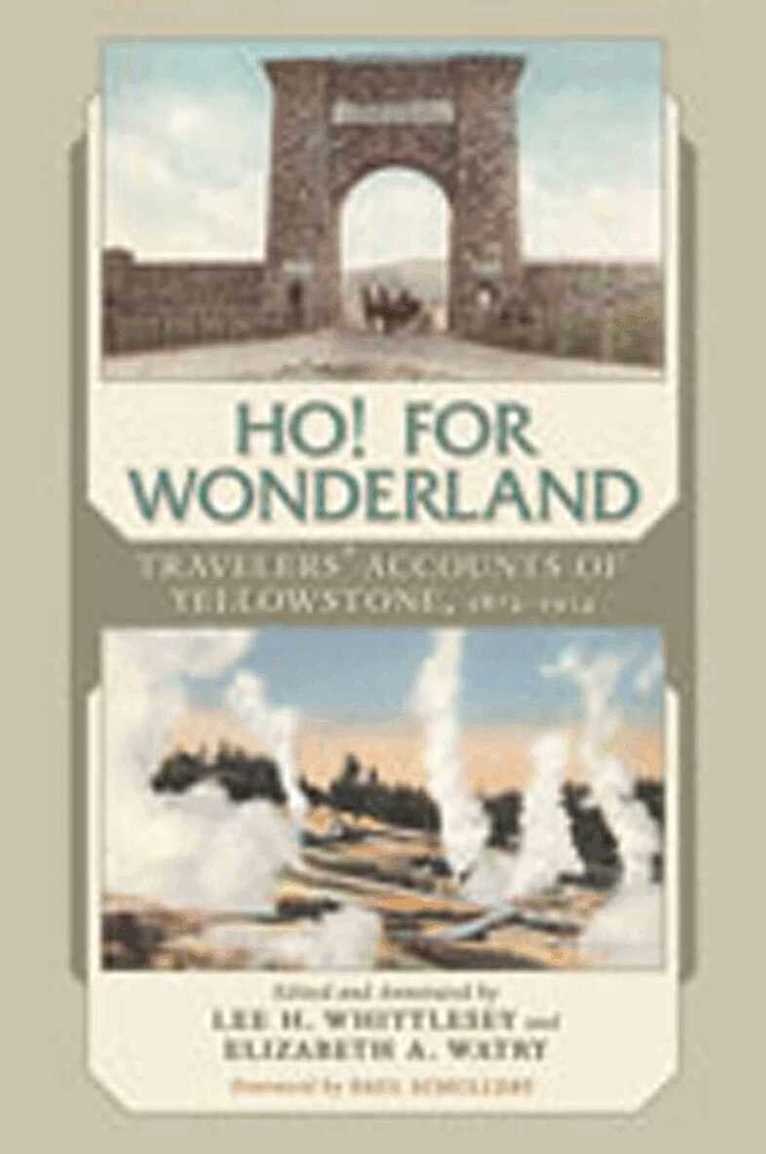
Ho! for Wonderland
Travelers' Accounts of Yellowstone, 1872-1914
Av Lee H. Whittlesey, Elizabeth A. Watry
Häftad, 2020
461 kr
Lägg i varukorg
Since it became the world's first national park in 1872, Yellowstone has welcomed tourists from all corners of the globe who returned to their hometowns and countries with reports of this American wonderland. Stories from the park's earliest visitors began to spread so rapidly that by 1897 …
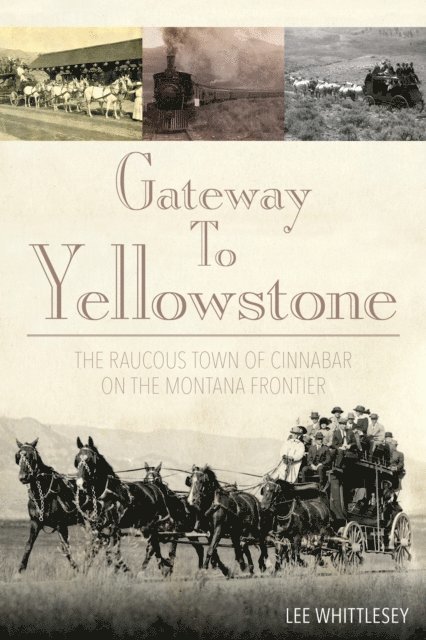
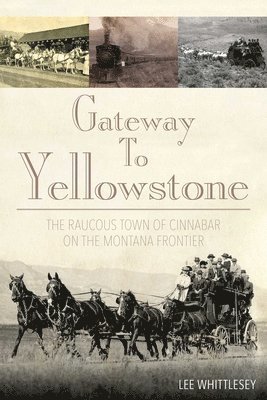
Gateway to Yellowstone
The Raucous Town of Cinnabar on the Montana Frontier
Av Lee H. Whittlesey, Lee Whittlesey
E-bok, 2015
260 kr
Lägg i varukorg
By 1883 when the rail lines of the Northern Pacific reached the tiny town of Cinnabar, Montana Territory, newspaper and magazine stories of the wonders to be found in Yellowstone National Park had been firing the imaginations of eager potential visitors around the world for a decade. Once the …
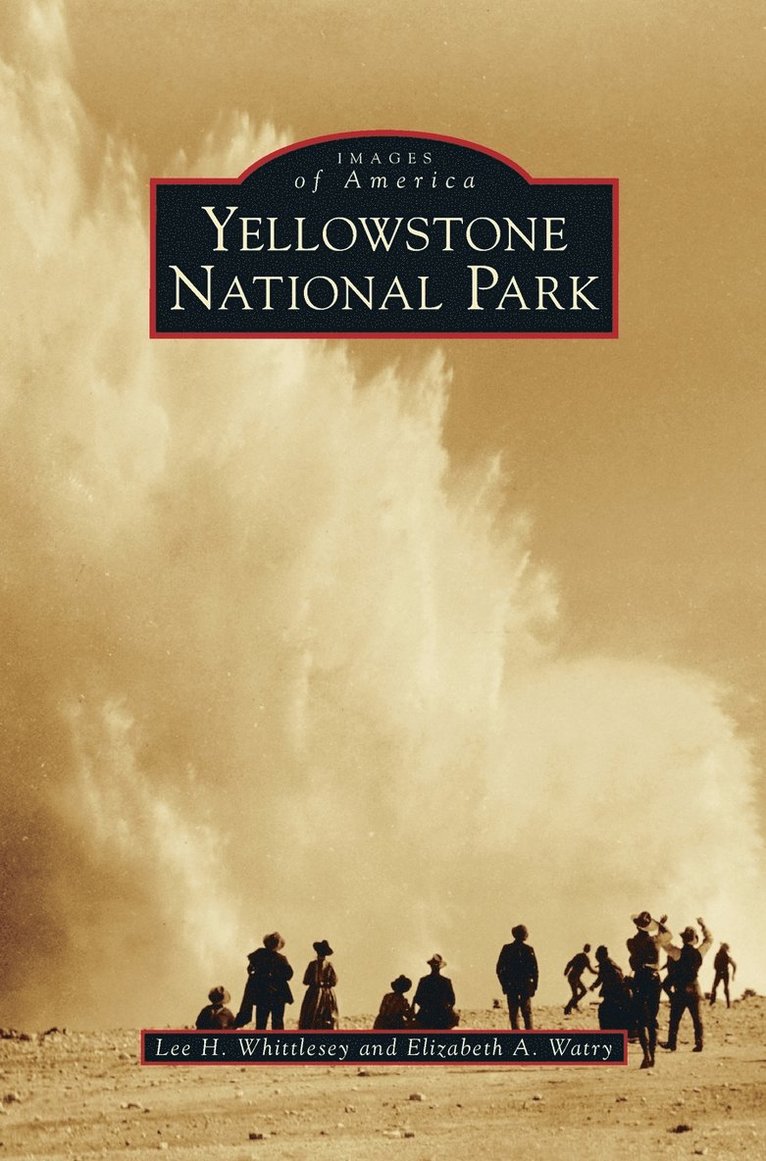
Yellowstone National Park
Av Lee H. Whittlesey, Elizabeth A. Watry
Inbunden, 2017
376 kr
Lägg i varukorg
Yellowstone National Park (Spanish Version)
Av Lee H. Whittlesey, Elizabeth A. Watry
Inbunden, 2017
364 kr
Lägg i varukorg
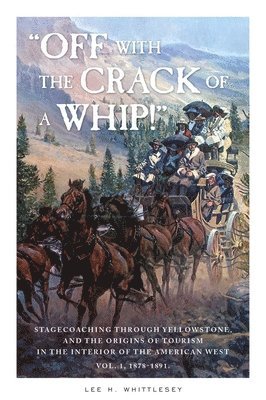
"Off with the Crack of a Whip!"
Stagecoaching through Yellowstone, and the Origins of Tourism in the Interior of the American West
Häftad, 2022
435 kr
Lägg i varukorg
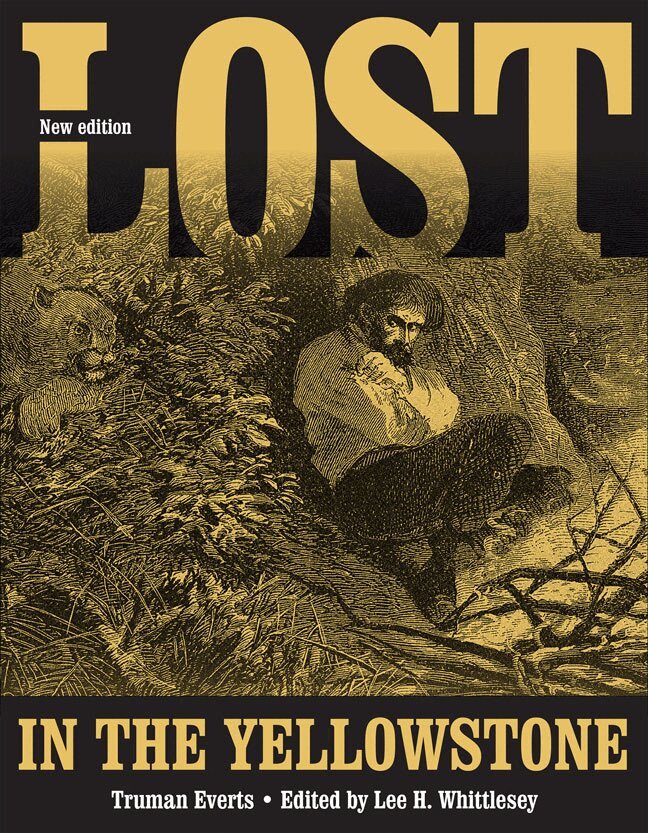
Lost in the Yellowstone
Thirty-seven Days of Peril" and a Handwritten Account of Being Lost
Av Truman Everts, Lee H. Whittlesey
Häftad, 2015
171 kr
Lägg i varukorg
In 1870, Truman Everts visited what would two years later become Yellowstone National Park, traveling with an exploration party intent on mapping and investigating that mysterious region. Scattered reports of a mostly unexplored wilderness filled with natural wonders had caught the public’s …
Ho! for Wonderland
Travelers' Accounts of Yellowstone, 1872-1914
Av Lee H. Whittlesey, Elizabeth A. Watry m. fl.
Inbunden, 2009
410 kr
Tillfälligt slut
Since it became the world's first national park in 1872, Yellowstone has welcomed tourists from all corners of the globe who returned to their hometowns and countries with reports of this American wonderland. Stories from the park's earliest visitors began to spread so rapidly that by 1897 …
Gateway to Yellowstone
The Raucous Town of Cinnabar on the Montana Frontier
Av Lee Whittlesey, Lee H. Whittlesey
Häftad, 2015
228 kr
Tillfälligt slut
By 1883 when the rail lines of the Northern Pacific reached the tiny town of Cinnabar, Montana Territory, newspaper and magazine stories of the wonders to be found in Yellowstone National Park had been firing the imaginations of eager potential visitors around the world for a decade. Once the …