Leela Visaria – författare
1 279 kr
Skickas inom 5-8 vardagar
923 kr
Skickas inom 5-8 vardagar
2 043 kr
Skickas inom 10-15 vardagar
844 kr
Läs direkt efter köp
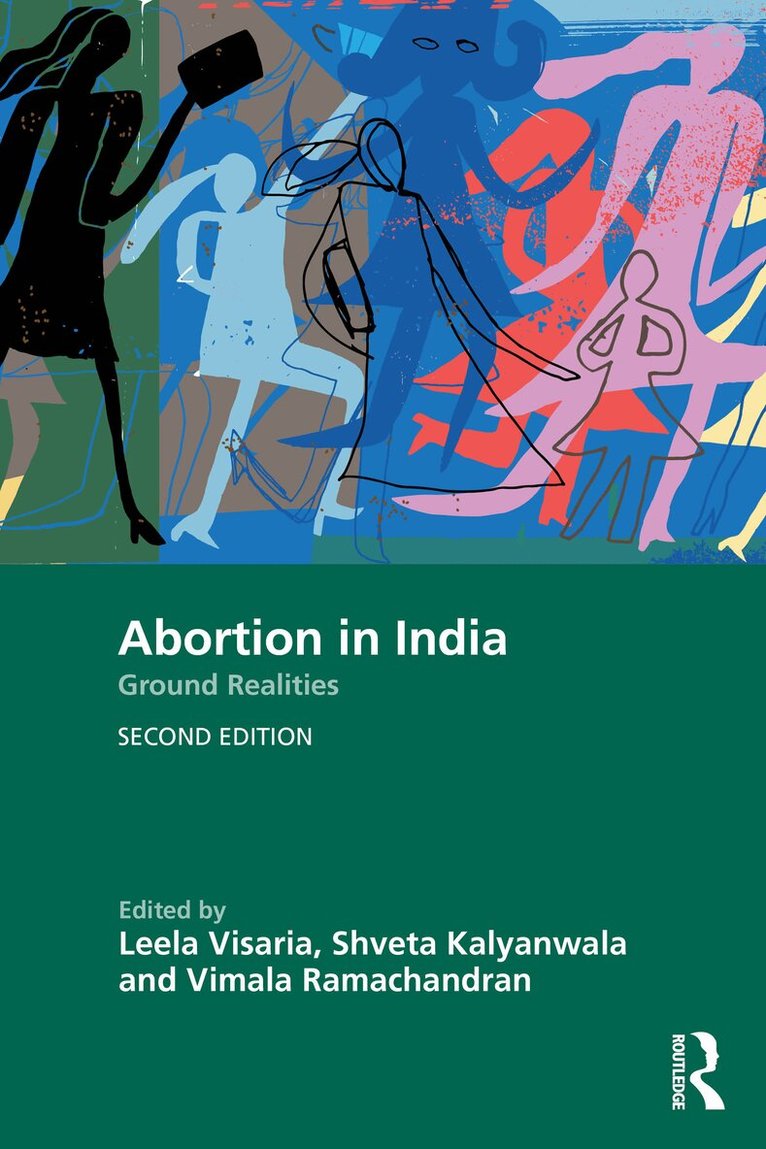
India was a pioneer in legalizing induced abortion, or Medical Termination of Pregnancy (MTP) in 1971. Yet, after three decades, morbidity and mortality due to unsafe abortion remain a serious problem. There is little public debate on the issue despite several national campaigns on safe motherhood. Instead, discussion on abortion has mainly centred around declining sex ratio, sex-selective abortion, and the proliferation of abortion clinics in urban areas. Adding to the problem is that abortion continues to be a sensitive, private matter, often with ethical/moral/religious connotations that sets it apart from other reproductive health-seeking behaviour.
This book fills a gap in our understanding of the ground realities with respect to induced abortion in India to create an evidence-based body of knowledge. Using both quantitative and qualitative research methods, the case studies show why and under what circumstances women seek abortion and the quality of services available to them. They also explore inter-generational differences in attitudes and practices, the perceptions and selection of providers, female-selective abortion, and informal abortion practitioners. Among other issues, the contributors show that strong preference for sons, availability of modern techniques for diagnostic tests, widespread acceptance of the small family norm, and heavy reliance on female sterilisation as the primary method of contraception lead women to abort unwanted pregnancies.
A book that goes beyond the smokescreen of data and regulations to unravel the human story behind elective abortion, it will be of interest to those studying health, public policy, and gender, apart from the general reader.
874 kr
Läs direkt efter köp
India was a pioneer in legalizing induced abortion, or Medical Termination of Pregnancy (MTP) in 1971. Yet, after three decades, morbidity and mortality due to unsafe abortion remain a serious problem. There is little public debate on the issue despite several national campaigns on safe motherhood. Instead, discussion on abortion has mainly centred around declining sex ratio, sex-selective abortion, and the proliferation of abortion clinics in urban areas. Adding to the problem is that abortion continues to be a sensitive, private matter, often with ethical/moral/religious connotations that sets it apart from other reproductive health-seeking behaviour.
This book fills a gap in our understanding of the ground realities with respect to induced abortion in India to create an evidence-based body of knowledge. Using both quantitative and qualitative research methods, the case studies show why and under what circumstances women seek abortion and the quality of services available to them. They also explore inter-generational differences in attitudes and practices, the perceptions and selection of providers, female-selective abortion, and informal abortion practitioners. Among other issues, the contributors show that strong preference for sons, availability of modern techniques for diagnostic tests, widespread acceptance of the small family norm, and heavy reliance on female sterilisation as the primary method of contraception lead women to abort unwanted pregnancies.
A book that goes beyond the smokescreen of data and regulations to unravel the human story behind elective abortion, it will be of interest to those studying health, public policy, and gender, apart from the general reader.
762 kr
Läs direkt efter köp
762 kr
Läs direkt efter köp
2 494 kr
Skickas inom 10-15 vardagar
643 kr
Skickas inom 10-15 vardagar
2 394 kr
Skickas inom 10-15 vardagar
737 kr
Skickas inom 10-15 vardagar
723 kr
Skickas inom 10-15 vardagar
858 kr
Läs direkt efter köp
858 kr
Läs direkt efter köp
122 kr
Skickas inom 5-8 vardagar
608 kr
Läs direkt efter köp
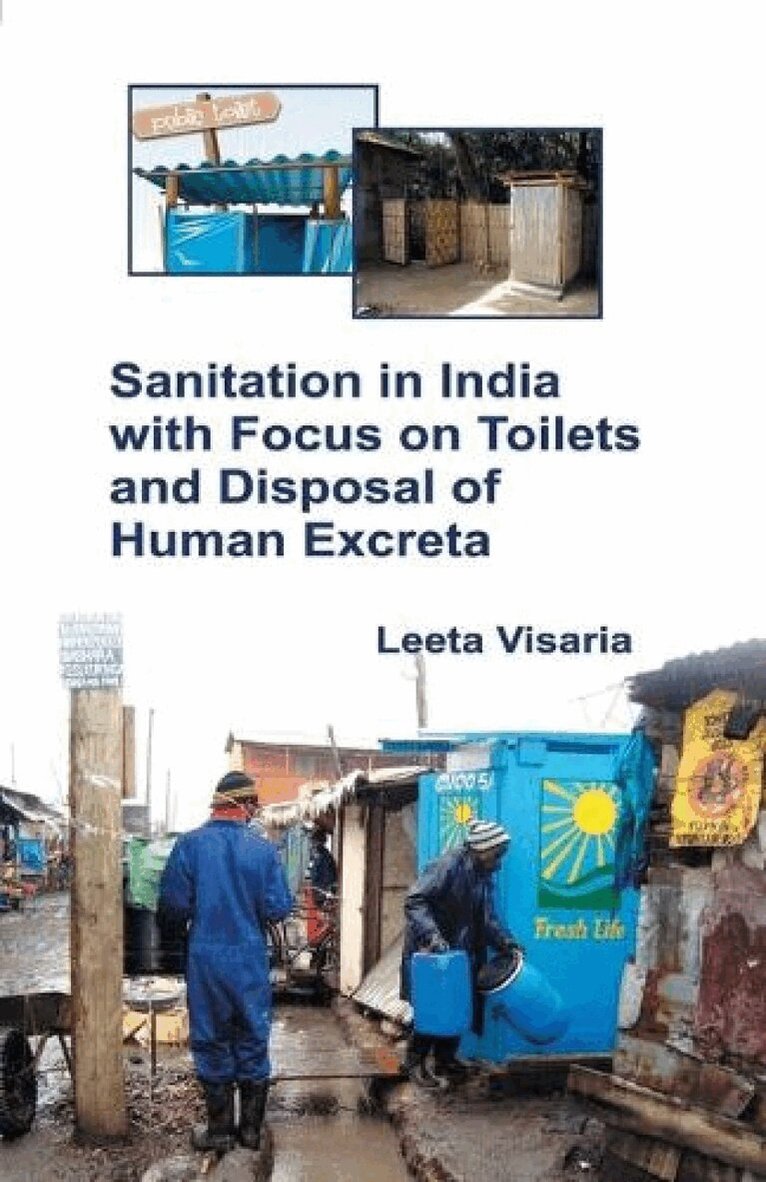
This book dwells on only one factor in some depth, i.e., the availability of toilets and the disposal of human excreta by building toilets in the context of equity. It discusses the availability of toilet facility at the household level in India by examining the available information on households having toilets over time and variations across regions. Further, it deals with the health impact of improper disposal of or handling of human excreta, especially that of young children. Next, it examined the sociological, cultural and economic factors hindering the use of toilets and the consequences of open defecation especially on women. The book discusses the role of caste and efforts to restore human dignity among and rights of the scavenging community and it also gives a brief discussion on the design of individual toilets and community complexes such that the need to handle excreta by humans is eliminated. The book raises some questions for further reflection and research.