Leonid Prilipko – författare
Visar alla böcker från författaren Leonid Prilipko. Handla med fri frakt och snabb leverans.
7 produkter
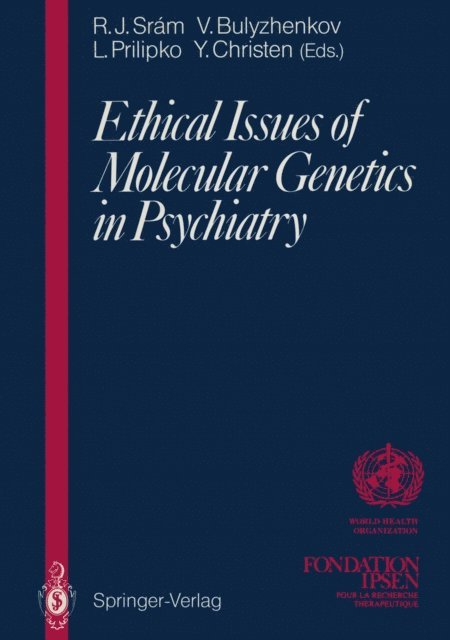
Ethical Issues of Molecular Genetics in Psychiatry
Av Leonid Prilipko, Victor Bulyzhenkov m. fl.
E-bok, 2012
1502 kr
Lägg i varukorg
Over the past few years, genetics research has been in a phase of remarkably sustained and continuous revolution. The advent of "new genetics" of recombinant DNA has resulted in new discoveries occurring at a breath taking pace, many of which have important clinical implications, for example, in …
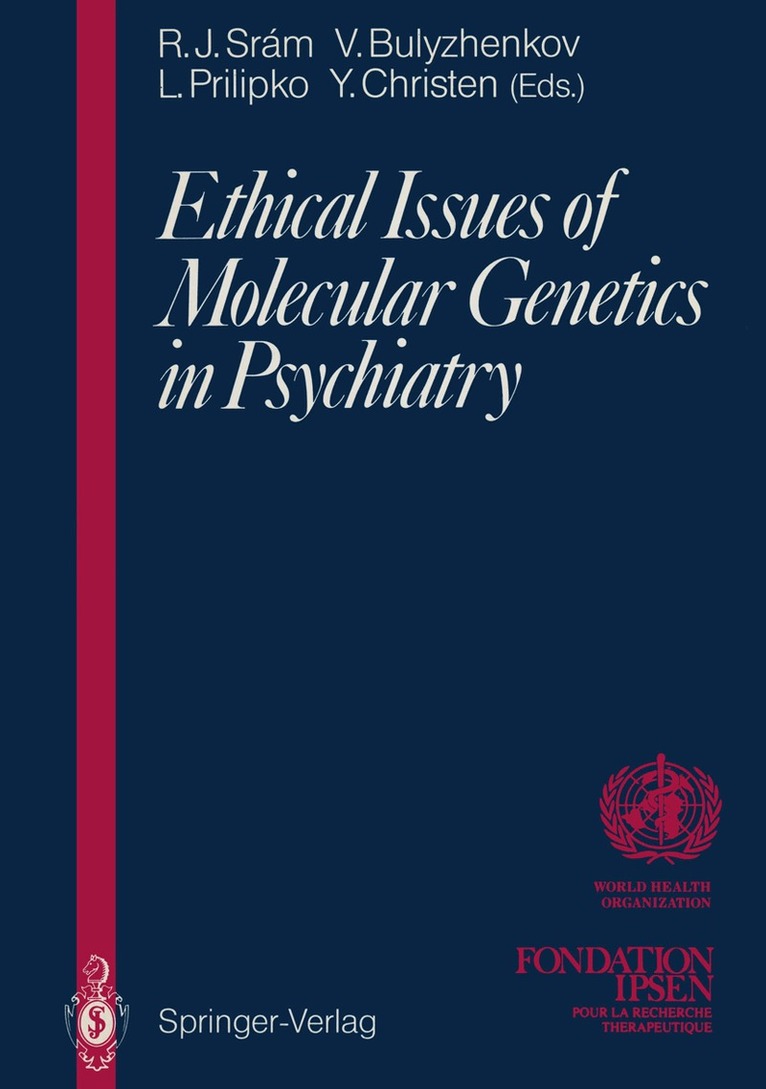
Ethical Issues of Molecular Genetics in Psychiatry
Av Radim J. Sram, Victor Bulyzhenkov m. fl.
Häftad, 2011
1128 kr
Lägg i varukorg
Over the past few years, genetics research has been in a phase of remarkably sustained and continuous revolution. The advent of "new genetics" of recombinant DNA has resulted in new discoveries occurring at a breath taking pace, many of which have important clinical implications, for example, in …
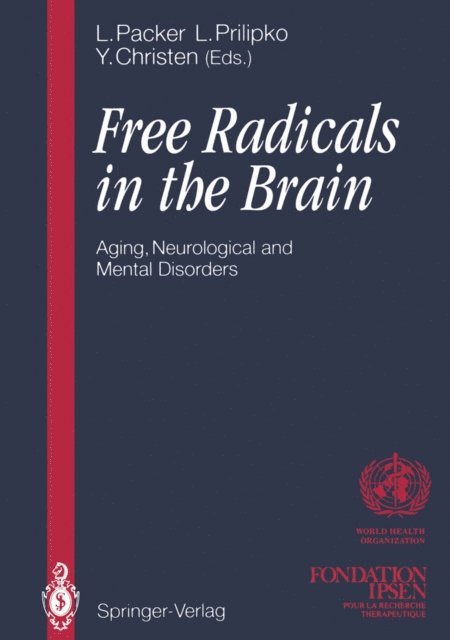
Free Radicals in the Brain
Aging, Neurological and Mental Disorders
Av Leonid Prilipko, Lester Packer
E-bok, 2012
1502 kr
Lägg i varukorg
Free radicals appear to play a mojor role in many neurological (and non neurological) dieseases. Both acute and degenerative disorders are thought to involve free radicals reactions in tissue injury (for a list see this book page 18). This issue is very important for basic science and for …
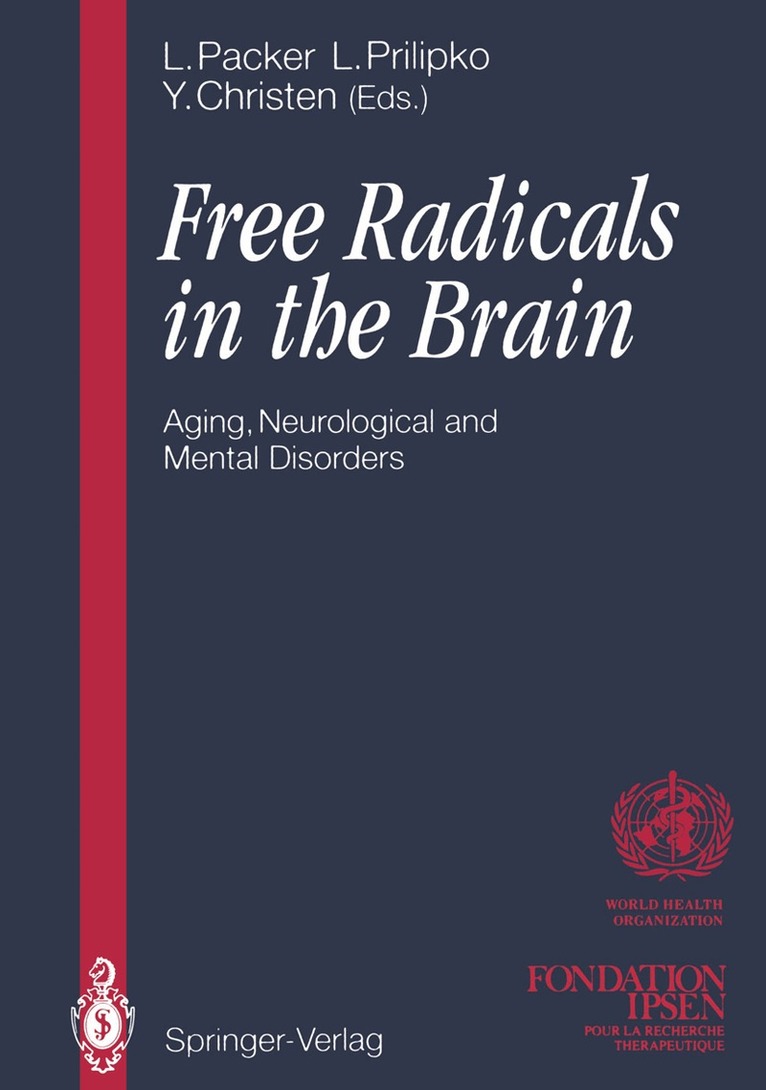
Free Radicals in the Brain
Aging, Neurological and Mental Disorders
Av Lester Packer, Leonid Prilipko
Häftad, 2011
1128 kr
Lägg i varukorg
Free radicals appear to play a mojor role in many neurological (and non neurological) dieseases. Both acute and degenerative disorders are thought to involve free radicals reactions in tissue injury (for a list see this book page 18). This issue is very important for basic science and for …
Genetic Approaches in the Prevention of Mental Disorders
Proceedings of the joint-meeting organized by the World Health Organization and the Fondation Ipsen in Paris, May 29–30, 1989
Av Leonid Prilipko, Victor Bulyzhenkov
E-bok, 2013
755 kr
Lägg i varukorg
At least 40 million people in the worId suffer from the most severe forms of mental disorder such as schizophrenia and some 300 million more are affected by less severe but still incapacitating forms of these conditions, including, for example, drug and alcohol dependence and the consequences of …
Genetic Approaches in the Prevention of Mental Disorders
Proceedings of the joint-meeting organized by the World Health Organization and the Fondation Ipsen in Paris, May 29–30, 1989
Av Victor Bulyzhenkov, Leonid Prilipko
Häftad, 2014
568 kr
Lägg i varukorg
At least 40 million people in the worId suffer from the most severe forms of mental disorder such as schizophrenia and some 300 million more are affected by less severe but still incapacitating forms of these conditions, including, for example, drug and alcohol dependence and the consequences of …