Leszek Gardela – författare
Visar alla böcker från författaren Leszek Gardela. Handla med fri frakt och snabb leverans.
8 produkter
Vikings in Poland
E-bok, 2024
856 kr
Lägg i varukorg
This pioneering work offers a meticulous exploration of Scandinavian presence in Viking Age Poland. Unveiling the complexities and controversies of past research and delving into the nuances of reciprocal interactions between Western Slavic and Scandinavian populations as revealed through …
Vikings in Poland
E-bok, 2024
856 kr
Lägg i varukorg
This pioneering work offers a meticulous exploration of Scandinavian presence in Viking Age Poland. Unveiling the complexities and controversies of past research and delving into the nuances of reciprocal interactions between Western Slavic and Scandinavian populations as revealed through …
Vikings in Poland
Häftad, 2026
727 kr
Lägg i varukorg
This pioneering work offers a meticulous exploration of Scandinavian presence in Viking Age Poland. Unveiling the complexities and controversies of past research and delving into the nuances of reciprocal interactions between Western Slavic and Scandinavian populations as revealed through …
Vikings in Poland
Inbunden, 2024
2586 kr
Lägg i varukorg
This pioneering work offers a meticulous exploration of Scandinavian presence in Viking Age Poland. Unveiling the complexities and controversies of past research and delving into the nuances of reciprocal interactions between Western Slavic and Scandinavian populations as revealed through …
Women and Weapons in the Viking World
Amazons of the North
Inbunden, 2021
5,0 utav 5 stjärnor. Totalt antal röster: (1)
422 kr
Lägg i varukorg
The Viking Age (c. 750-1050 AD) is conventionally seen as a tumultuous time when hordes of fierce warriors from Scandinavia wreaked havoc across the European continent and when Norse merchants travelled to distant corners of the world in pursuit of slaves, silver, and exotic commodities. Until …
Women and Weapons in the Viking World
Amazons of the North
E-bok, 2021
4,0 utav 5 stjärnor. Totalt antal röster: (1)
216 kr
Lägg i varukorg
"Invigorating . . . Gardeła reappraises the connections between women and violence in an early-medieval society that has left few texts to guide us." —Studies in Late AntiquityThis book sets out to investigate the idea of "the armed woman" in the Viking Age through a comprehensive and …
Women and Weapons in the Viking World
Amazons of the North
E-bok, 2021
221 kr
Lägg i varukorg
The Viking Age (c. 750-1050 AD) is conventionally seen as a tumultuous time when hordes of fierce warriors from Scandinavia wreaked havoc across the European continent and when Norse merchants travelled to distant corners of the world in pursuit of slaves, silver, and exotic commodities. Until …
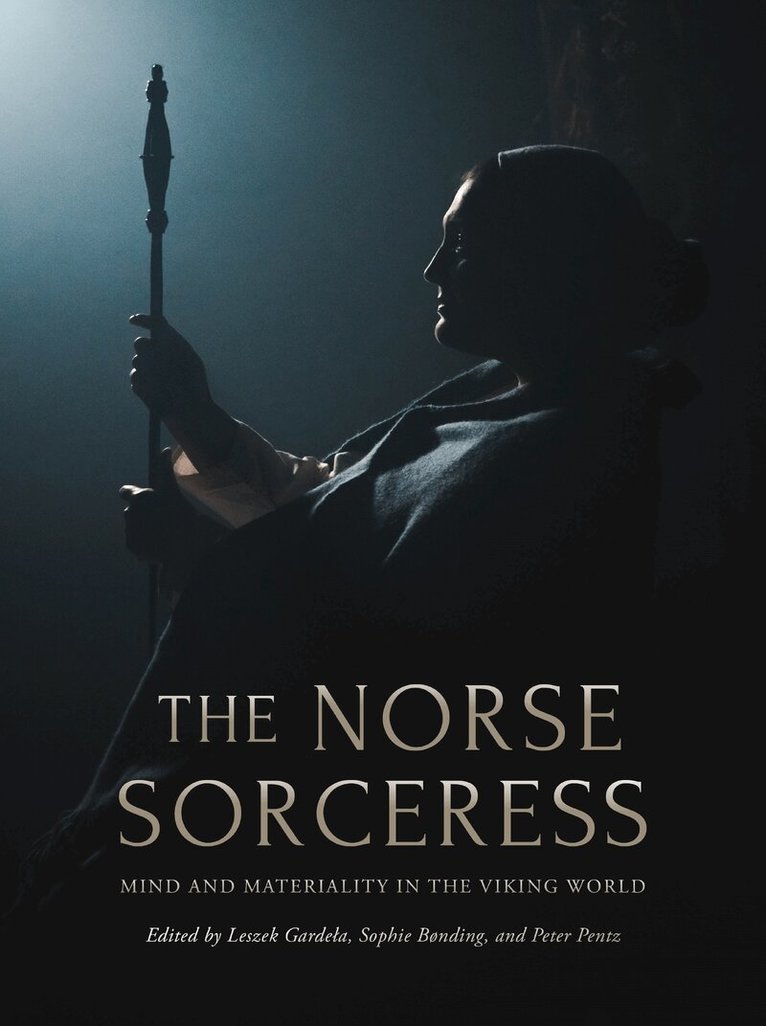
Norse Sorceress
Mind and Materiality in the Viking World
Av Leszek Gardeła, Sophie Bønding m. fl.
Inbunden, 2023
863 kr
Lägg i varukorg
Old Norse literature abounds with descriptions of magic acts that allow ritual specialists of various kinds to manipulate the world around them, see into the future or the distant past, change weather conditions, influence the outcomes of battles, and more. While magic practitioners are known under …