
Lewis E. Lehrman – författare
Visar alla böcker från författaren Lewis E. Lehrman. Handla med fri frakt och snabb leverans.
6 produkter
6 produkter
330 kr
Skickas inom 7-10 vardagar
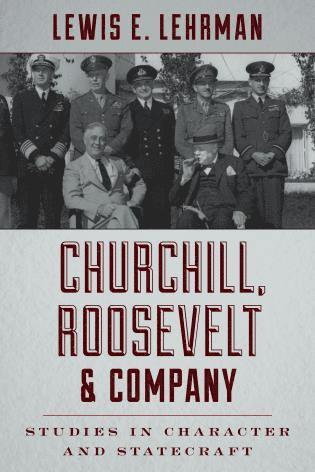
During World War II the “special relationship” between the United States and Great Britain cemented the alliance that won the war in the West. But the ultimate victory of that partnership has obscured many of the conflicts behind Franklin Roosevelt’s charm and Winston Churchill’s victory signs—the clashes of principles and especially personalities between and within the leadership of the two nations. Synthesizing an impressive variety of sources from memoirs and letters to histories and biographies, Lewis E. Lehrman explains how the Anglo-American alliance worked—and occasionally did not work—by presenting portraits and case studies of the men who worked the back channels and back rooms, the generals and the admirals, the secretaries and under secretaries, ambassadors and ministers, responsible for carrying out Roosevelt’s and Churchill’s agendas while also pursuing their own. Such was the conduct of Joseph Kennedy, American ambassador to England often at odds with FDR; generals George C. Marshall and Dwight D. Eisenhower; spymasters William Donovan and William Stephenson; Secretary of State Cordell Hull, whom FDR frequently bypassed in favor of Under Secretary Sumner Welles; the Soviet spy in the leadership cadre of the US Treasury, Harry Dexter White, and his struggle with Lord Keynes; British ambassadors Lord Lothian and Lord Halifax; and, above them all, Roosevelt and Churchill. The President and the Prime Minister had the difficult task, not always well-performed, of managing their subordinates. Churchill and Roosevelt frequently chose to conduct foreign policy directly between themselves, and with Stalin. Scrupulous in its research and fair in its judgments, Lehrman’s book reveals the personal diplomacy, the character and statecraft, at the core of the leadership of the Anglo-American alliance.
394 kr
Skickas inom 7-10 vardagar
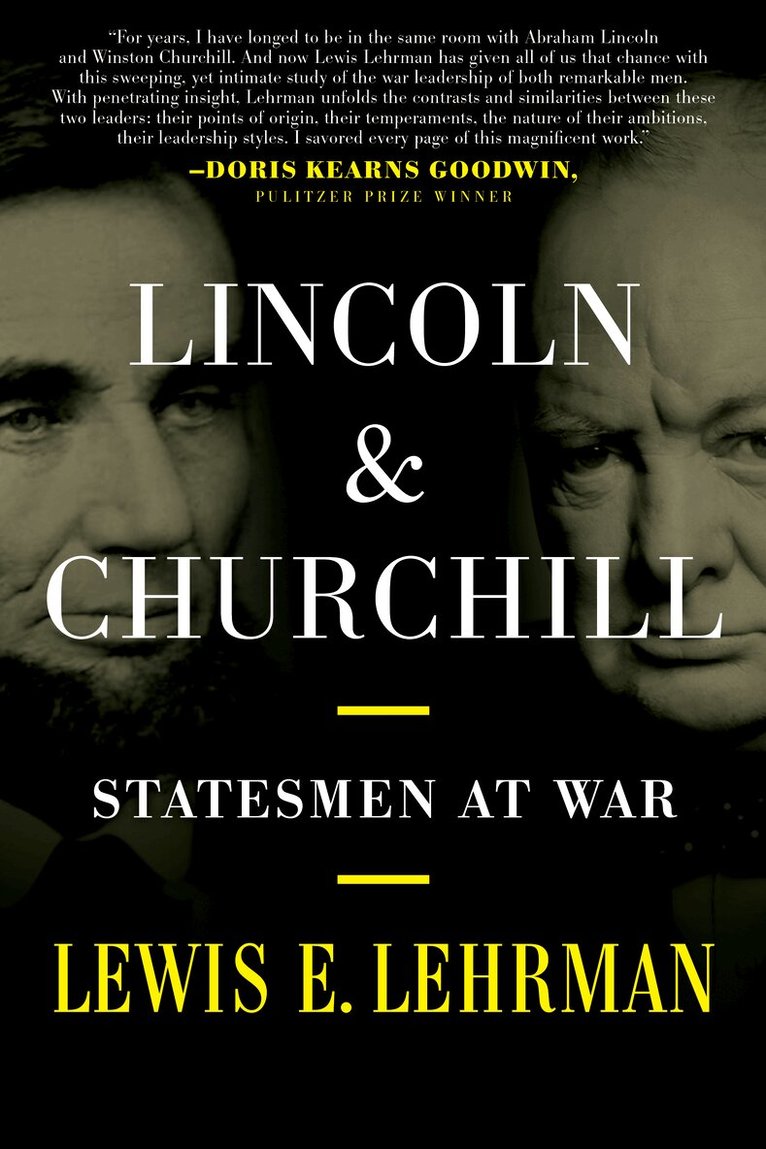
A Renowned Historian Gives New Perspective on Statesmen at WarLewis E. Lehrman, a renowned historian and National Humanities Medal winner, gives new perspective on two of the greatest English-speaking statesmen—and their remarkable leadership in wars of national survivalAbraham Lincoln and Winston Churchill, as commanders in chief, led their nations to victory—Lincoln in the Civil War, Churchill in World War II. They became revered leaders—statesmen for all time. Yet these two world-famous war leaders have never been seriously compared at book length. Acclaimed historian Lewis Lehrman, in his pathbreaking comparison of both statesmen, finds that Lincoln and Churchill—with very different upbringings and contrasting personalities—led their war efforts, to some extent, in similar ways. As supreme war lords, they were guided not only by principles of honor, duty, freedom, but also by the practical wisdom to know when, where, and how to apply these principles. They made mistakes which Lehrman considers carefully. But the author emphasizes that, despite setbacks, they never gave up. Even their writings and speeches were swords in battle. Gifted literary stylists, both men relied on the written and spoken word to steel their citizens throughout desperate and prolonged wars. Both statesmen unexpectedly left office near the end of their wars—Lincoln by the bullet, Churchill by the ballot.
317 kr
Skickas inom 3-6 vardagar
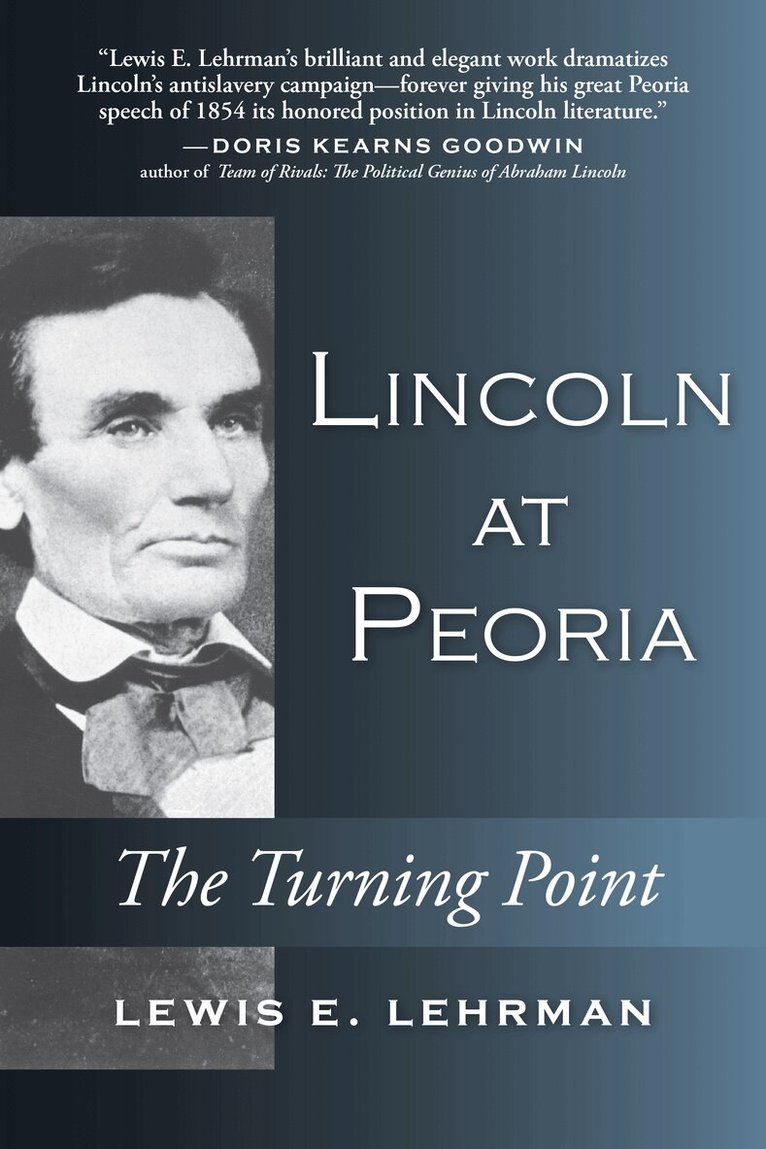
• The pivotal speech that changed the course of Lincoln's career and America's history • Complete examination of the speech, including the full text delivered in 1854 in Peoria, Illinois To understand President Abraham Lincoln, one must understand the extraordinary antislavery speech Lincoln delivered at Peoria on October 16, 1854. This three-hour address marked the turning point in Lincoln's political pilgrimage, dramatically altering his political career and, as a result, the history of America.Lincoln opposed any further extension of slavery in the American republic, holding to the Declaration of Independence's universal principle that "all men are created equal." In response to the Kansas-Nebraska Act, Lincoln launched his antislavery campaign, delivering speeches in Springfield and Peoria.The Peoria address was rigorous, logical, and grounded in historical research. It marked Lincoln's reentry into politics and his preparation for the presidency in 1861. The speech catapulted Lincoln into the national debates over slavery and into national politics for the rest of his life.Though historians and biographers have noted its importance, Lincoln's speech at Peoria has not received the attention it deserves. Lincoln at Peoria offers a complete examination of the speech that changed the course of our nation.
317 kr
Skickas inom 3-6 vardagar
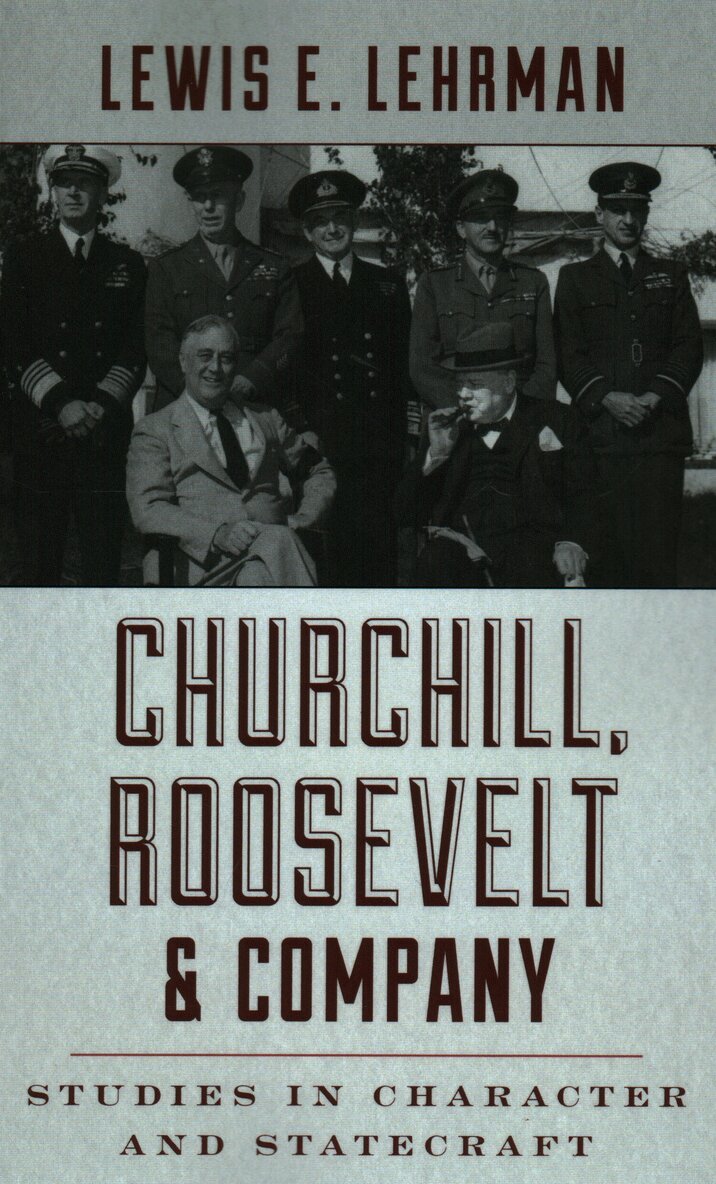
During World War II the “special relationship” between the United States and Great Britain cemented the alliance that won the war in the West. But the ultimate victory of that partnership has obscured many of the conflicts behind Franklin Roosevelt’s charm and Winston Churchill’s victory signs—the clashes of principles and especially personalities between and within the leadership of the two nations. Synthesizing an impressive variety of sources from memoirs and letters to histories and biographies, Lewis E. Lehrman explains how the Anglo-American alliance worked—and occasionally did not work—by presenting portraits and case studies of the men who worked the back channels and back rooms, the generals and the admirals, the secretaries and under secretaries, ambassadors and ministers, responsible for carrying out Roosevelt’s and Churchill’s agendas while also pursuing their own. Such was the conduct of Joseph Kennedy, American ambassador to England often at odds with FDR; generals George C. Marshall and Dwight D. Eisenhower; spymasters William Donovan and William Stephenson; Secretary of State Cordell Hull, whom FDR frequently bypassed in favor of Under Secretary Sumner Welles; the Soviet spy in the leadership cadre of the US Treasury, Harry Dexter White, and his struggle with Lord Keynes; British ambassadors Lord Lothian and Lord Halifax; and, above them all, Roosevelt and Churchill. The President and the Prime Minister had the difficult task, not always well-performed, of managing their subordinates. Churchill and Roosevelt frequently chose to conduct foreign policy directly between themselves, and with Stalin. Scrupulous in its research and fair in its judgments, Lehrman’s book reveals the personal diplomacy, the character and statecraft, at the core of the leadership of the Anglo-American alliance.
233 kr
Skickas
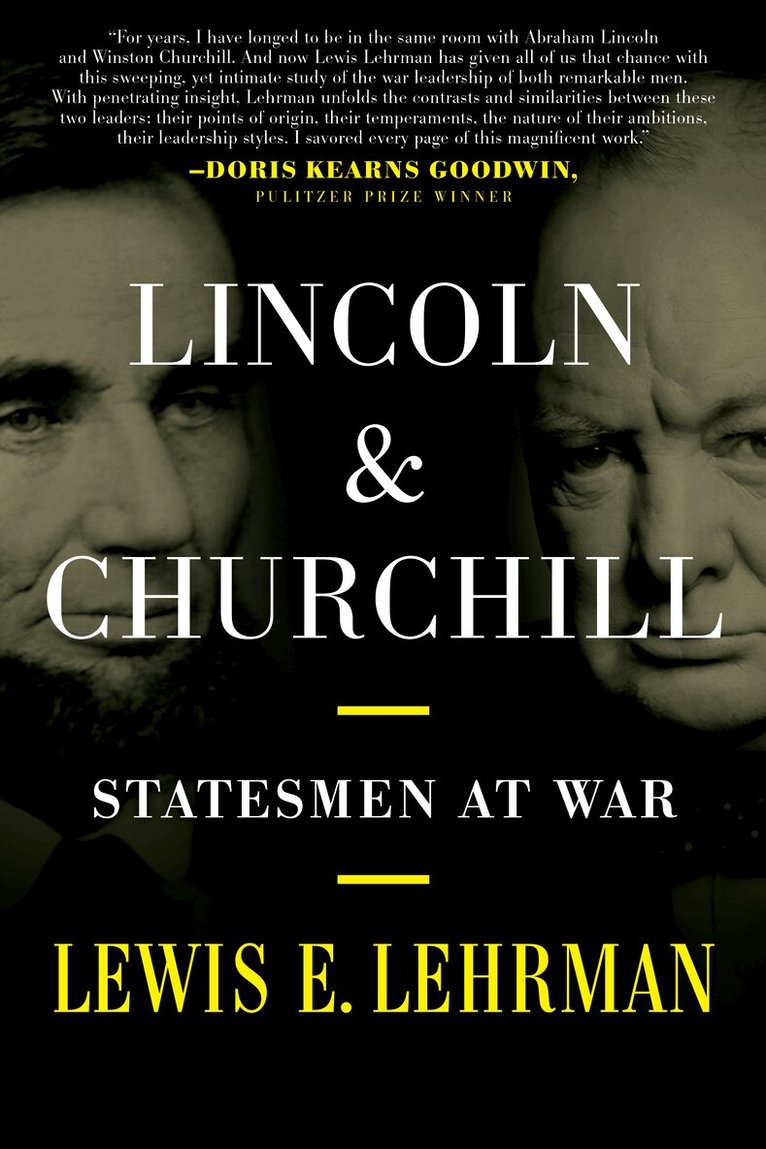
Winner of the Abraham Lincoln Institute of Washington’s 2019 book prize!A Renowned Historian Gives New Perspective on Statesmen at WarLewis E. Lehrman, a renowned historian and National Humanities Medal winner, gives new perspective on two of the greatest English-speaking statesmen—and their remarkable leadership in wars of national survivalAbraham Lincoln and Winston Churchill, as commanders in chief, led their nations to victory—Lincoln in the Civil War, Churchill in World War II. They became revered leaders—statesmen for all time. Yet these two world-famous war leaders have never been seriously compared at book length. Acclaimed historian Lewis Lehrman, in his pathbreaking comparison of both statesmen, finds that Lincoln and Churchill—with very different upbringings and contrasting personalities—led their war efforts, to some extent, in similar ways. As supreme war lords, they were guided not only by principles of honor, duty, freedom, but also by the practical wisdom to know when, where, and how to apply these principles. They made mistakes which Lehrman considers carefully. But the author emphasizes that, despite setbacks, they never gave up. Even their writings and speeches were swords in battle. Gifted literary stylists, both men relied on the written and spoken word to steel their citizens throughout desperate and prolonged wars. Both statesmen unexpectedly left office near the end of their wars—Lincoln by the bullet, Churchill by the ballot.
427 kr
Skickas inom 5-8 vardagar