Lewis Graham – författare
Visar alla böcker från författaren Lewis Graham. Handla med fri frakt och snabb leverans.
10 produkter
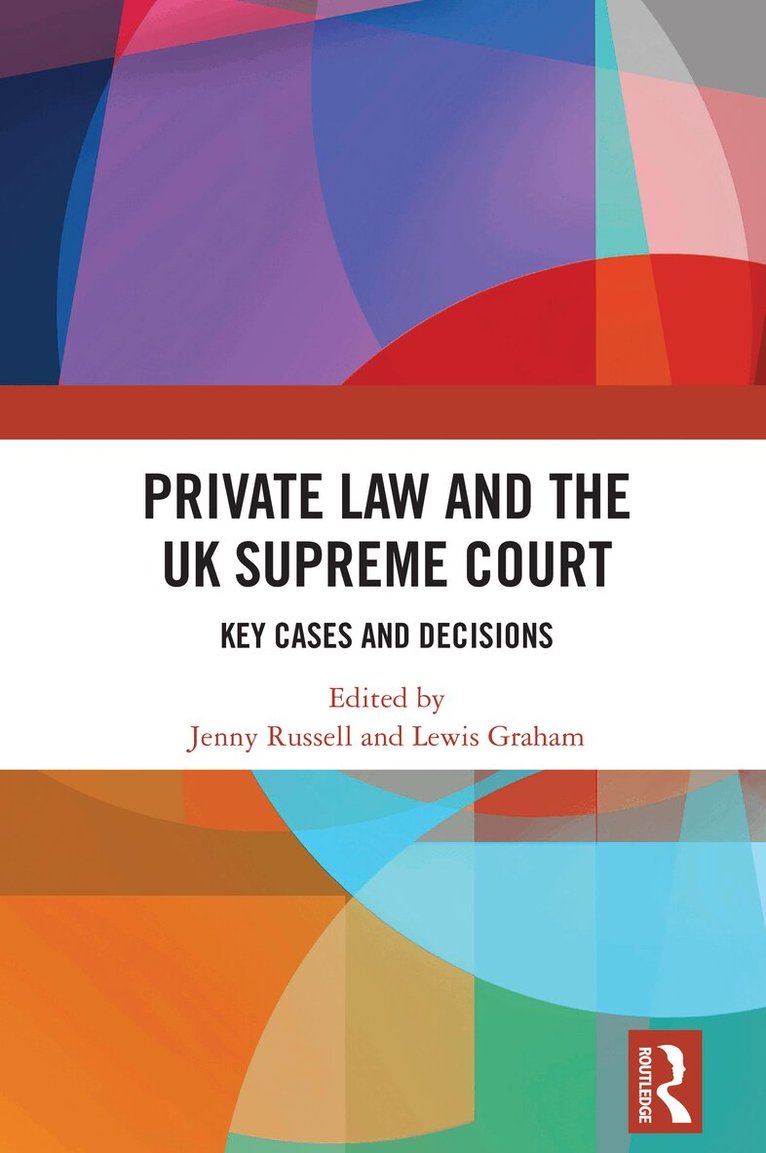
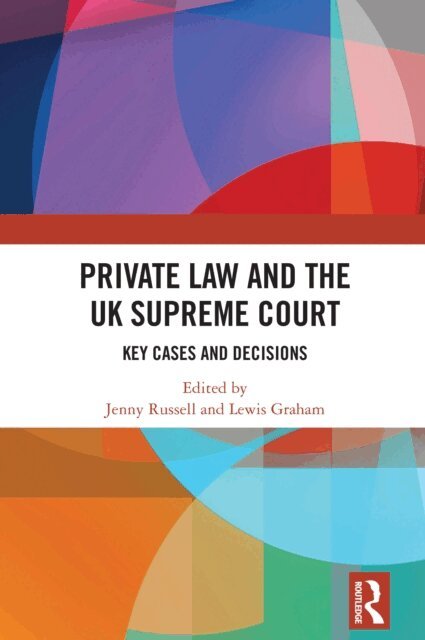
Private Law and the UK Supreme Court
Key Cases and Decisions
Av Jenny Russell, Lewis Graham
Inbunden, 2025
2311 kr
Lägg i varukorg
This volume brings together expert contributors across different fields of private law to comment on key decisions by the UK Supreme Court (UKSC).Each author explores their case’s content, as well as its broader implications for private law as a field and the Supreme Court as an institution. The …
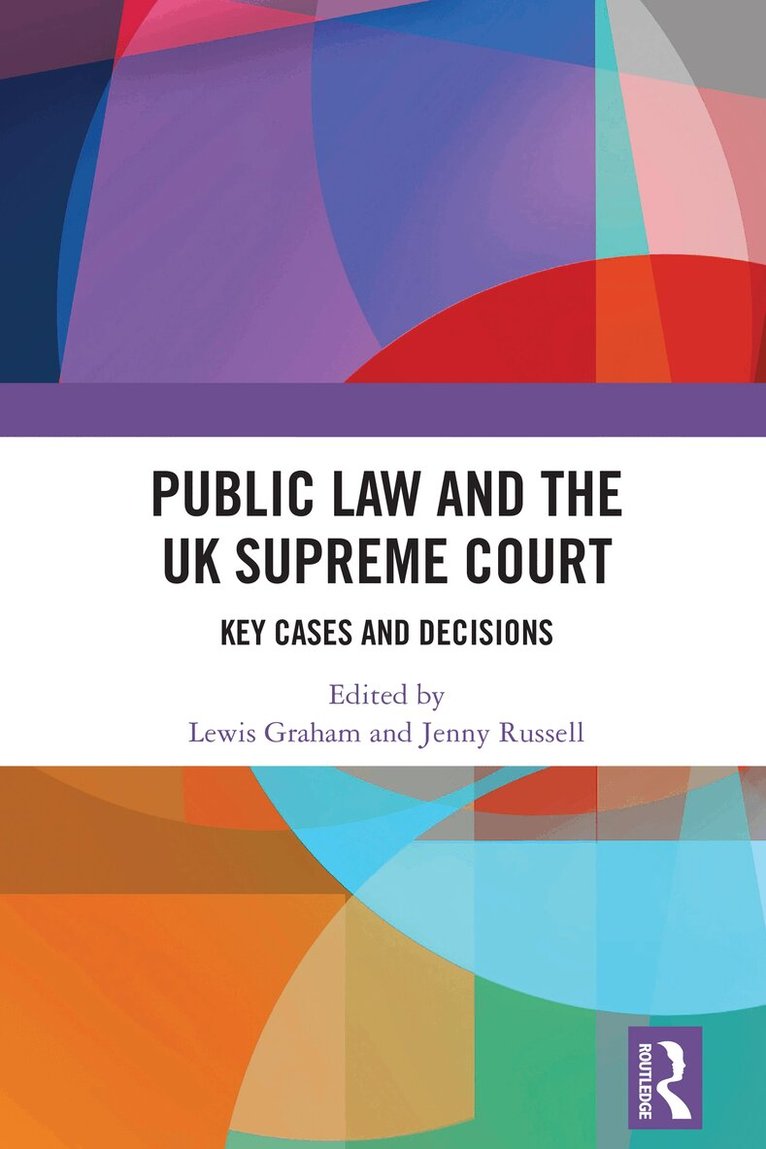
Public Law and the UK Supreme Court
Key Cases and Decisions
Av Lewis Graham, Jenny Russell
Inbunden, 2025
2311 kr
Lägg i varukorg
This volume brings together expert commentators across different fields of public law to comment on key decisions by the UK Supreme Court (UKSC).Each author explores their case’s content, as well as its broader implications for public law as a field and the Supreme Court as an institution. The work …
Public Law and the UK Supreme Court
Key Cases and Decisions
Av Jenny Russell, Lewis Graham
E-bok, 2025
765 kr
Lägg i varukorg
This volume brings together expert commentators across different fields of Public Law to comment on a key decision by the UK Supreme Court (UKSC). Each author explores their case’s content, as well as its broader implications for public law as a field and the Supreme Court as an institution. The …
Public Law and the UK Supreme Court
Key Cases and Decisions
Av Jenny Russell, Lewis Graham
E-bok, 2025
765 kr
Lägg i varukorg
This volume brings together expert commentators across different fields of Public Law to comment on a key decision by the UK Supreme Court (UKSC). Each author explores their case’s content, as well as its broader implications for public law as a field and the Supreme Court as an institution. The …
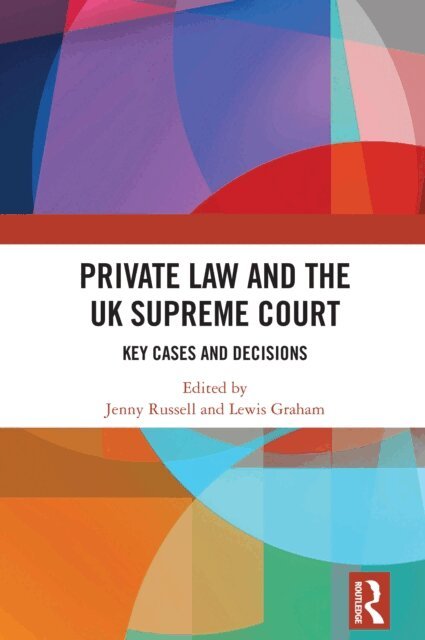
Private Law and the UK Supreme Court
Key Cases and Decisions
Av Lewis Graham, Jenny Russell
E-bok, 2025
748 kr
Lägg i varukorg
This volume brings together expert commentators across different fields of Private Law to comment on a key decision by the UK Supreme Court (UKSC). Each author explores their case’s content, as well as its broader implications for private law as a field and the Supreme Court as an institution. The …
Private Law and the UK Supreme Court
Key Cases and Decisions
Av Lewis Graham, Jenny Russell
E-bok, 2025
765 kr
Lägg i varukorg
This volume brings together expert commentators across different fields of Private Law to comment on a key decision by the UK Supreme Court (UKSC). Each author explores their case’s content, as well as its broader implications for private law as a field and the Supreme Court as an institution. The …
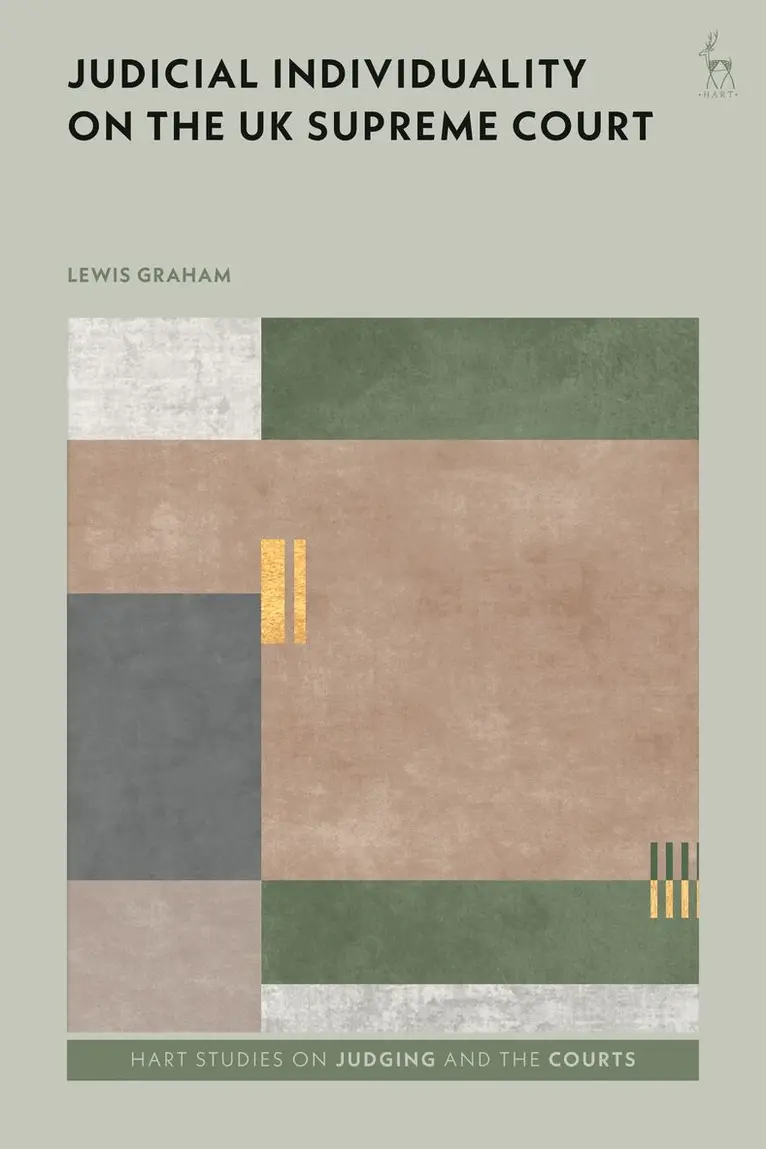
Judicial Individuality on the UK Supreme Court
Av Lewis Graham, Erin F. Delaney
Inbunden, 2025
1108 kr
Lägg i varukorg
This book presents an empirical analysis of the UK Supreme Court’s output over its first ten years, with a specific focus on each individual judge’s contribution to each case. It shows that judges, like all of us, are human; it would be difficult to imagine that any of us, even in our most …
Judicial Individuality on the UK Supreme Court
Av Lewis Graham
E-bok, 2025
1193 kr
Lägg i varukorg
This book presents an empirical analysis of the UK Supreme Court''s output over its first ten years, with a specific focus on each individual judge''s contribution to each case. It shows that judges, like all of us, are human; it would be difficult to imagine that any of us, even in our most …
Judicial Individuality on the UK Supreme Court
Av Lewis Graham
E-bok, 2025
1193 kr
Lägg i varukorg
This book presents an empirical analysis of the UK Supreme Court''s output over its first ten years, with a specific focus on each individual judge''s contribution to each case. It shows that judges, like all of us, are human; it would be difficult to imagine that any of us, even in our most …
Judicial Individuality on the UK Supreme Court
Av Lewis Graham, Erin F. Delaney m. fl.
Häftad, 2026
564 kr
Lägg i varukorg
This book presents an empirical analysis of the UK Supreme Court’s output over its first ten years, with a specific focus on each individual judge’s contribution to each case. It shows that judges, like all of us, are human; it would be difficult to imagine that any of us, even in our most …