Liliana Riga - Böcker
Visar alla böcker från författaren Liliana Riga. Handla med fri frakt och snabb leverans.
4 produkter
4 produkter
2 103 kr
Skickas inom 10-15 vardagar
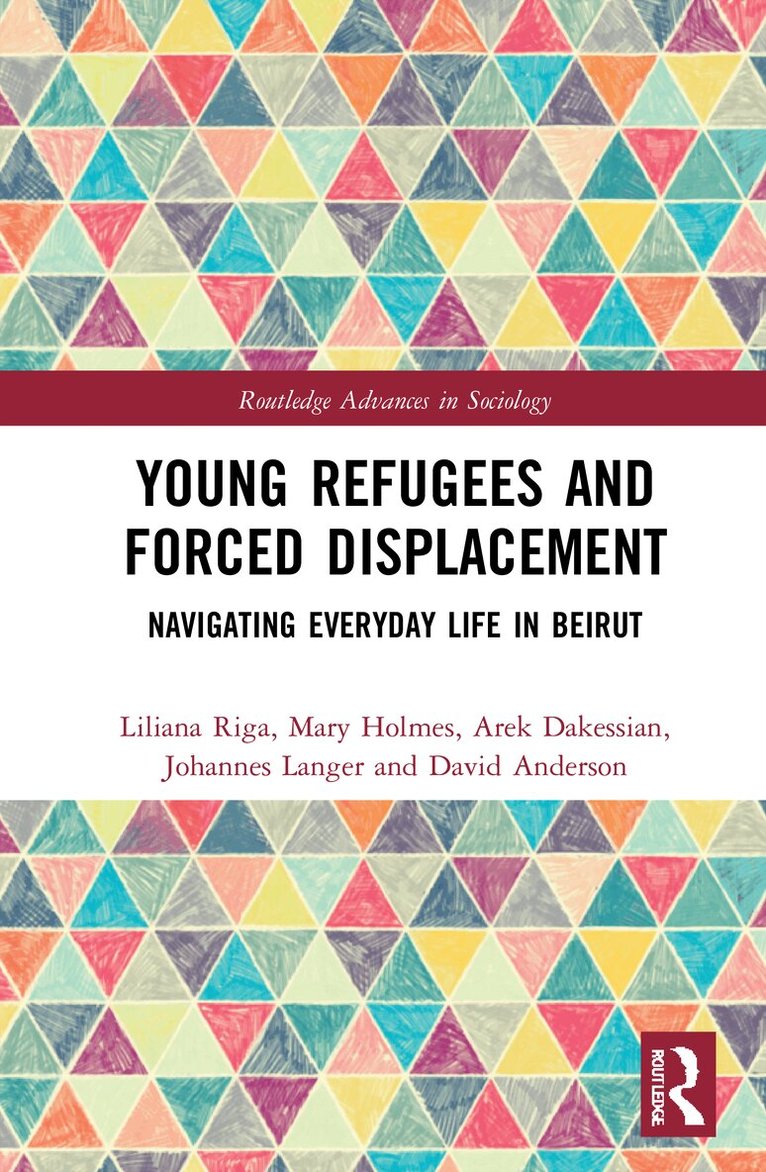
Young Refugees and Forced Displacement is about young Syrian and Iraqi refugees navigating the complex realities of forced displacement in Beirut. It is based on a British Academy funded two-year project with 51 displaced youths aged 8 to 17 and under the care of three local humanitarian organisations. Focus groups, interviews and innovative arts-based methods were used to learn about their everyday lives. At the end of the project, we coproduced with them a public mural, allowing unexpected epistemological and methodological reflections on researching refugees and the "right to opacity." Families and friendships, humanitarian caregiving, racism, discrimination and everyday decencies and civilities make up the stuff of their ordinary, everyday encounters within refugeedom, defining both its sharper edges and its more inadvertent and quietly political ones. Thus, refugeedom, as we conceive it, includes "the humanitarian condition" but goes a little beyond it, to become also a human condition of political alterity. In navigating refugeedom, the young Syrians and Iraqis become sophisticated political and moral actors, using emotional reflexivity as they engage layered subjectivities to define the terms of their own forced displacement. This book will be of interest to policymakers, humanitarian organisations, social science scholars and students working on refugees, displacement, humanitarianism, intimacies and emotions, racism and discrimination. It may also be of interest to displaced youth.
621 kr
Skickas inom 10-15 vardagar
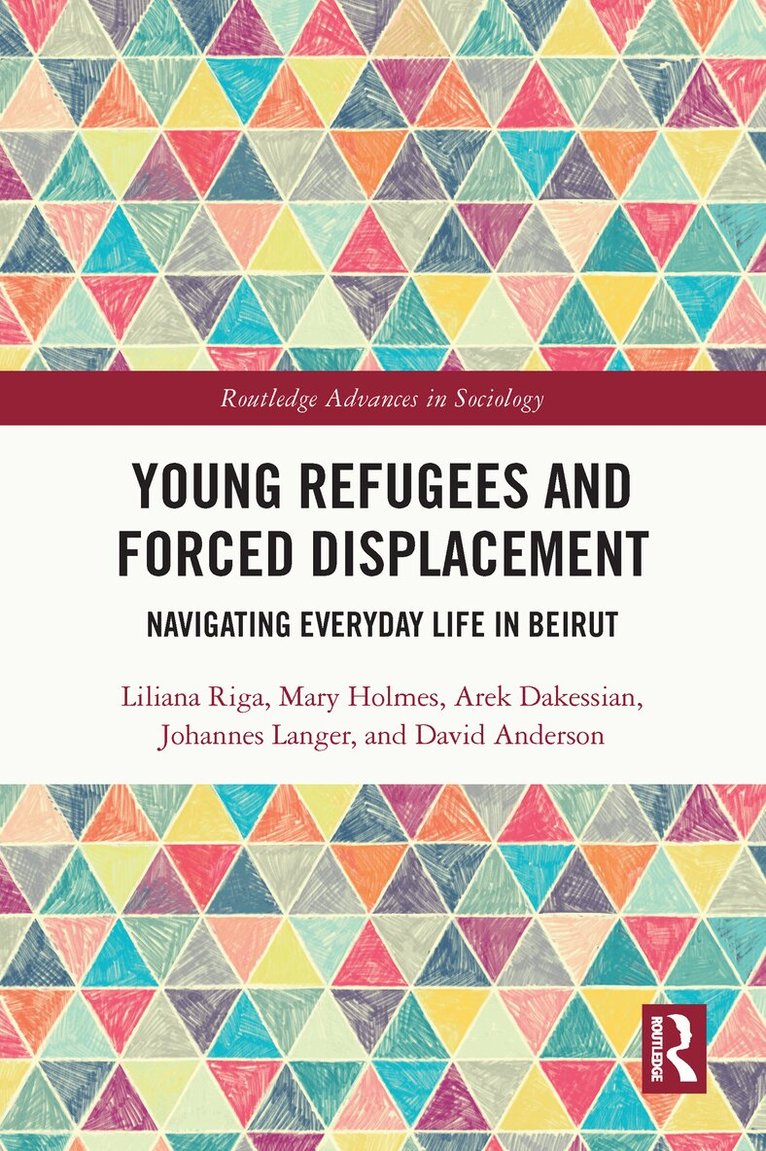
Young Refugees and Forced Displacement is about young Syrian and Iraqi refugees navigating the complex realities of forced displacement in Beirut. It is based on a British Academy funded two-year project with 51 displaced youths aged 8 to 17 and under the care of three local humanitarian organisations. Focus groups, interviews and innovative arts-based methods were used to learn about their everyday lives. At the end of the project, we coproduced with them a public mural, allowing unexpected epistemological and methodological reflections on researching refugees and the "right to opacity." Families and friendships, humanitarian caregiving, racism, discrimination and everyday decencies and civilities make up the stuff of their ordinary, everyday encounters within refugeedom, defining both its sharper edges and its more inadvertent and quietly political ones. Thus, refugeedom, as we conceive it, includes "the humanitarian condition" but goes a little beyond it, to become also a human condition of political alterity. In navigating refugeedom, the young Syrians and Iraqis become sophisticated political and moral actors, using emotional reflexivity as they engage layered subjectivities to define the terms of their own forced displacement. This book will be of interest to policymakers, humanitarian organisations, social science scholars and students working on refugees, displacement, humanitarianism, intimacies and emotions, racism and discrimination. It may also be of interest to displaced youth.
1 228 kr
Skickas inom 7-10 vardagar
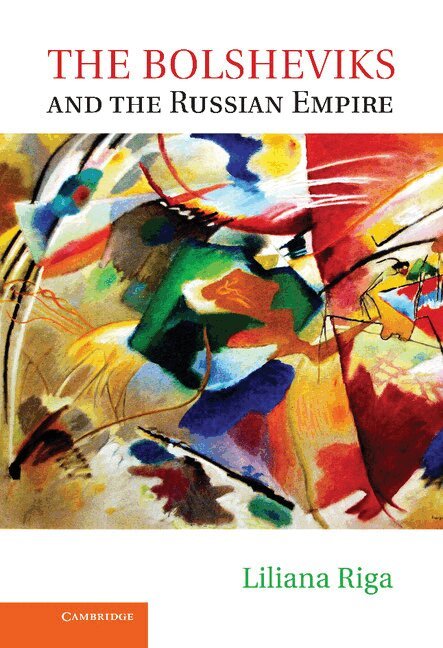
This comparative historical sociology of the Bolshevik revolutionaries offers a reinterpretation of political radicalization in the last years of the Russian Empire. Finding that two-thirds of the Bolshevik leadership were ethnic minorities - Ukrainians, Latvians, Georgians, Jews and others - this book examines the shared experiences of assimilation and socioethnic exclusion that underlay their class universalism. It suggests that imperial policies toward the Empire's diversity radicalized class and ethnicity as intersectional experiences, creating an assimilated but excluded elite: lower-class Russians and middle-class minorities universalized particular exclusions as they disproportionately sustained the economic and political burdens of maintaining the multiethnic Russian Empire. The Bolsheviks' social identities and routes to revolutionary radicalism show especially how a class-universalist politics was appealing to those seeking secularism in response to religious tensions, a universalist politics where ethnic and geopolitical insecurities were exclusionary, and a tolerant 'imperial' imaginary where Russification and illiberal repressions were most keenly felt.
550 kr
Skickas inom 7-10 vardagar
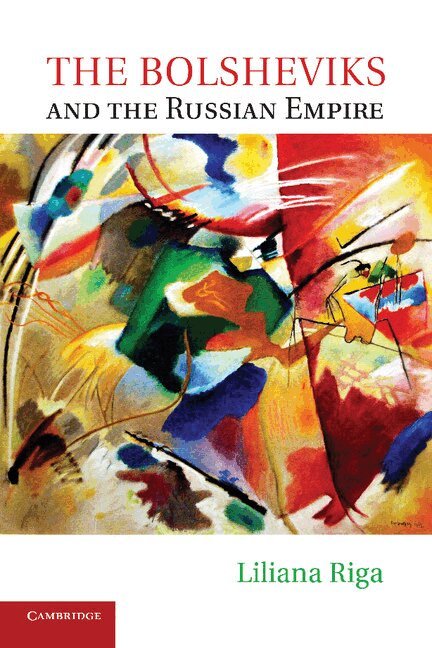
This comparative historical sociology of the Bolshevik revolutionaries offers a reinterpretation of political radicalization in the last years of the Russian Empire. Finding that two-thirds of the Bolshevik leadership were ethnic minorities - Ukrainians, Latvians, Georgians, Jews and others - this book examines the shared experiences of assimilation and socioethnic exclusion that underlay their class universalism. It suggests that imperial policies toward the Empire's diversity radicalized class and ethnicity as intersectional experiences, creating an assimilated but excluded elite: lower-class Russians and middle-class minorities universalized particular exclusions as they disproportionately sustained the economic and political burdens of maintaining the multiethnic Russian Empire. The Bolsheviks' social identities and routes to revolutionary radicalism show especially how a class-universalist politics was appealing to those seeking secularism in response to religious tensions, a universalist politics where ethnic and geopolitical insecurities were exclusionary, and a tolerant 'imperial' imaginary where Russification and illiberal repressions were most keenly felt.