Linda Bryder – författare
Visar alla böcker från författaren Linda Bryder. Handla med fri frakt och snabb leverans.
7 produkter
Below the Magic Mountain
A Social History of Tuberculosis in Twentieth-Century Britain
Av Linda Bryder
Inbunden, 1988
3555 kr
Lägg i varukorg
Tuberculosis was perceived for the first time in the early twentieth century as a major problem warranting state involvement in a national campaign for its eradication. This book examines the rise of the anti-tuberculosis movement in Britain, and the development of a new public health service and …
Western Maternity and Medicine, 1880-1990
Av Janet Greenlees, Janet Greenlees m. fl.
Häftad, 2016
846 kr
Lägg i varukorg
The contributors to this collection look into the experiences of women in the Western world going through pregnancy and birth over the last hundred years.
Western Maternity and Medicine, 1880-1990
Av Janet Greenlees, Janet Greenlees m. fl.
E-bok, 2015
999 kr
Lägg i varukorg
The contributors to this collection look into the experiences of women in the Western world going through pregnancy and birth over the last hundred years.
Western Maternity and Medicine, 1880-1990
Av Janet Greenlees, Janet Greenlees m. fl.
E-bok, 2015
999 kr
Lägg i varukorg
The contributors to this collection look into the experiences of women in the Western world going through pregnancy and birth over the last hundred years.
Best Country to Give Birth?
Midwifery, Homebirth and the Politics of Maternity in Aotearoa New Zealand, 1970–2022
Av Linda Bryder
Häftad, 2023
407 kr
Lägg i varukorg
‘In 2012, following his investigation of the deaths of two babies in childbirth at Waikato Hospital, Hamilton coroner Gordon Matenga asked, ‘Does New Zealand have the safe, world-leading system the Government says we do, or are we losing babies because the balance has swung too far towards the idea …
Western Maternity and Medicine, 1880-1990
Av Janet Greenlees, Janet Greenlees m. fl.
Inbunden, 2013
2825 kr
Lägg i varukorg
The contributors to this collection look into the experiences of women in the Western world going through pregnancy and birth over the last hundred years.
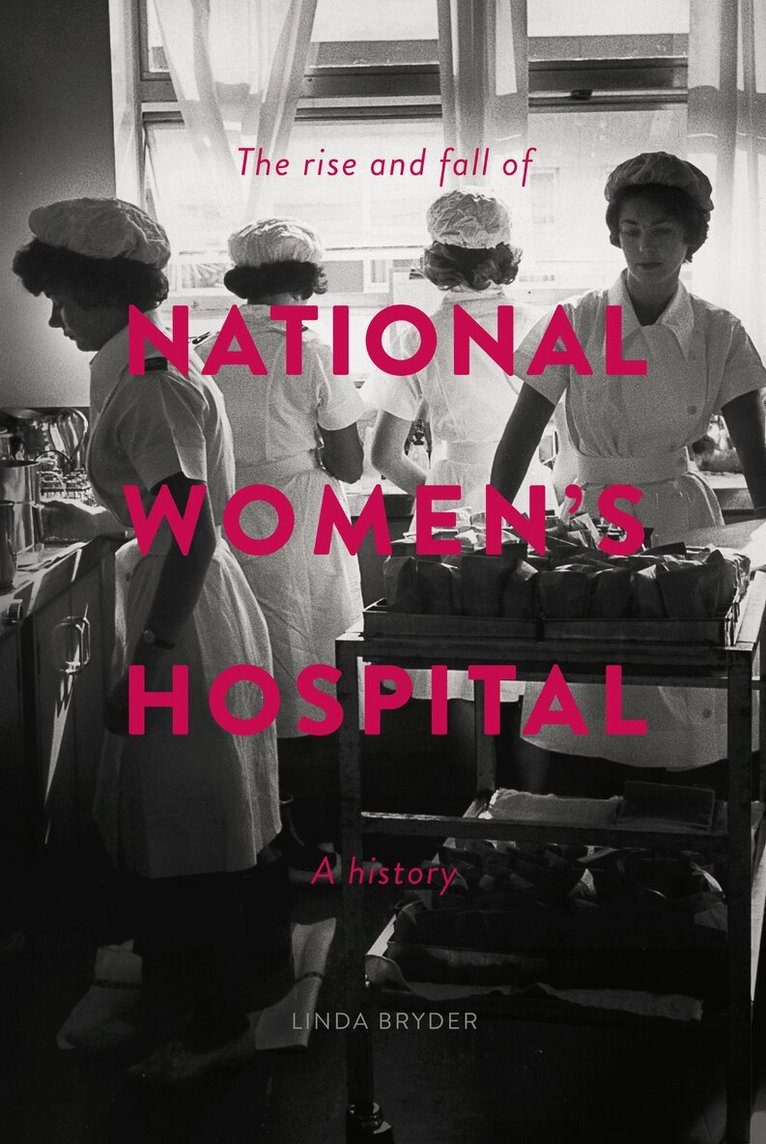
Rise and Fall of National Women's Hospital
A History
Av Linda Bryder
Häftad, 2014
416 kr
Lägg i varukorg
Natural childbirth and rooming in; artificial insemination and in vitro fertilisation; sterilisation and abortion: women’s health and reproduction went through a revolution in the twentieth century as scientific advances confronted ethical and political dilemmas. In New Zealand, the major site for …