Linda Starke - Böcker
Visar alla böcker från författaren Linda Starke. Handla med fri frakt och snabb leverans.
10 produkter
10 produkter
306 kr
Skickas inom 5-8 vardagar
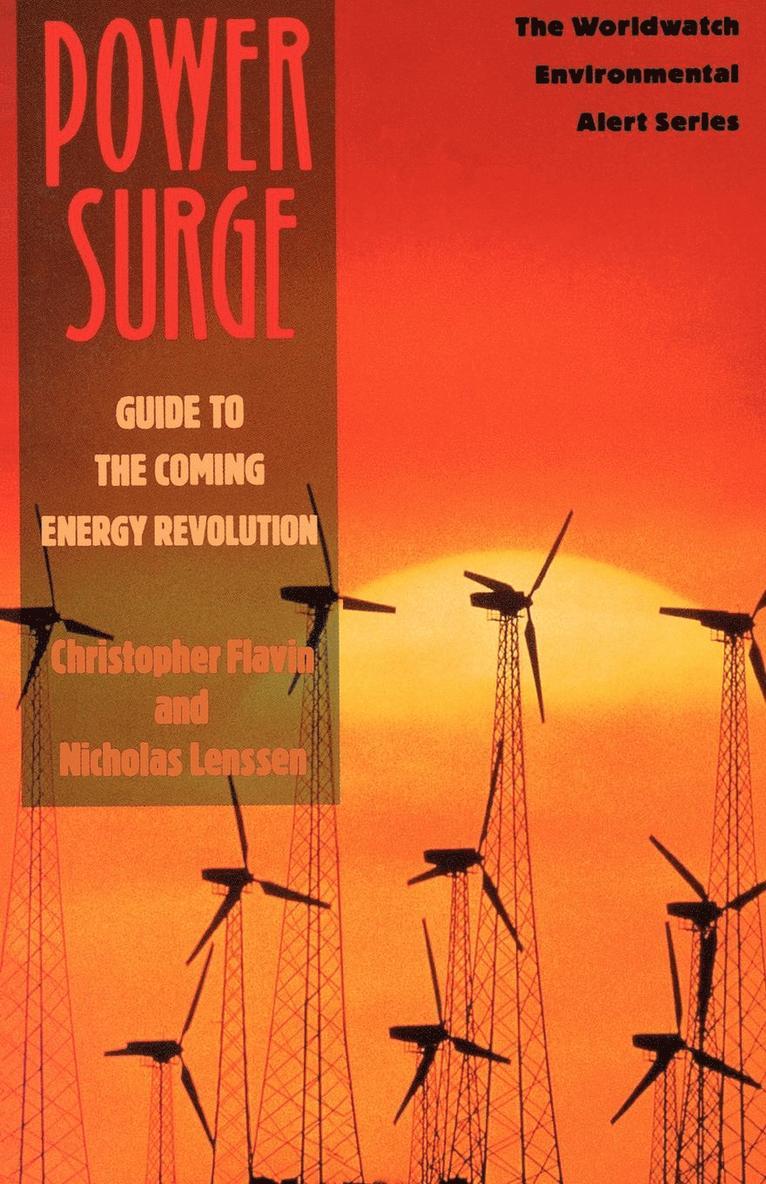
The world energy economy is poised for a sweeping shift away from imported oil and environmentally damaging coal during the next few decades, according to the findings in Power Surge, the latest book from the Worldwatch Institute. Pushed by the need to stabilize the earth's climate, and pulled by the investment opportunities that beckon, global energy markets are beginning a rapid move to more efficient, decentralized, and cleaner systems, echoing the shift from mainframe to personal computers during the 1980s. Among the emerging changes expected: a new generation of lightweight, super-efficient electric cars that can be refueled at home; the rapid conversion of coal and nuclear plants to efficient gas turbines; a new generation of mass-produced wind and solar generators that are cost-competitive with the most advanced fossil plants; tiny fuel cells and rooftop solar panels that allow people to generate their own electricity; and the gradual emergence of nonpolluting hydrogen as the world's main energy carrier, supplanting oil and natural gas. The authors of Power Surge, Christopher Flavin and Nicholas Lenssen, have identified recent deployments of new energy technologies by enterprising engineers, small entrepreneurs, and eccentric tinkerers in countries around the world, providing an early glimpse of the massive changes ahead.
246 kr
Skickas inom 5-8 vardagar
To feed its 1.2 billion people, China may soon have to import so much grain that this action could trigger unprecedented rises in world food prices. In Who Will Feed China: Wake-up Call for a Small Planet, Lester Brown shows that even as water becomes more scarce in a land where 80 percent of the grain crop is irrigated, as per-acre yield gains are erased by the loss of cropland to industrialization, and as food production stagnates, China still increases its population by the equivalent of a new Beijing each year. When Japan, a nation of just 125 million, began to import food, world grain markets rejoiced. But when China, a market ten times bigger, starts importing, there may not be enough grain in the world to meet that need - and food prices will rise steeply for everyone. Analysts foresaw that the recent four-year doubling of income for China's 1.2 billion consumers would increase food demand, especially for meat, eggs, and beer. But these analysts assumed that food production would rise to meet those demands. Brown shows that cropland losses are heavy in countries that are densely populated before industrialization, and that these countries quickly become net grain importers. We can see that process now in newspaper accounts from China as the government struggles with this problem.
232 kr
Skickas inom 5-8 vardagar
Published for the World Food Conference to be held in Rome in November, this provocative book assesses the current food scarcity situation and proposes steps that can be taken to expand food production and buy additional time to stabilize population. Part of the Worldwatch Environmental Alert series.
208 kr
Skickas inom 7-10 vardagar
We have taken for granted seemingly endless supplies of water flowing from reservoirs wells, and diversion projects; access to water has been key to food security, industrialization, and the growth of cities. In this book from the Worldwatch Institute, Sandra Postel explains that decades of profligacy and mismanagement of the world's water resources have produced signs of shortages and environmental destruction. She writes with authority and clarity of the limits-ecological, economic, and political-of this vital natural resource. She explores the potential for conflict over water between nations, and between urban and rural residents. And she offers a sensible way out of such struggles. Last Oasis makes clear that the technologies and know-how exist to increase the productivity of every liter of water. But citizens must first understand the issues and insist on policies, laws, and institutions that promote the sustainable use of water.
286 kr
Skickas inom 5-8 vardagar
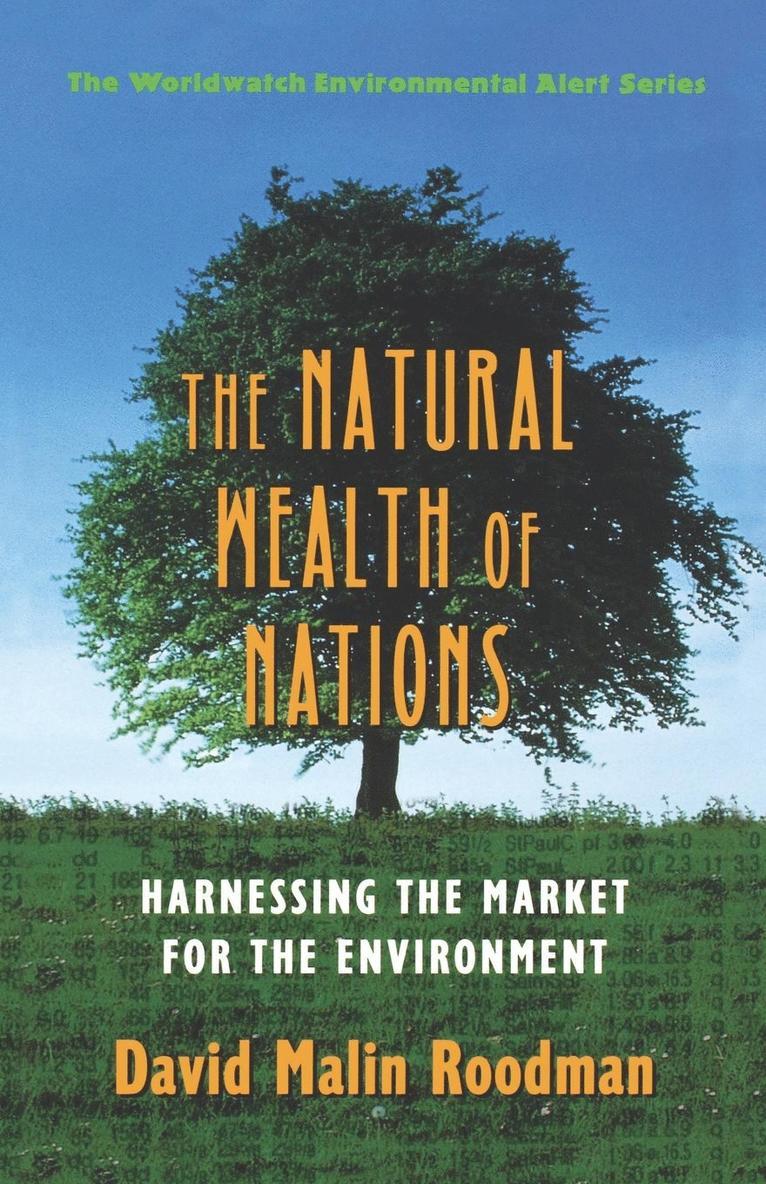
Looking for some concrete proposals about how to clean up the world's environmental problems? In The Natural Wealth of Nations, David Roodman argues that a critical but often overlooked source of solutions lies in the prosaic world of government subsidies and fiscal policy. If governments overhaul how they raise and spend money, they can use the market to protect the environment without hurting economic growth. For starters, why are the world's governments spending over $700 billion a year to subsidize activities that harm the environment, from logging to mining to driving? Roodman shows how cutting these wasteful subsidies can boost the economy, save tax dollars, and help the environment. But governments can do more. Hidden subsidies are only one of several reasons that consumers get misleading signals from the marketplace about the true environmental costs of their activities. Roodman proposes raising taxes on harmful activities like air pollution while cutting taxes on payrolls and profits. This tax shift would discourage pollution and encourage work and investment. The creation of tradable pollution credits is another way to use the market to include environmental costs. These proposals are not far-fetched, having already been tested in the United States and overseas. In a global survey, Roodman provides examples from Sweden to Spain to Malaysia of the growing number of countries that are successfully using these market-based approaches to clean up their environments.
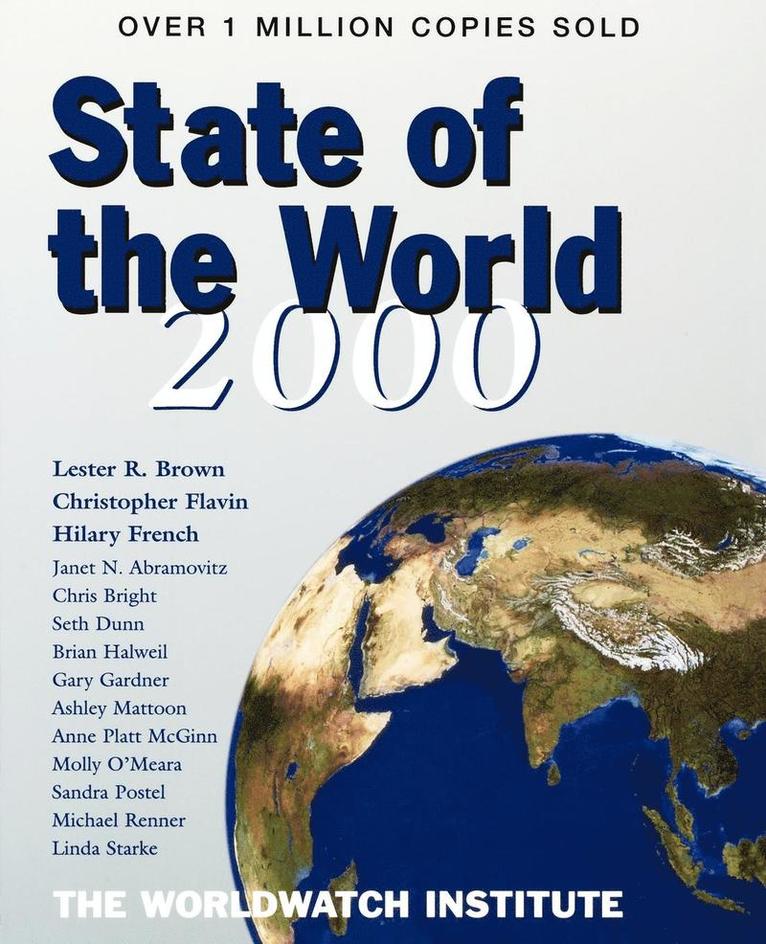
State of the World 2000
A Worldwatch Institute Report on Progress Towards a Sustainable Society
Häftad, Engelska, 2000
333 kr
Skickas inom 5-8 vardagar
The newest volume in the annual series that has become the bible of the global environmental movement--and indispensable for anyone concerned with the future of our world. State of the World 2000 provides national leaders and concerned citizens with a comprehensive framework for the global debate about our future in the new century. This annual survey by the award-winning Worldwatch Institute has become an invaluable analysis of negative environmental trends and a guide to emerging solutions. The book shows how our current fossil-fueled, auto-centered, throwaway economy is steadily destroying the very ecosystems that form the foundations of our lives. The great challenge we face in the next century is making the transition to a sustainable economy that reuses and recycles materials, is powered by renewable energy sources, and has a stable population. The authors argue that meeting this challenge will offer some of the greatest investment opportunities in history. Written in clear and concise language, with easy-to-read charts and tables, State of the World 2000 presents a view of our changing world that we, and our leaders, cannot afford to ignore.
272 kr
Skickas inom 5-8 vardagar
This annual volume from the Worldwatch Institute shows in graphic form key trends that often escape the attention of the news media, world leaders, and economic experts, but should be integrated into their plans as they map out our global future. Written by the staff of the award-winning Worldwatch Institute, this book allows readers to track key indicators that show social, economic, and environmental progress, or the lack of it. These authoritative data have been distilled from thousands of documents obtained from government, industry, scientists, and international organizations into forty-five "vital signs" of our times. Vital Signs 2000 presents up-to-the-minute information on environmental and sustainable development topics such as global temperature, population growth, HIV/AIDS, fossil fuel consumption, Internet use, income inequalities, grain production, and fish catch. Each trend is presented in both text and graphics, providing a thorough, well-documented, and very accessible overview.
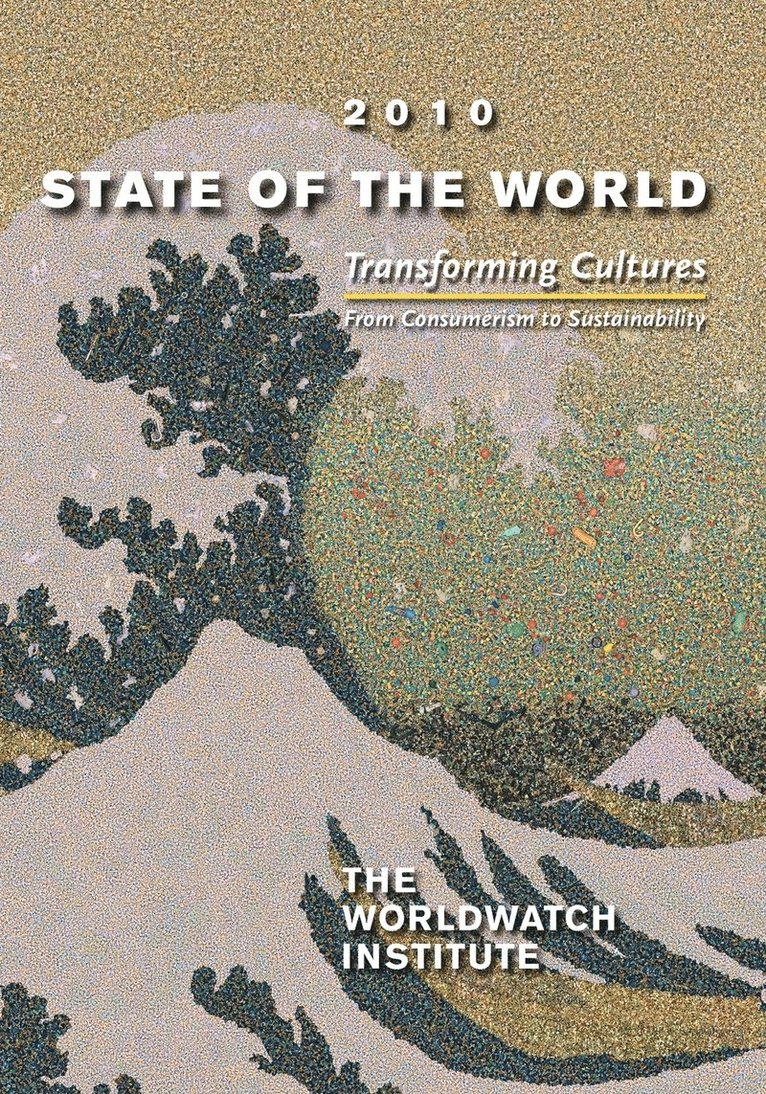
State of the World 2010
Transforming Cultures: From Consumerism to Sustainability
Häftad, Engelska, 2010
306 kr
Skickas inom 5-8 vardagar
For society to thrive long into the future, we must move beyond our unsustainable consumer culture to one that respects environmental realities. In State of the World 2010, the Worldwatch Institute’s award-winning research team reveals not only how human societies can make this shift but also how people around the world have already started to nurture a new culture of sustainability. Chapters present innovative solutions to global environmental problems, focusing on institutions that are the principal engineers of culture, such as governments, the media, and religious organizations. Written in clear, concise language, with easy-to-read charts and tables, State of the World presents a view of our changing world that we, and our leaders, cannot afford to ignore.
715 kr
Skickas inom 10-15 vardagar
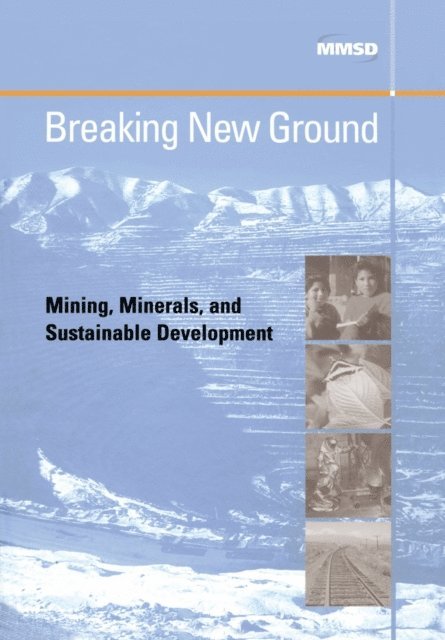
Mining is fundamental to our lives - we wear and travel in; build, cook and communicate with its products daily. However, it is also one of the most environmentally damaging industries. This study examines how such a huge and multi-facetted industry can be made sustainable, minimizing its harmful impacts and maximizing its social and economic contribution. It analyses the different needs and risks of those affected, as well as issues of supply and demand of minerals throughout the world.
1 855 kr
Tillfälligt slut
Mining is fundamental to our lives - we wear and travel in; build, cook and communicate with its products daily. However, it is also one of the most environmentally damaging industries. This study examines how such a huge and multi-facetted industry can be made sustainable, minimizing its harmful impacts and maximizing its social and economic contribution. It analyses the different needs and risks of those affected, as well as issues of supply and demand of minerals throughout the world.