Linda White – författare
629 kr
Skickas inom 10-15 vardagar
1 134 kr
Skickas inom 5-8 vardagar
103 kr
Skickas
671 kr
Skickas inom 5-8 vardagar
2 151 kr
Skickas inom 10-15 vardagar
730 kr
Läs direkt efter köp
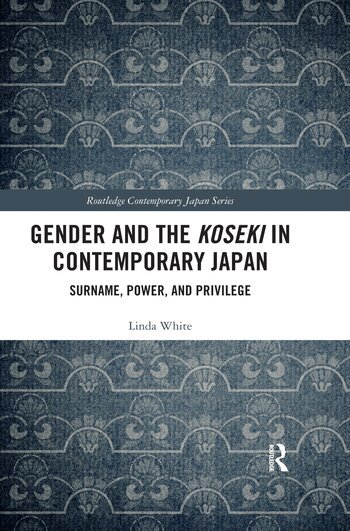
The Japanese koseki system is the legal and social structure keeping record of all Japanese citizens. Determined by the Civil Code and the Koseki Law, for activists challenging it, the koseki is also an ideological structure, which has produced patriarchal control through single-surname households.
Based on ethnographic fieldwork in Tokyo, this book engages with issues of gender hierarchy and structural inequality in Japanese society. Studying several decades of feminist activism and critique of the koseki system, it analyses the strategies of activists who have creatively circumvented koseki rules in order to maintain their natal names in marriage. It examines the case studies of members of the fūfubessei (separate surname movement) and the movement to end discrimination against children born out of wedlock, and in so doing this book illuminates the contradictions in current family law and koseki practice that have animated a generation of feminists in Japan.
Demonstrating the effect of the koeski on family, gender, and national identity, this book will be useful for students and scholars of Cultural Anthropology, Gender Studies, and Japanese Studies in general.
730 kr
Läs direkt efter köp
The Japanese koseki system is the legal and social structure keeping record of all Japanese citizens. Determined by the Civil Code and the Koseki Law, for activists challenging it, the koseki is also an ideological structure, which has produced patriarchal control through single-surname households.
Based on ethnographic fieldwork in Tokyo, this book engages with issues of gender hierarchy and structural inequality in Japanese society. Studying several decades of feminist activism and critique of the koseki system, it analyses the strategies of activists who have creatively circumvented koseki rules in order to maintain their natal names in marriage. It examines the case studies of members of the fūfubessei (separate surname movement) and the movement to end discrimination against children born out of wedlock, and in so doing this book illuminates the contradictions in current family law and koseki practice that have animated a generation of feminists in Japan.
Demonstrating the effect of the koeski on family, gender, and national identity, this book will be useful for students and scholars of Cultural Anthropology, Gender Studies, and Japanese Studies in general.
429 kr
Skickas inom 10-15 vardagar
539 kr
Läs direkt efter köp
539 kr
Läs direkt efter köp
646 kr
Skickas inom 5-8 vardagar
787 kr
Läs direkt efter köp
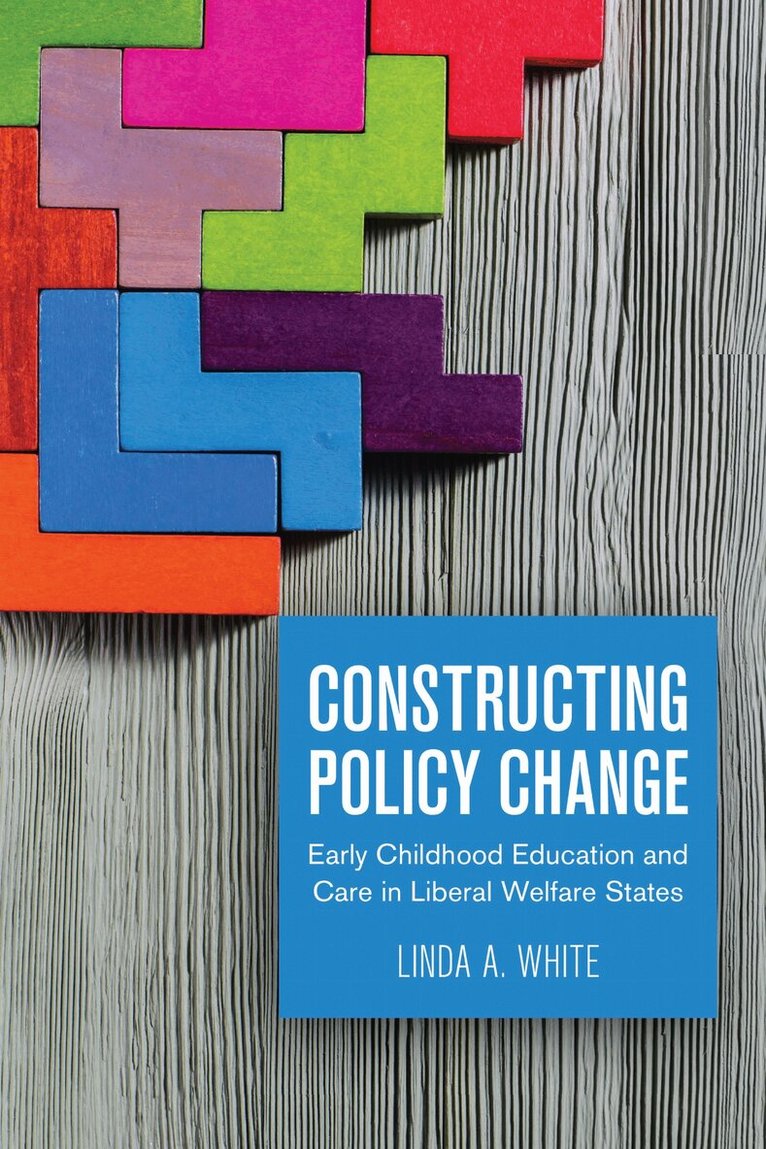
In Constructing Policy Change, Linda A. White examines the expansion of early childhood education and care (ECEC) policies and programs in liberal welfare states, including Australia, Canada, New Zealand, the UK, and the USA.
In the first part of the book, the author investigates the sources of policy ideas that triggered ECEC changes in various national contexts. This is followed by a close analysis of cross-national variation in the implementation of ECEC policy in Canada and the USA. White argues that the primary mechanisms for policy change are grounded in policy investment logics as well as cultural logics: that is, shifts in public sentiments and government beliefs about the value of ECEC policies and programs are rooted in both evidence-based arguments and in principled beliefs about the policy.
A rich, nuanced examination of the reasons motivating ECEC policy expansion and adoption in different countries, Constructing Policy Change is a corrective to the comparative welfare state literature that focuses on political interest alone.
787 kr
Läs direkt efter köp
In Constructing Policy Change, Linda A. White examines the expansion of early childhood education and care (ECEC) policies and programs in liberal welfare states, including Australia, Canada, New Zealand, the UK, and the USA.
In the first part of the book, the author investigates the sources of policy ideas that triggered ECEC changes in various national contexts. This is followed by a close analysis of cross-national variation in the implementation of ECEC policy in Canada and the USA. White argues that the primary mechanisms for policy change are grounded in policy investment logics as well as cultural logics: that is, shifts in public sentiments and government beliefs about the value of ECEC policies and programs are rooted in both evidence-based arguments and in principled beliefs about the policy.
A rich, nuanced examination of the reasons motivating ECEC policy expansion and adoption in different countries, Constructing Policy Change is a corrective to the comparative welfare state literature that focuses on political interest alone.
477 kr
Skickas inom 5-8 vardagar
436 kr
Skickas inom 5-8 vardagar
43 kr
Läs direkt efter köp
216 kr
Skickas inom 5-8 vardagar
309 kr
Skickas inom 5-8 vardagar