Linden F. Lewis - Böcker
Visar alla böcker från författaren Linden F. Lewis. Handla med fri frakt och snabb leverans.
3 produkter
3 produkter
1 213 kr
Skickas inom 10-15 vardagar
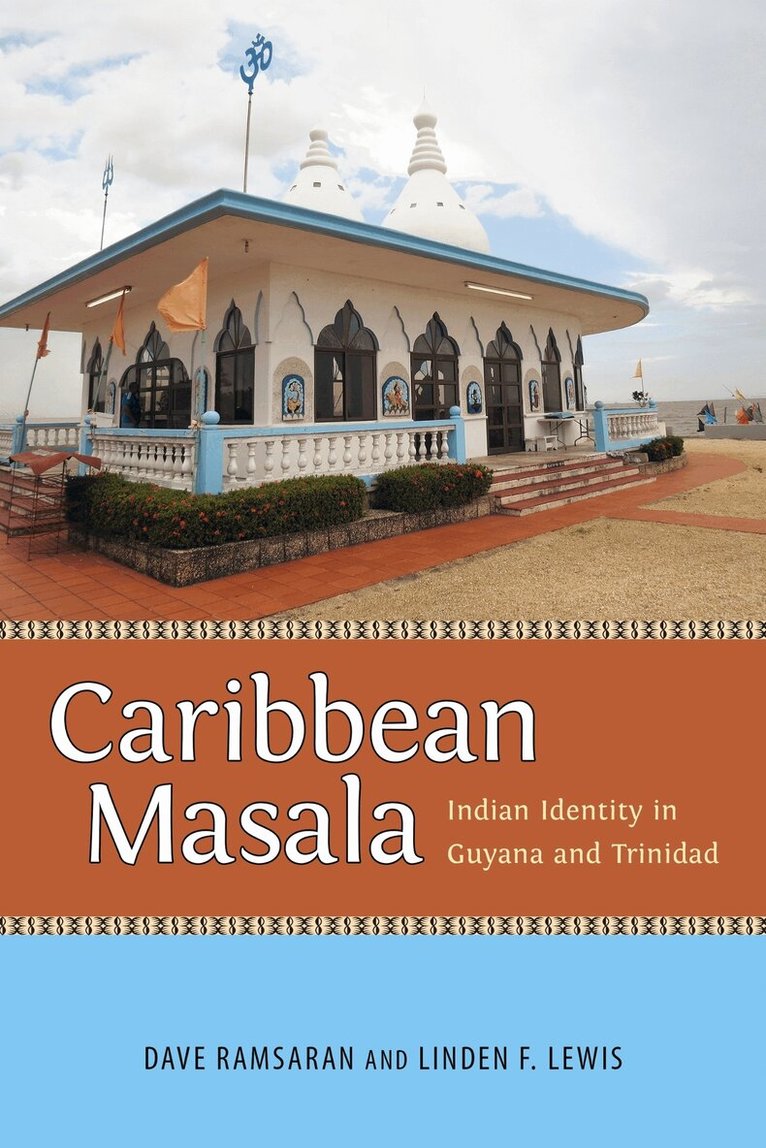
In 1833, the abolition of slavery in the British Empire led to the import of exploited South Asian indentured workers in the Caribbean under extreme oppression. Dave Ramsaran and Linden F. Lewis concentrate on the Indian descendants' processes of mixing, assimilating, and adapting while trying desperately to hold on to that which marks a group of people as distinct.In some ways, the lived experience of the Indian community in Guyana and Trinidad represents a cultural contradiction of belonging and non-belonging. In other parts of the Caribbean, people of Indian descent seem so absorbed by the more dominant African culture and through intermarriage that Indo-Caribbean heritage seems less central.In this collaboration based on focus groups, in-depth interviews, and observation, sociologists Ramsaran and Lewis lay out a context within which to develop a broader view of Indians in Guyana and Trinidad, a numerical majority in both countries. They address issues of race and ethnicity but move beyond these familiar aspects to track such factors as ritual, gender, family, and daily life. Ramsaran and Lewis gauge not only an unrelenting process of assimilative creolization on these descendants of India, but also the resilience of this culture in the face of modernization and globalization.
377 kr
Skickas inom 10-15 vardagar
Winner of the 2019 Gordon K. & Sybil Lewis Book Award.In 1833, the abolition of slavery in the British Empire led to the import of exploited South Asian indentured workers in the Caribbean under extreme oppression. Dave Ramsaran and Linden F. Lewis concentrate on the Indian descendants' processes of mixing, assimilating, and adapting while trying desperately to hold on to that which marks a group of people as distinct.In some ways, the lived experience of the Indian community in Guyana and Trinidad represents a cultural contradiction of belonging and non-belonging. In other parts of the Caribbean, people of Indian descent seem so absorbed by the more dominant African culture and through intermarriage that Indo-Caribbean heritage seems less central.In this collaboration based on focus groups, in-depth interviews, and observation, sociologists Ramsaran and Lewis lay out a context within which to develop a broader view of Indians in Guyana and Trinidad, a numerical majority in both countries. They address issues of race and ethnicity but move beyond these familiar aspects to track such factors as ritual, gender, family, and daily life. Ramsaran and Lewis gauge not only an unrelenting process of assimilative creolization on these descendants of India, but also the resilience of this culture in the face of modernization and globalization.
551 kr
Skickas inom 7-10 vardagar
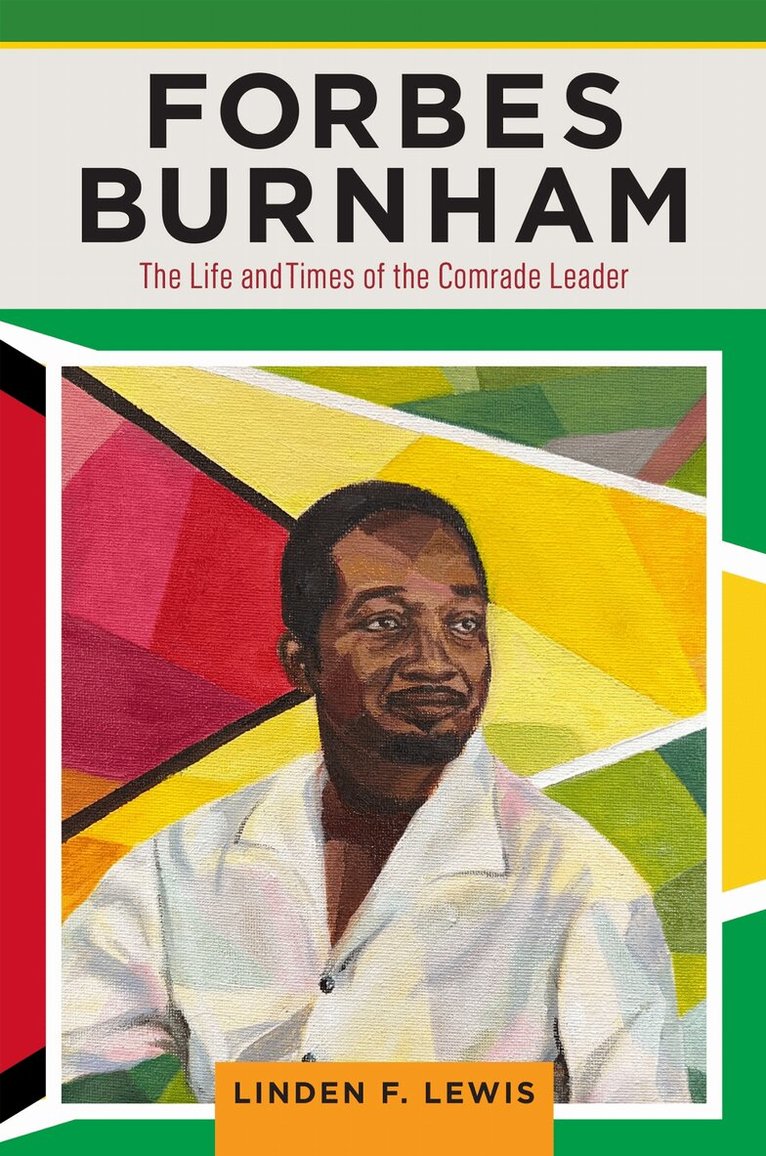
It is virtually impossible to understand the history of modern Guyana without understanding the role played by Forbes Burnham. As premier of British Guiana, he led the country to independence in 1966 and spent two decades as its head of state until his death in 1985. An intensely charismatic politician, Burnham helped steer a new course for the former colony, but he was also a quintessential strongman leader, venerated by some of his citizens yet feared and despised by others. Forbes Burnham: The Life and Times of the Comrade Leader is the first political biography of this complex and influential figure. It charts how the political party he founded, the People’s National Congress, combined nationalist rhetoric, socialist policies, and Pan-Africanist philosophies. It also explores how, in a country already deeply divided between the descendants of African slaves and Indian indentured servants, Burnham consolidated political power by intensifying ethnic polarizations. Drawing from historical archives as well as new interviews with the people who knew Burnham best, sociologist Linden F. Lewis examines how his dictatorial tendencies coexisted with his progressive convictions. Forbes Burnham is a compelling study of the nature of postcolonial leadership and its pitfalls.