Line Bjerg - Böcker
Visar alla böcker från författaren Line Bjerg. Handla med fri frakt och snabb leverans.
2 produkter
2 produkter
From Goths to Varangians
Communication and Cultural Exchange Between the Baltic and the Black Sea
Inbunden, Engelska, 2013
659 kr
Skickas inom 7-10 vardagar
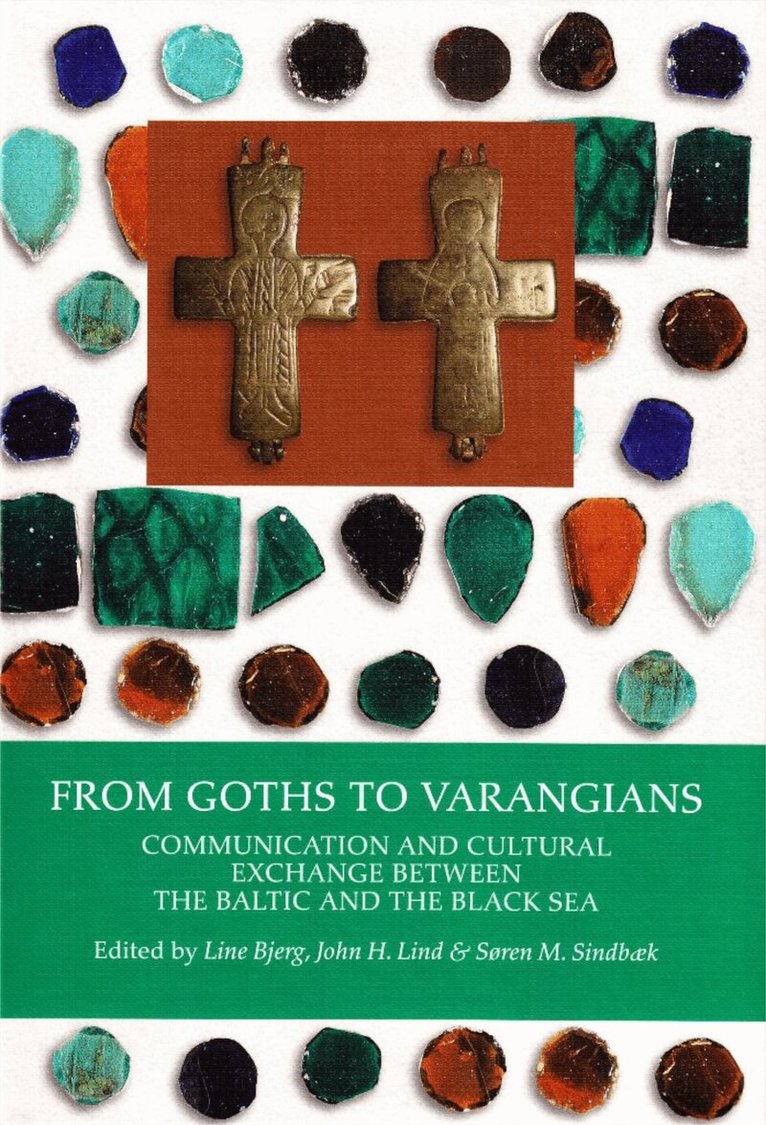
In late Antiquity, archaeology demonstrates lively and far-flung exchange along the river Dniester, through current Poland to the Baltic. By the 11th century the former Barbaricum had been transformed into a string of Christian kingdoms and principalities, whose parallel histories are as conspicious as their differences. From the legendary (if possible real) migrations of the Goths in Antiquity to the Varangian guard at the imperial court of Byzantium in the late Viking Age, trans-cultural interaction complemented important historical development. This book is about aspects of the changing interactions from late Antiquity to the High Middle Ages, from Goths to Varangians, and from the Baltic to the Black Sea. The history and archaeology of these connections have been poorly exposed and investigated in modern times. The papers presented in this volume are a selection of those presented during a series of four meetings organised 2007-2009 by the "Varangian Network", an interdisciplinary network for archaeological and historical research on relations between the Baltic and the Black Sea from late Antiquity to the medieval period.
315 kr
Skickas inom 5-8 vardagar
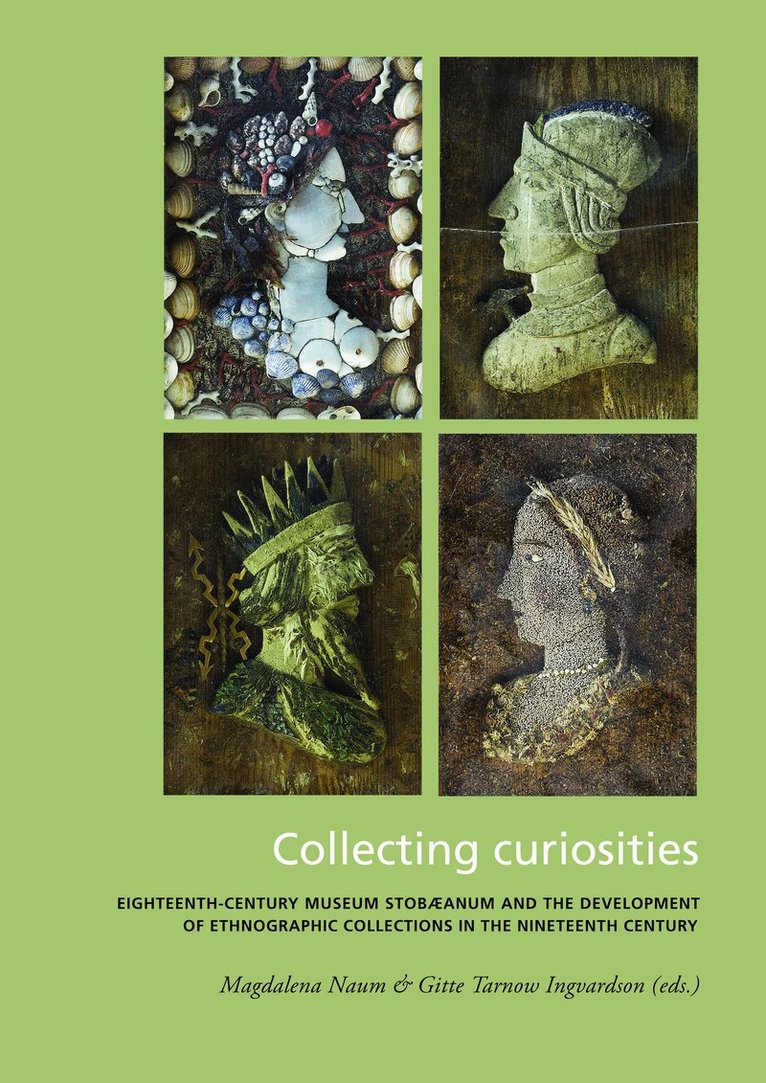
In 1735, professor Kilian Stobæus donated his collections to Lund University laying the foundation for the university’s first museum. The ‘Museum Stobæanum’ contained over 3000 natural history, historical and ethnographic objects typical of the cabinets of curiosity. This richly illustrated book is the first comprehensive history of these collections. Eighteen chapters, written by an interdisciplinary group of scholars, explore Stobæus as a researcher and collector; the concept, organization and development of the museum through time; as well as the culture of collecting, including its scientific and symbolic meaning. The authors also investigate specific examples of museum objects: fossils, plants enclosed in a herbarium, a crocodile, seashells and insects, North American artefacts, an Egyptian mummy, coins and medals, the skull of Descartes, Guyana war clubs and ethnographic objects from the South Pacific. The book contributes to a better understanding of Stobæus and his peers in their pursuit of knowledge through collecting as well as the complex processes that enabled early modern museums. On a broader level, it illuminates the global connections and intellectual environment of eighteenth-century Lund and Sweden.