Line Wittek - Böcker
Visar alla böcker från författaren Line Wittek. Handla med fri frakt och snabb leverans.
3 produkter
3 produkter
516 kr
Skickas inom 7-10 vardagar
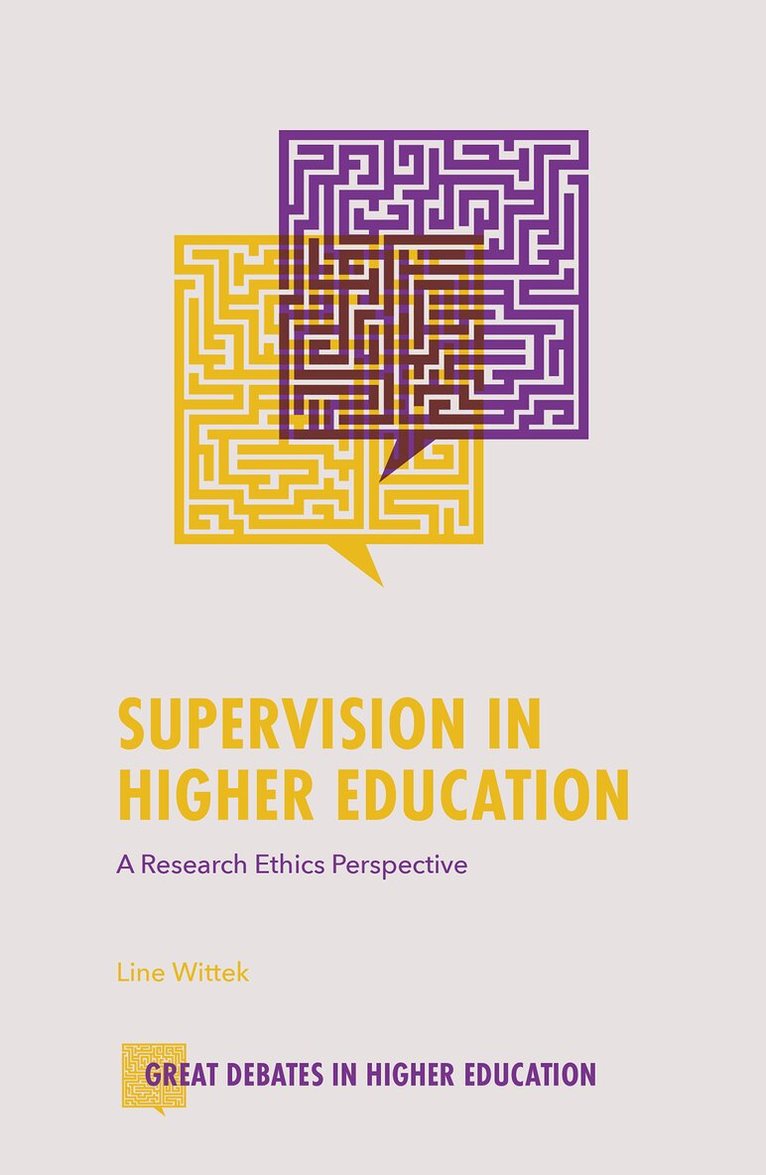
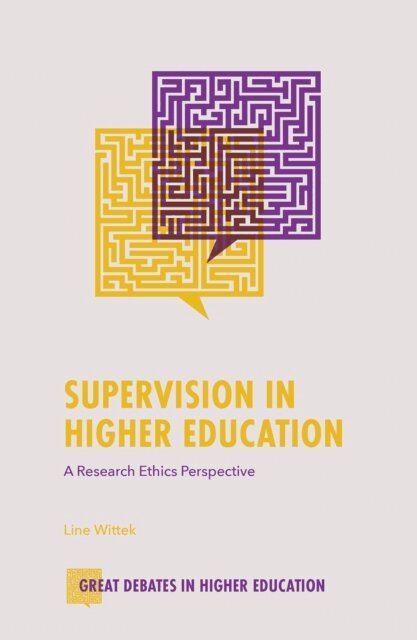
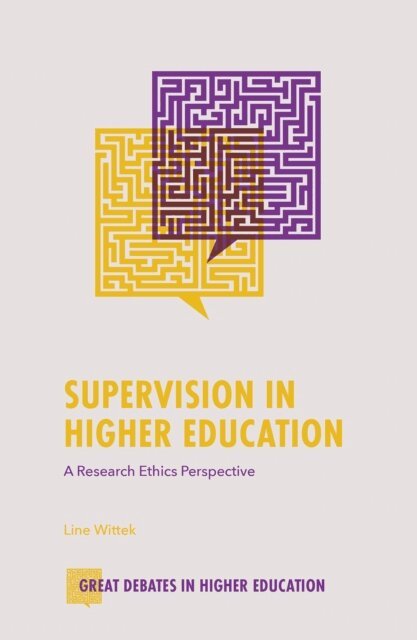
A lot of uncertainty exists among professors in higher education about what the role of supervisor entails. This uncertainty concerns, among other things, what it means to comply with research ethical principles. Wittek brings together new knowledge and information concerning international guidelines for research ethics in relation to reliability, honesty, respect and accountability; empirical studies on supervision that sheds light on research integrity in supervision and guidance; and practical cases and questions taken from real situations in higher education.Chapters focus on what supervisors can do to make the ethical guidelines transparent and ensure that their practice is in accordance with the European Federation of Academies of Sciences and Humanities (ALLEA) principles. The challenges discussed include how is trust established in guidance and supervision, co-authorship and ownership of data and the need for supervisors to be responsive and sensitive to the vulnerability that can characterise younger researchers who are in an early phase of their career.Supervision in Higher Education: A Research Ethics Perspective unpacks what current research ethical principles can mean for the supervision of PhD and MA candidates and provides guidance for less formalised contexts. A must-read for supervisors in higher education across all disciplines and professions.
Del 61 - Higher Education Dynamics
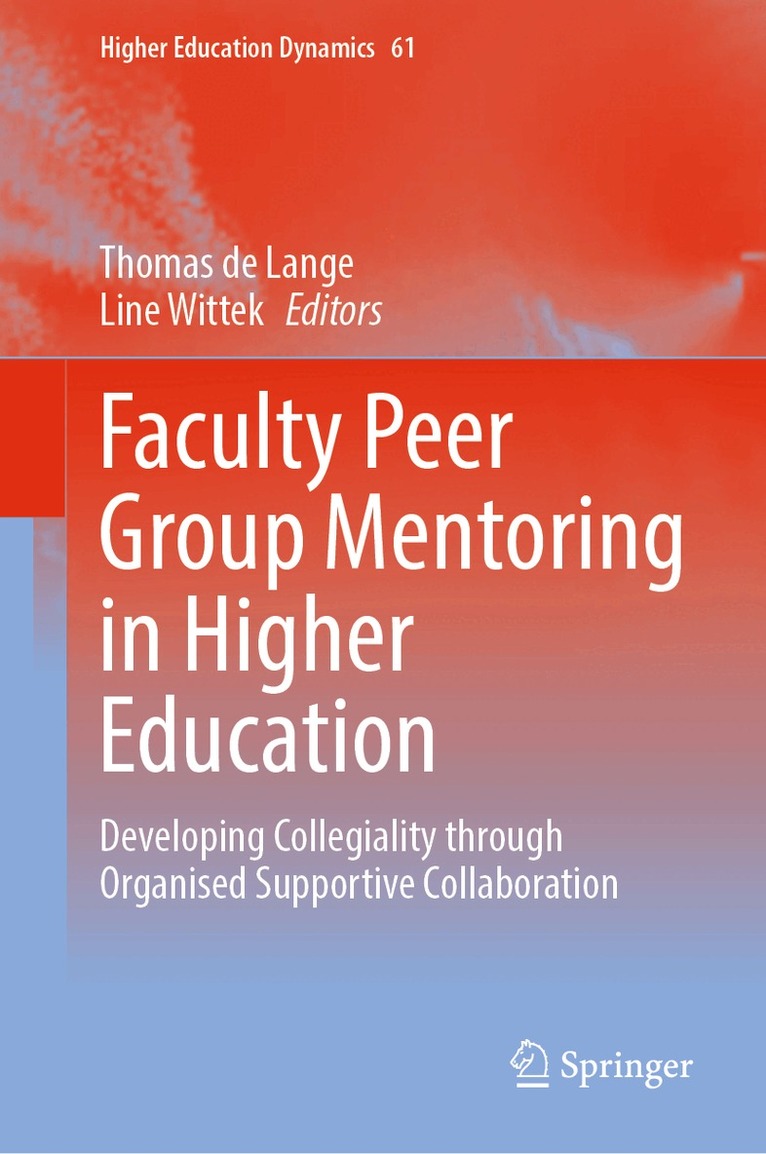
Faculty Peer Group Mentoring in Higher Education
Developing Collegiality through Organised Supportive Collaboration
Inbunden, Engelska, 2023
1 753 kr
Skickas inom 10-15 vardagar
This book addresses how peer group mentoring in higher education can contribute to the development of supportive and collaborative working environments for faculty staff. It draws on an extensive empirical study examining how group based peer-mentoring methods are implemented and experimented within four different academic communities at one university, and documents how these environments and their participants experience peer group mentoring as a collaborative measure in the development of teaching and supervision practices. The book presents a literature review of research on peer group mentoring in higher education and provides the conceptual grounding for the book, placing peer group mentoring within the field of faculty development.The work presents analyses of the enactment of peer group mentoring in different environments and of faculty peers’ engagement and collaboration with colleagues within the same teacher community, across teaching and supervision communities and across institutional boundaries. It also discusses the significance of trust in these peer group mentoring settings, summarises the implications of the reported findings and addresses the role this peer based approach might play in developing supportive collegiality in higher education as a working environment.
Del 61 - Higher Education Dynamics
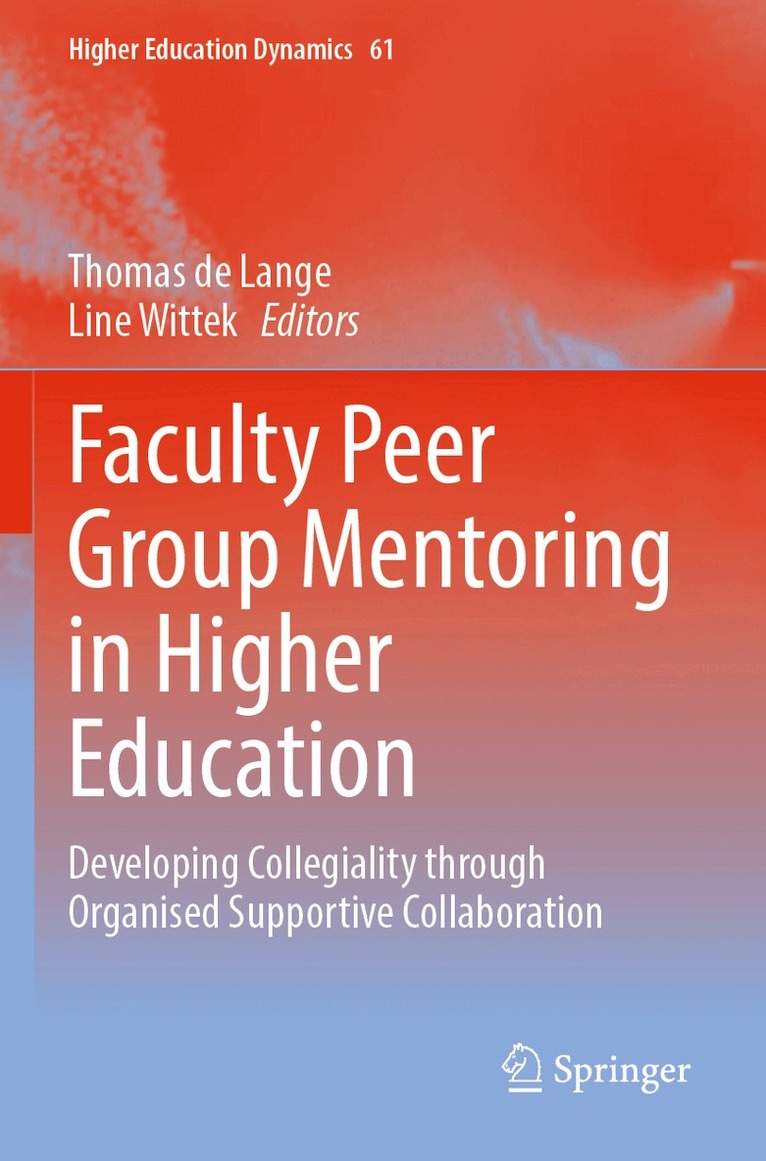
Faculty Peer Group Mentoring in Higher Education
Developing Collegiality through Organised Supportive Collaboration
Häftad, Engelska, 2024
1 753 kr
Skickas inom 10-15 vardagar
This book addresses how peer group mentoring in higher education can contribute to the development of supportive and collaborative working environments for faculty staff. It draws on an extensive empirical study examining how group based peer-mentoring methods are implemented and experimented within four different academic communities at one university, and documents how these environments and their participants experience peer group mentoring as a collaborative measure in the development of teaching and supervision practices. The book presents a literature review of research on peer group mentoring in higher education and provides the conceptual grounding for the book, placing peer group mentoring within the field of faculty development.The work presents analyses of the enactment of peer group mentoring in different environments and of faculty peers’ engagement and collaboration with colleagues within the same teacher community, across teaching and supervision communities and across institutional boundaries. It also discusses the significance of trust in these peer group mentoring settings, summarises the implications of the reported findings and addresses the role this peer based approach might play in developing supportive collegiality in higher education as a working environment.