Linnea Lundgren – författare
Visar alla böcker från författaren Linnea Lundgren. Handla med fri frakt och snabb leverans.
5 produkter
5 produkter
Häftad, Svenska, 2026
277 kr
Skickas
Vad händer när yogamattor rullas ut i kyrkorummet, när meditation leds under valv prydda av ikoner och när stillhet, andning och rörelse blir en del av församlingens vardag? I Svenska kyrkan har kroppsliga praktiker som yoga, meditation och dans under de senaste decennierna blivit allt vanligare – och de väcker frågor om hur kyrka, kropp och andlighet förstås i en samtida folkkyrklig kontext. Denna bok analyserar hur nya andliga praktiker formas, tolkas och ges legitimitet inom Svenska kyrkan. Med etnografiskt material, textanalys och teologisk reflektion undersöks hur praktikerna ramas in i kyrkliga miljöer, hur de förstås av deltagare, ledare och kyrkoherdar, samt hur de relateras till teologiska traditioner och samtida forskning. Genom begrepp som religiös sammanflätning och immanent vändning bidrar boken till forskningen om levd religion och till samtida diskussioner om folkkyrkans former, gränser och självförståelse. Boken vänder sig till studenter och forskare inom teologi och religionsvetenskap, liksom till yrkesverksamma inom kyrka och omsorg, och till läsare med intresse för religion, kropp och andlighet i dagens samhälle.
Inbunden, Engelska, 2023
1 199 kr
Skickas inom 10-15 vardagar
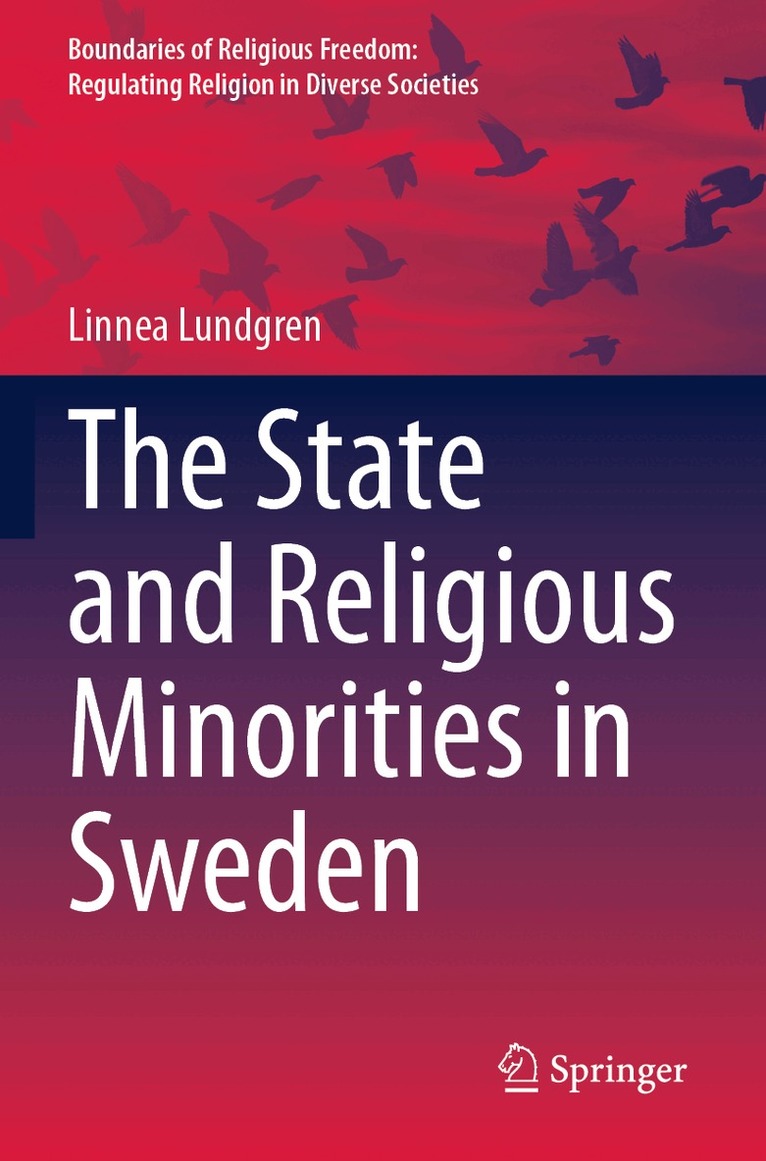
This book, a revised version of Lundgren’s PhD thesis, offers a deepened understanding of the changes in the governance of religious diversity and the complex relationship between state and religion. Linnea Lundgren explores how the narrative of risk and resource came to be by looking beyond the developments in the last few decades (particularly since 9/11) and analysing how the governance of religious diversity has developed over time. In particular, she focuses on the case of Sweden that is often regarded as one of the most secular countries in the world, while simultaneously being recognised as one of the most multi-religious countries in Europe due to a rise in immigration. This book reveals how the state has had a central role in setting the terms and conditions that both enable and limit what religious communities can do, thus shaping the function and role of religion in the public realm.Through the analysis of an extensive number of government documents over a period of seventy years (1952-2022), Lundgren challenges the idea that many of the recent controversies concerning religious diversity are new. She argues that many of the discussions held today regarding the accommodation of Muslims are decidedly similar to previous discussions regarding the management of Catholics and the Free Churches in the 1950s and 1960s. She shows that the underlying fear has remained the same; that the individual’s rights can become weakened or diminished in religious communities and that religious minorities will challenge the common shared values of the society. In light of this Lundgren concludes that in order to understand what is really at stake in the debate regarding religious diversity in Sweden today, there is a need to look at underlying tensions that exist between the state, civil society and the individual, a relationship that differs considerably in the Nordic context compared to other contexts. This text appeals to students and researchers working in the sociology of religion and people who work with governance of religion, religion and civil society, and religion and law in Europe.
E-bok
Engelska, 20231 582 kr
Läs direkt efter köp
This book, a revised version of Lundgren’s PhD thesis, offers a deepened understanding of the changes in the governance of religious diversity and the complex relationship between state and religion. Linnea Lundgren explores how the narrative of risk and resource came to be by looking beyond the developments in the last few decades (particularly since 9/11) and analysing how the governance of religious diversity has developed over time. In particular, she focuses on the case of Sweden that is often regarded as one of the most secular countries in the world, while simultaneously being recognised as one of the most multi-religious countries in Europe due to a rise in immigration. This book reveals how the state has had a central role in setting the terms and conditions that both enable and limit what religious communities can do, thus shaping the function and role of religion in the public realm.Through the analysis of an extensive number of government documents over a period of seventy years (1952-2022), Lundgren challenges the idea that many of the recent controversies concerning religious diversity are new. She argues that many of the discussions held today regarding the accommodation of Muslims are decidedly similar to previous discussions regarding the management of Catholics and the Free Churches in the 1950s and 1960s. She shows that the underlying fear has remained the same; that the individual’s rights can become weakened or diminished in religious communities and that religious minorities will challenge the common shared values of the society. In light of this Lundgren concludes that in order to understand what is really at stake in the debate regarding religious diversity in Sweden today, there is a need to look at underlying tensions that exist between the state, civil society and the individual, a relationship that differs considerably in the Nordic context compared to other contexts. This text appeals to students and researchers working in the sociology of religion and people who work with governance of religion, religion and civil society, and religion and law in Europe.
Häftad, Engelska, 2024
1 199 kr
Skickas inom 10-15 vardagar
This book, a revised version of Lundgren’s PhD thesis, offers a deepened understanding of the changes in the governance of religious diversity and the complex relationship between state and religion. Linnea Lundgren explores how the narrative of risk and resource came to be by looking beyond the developments in the last few decades (particularly since 9/11) and analysing how the governance of religious diversity has developed over time. In particular, she focuses on the case of Sweden that is often regarded as one of the most secular countries in the world, while simultaneously being recognised as one of the most multi-religious countries in Europe due to a rise in immigration. This book reveals how the state has had a central role in setting the terms and conditions that both enable and limit what religious communities can do, thus shaping the function and role of religion in the public realm.Through the analysis of an extensive number of government documents over a period of seventy years (1952-2022), Lundgren challenges the idea that many of the recent controversies concerning religious diversity are new. She argues that many of the discussions held today regarding the accommodation of Muslims are decidedly similar to previous discussions regarding the management of Catholics and the Free Churches in the 1950s and 1960s. She shows that the underlying fear has remained the same; that the individual’s rights can become weakened or diminished in religious communities and that religious minorities will challenge the common shared values of the society. In light of this Lundgren concludes that in order to understand what is really at stake in the debate regarding religious diversity in Sweden today, there is a need to look at underlying tensions that exist between the state, civil society and the individual, a relationship that differs considerably in the Nordic context compared to other contexts. This text appeals to students and researchers working in the sociology of religion and people who work with governance of religion, religion and civil society, and religion and law in Europe.
Häftad, Svenska, 2019
229 kr
Skickas
Omsorg och kärlek, empati och omtanke är grundläggande inslag i mänskliga relationer. Vi känner igen dem som autentiska uttryck i en personlig relation. Men vilka möjligheter har barmhärtighet och medmänsklighet att komma till uttryck i institutioner som är uppbyggda av lagar, regler och principer? Med andra ord, kan barmhärtigheten institutionaliseras, eller är en medmänsklig livshållning förbehållen personliga relationer? Detta är bokens ärende att utreda. I 1900-talets socialpolitik har begreppet barmhärtighet blivit misstänkliggjort. Det har förknippats med en välgörenhet där den barmhärtiga gärningens objekt var en tacksam men undergiven mottagare. Hellre talar vi idag om rättighetsbärare. Bokens författare belyser barmhärtighetsidealet ur olika perspektiv och vill därmed bidra med en fördjupad och breddad diskussion om dess existensberättigande i dagens samhälle. Författarna hämtar sina exempel från diakoniinstitutioner, biståndsverksamhet och församlingarnas omsorgsinsatser, från historien och idag. Frågorna berör dem som arbetar i människovårdande yrken, men också oss alla som lever med vardagliga medmänskliga åtaganden. Det gäller både våra nära relationer och mötet med en tiggande människa på gatan. I boken medverkar Elisabeth Christiansson, Per Eckerdal, Mats J. Hansson, Stig Linde och Linnea Lundgren.